
No one is perfect
but sow bad seed and wait for
the bitter harvest
copyright Francis Barker 2019
copyright Francis Barker 2019
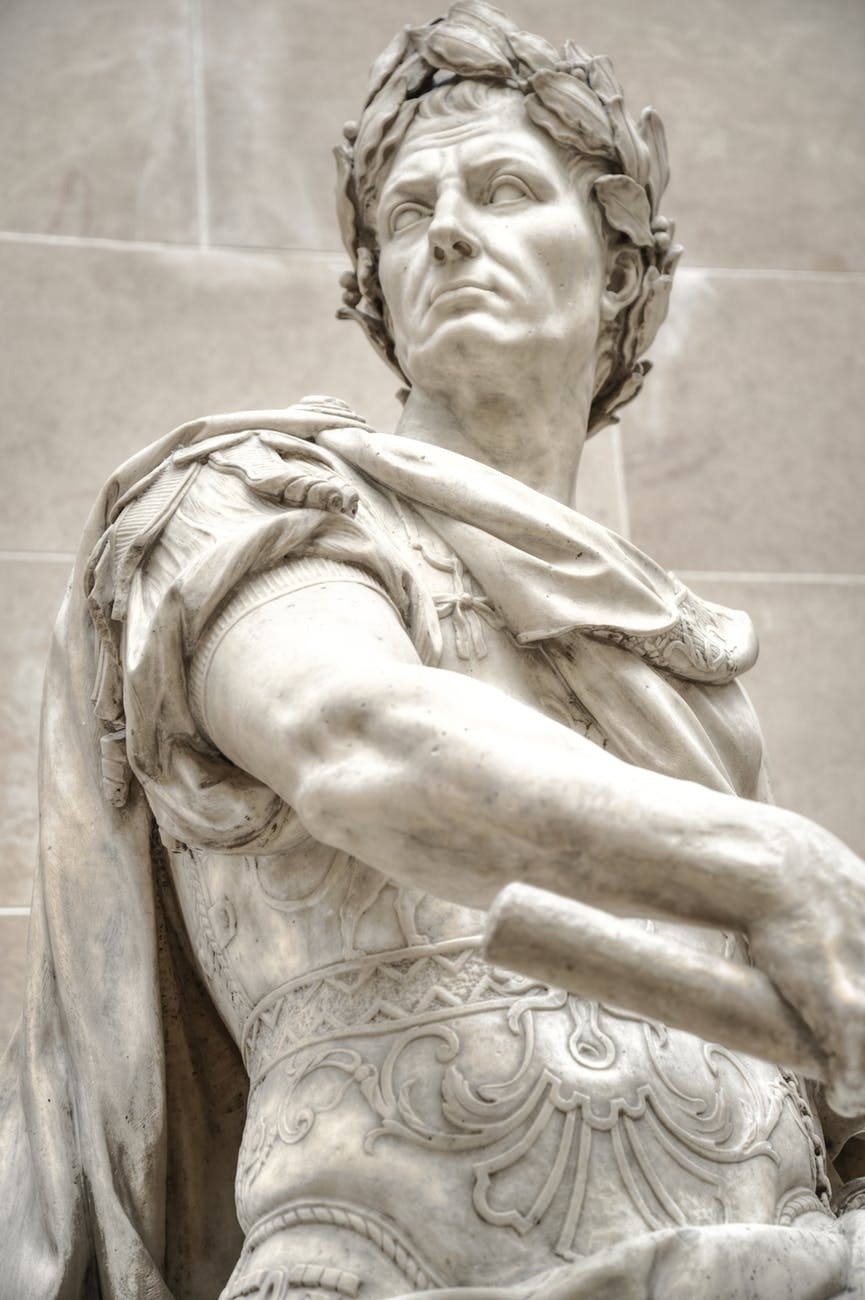
The provincial borders came to be defined by Hadrian’s Wall in the north, created in the early 2nd century AD, and then quite fleetingly by the Antonine Wall in the Scottish midlands.
Boudicca had attempted to destroy the Roman power in the land with her rebellion of 60 – 61AD, but it ultimately failed, although it was a clear sign that Britons were not so easily assimilated into the empire, nor keen on the notion of being ruled by a distant dictator.
By the late 4th century, however, several legions had already been withdrawn, leaving the province more open to attack from the Picts to the north and by Germanic raiders, the Anglo Saxons, along the eastern and southern seaboard.
By 410 AD the situation had got so serious that British leaders requested help from the then Roman emperor Honorius. However, due to his ongoing struggles nearer home in Italy and the western empire in general, trying to repulse invasions by other Germanic tribes, he sent his ‘Rescript of Honorius’ back to the Britons, basically telling them that they had to look after themselves, because he was in no position to do so.
Although subsequent Roman leaders probably wanted to re-establish proper links to this far flung province, they never did because the empire in the west was slowly falling apart, finally ending in 476 AD.
So Britain, or at least most of it, had been under Roman rule for over 350 years, a significant time. Now it was cast adrift and largely at the mercy of invasions from the east and north.
The Romano British warlords, ‘King’ Arthur quite likely being one of them, did their best to defend the country. However, gradually, as more Angles, Saxons and Jutes (and others) who had been living to the north of the empire, settled over the next two centuries, the foundations of the country we now call England began to take hold, in the form of petty kingdoms ruled by Germanic warlord aristocrats.
Of course, we can’t compare this history too much to what is happening now. For one thing, the Romans left Britain, whereas today’s Brexit is the other way round, Britain leaving the EU, allegedly. And then there’s the duration factor too. For example, the United Kingdom has only been in the Common Market/European Economic Union/European Union since January 1 1973 – not 350 years.
And of course, the Roman takeover was largely hostile, whereas Britain’s deferring of powers to the EU has been granted peaceably, albeit foolishly according to a growing number of British patriots.
Nevertheless, it is an interesting comparison and another example of the island of Great Britain being a part of Europe but always likely to be either less well thought of by central Europeans, abandoned, forgotten, or even seeking to go its own way, looking beyond with an independent spirit.
One can imagine the uneasy feeling of the people of Britain 1600 years ago, knowing that the protection they had known for so long had been withdrawn.
Do those who want to remain in the EU today feel the same? And do Brexiteers, like some of the populace back at the end of Roman Britain, feel more of a sense of opportunity, the chance to create something freer?
copyright Francis Barker 2019

copyright Francis Barker 2019

copyright Francis Barker 2019

copyright Francis Barker 2019

