No one likes the truth
Like a bitter enemy
Truth nevertheless
copyright Francis Barker 2020
copyright Francis Barker 2020

Place names, particularly English place names can be pretty strange sometimes, testimony to all the tribes who have invaded this fair isle over the millennia.
Take Lincoln, capital city of Lincolnshire in eastern England, for example. The name that has come down us is composed of two elements, one Celtic or Ancient British, the other Roman.
Lyn or Lindum means a settlement near a pool, in this case what we now call the Brayford Pool, where the university is situated. King’s Lynn in Norfolk probably refers to a pool also.
Then the last element, coln… what is that? It’s a condensed version of the Roman word Colonia, which were settlements dotted throughout the empire where retired soldiers would go to live – Lincoln being one them. So the full Roman or latin name would have been Lindum Colonia. In later times the name got shortened to its present form.
There are other examples too, of course, the most famous one being Koln in Germany, usually referred to as Cologne in English and French.
Very often a place name can tell you quite a lot about the origin of the settlement and can make travelling and map reading so fascinating.
copyright Francis Barker 2020
copyright Francis Barker 2019

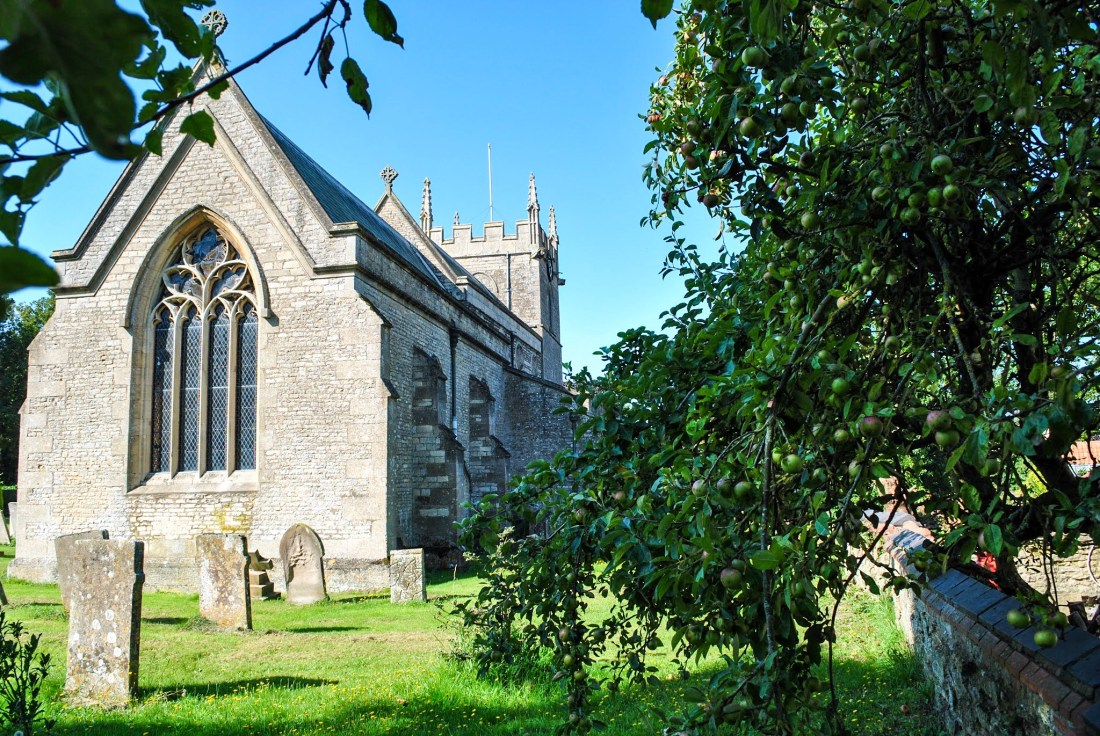
Interestingly, in Shakespeare’s play King John, Swinstead is mentioned several times, maybe in mistake for Swineshead, where King John is thought to have visited on his last journey, before he died at Newark in Nottinghamshire.

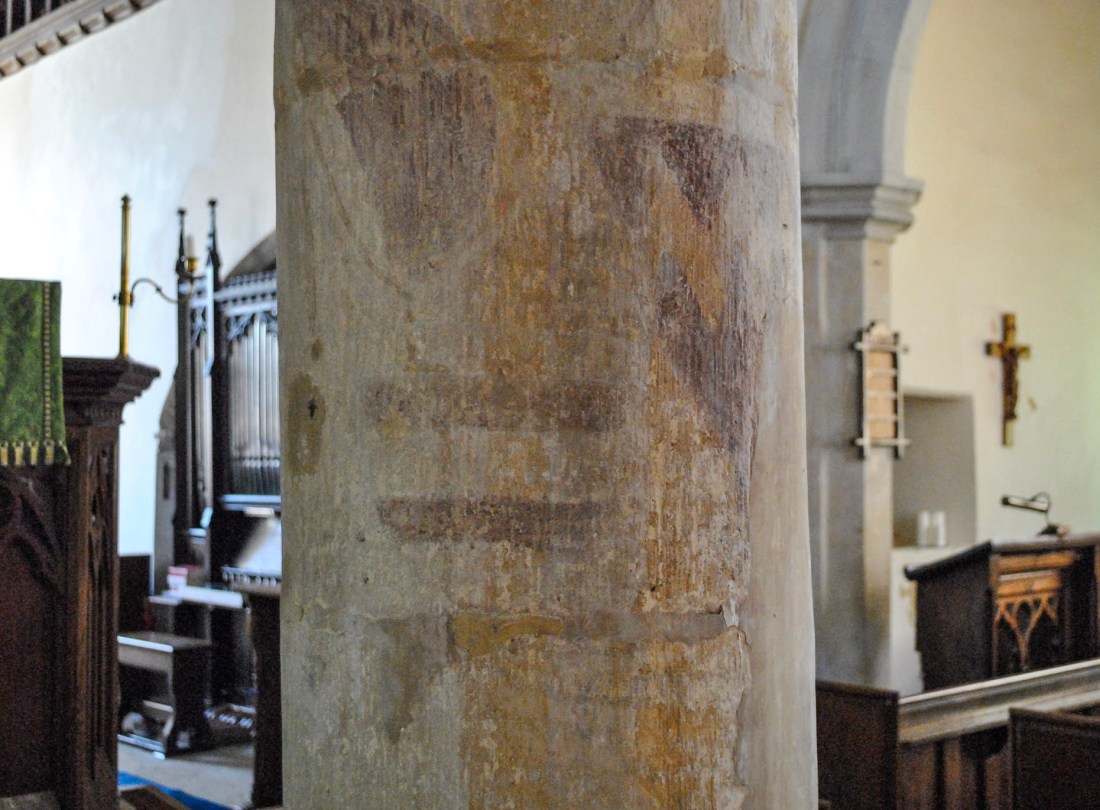
Like nearby Corby Glen church, there are some examples of medieval wall art.
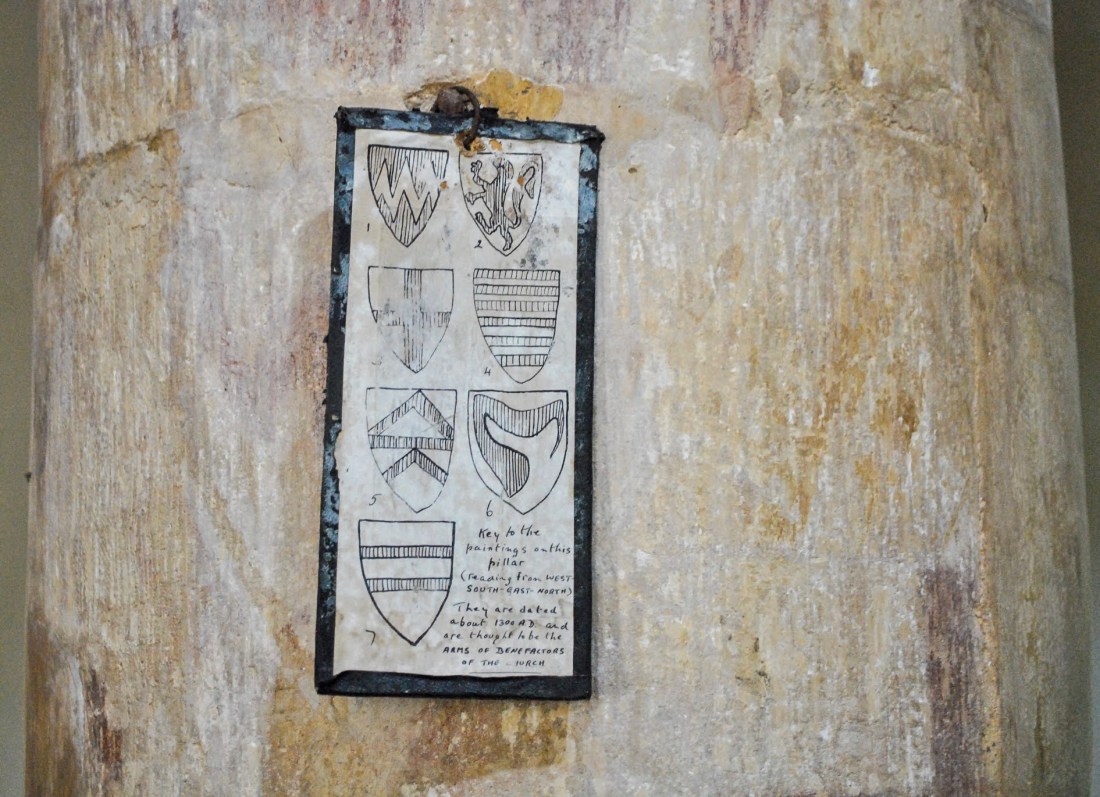
There is an explanation for the symbols incorporated into the wall art.
copyright words and photos Francis Barker 2019
 Ciscography