
Catch the aurora
I ask what it’s all about
The hub of wonder
copyright Leofwine Tanner 2019
copyright Leofwine Tanner 2019

Nevertheless, a short study of his life reveals how key he was, not only in supporting Georges Seurat, founder of pointillism, and helping Henri Matisse develop and grow beyond Fauvism, but also in establishing ideas in art theory and encouraging communist anarchism, which was very much a supporting philosophy, opening up so-called artistic freedom.
He was also a great collaborator and supporter of fellow artists, and became a long time president of the Société des Artistes Indépendants.
Although he originally trained as an architect, he began to paint seriously after seeing Monet’s work.
Signac adored the sea, not just painting it, but being on it, a part of it, sailing around the coasts of Europe, drawing and sketching, to bring ideas back to the studio. Eventually he settled by the sea at St. Tropez.
Intrigued by Seurat’s revolutionary pointillism, he became a supporter and developed the technique himself, which in his hands further developed later into larger squares of colour, as opposed to small dots.
In time he became president of the Salon des Independents, an important organisation of the time which set the standards for 20th century exhibitions, allowing more freedom for the artist.
He also knew Van Gogh and worked with him for a time and wrote extensively on the theory of art, with much of his output remaining unpublished.
So what about his birth chart? Well, he has Aries rising, quite fitting for his pioneering attitude. He also has Neptune quite close to his ascending degree, also appropriate since he was so fond of the sea, almost spiritually attached to it. Neptune is quite often prominent in the charts of artists. The water element is also quite dominant in his chart as a whole.
Neptune is in opposition to Venus in Aquarius, another symbol of the feminine, which leads one to feel that this was often a source of unease in his life, particularly in regard to relationships, which might have been quite unusual and prone to mysterious endings.
What is most interesting in his chart though, is a very full house 8 in Scorpio. Here we have his ruler, Mars conjunct Mercury and Jupiter and the Sun and Moon together later in that house.
His ruler here will add greater intensive energy; his systematic approach to art, like sailing around the European coasts for the purpose of painting, is an example of this.
Mars close to Mercury and Jupiter, gives him a deeply penetrating, inwardly expansive mentality, which as we have seen, correlates well to his writings about art theory and his strong interest in political movements like anarchistic communism.
Indeed, this house 8 activity, including of course his Sun and Moon, suggests a strong interest in and attachment to others and their establishment of security, and in the deeper, more secretive aspects of life, like death, regeneration, existence itself.
It is this ‘do or die’ outlook which could have led to the interest in more fundamental theorising politically and philosophically. It also points to the fact that he was a very loyal friend and collaborator to other artists and helped to steer the movement along a more productive path.
What’s more, there is the opposition of Pluto in Taurus in house 2 to house 8 Mercury, Mars and Jupiter.
Here we can see fully underlined the undermining attitude he had towards the status quo through his interest in anarchistic communism. He wanted to change things for the better, but believed that only fundamental, even drastic political change could bring that about, even at the potential cost of his own security.
Considering all this Scorpio and house 8 activity, it is perhaps not surprising that Paul Signac is not necessarily one of the better known artists of his time. Yet, he was nevertheless a prime mover behind the scenes.
copyright Leofwine Tanner 2019

Consecrated in the late 13th century, the present parish church was built across the other side of the river Welland from the already established priory.

The parish church took the same holy appellation as the Priory of Saint Mary and Saint Nicolas, a substantial monastery of French patronage, until the beginning of The Hundred Years War with France in the 14th century.
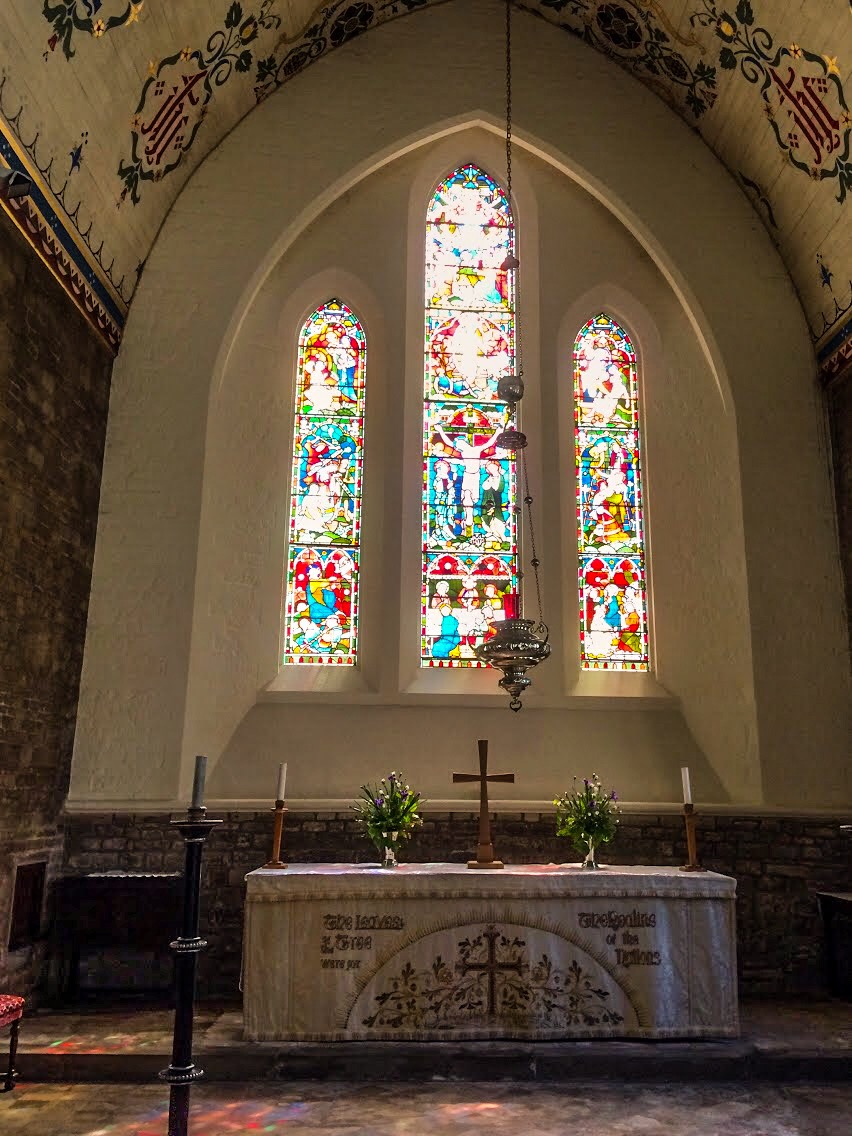

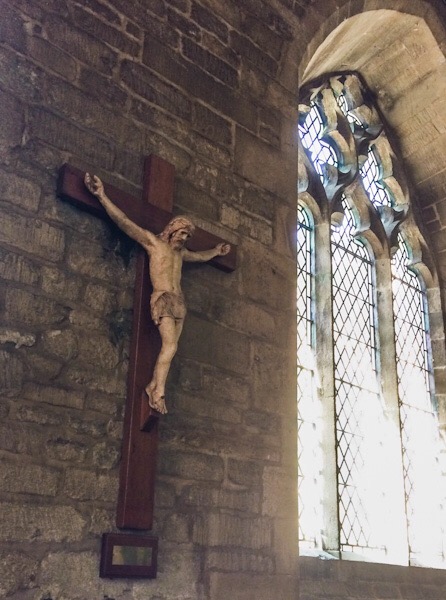
Inside the church dedicated to Saints Mary and Nicolas in Spalding, Lincolnshire.
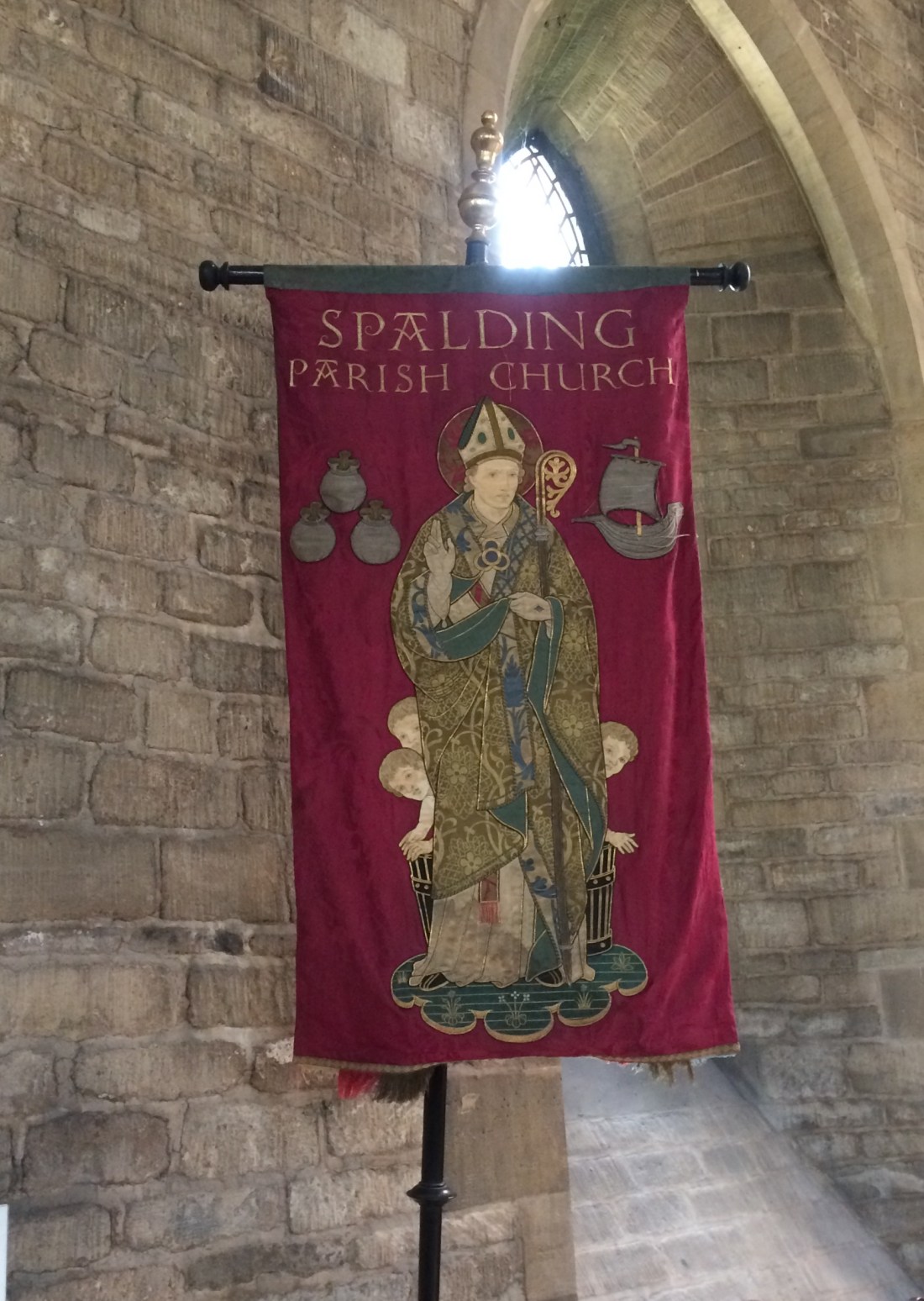
It has one of the most stunning interiors in the whole county.
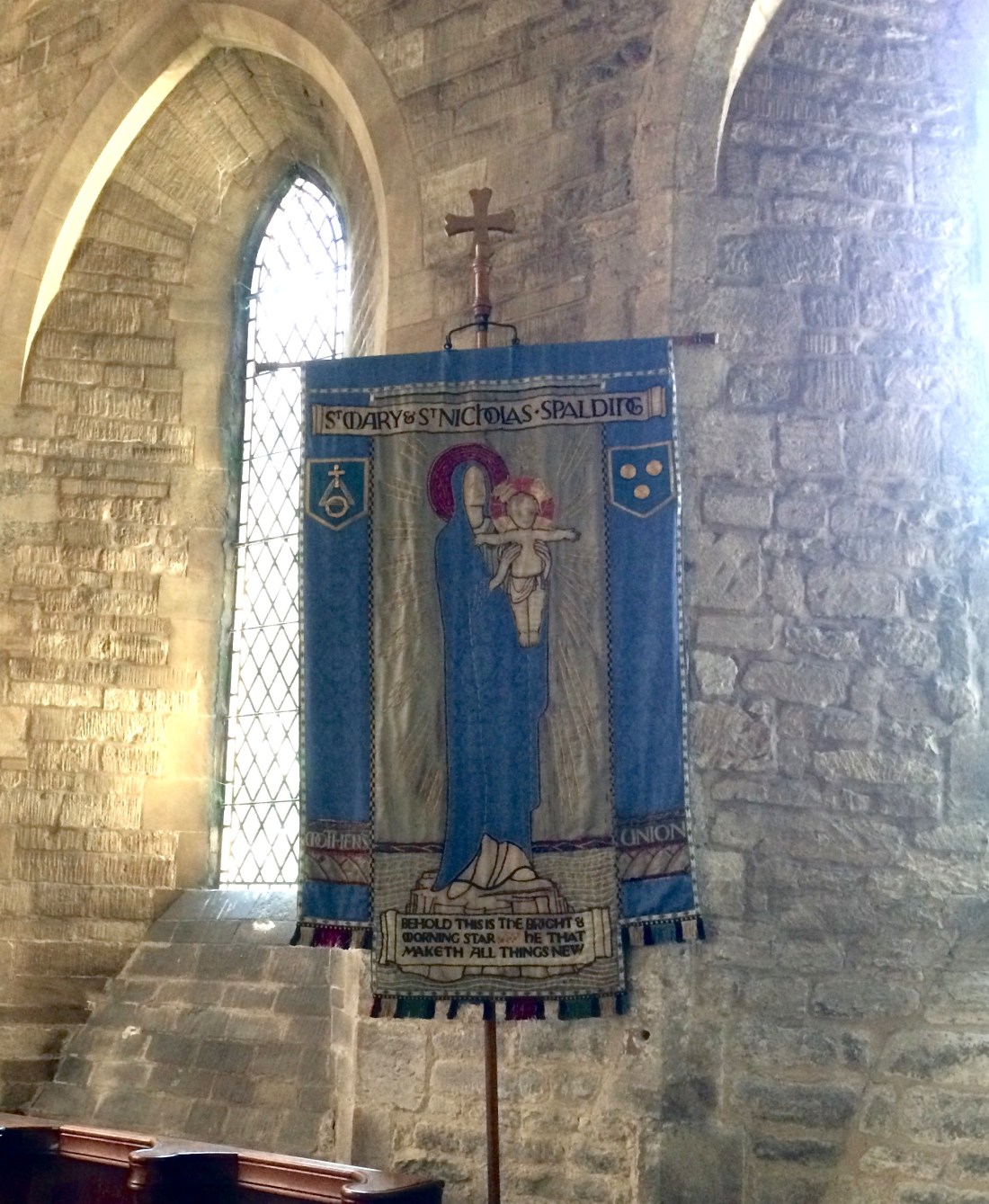
And some beautifully made traditional banners.
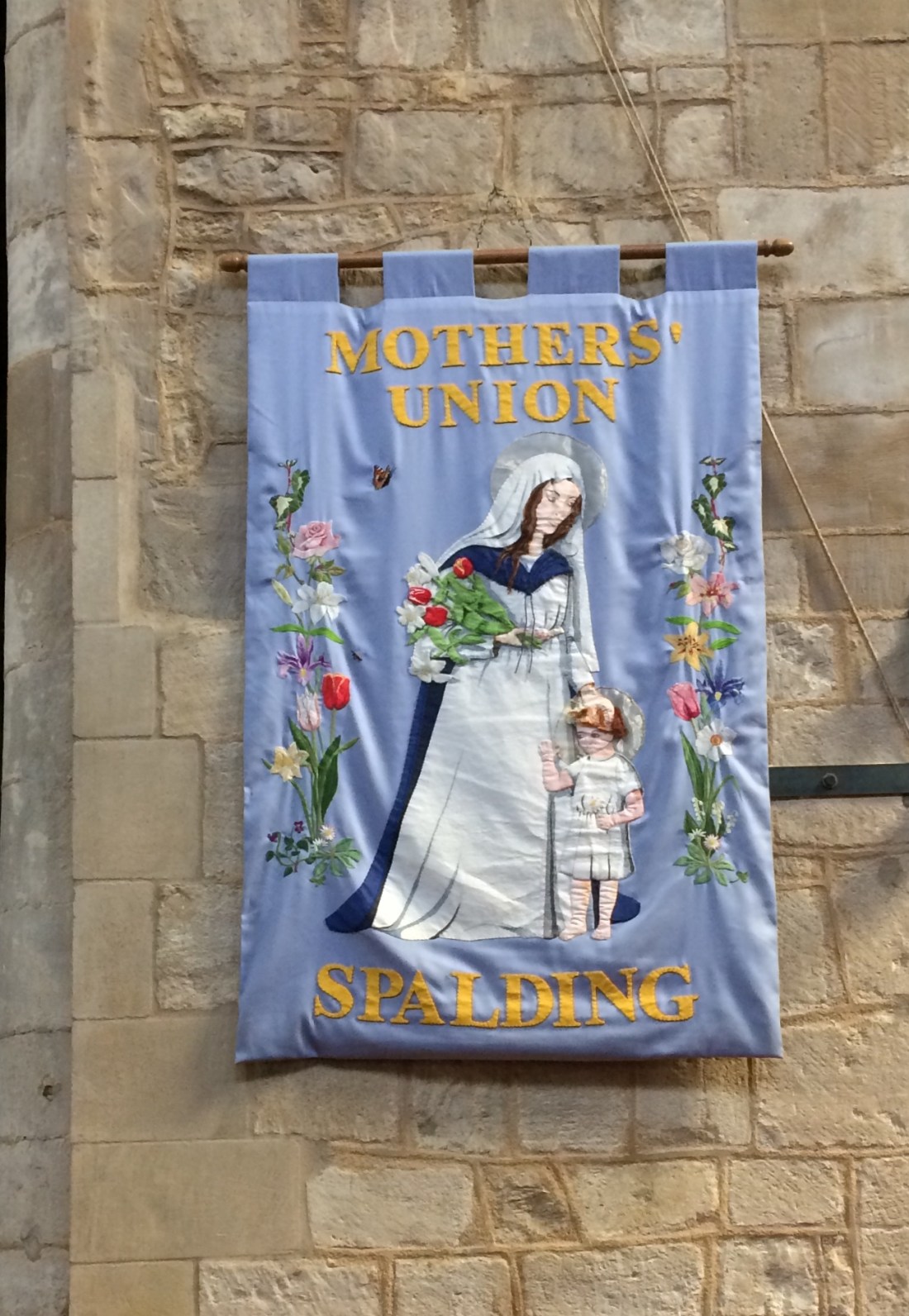
copyright Leofwine Tanner 2019

It dates back to medieval times, when the River Welland split into two at this point, reputedly, necessitating the building of this structure. The river now flows elsewhere beyond the town.
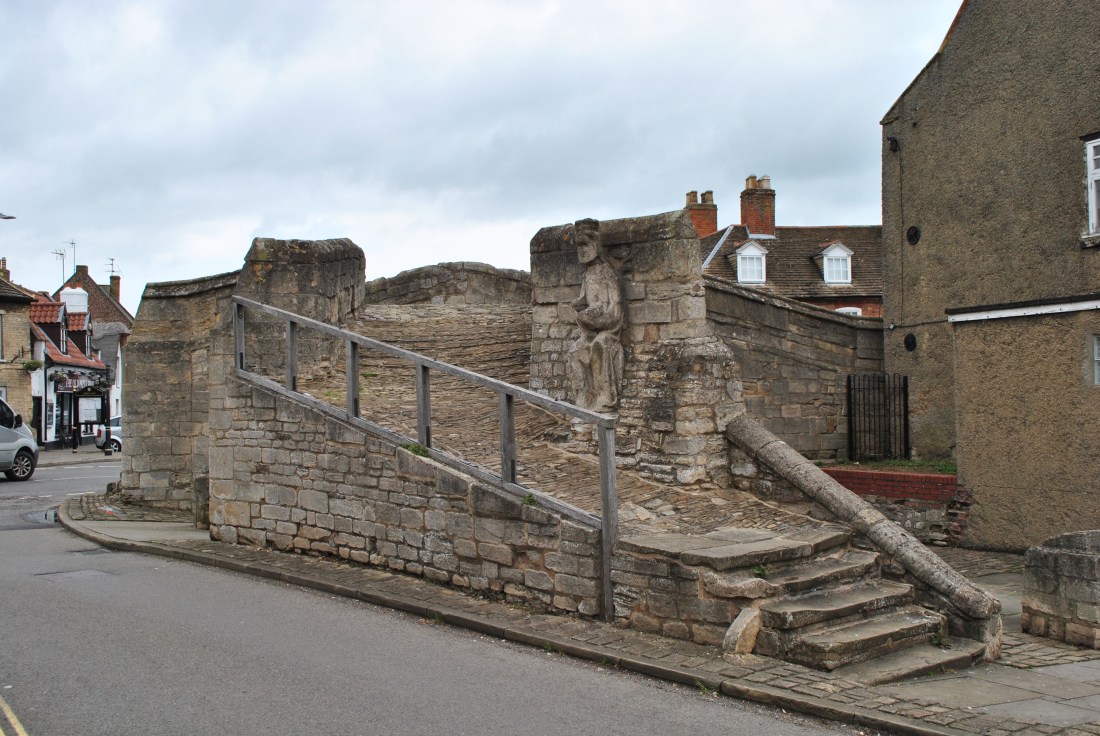

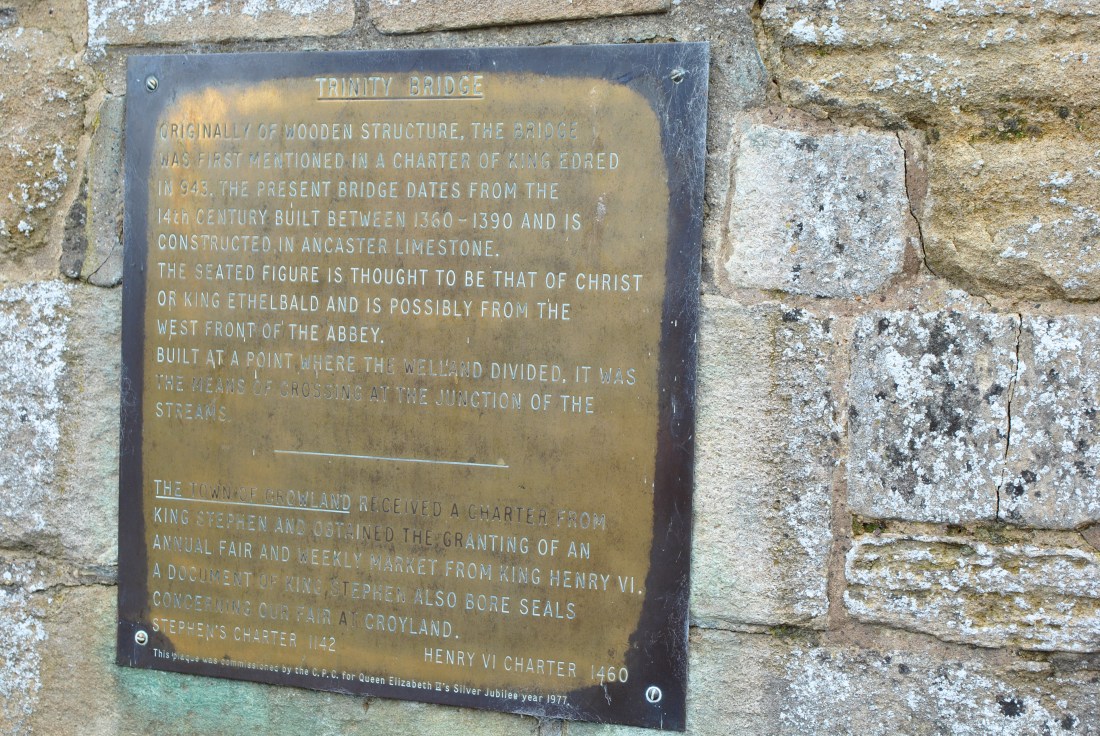
copyright Leofwine Tanner 2019
 Ciscography