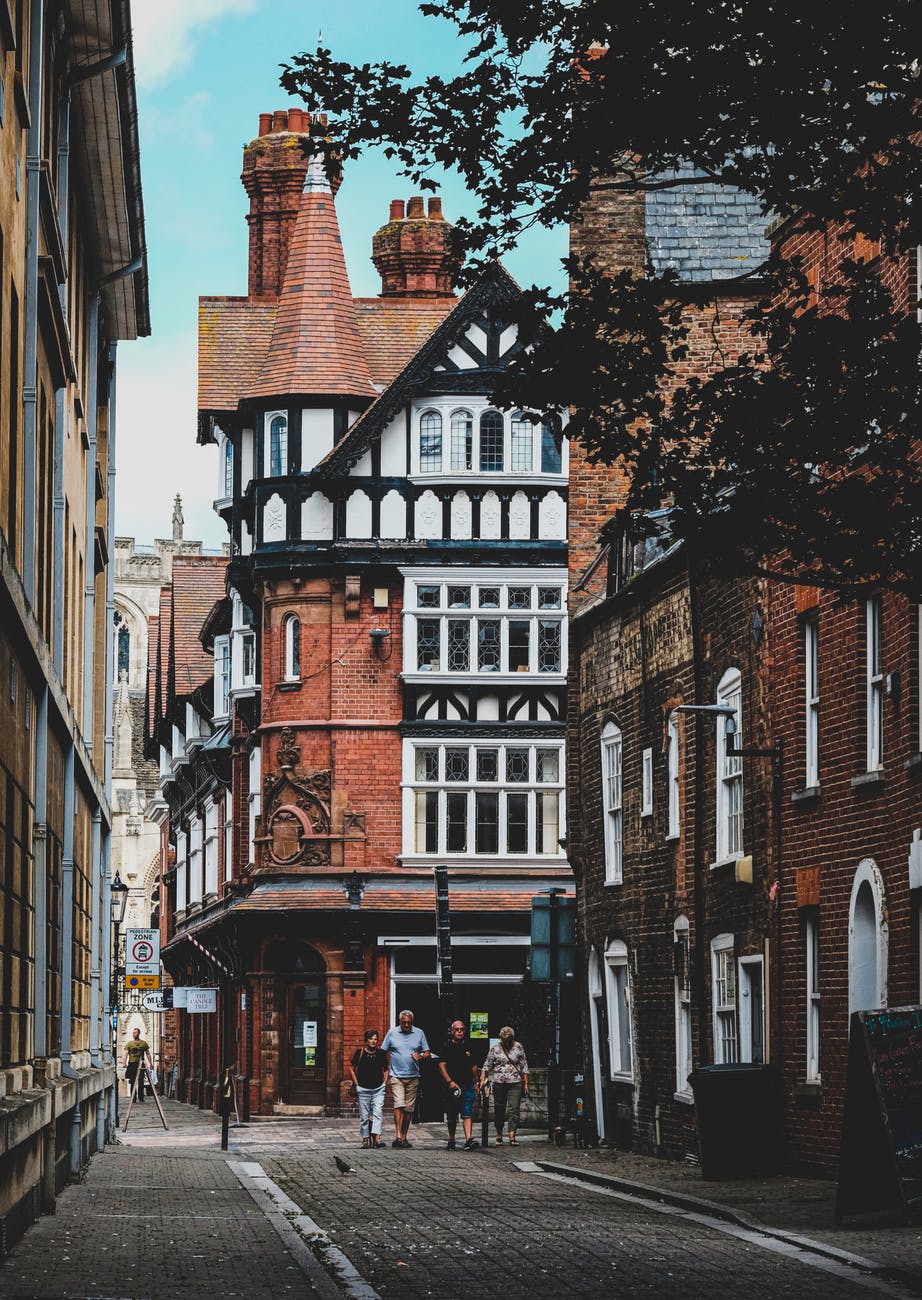
Town centres and high streets in England have been in decline for some time, yet action by local and central government has been slow, inconsistent and at times non-existent.
Now, at last, it would appear some concerted action is being organised.
What is puzzling is that is has been clear for some time that the odds are stacked against town centres. Three factors should have been recognised and addressed over a decade ago:
The growth of out of town shopping malls has detracted from the town centres.
The internet has discouraged people from visiting shops so often and certain shops have been slow to develop their own websites which could actually boost their trade if applied intelligently.
Business rates are invariably too high.
Until the government seriously addresses all these issues, English town centres will continue to experience a slow decline and eventual death.
In a time where we would appear to be experiencing ever more unusual weather and strange atmospheric phenomena, this story grabbed my attention more than others.
I have to confess I have never heard of the ‘foehn effect’, nor do I admit to understanding it having now digested the information, yet when temperatures in northern Scotland briefly reach nearly 17 degrees C overnight, it makes you pause over your morning coffee. And this at a time of year when the average overnight temperature is around freezing point.
My only ‘experience’ of such unusually warm winter weather was when I was a baby, according to my late mother.
Apparently, it was warm enough one dark January evening for her to sit by the riverside in her short sleeves whilst watching me in a pram. Even if such memories did distort the truth over time, I saw no reason to disbelieve her.
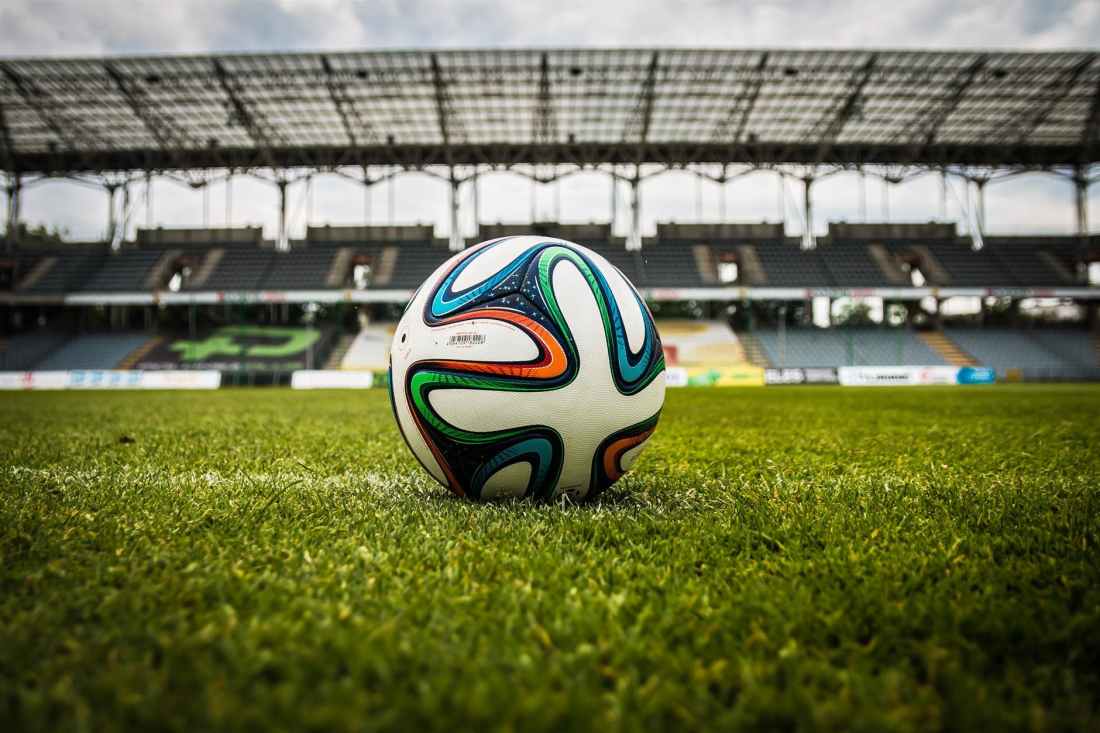
Since the inception of the English Premier League in the 1992-3 season, there have been only a handful of teams who have ever won it: Manchester United, Blackburn, Arsenal, Chelsea, Manchester City, Leicester City – a quite remarkable statistic.
Considering the dominance of Liverpool in the 1970s and 80s it has been surprising that this famous club has not yet had its name engraved on the Premier League Trophy.
However, that drought is almost certainly about to be quenched by what I regard as the greatest team to have ever graced this most difficult league, Jurgen Klopp’s irresistible Liverpool side.
The transformation that the charismatic German manager has achieved is utterly remarkable. He arrived a few years ago with a peerless CV. Here is the man who managed turn Borussia Dortmund into a German giant with the capability of rivalling and beating the mighty Bayern Munich in a style of football which is both skillful and totally uncompromising, relying on the highest possible fitness levels. The drive and relentless posivity which Klopp has infused to every team he has managed, has brought the greatest rewards with Liverpool, earning them a Champions League trophy and World Club Cup Championship in 2019.
The Premier League is the greatest goal
Nevertheless, I think it’s fair to say that the greatest prize Liverpool are seeking is the English Premiership Title. The last time the club finished at the pinnacle of the English game was in 1990, nearly 30 years ago.
What’s more, a Premier League trophy in 2020 would also take Liverpool’s tally of top flight championships to 19, just one behind their bitter arch rivals, Manchester United, a fact which is bound to stir the North West giant into seeking their own renaissance over the next few years.
The only question remaining for this season is not who might win the Premier League, but rather if Liverpool can go unbeaten the whole season and beat Manchester City’s tally of 100 points from 2017. The way Liverpool are playing I wouldn’t bet against either of these.
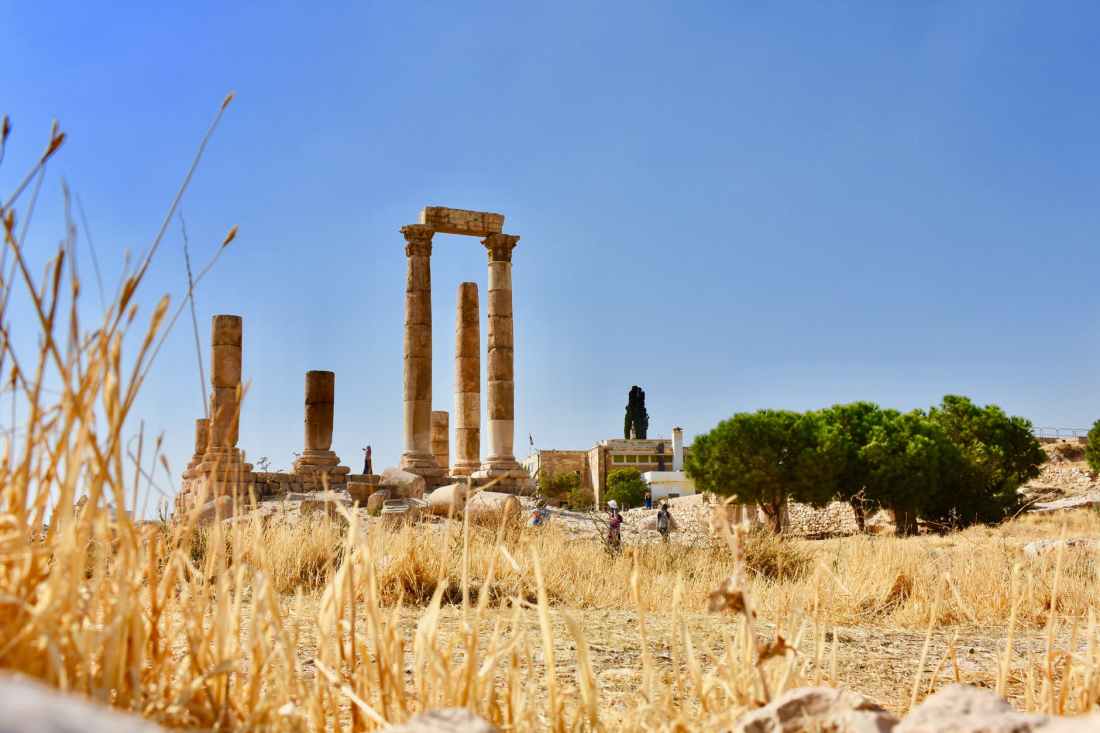
The first serious encounter of the Second Punic War ended in a decisive victory for Hannibal and his Carthaginian army at Trebia in northern Italy in 218 BC. Whilst the Carthaginian losses were relatively few, the Romans sustained massive casualties, quite possibly losing up to three quarters of their 40,000 strong army.
Although Hannibal was to ultimately fail in defeating the Romans in the long term, he came very close to succeeding. The Punic Wars were all about who controlled the Mediterranean and beyond. In the early years the Carthaginians were masters of the region, with settlements in Sicily and Spain, as well as their burgeoning homeland in north Africa.
When Rome began to flex its muscles and seriously rival the Carthaginians during the third century BC, war was inevitable. Hannibal famously took the war to the Romans with an incredible invasion with a massive elephant led army through the Alps and into Italy, an audacious attempt to finish off the Romans once and for all. It nearly came off – but not quite.
Eventually, as the Romans later got the upper hand, they were to literally wipe Carthage off the map in one of the most heinous acts of revenge ever seen.

 Ciscography