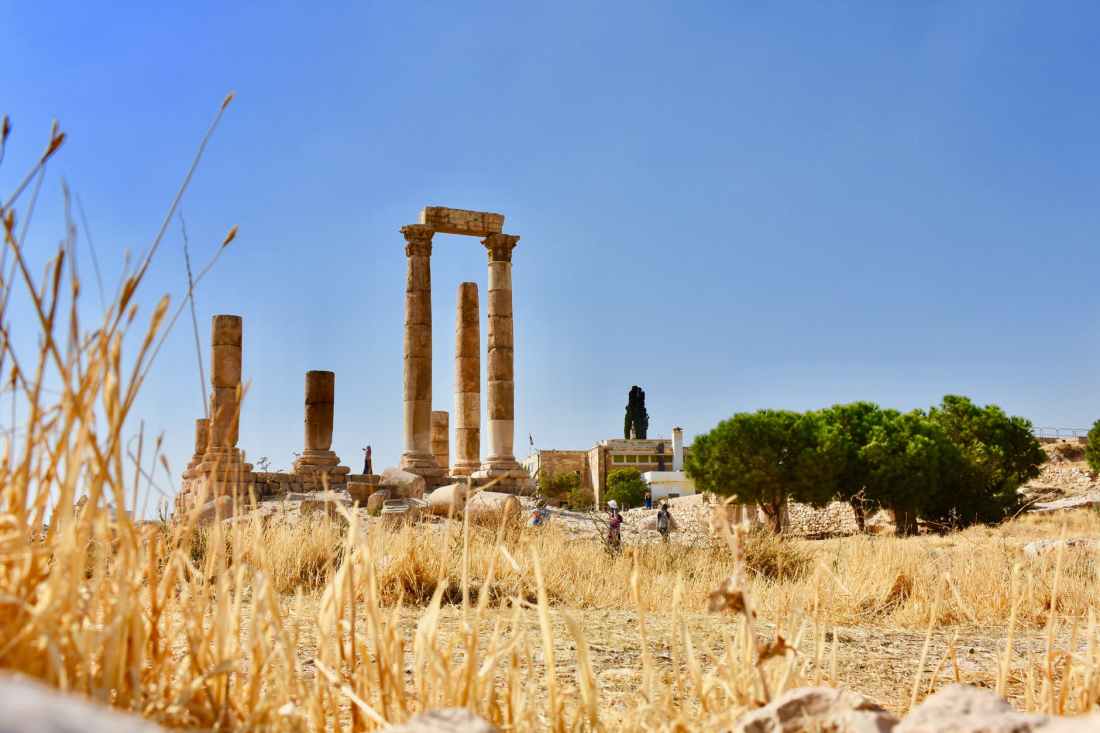
I remember years as dark as this,
in rooms overlooking that old racecourse,
a world in slow decay
like mental states and empty plates,
days with nothing to do but sit and stare
or walk the drab streets
like a plodding hobo in search of a meal.
More than forty years fly by
but how little has changed.
The same weary mind
perceives this empty life,
these unknown vistas
funnelled into one cul de sac
The first serious encounter of the Second Punic War ended in a decisive victory for Hannibal and his Carthaginian army at Trebia in northern Italy in 218 BC. Whilst the Carthaginian losses were relatively few, the Romans sustained massive casualties, quite possibly losing up to three quarters of their 40,000 strong army.
Although Hannibal was to ultimately fail in defeating the Romans in the long term, he came very close to succeeding. The Punic Wars were all about who controlled the Mediterranean and beyond. In the early years the Carthaginians were masters of the region, with settlements in Sicily and Spain, as well as their burgeoning homeland in north Africa.
When Rome began to flex its muscles and seriously rival the Carthaginians during the third century BC, war was inevitable. Hannibal famously took the war to the Romans with an incredible invasion with a massive elephant led army through the Alps and into Italy, an audacious attempt to finish off the Romans once and for all. It nearly came off – but not quite.
Eventually, as the Romans later got the upper hand, they were to literally wipe Carthage off the map in one of the most heinous acts of revenge ever seen.