Beautiful Medieval Wall Art, Castor Church, near Peterborough, England

DSC_0021 (1).JPG

We recently visited the beautiful church of Saint Kyneburgha, near Peterborough in the English midlands.

The church stands beautifully on a hill, on the site of an old Roman settlement and palace.

In fact, the name of Castor is derived directly from the Roman/Latin name for a fort or castle. This village is situated near to an important Roman settlement called Durobrivae, or Water Newton in Egnlish, just a few miles west of present day city of Peterborough.

DSC_0032 (2)

The church is noted for its surviving medieval wall art. Before the Reformation in the 16th century, all churches had such wall art, which was then whitewashed over. More recently, as in this example above, some of these illustrations have been revealed during restoration.

DSC_0041 (1)

DSC_0029

DSC_0036 (1)

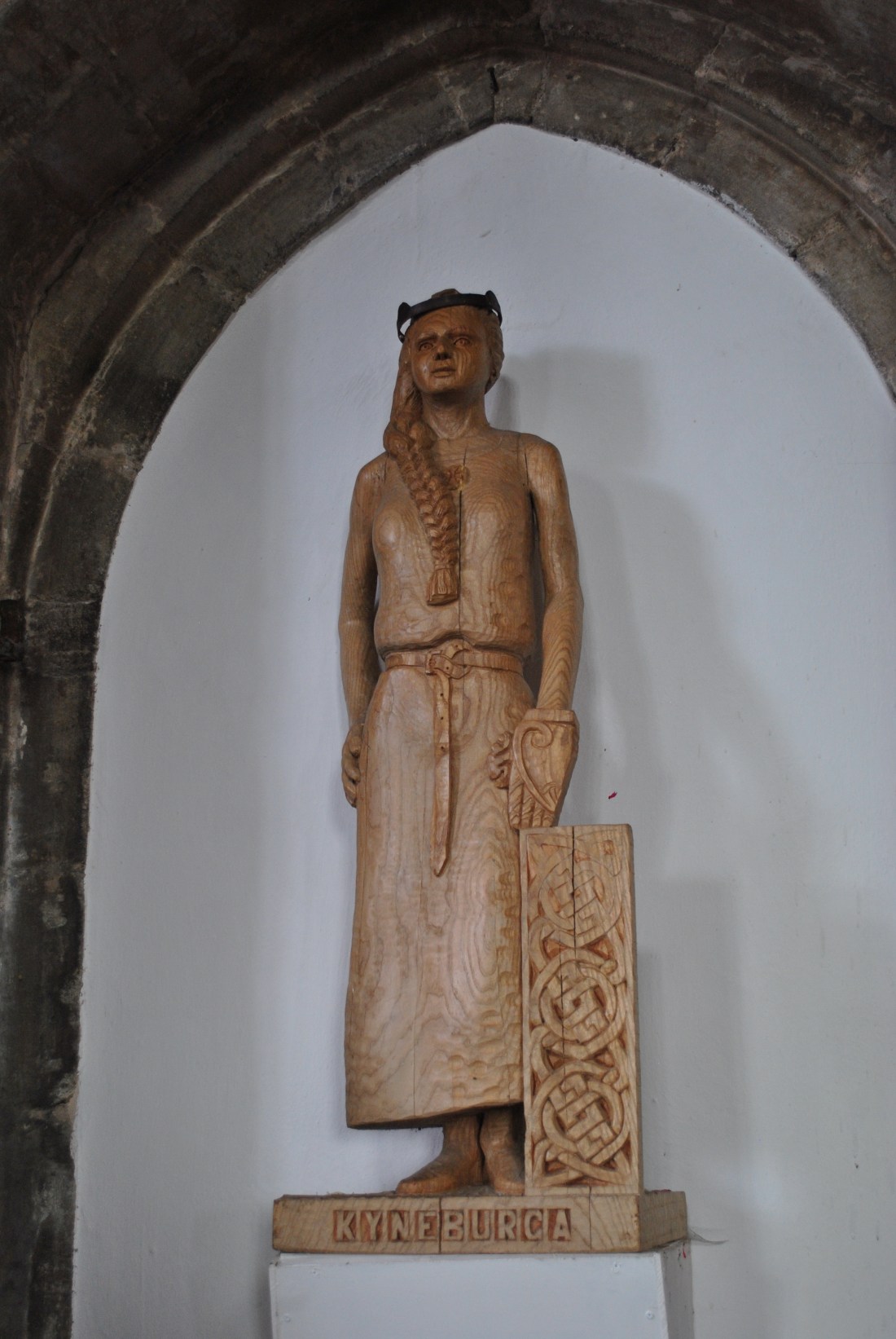
Castor church’s appellation is Saint Kyneburgha, who was the daughter of King Penda of Mercia, the last pagan king of that English kingdom in the midlands.

copyright Francis Barker 2019

Glorious English Churches: Images of Spalding, Lincolnshire. Part 2

IMG_1421

Consecrated in the late 13th century, the present parish church was built across the other side of the river Welland from the already established priory.

9ABB34F8-EACD-4CEC-BD99-8F89AA039D05

The parish church took the same holy appellation as the Priory of Saint Mary and Saint Nicolas, a substantial monastery of French patronage, until the beginning of The Hundred Years War with France in the 14th century.

60203AD3-5E63-4CC9-93CD-602E0AFF413B

28DEC5C2-A1F7-47D2-AA99-BA75D1AD6915

Churches: Images of Spalding Parish Church, Lincolnshire. Part 1

53239137-7144-45AA-A51D-AD6617CF6B96

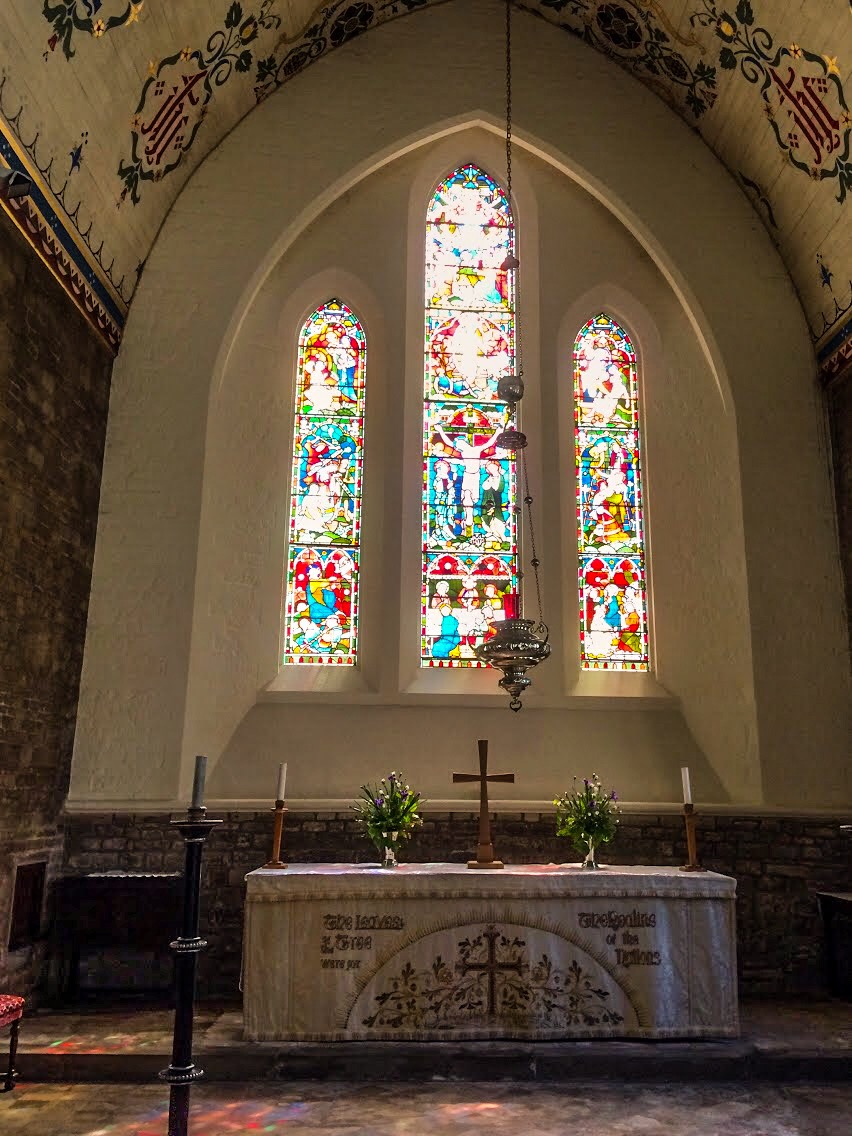
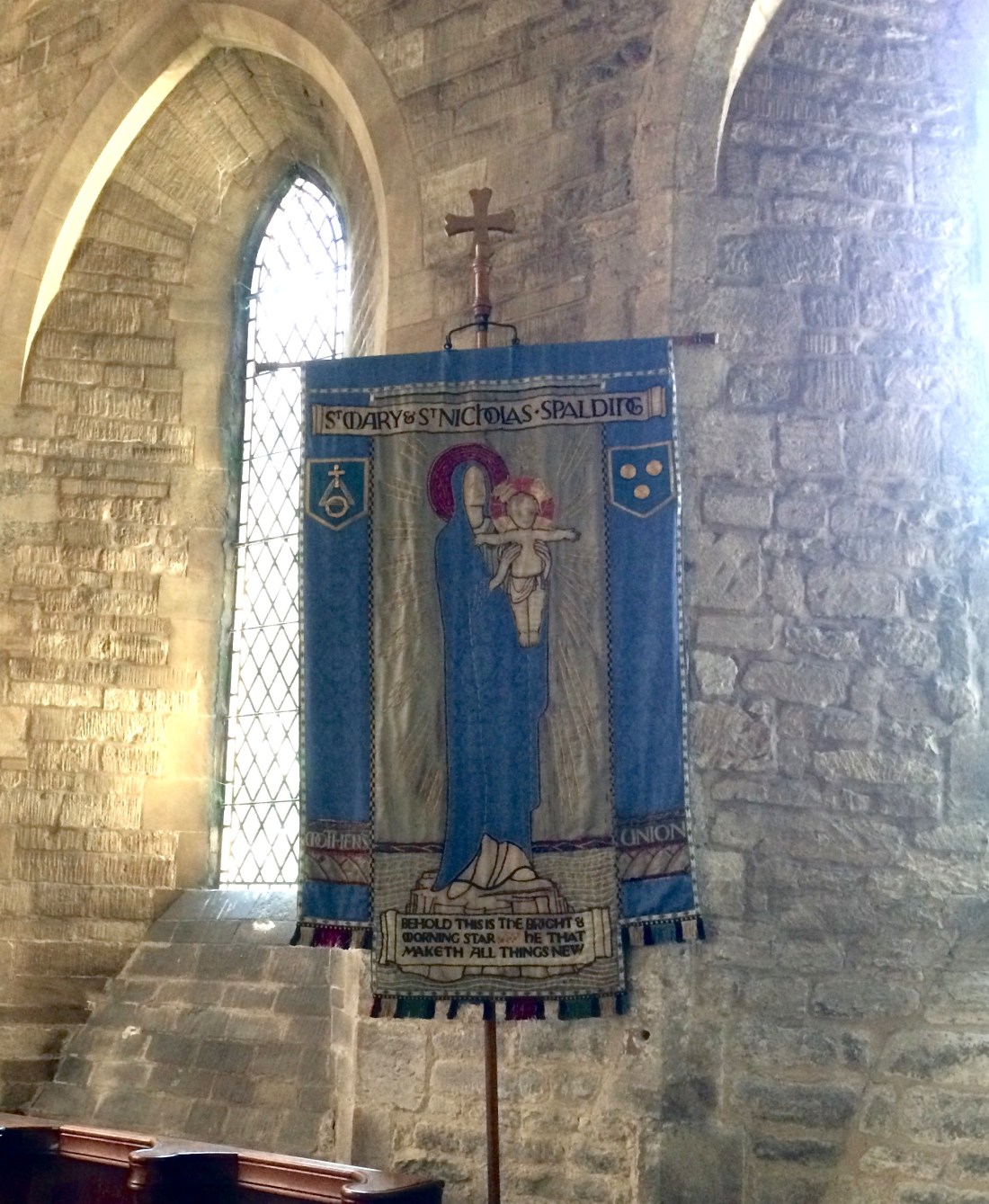
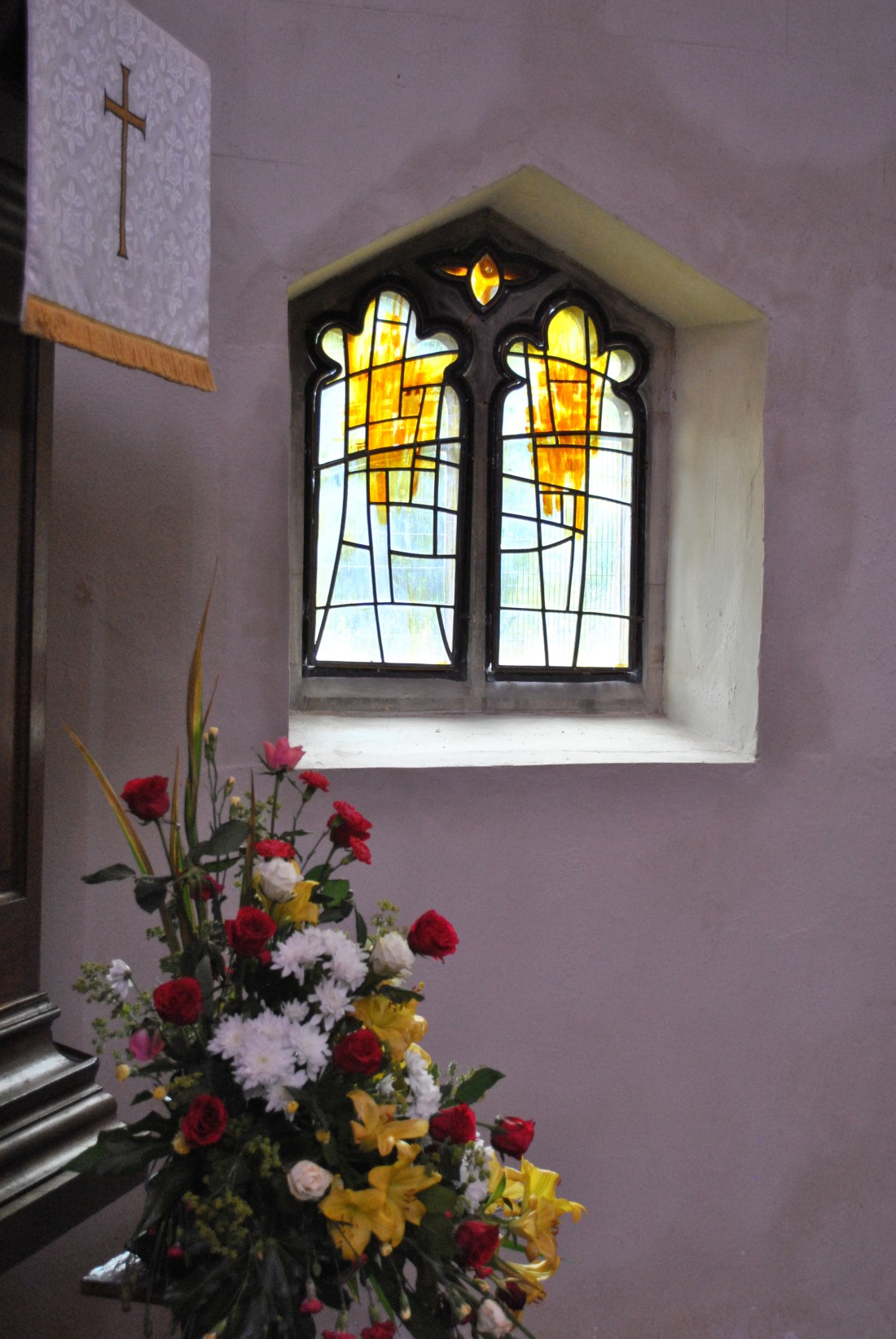
Inside the church dedicated to Saints Mary and Nicolas in Spalding, Lincolnshire.

IMG_1405

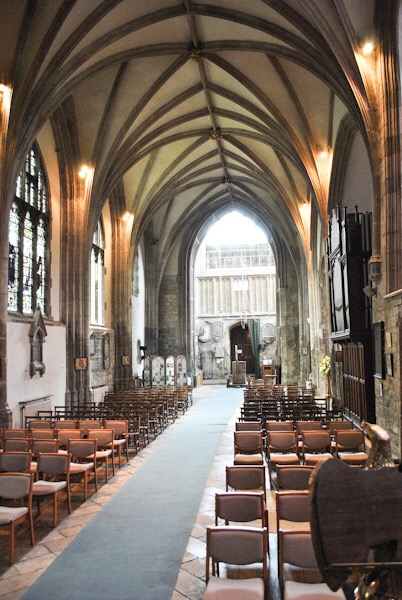
It has one of the most stunning interiors in the whole county.

IMG_1406 - Edited

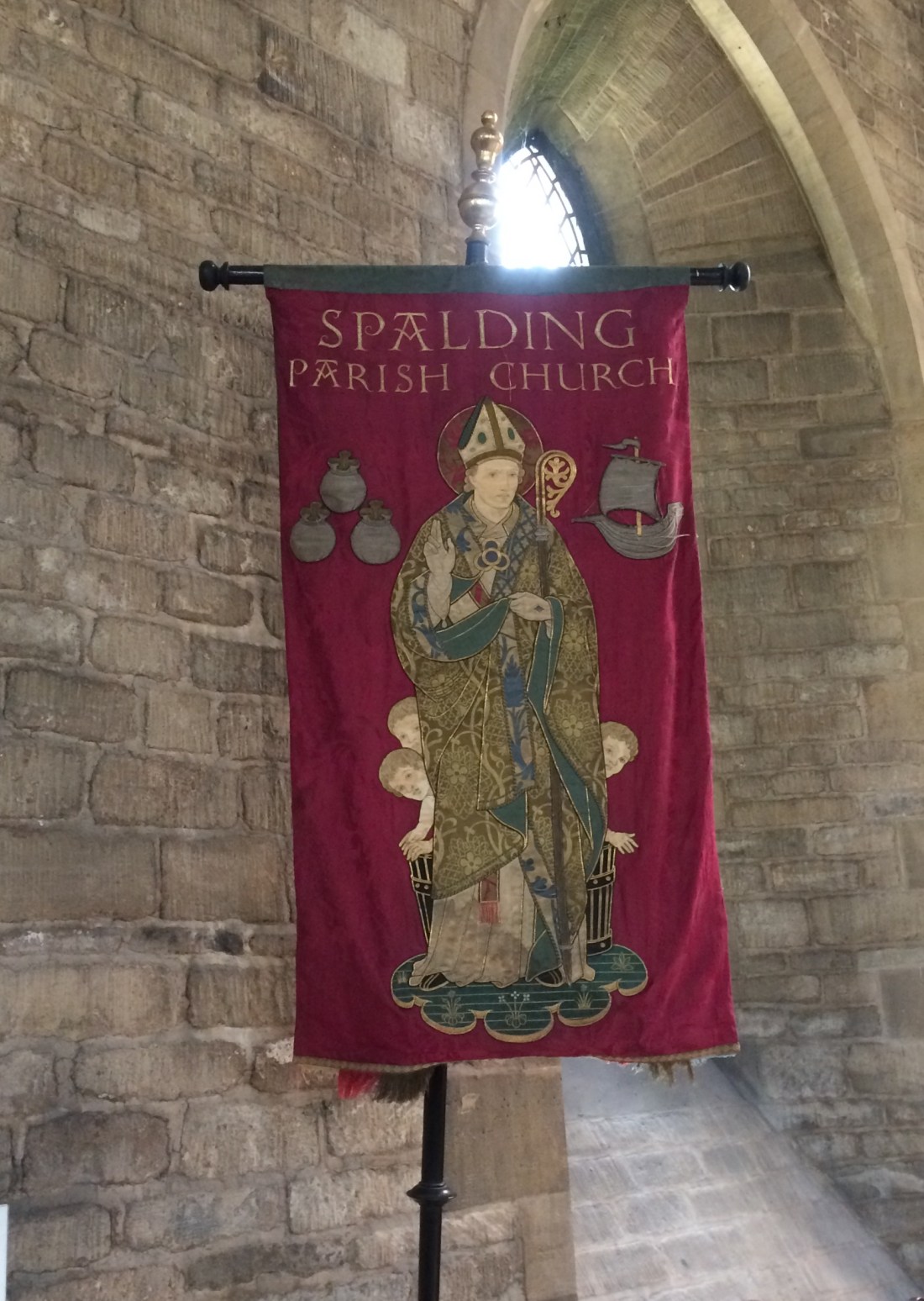
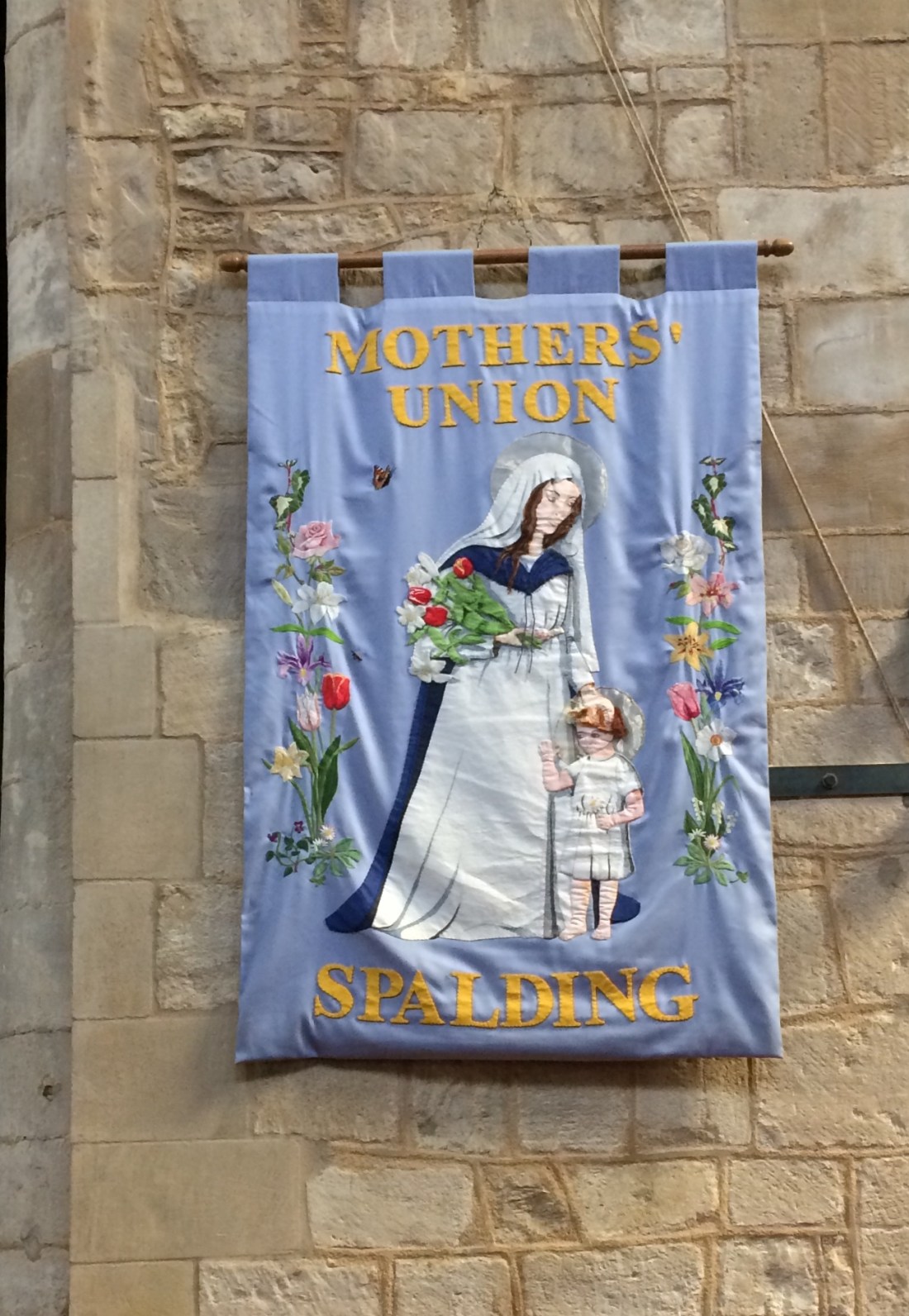
And some beautifully made traditional banners.

IMG_1401

copyright Leofwine Tanner 2019

A Lost World: Crowland Abbey, England Part 2

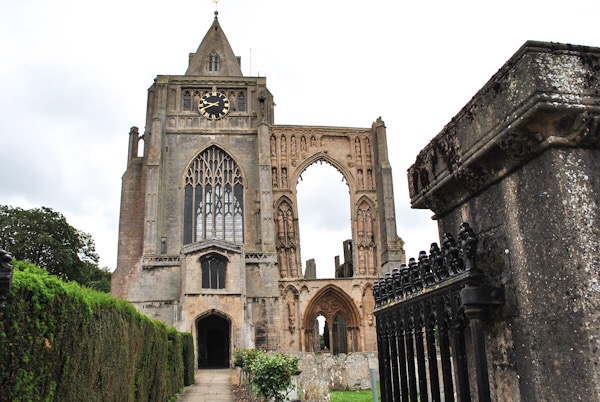
The ruins of Crowland Abbey lie in south Lincolnshire, England. 

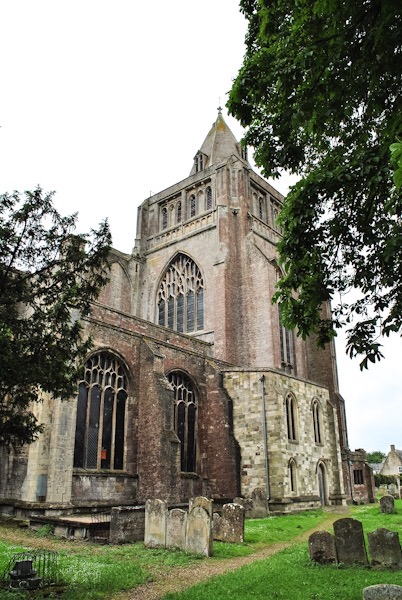
What was once the north aisle of the abbey had been adapted to make the present day parish church.

Croyland is the old name for the settlement.

DSC_0012 (1)
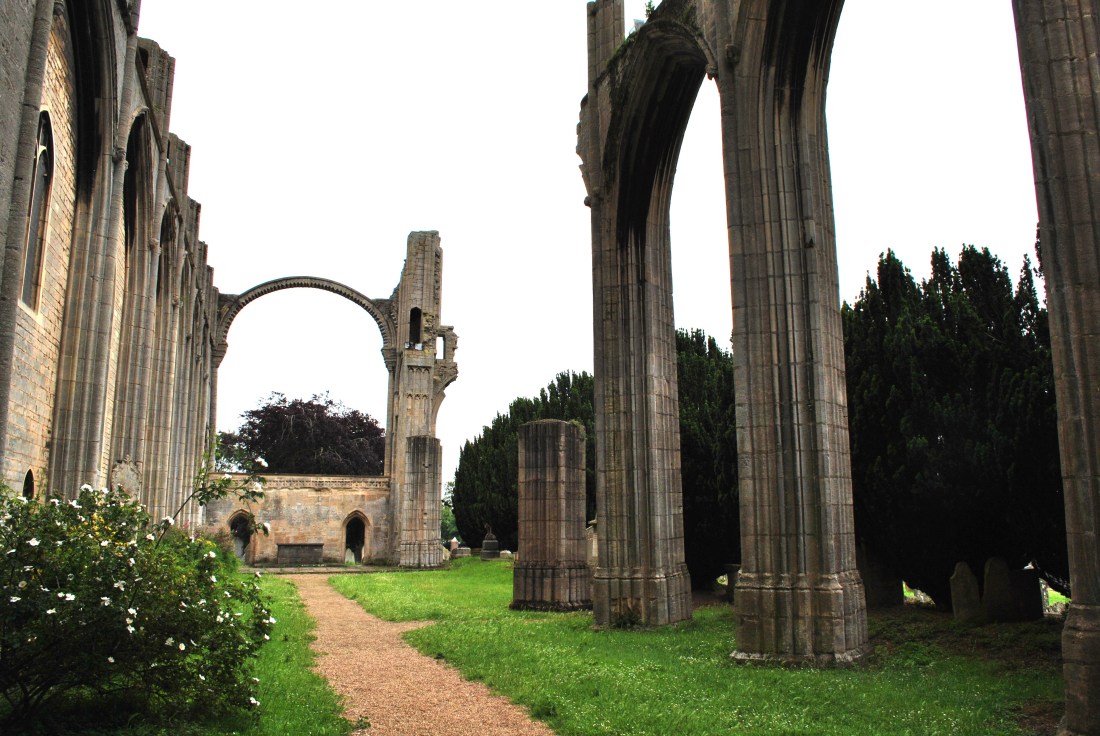
In the nave looking east.

dsc_0017-2.jpg

63363875-3D25-4FCA-9313-3277B1404260 (1)

DSC_0016 (2)

DSC_0014 (1)

DSC_0018 (1)

58CE8995-97ED-4BD3-972A-485217C4F286 (1)
Looking west from the chancel.

A Lost World: Crowland Abbey, England. Part 1

Crowland Abbey lies in the heart of the English fenland region, in the south of Lincolnshire.

3FE3A60B-E265-4DF1-A9F9-4497AE9A76C2

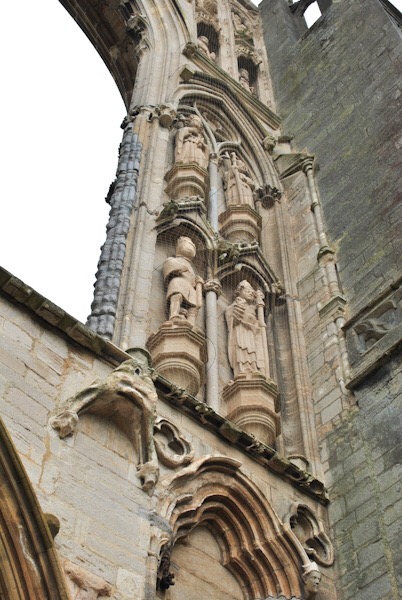
The abbey was one of the more prominent victims of Henry VIII’s and Thomas Cromwell’s Dissolution of Monasteries, an action which made England’s monarch immensely rich.

5CB4F891-17CC-4DB8-A048-26A9C25062A6

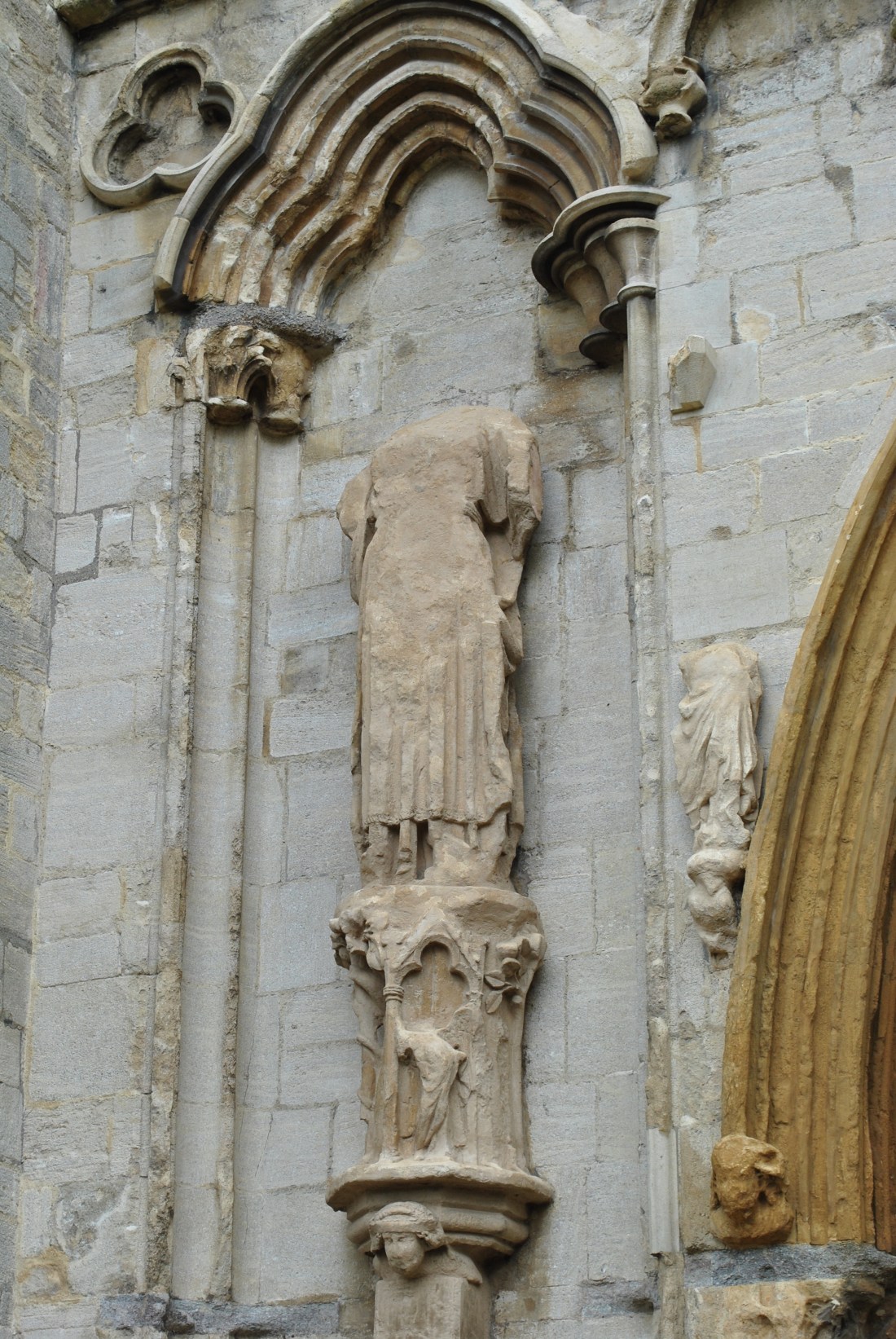
The present church has been created by adapting what was once the north aisle of the abbey.

DSC_0008 (2) - Edited

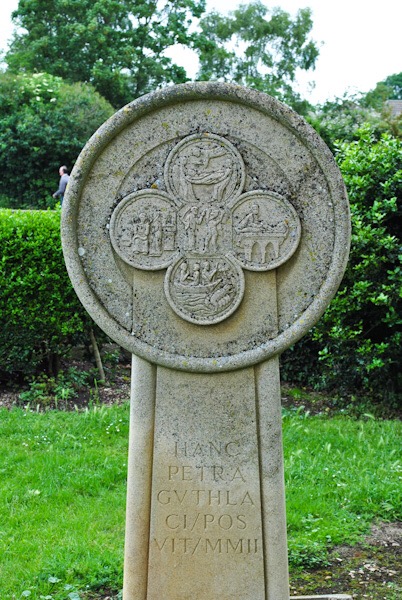
Saint Guthlac was the founder of the abbey in the middle of the so-called Dark Ages. The land all around this area of the Anglian kingdom of Mercia was flood prone, quite isolated, yet with plenty of scope for fishing and fowling, making a perfect location for a monastic centre.

57385DE8-74FF-4E01-8F4F-75DD04B46FED

What was not taken down or pillaged following the dissolution, was further violated by Oliver Cromwell and his forces in the 1640s during the so-called English Civil War.

DSC_0006 (1)

E4ED0BDC-FC9B-4339-9037-2AF0D6C1750A52184C2A-633D-4CF9-B6E5-63E052DC16AC

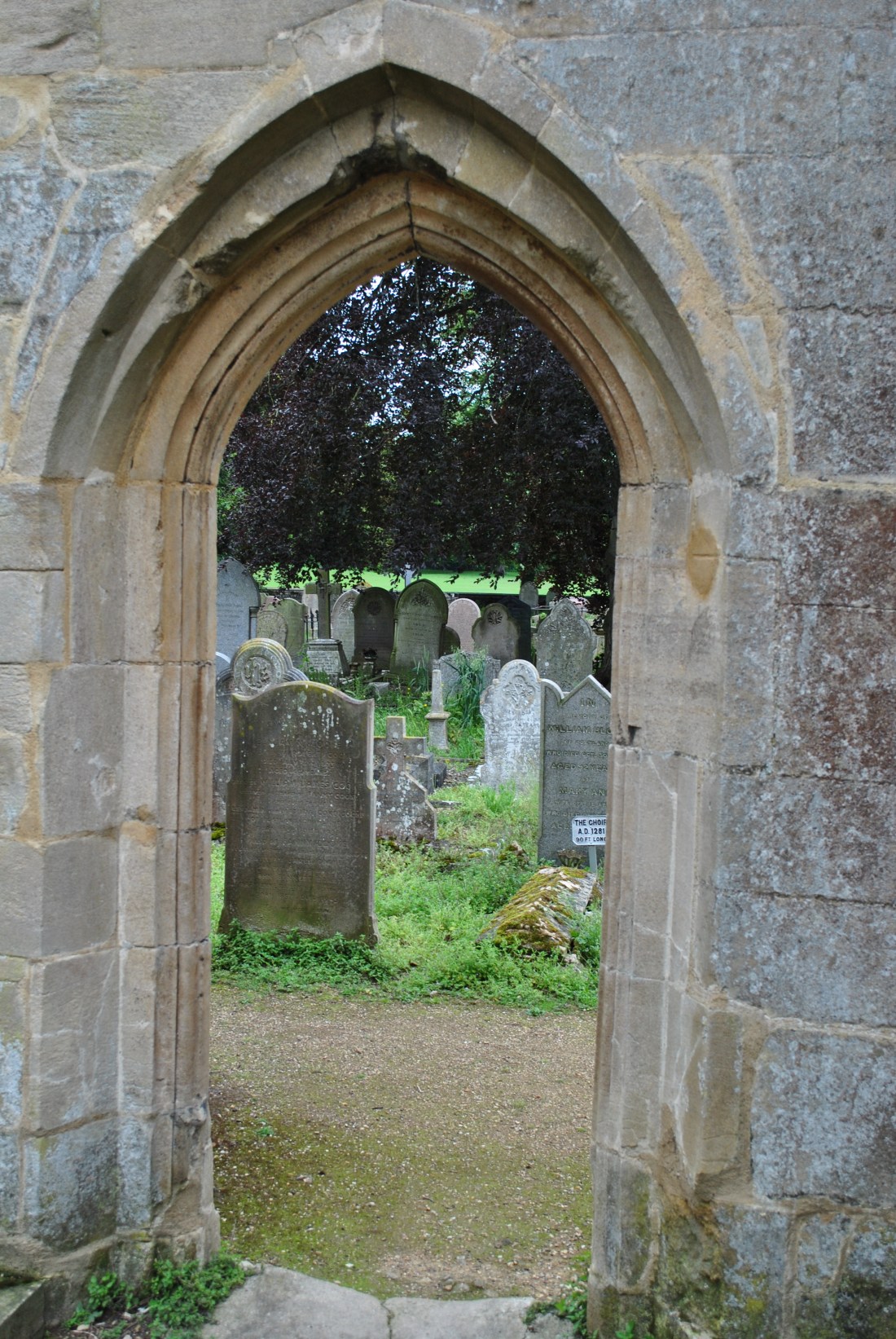
Since then, the graves of the succeeding generations have filled the spaces around the ruins.

DSC_0011

copyright Leofwine Tanner 2019