Celebrating West Lindsey Churches: Fiskerton

IMG_1269
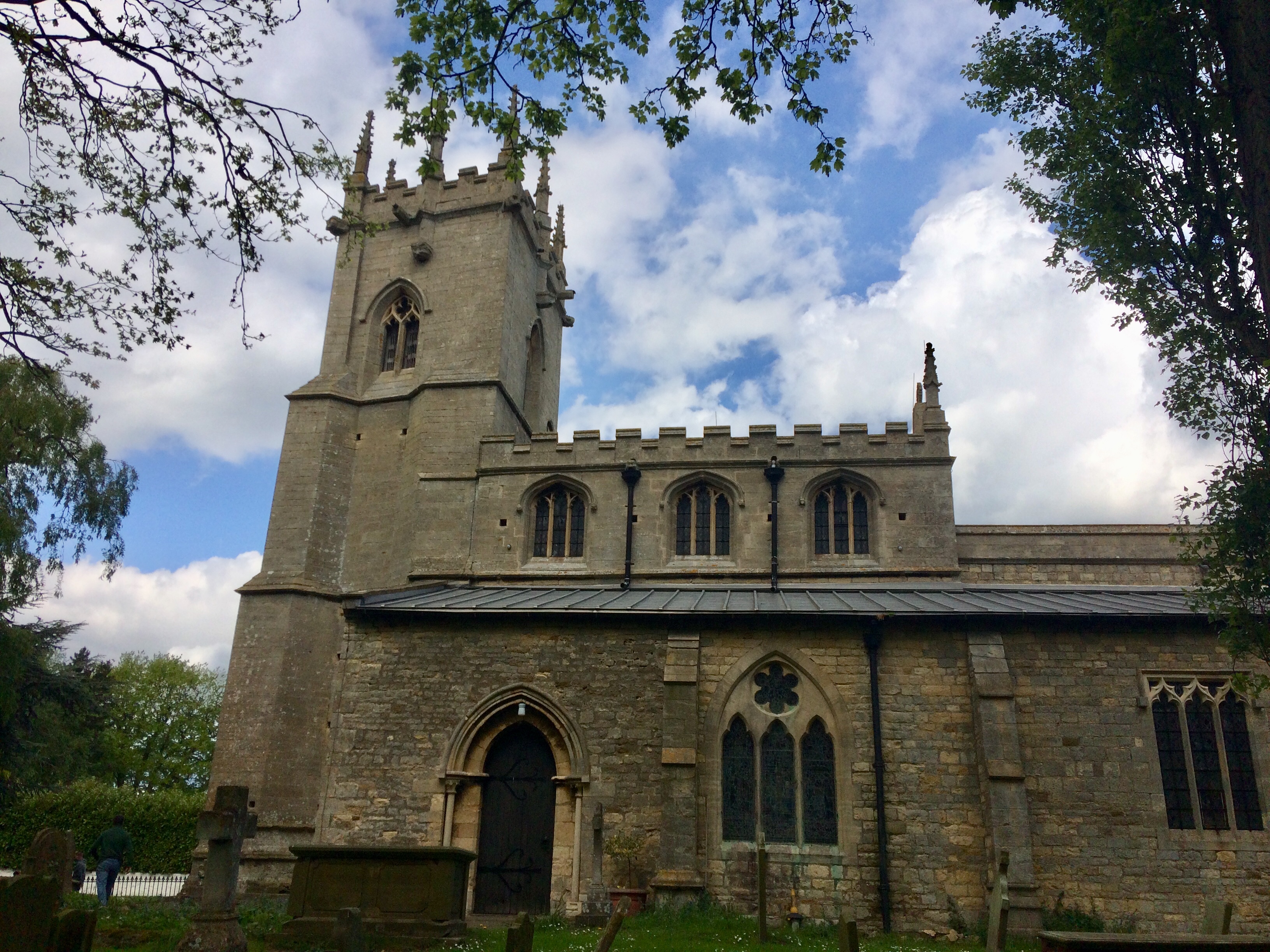
Fiskerton church, dedicated to St. Clement of Rome.

Every May in West Lindsey in northern Lincolnshire, there are nearly a hundred churches open to the public over two weekends.

Of course, you may say that churches are always open – and you would be right. What I mean is, this diverse array of architectural and cultural gems, have items such as exhibitions, old books, games and crafts on display and for sale, plus food and drink of course, the proceeds going to the upkeep of the churches. There will always be a warm welcome too.

Fiskerton’s name means enclosure or farm of fishermen, its name stemming from Anglo-Saxon times. The church is dedicated to St. Clement of Rome, a dedication I do not recall coming across too often, especially not in Lincolnshire.

Like many villages in this area of Lincolnshire, there are strong connections to the RAF, particularly in relation to World War 2.

PHOTO-2019-05-11-16-38-32 (2)

In fact there were remembrance books and links with RAF squadrons in the Lady Chapel, a testimony to the fact that Lincolnshire during World War 2 became essentially ‘Bomber County’, due to the preponderance of bomber squadrons.

Elsewhere in the church there are some notable features, including remaining Norman architecture.

PHOTO-2019-05-11-16-38-32 (3)

The font is especially interesting. Note the markings on the stone and the work on the ornate cover below:
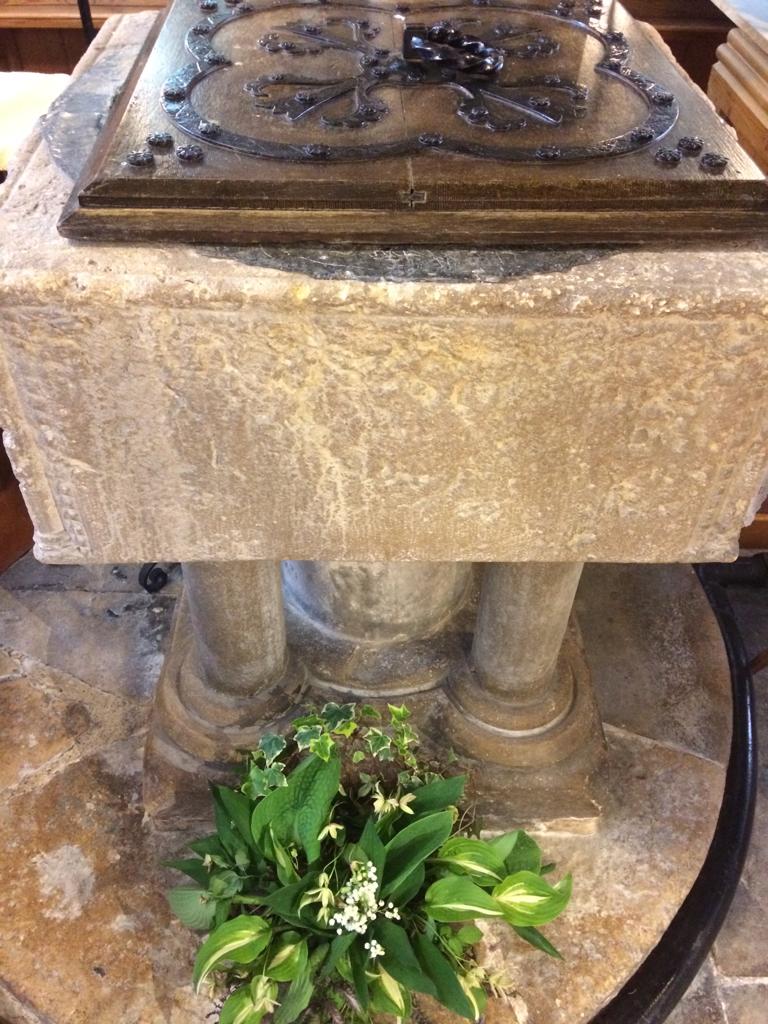
PHOTO-2019-05-11-16-38-32
The font, which looks very old, bearing interesting markings.
PHOTO-2019-05-11-16-38-32 (1)
Painting of Madonna and Child, Fiskerton church.
PHOTO-2019-05-11-16-38-31
Stained glass windows at the east end were particularly beautiful.
IMG_1270
Looking east along the nave.

Once again, the most overriding memory of our visit to this lovely church was the friendliness of everyone, volunteers who seemingly can never do too much for you.

Thank you people of Fiskerton.

Let’s Celebrate Lincolnshire Churches – Scothern

Every May the West Lindsey region of northern Lincolnshire opens the doors of its churches to visitors for two weekends – the West Lindsey Churches Festival.

Church of St. Germain, Scothern.

Pictured above is Scothern church, quite small but beautiful, the whole churchyard raised a few feet above the surrounding area of the village.

Once inside we had the usual very warm welcome, with residents sharing information about the church, the village, their lives in general. And of course we had to partake in the coffee and cake on offer.

What made Scothern a little unusual was the organ and piano recitals going on over the weekend.

Another interesting feature was the exhibition of childhood toys.

Childhood toy exhibition – takes you back
All this and music too?

And perhaps the greatest feature of the church is the wonderful 16th century Dutch panel painting called ‘The Adoration of the Magi’.

16th century Dutch panel painting, ‘The Adoration of the Magi’.


Christianity – Doors to Eternity

IMG_1286

At times you can almost see the individuals, a bit like ghosts, who would once regularly use this door.

How would the local accent have sounded then, say in 1500? Would I have understood them? More to the point, would they understand me? I doubt it, but I have a liking for old church doors.

This north facing example bears all the marks of being very old, probably late medieval, but I could be wrong. Look


at the tracery… perpendicular style?

The Gardens – Spalding’s Ayscoughfee Hall No.3

IMG_1277
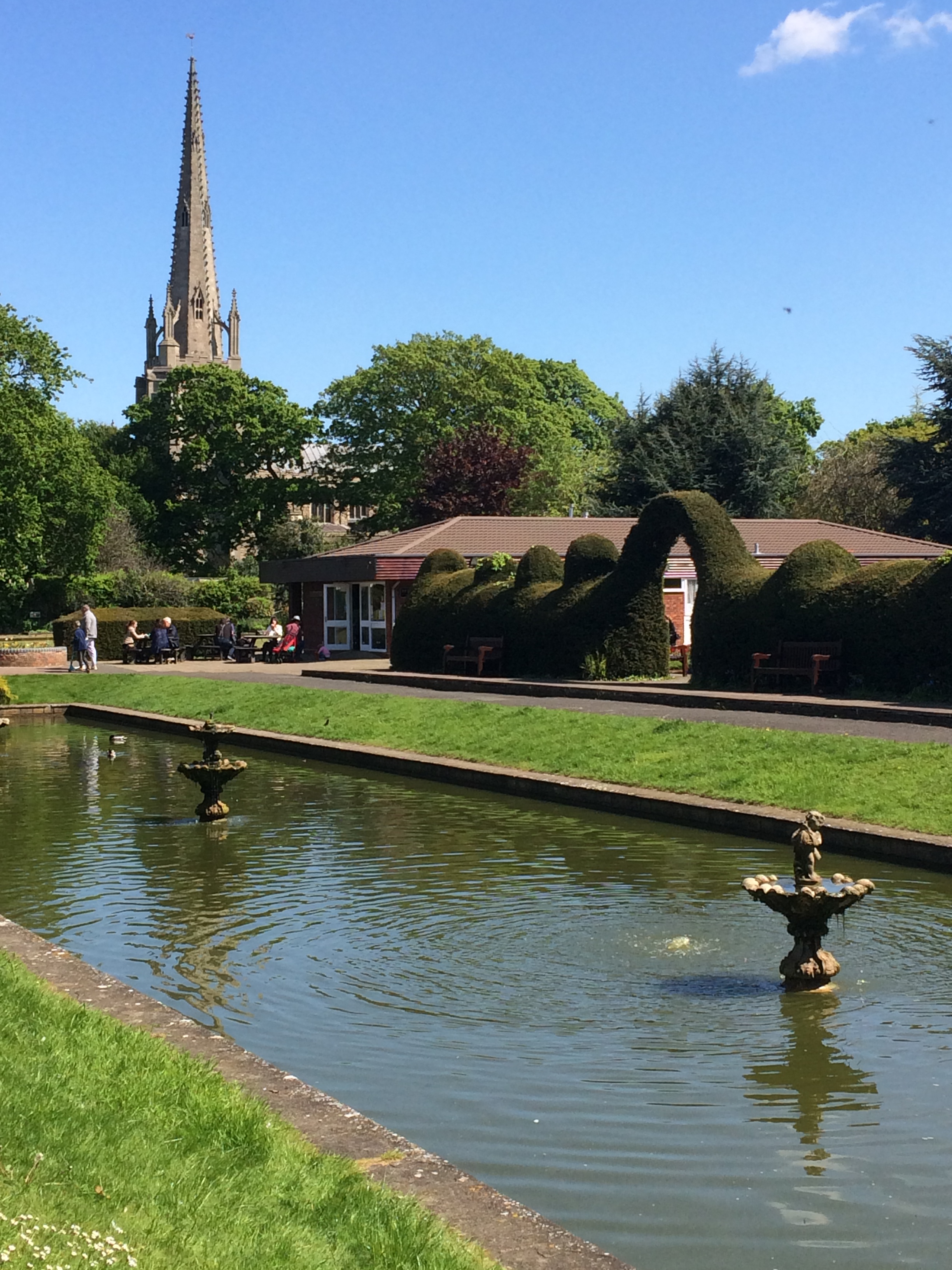
View of the water features and Spalding Parish Church spire from Ayscoughfee Hall.

So much to appreciate in Ayscoughfee Hall.

It’s a very pleasant experience to wander around the grounds of Ayscoughfee Hall in Spalding,  Lincolnshire.

The water features are particularly enjoyable for all ages – and especially the ducks!

And there’s a nice cafe nearby too.

The Day in History – Henri the Fourth of France Assassinated

Henri-Pourbus
By Frans Pourbus the Younger – from web, Public Domain, https://commons.wikimedia.org/w/index.php?curid=8918292

Today in 1610, King Henry the Fourth of France was assassinated.

Henri, although baptised as a Catholic, was brought up as a Protestant. Due to the inflammatory religious situation in France and his background, he was at times considered an enemy by both Catholics and Protestants alike. As a result, there were many previous assassination attempts.

Despite often being unpopular during his reign, he was nevertheless considered a successful king, in economic, cultural, military and diplomatic terms, but only achieved his current status as a great king posthumously, when a virtual cult arose in his memory.

He was assassinated on May 14 1610 by a fanatic called Ravaillac in the Rue de la Ferronnerie, Paris.