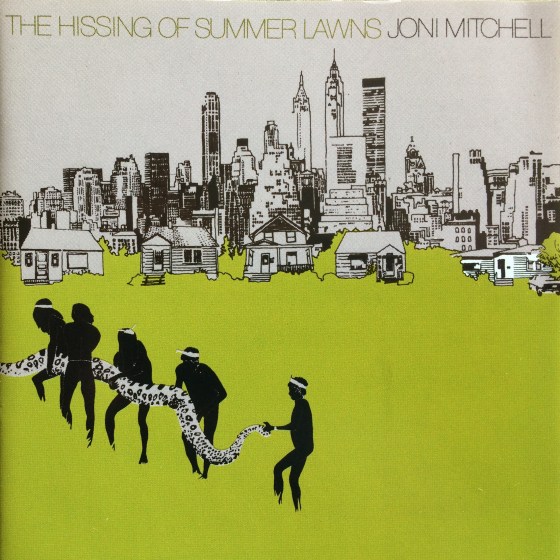
Album Review: ‘The Hissing Of Summer Lawns’, Joni Mitchell 1975

IMG_1390 - Edited

Choosing a favourite Joni Mitchell album is a bit like choosing my favourite chocolate.

I suppose I could pin it down a few: ‘For The Roses’, ‘Court And Spark’, ‘Hejira’, ‘Turbulent Indigo’…

But I’m plumping for the 1975 release of ‘The Hissing of Summer Lawns’ (Asylum). I think it received somewhat mixed reviews on release and to me it marks her final ‘departure’ from the folk scene, which she had been threatening to leave on her previous two albums.

More Jazz

‘Hissing’ is more jazz oriented than before, softly sophisticated and it seems to be this which attracted some of the more less favourable reviews.

For a start it’s varied. The first track, ‘In France They Kiss on Main Street’, sounds as if it could have been included on ‘Court and Spark’, her 1974 album. It moves along nicely, catchy, with a great hook involving a bit of ‘rocking and rolling’. Larry Carlton’s lead guitar work is quite superb, as usual.

Juxtapositions

‘The Jungle Line’, ‘Edith and the Kingpin’, juxtapose quite alarmingly. The former was quite radical at the time for its instrumentation and composition, though it’s not often seen as a favourite.

‘Edith’, on the other hand, is one her best, a juxtaposition in itself, for me. Beautifully written, performed and produced, it’s soft jazz but with a story line that’s actually anything but soft.

Beautiful

At the end of the song, when she sings about the two protagonists who dare not look away, intrigue, crime and sleaze truly never sounded so beautiful. Carlton’s guitar work is wonderful, too, gentle and precise, just enough to accent the song.

Another favourite, ‘Don’t Interrupt the Sorrow’, contains some of her best story telling, character forming lyrics. I’m taken to heady, intellectual parties somewhere in mid 70s California, full of ‘holier than thou’ characters, tipsy on German wine and other stuff.

Melting Glamour

‘Shades of Scarlett Conquering’ strongly evokes, over another jazzy theme, a Southern Belle whose sensibilities have no place in a changing, fracturing world, where the glamour seems to melt away the more you grasp at it.

The title track itself is that rare item, a co-written song. Here too, we can feel the easy, yet slightly disturbing direction of life in California at the time, drowning in its materialism.

‘The Boho Dance’ is a reflective, piano dominated piece, with lovely a lovely horn section. It leads nicely into ‘Harry’s House-Centrepiece’, another shot at the materialistic world of big business and its victims, the men and women sated on consumption and luxury, whose lives are empty.

Atmospheric

‘Sweet Bird’ seems to give a hint of what’s to come the following year, with ‘Hejira’. Joni’s very distinctive guitar playing is at its best here in an atmospheric and reflective number.

‘Shadows and Light’ is perfect to end the album, a gospel sounding, philosophical song. Mostly sung a capella, a synthesiser track backing it up, this is a beautiful song and quite set apart from the rest of the album.

To conclude, I feel this album marks Joni Mitchell’s full maturity as a performer and songwriter. It’s varied, more jazz influenced and if there’s a theme, I think it’s the general disillusionment with America life at the time, a theme which was being picked up by other other artists at this time – but they never sounded this beautiful.

copyright Leofwine Tanner 2019


*If you would like a personal astrology report, please contact me at: leoftanner@gmail.com for further details.
 

Poem: Anonymous Lines

massey4
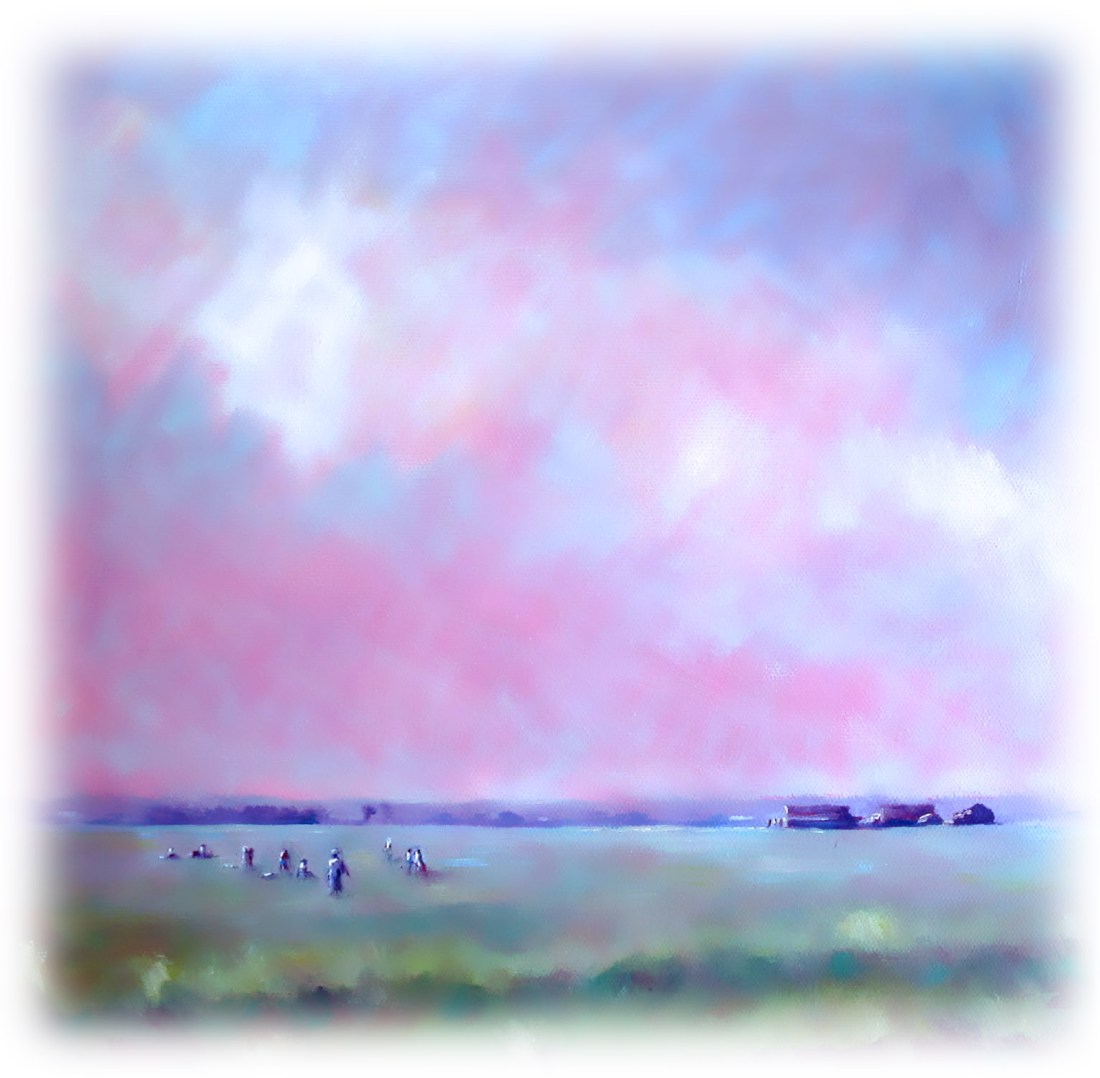
Painting by Leofwine Tanner

Downstairs any morning;
sunlight and smoke
in slow swirling clouds.
The cat wanders in,
cries and wanders out,
flopping down the step
toward shrill sparrow sounds.

An open passage door
through which I follow
into a past, or no time at all.
Gooseberries hairy in the mouth,
that sour shock at the crunch.
Raspberries sweet on the tongue;
peas plucked from the pod,

sitting between rows of green.
His shadow blots out the sun,
a tall silhouette, cap pushed back
as a match is struck.
I follow to runner beans
and strawberry rows,
where the cat rolls over and over.

He is distant now, never hurried,
where it all opens up,
when I cling to his leg
looking down on the dyke
where the moorhen struts.
Out onto prairie fields,
anonymous lines of roads

and pylons. A relentless horizon.

copyright Leofwine Tanner 2019 and 2011


*If you would like personal astrology report, please contact me at: leoftanner@gmail.com for details.

Astrology Musings: The Virgin Queen?

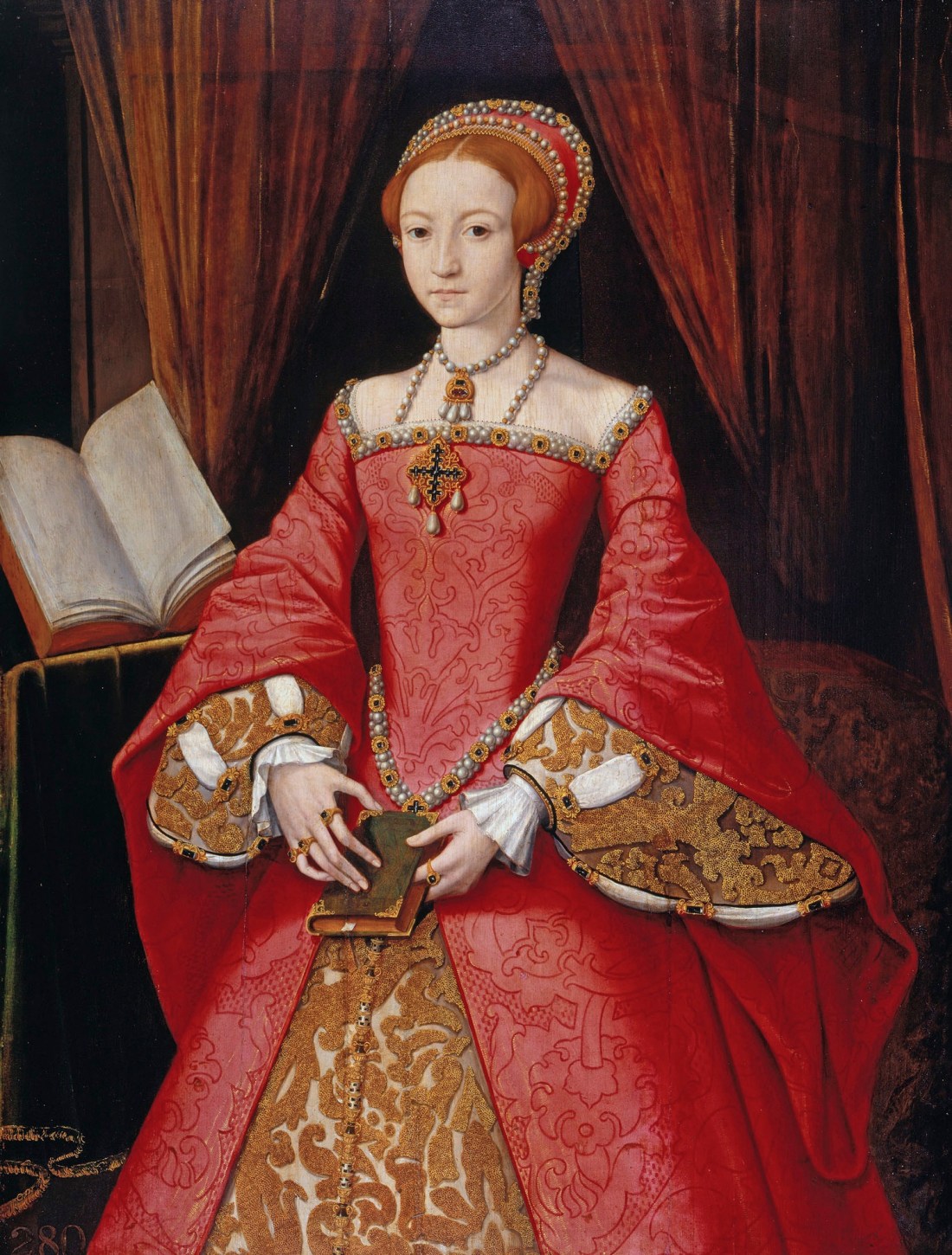
Elizabeth_I_when_a_Princess
By Formerly attributed to William Scrots – wartburg.edu, Public Domain, https://commons.wikimedia.org/w/index.php?curid=686176

The reign of Elizabeth I is, I suspect, as much about propaganda as it is truth.

After all, the time of her coronation was decided upon by none other than Dr John Dee, magus, diviner, astrologer, the inventor of what came to be known as the British Secret Service. He was also the instigator of the notion of ‘The British Empire’. More of that in another piece.

But what of ‘The Virgin Queen’s’ nativity, her birth chart. Being a royal princess, her birth time was duly noted, even though Henry VIII was reputedly less than happy that Queen Anne Boleyn had dared to give birth to a daughter.

Fecundity and Popularity

Quite fittingly, the Virgin Queen, as she became known later, was indeed born under the sign of Virgo, the Virgin. It was right up high in the ninth house, so she was always likely, thanks to her birth, to be well known abroad (ninth house foreign affairs), often notoriously amongst her enemies.

The Moon in Taurus in the fourth house, close to the nadir of the chart, also comes into play here, I feel. Taurus is fertile and the Moon is well placed here. Is this the origin of the myth of her fecundity? I think it certainly stands for her popularity with her own people.

Queen of Heaven

She was also portrayed as Astraea, queen of the heavens from ancient pagan myth – not Christian at all, but this was very much in vogue at the time with the likes of John Dee and other Renaissance men plucking the strings, through their magical science and the giants of creative literature, such as Marlowe and Shakespeare.

Her ascendant is Capricorn, and therefore her ruling planet is Saturn, the great taskmaster. Capricorn rising brings responsibility, often hardship, privation, a willingness to see things through for some greater prize; in this case, we are told, it was England itself, its preservation from outside rule.

An Unhappy Place

Saturn in Cancer in the seventh house reveals the equally serious and responsible attitude she had in her dealings, diplomatically, but also in her relationships. Saturn in Cancer is in its ‘detriment’, its not a happy place.

It symbolises a potential lack of family, caring, loving, nurturing – but it also creates a dogged hardness of spirit, purely through harsh experience, a resigned sense of making do emotionally.

Here we see also the coldness that was dealt her when she was a princess. Her mother was executed when she was little more than a toddler. She was imprisoned and came pretty close to being executed herself, it would seem, during the reign of her half sister, Mary.

So in many ways it’s surprising she ever made it to the throne.

Intelligent

It transpires too that Elizabeth was one of the most intelligent rulers England has ever had. She could debate with the best of men, speak and write several languages fluently.

For this we should look at Mercury and Venus high up in Libra in the tenth house of career. Mercury is trine Mars in Gemini and this creates a ready wit, mental versatility, a charming, diplomatic manner and intellectual potential, all of which could be put to good use in her reign, as it was. She was the epitome of pragmatism, which became her method of survival in a man’s world.

And in Love with Love

Venus in Libra is all about love, diplomacy and indecision. She was in love with love, if you like, and so high up in the chart, there was also a danger that it might get out to the public. At times the love and diplomacy melded into one, sometimes in the most bizarre ways. In the end she could not decide.

Nevertheless, the harsh screening of that Capricorn ascendant, Saturn in Cancer in the seventh house too, would always manage, somehow, to keep some kind of reign on her romantic flirtations and dalliances. In her heart, we are told, she devoted herself to her people and to England: that’s Venus in Libra.

And Saturn in the seventh house could mean of course, a lacking in the marriage, or even the denial of it.


*If you would like a personal astrology report, please contact me at: leoftanner@gmail.com for details.


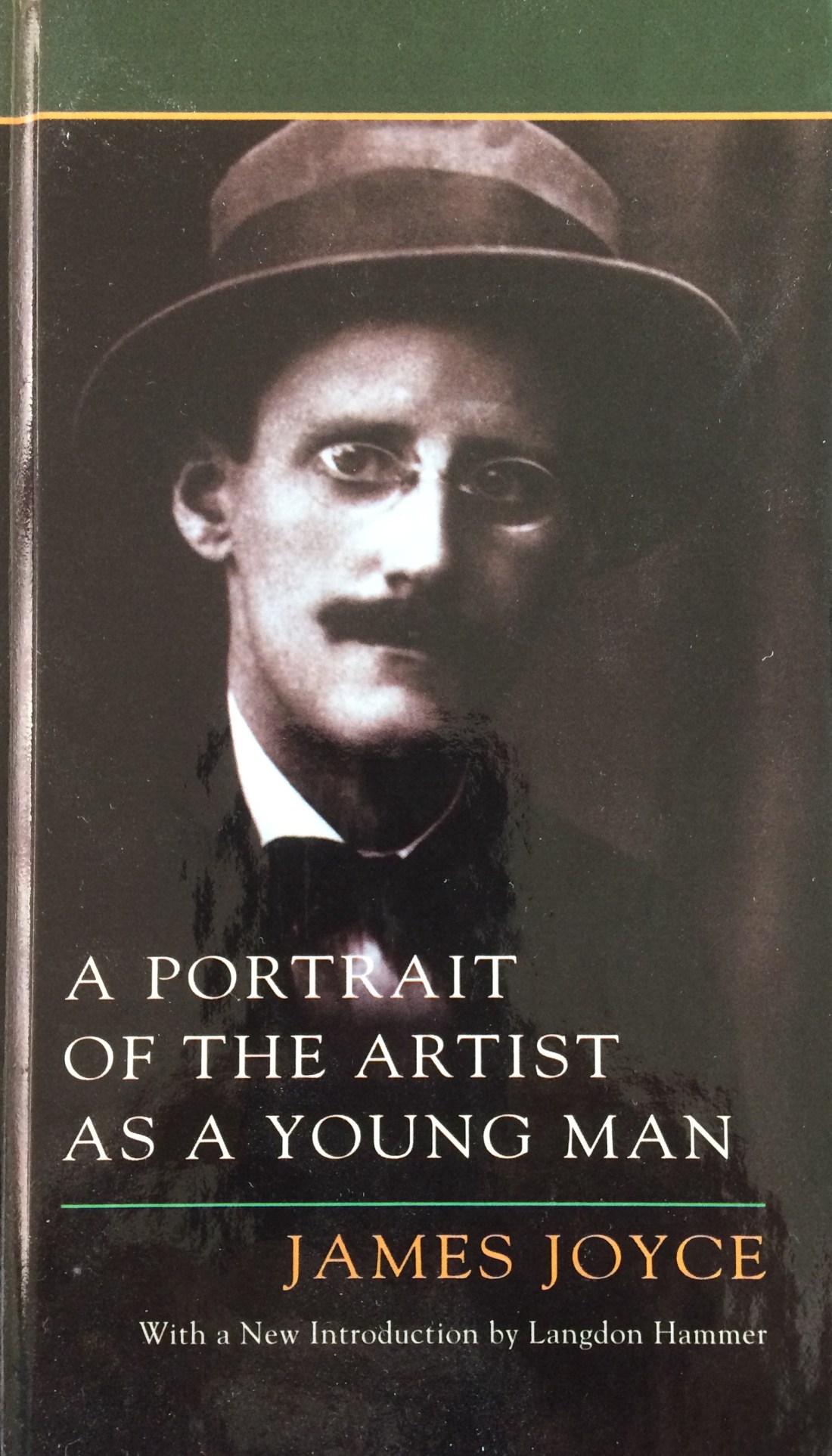
Book Review: Musings on ‘A Portrait of the Artist As A Young Man’ – James Joyce

IMG_1337

Of course, much has been written about this novel since it was first published in 1916. To call ‘A Portrait Of The Artist As A Young Man’ (Penguin – this publication) a landmark, would be grossly understating its impact.

So I’m not attempting to go into great depth, all that has already been done. I merely want to convey my own recollections of first reading it, way back in school.

For me, it was this book and D.H. Lawrence’s ‘Sons and Lovers’ that first truly opened my eyes to what we sometimes call serious literature. Both of them are, in their own way, semi-autobiographies and broke the mould of novel writing.

Story Teller

Naturally though, Lawrence and Joyce wrote in very different ways. I think Joyce wrote more intuitively, in a way which conjured up for me a wholly different milieu of imagery. He is a natural narrator, a story teller like many of his countrymen.

For example, when he describes Stephen Dedalus’ childhood, I get drawn into that world through the use of evocative child-like language; I become that child. I can remember endless classroom discussions about this part of the book.

Living Imagery

And the world of Dublin in the late 19th century, was a very different world from that of the industrial Nottingham area, where Lawrence sets his book.

Although Joyce was to reject almost everything about his upbringing, his beliefs, his writing is nevertheless suffused with that imagery, bringing it alive, like new music as some describe.

So what are we to make of the criticism of those who first rejected his manuscript? The book is, when compared to more classic literature, without doubt somewhat formless and unconventional.

Like God

Yet, those of an artistic nature tend to be like this, especially over the last hundred years or so. I think Joyce, whose approach was understood and encouraged by none other than Ezra Pound, was simply bold enough to open up the taps of his creativity. The artist himself almost becomes like God, a creator in his own right, a bit like the Daedalus of legend, who built wings for himself and his son so that they could fly.

Joyce’s upbringing within the strict bounds of Catholicism, his training for the priesthood, was in retrospect the perfect grounding for such free artistry, once it was released from its captivity.

Ironically, Joyce’s world never seems to lose the colour of his Catholic upbringing, even though he ultimately rejected it. With Lawrence, the harsh, English Protestant world, seems altogether more grim, enlightened by the writer’s love of nature.

Native Genius

Joyce’s innate creativity, held back for so long, could only emerge later like a succession of Michelangelo masterpieces, hewn by the craft and intelligence of a native genius.

Unlike his other classics, Finnegan’s Wake and Ulysses, I have successfully completed reading his first great novel.

Even so, one day I intend to finish the former two, although I suspect I will read ‘Portrait’ again before I do that.

copyright Leofwine Tanner 2019

The Wild Man of Stainfield? – Fascinating Lincolnshire Churches, Stainfield, Part 3

DSC_0035 - Edited
A display in the church about the ‘Wild Man of Stainfield’.

The origin of the legend of the Wild Man of Stainfield is unclear. No one seems to know who he was, though some thought he generally went about naked, his body covered in hair.

Even the date of his existence is not certain, though most put it sometime during the 18th and early 19th centuries.

Nevertheless, there does appear to be some clarity regarding his actions. He was a woodlander, who reputedly took cattle and sheep, presumably for food, maybe clothing. Some even think that he killed humans too.

DSC_0028
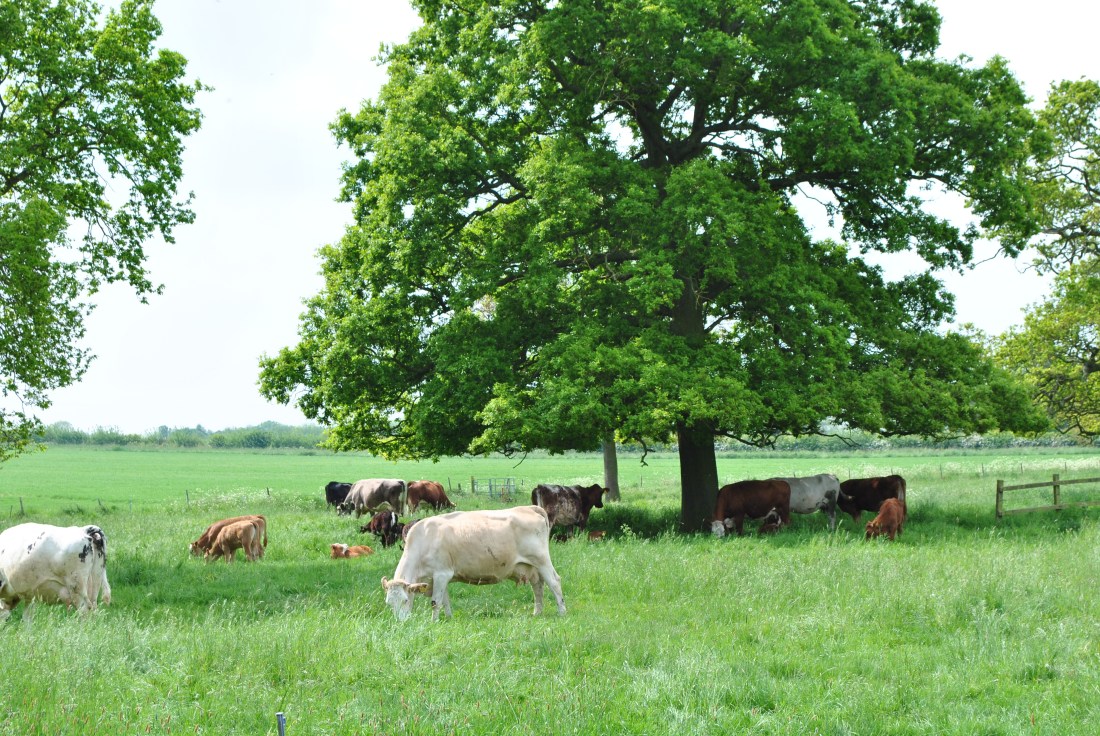
If the stories are true, how safe would cattle have been during the times of this wild man? Today the nearby cattle don’t appear to be worried.

One story states that it was a descendant of Sir Francis Drake who finally killed the Wild Man of Stainfield. There began the association of the Drake family with the area.

Stories of his demise are disputed too. Another tale describes those who later became known as the ‘Hardy Gang’, who got together to rid the area of this wildling. Some say this is how nearby Hardygang Wood got its name.

DSC_0036 - Edited

All in all, Stainfield is a fascinating village with a remarkable history – and a legend to boot.

copyright Leofwine Tanner 2019