Celebration of Lincolnshire Churches 2019 – Bardney, Part 1

DSC_0043

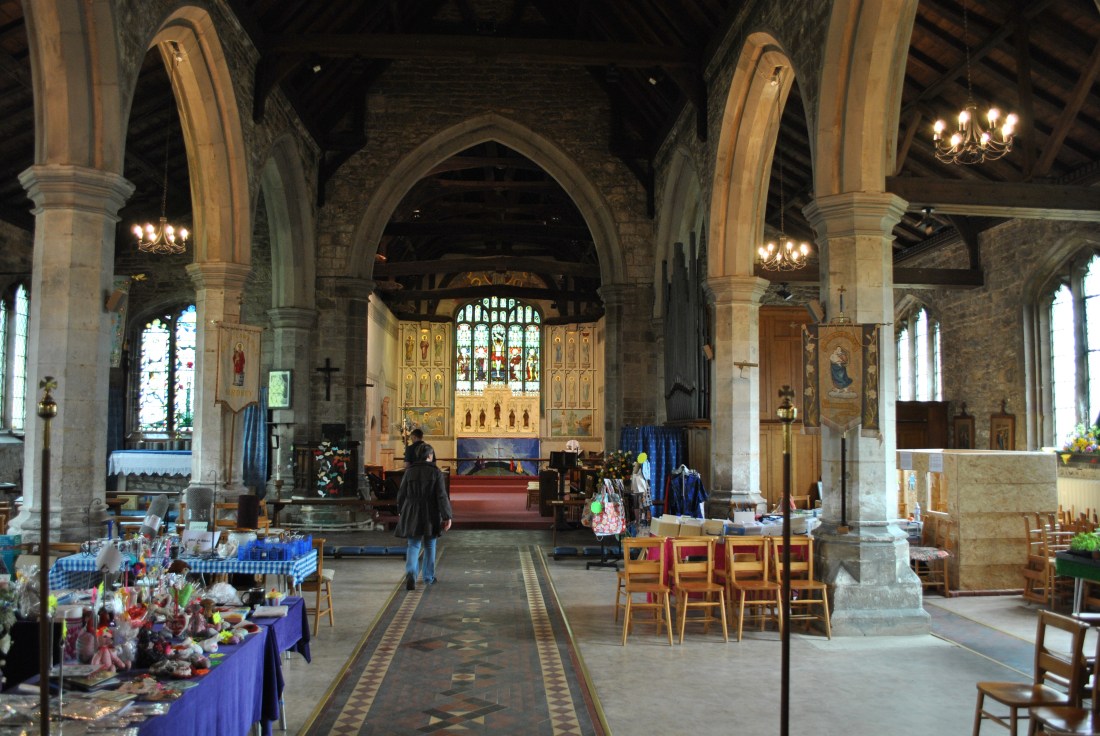
We recently visited the West Lindsey Churches Festival. One of the most interesting was Bardney’s Church of Saint Lawrence.

DSC_0044

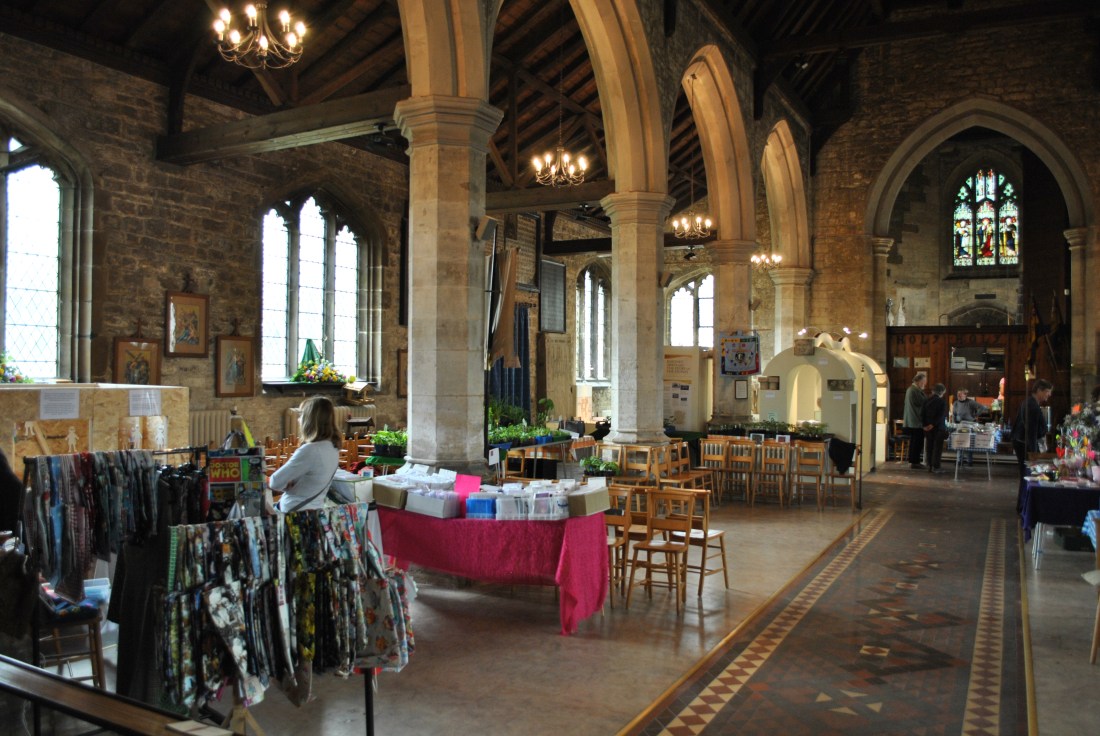
The church is impressive with a large nave, indicative of this settlement’s once important though now long dissolved abbey.

DSC_0046 - Edited

As in all the churches in West Lindsey, there were stalls with items for sale, as well as food and drink.

DSC_0056

copyright Leofwine Tanner 2019


Remarkable English Church, Stainfield, Lincolnshire, Part 2

DSC_0040

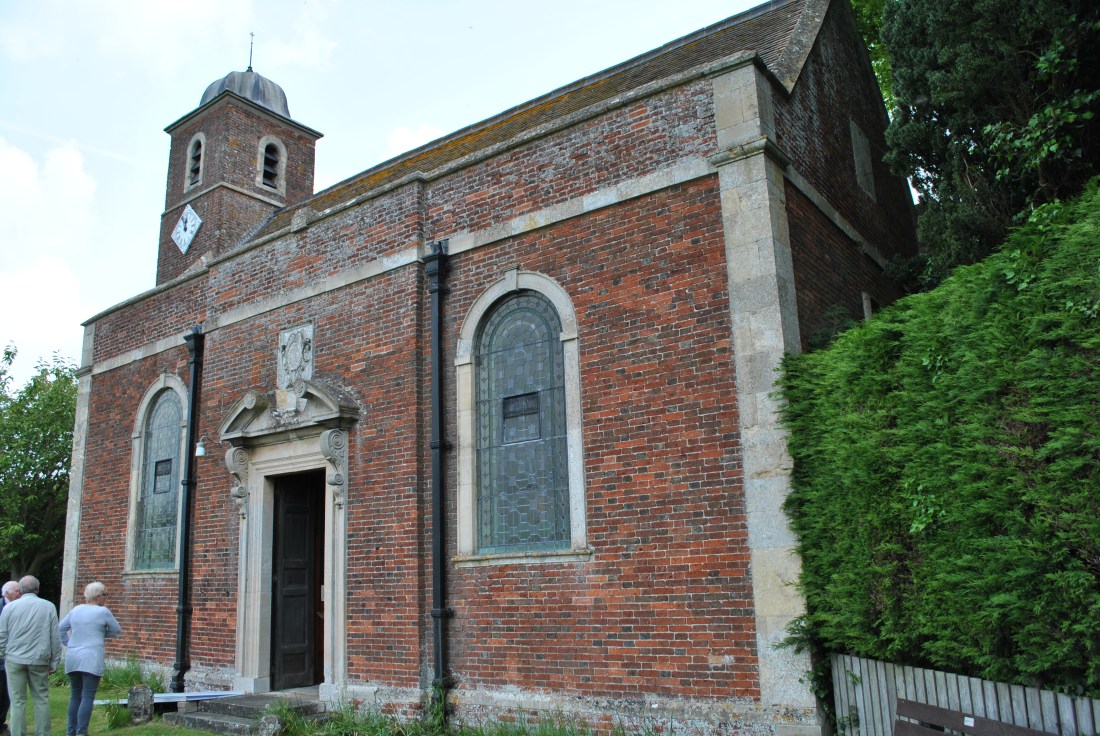
Saint Andrew’s church in Stainfield is remarkable. It’s thought that Christopher Wren designed the building following a visit.

The church has been open since 1711 and is still a regular place of worship, though the burial ground these days is at nearby Apley.

This area of Lincolnshire is notable for its rich ecclesiastical history, particularly in regard to monasteries, the abbeys and priories that were finally dissolved by Henry VIII between 1536 and 1540.

Inheritance

There was a priory here dedicated to Saint Mary until that time, though not much detail of its history survives. The priory remains have not been excavated, though part of it is said to form part of the wall of the present church.

At the time of its dissolution, the priory was given over to the Tyrwhitt family, in whose hands it remained until about seventy years ago.

A most remarkable inheritance from that long period are The Tyrwhitt Tapestries, actually cross stitch embroidery work. Today they hang along the north wall of the church.

DSC_0032 - Edited

The tapestries were originally made for the opening of the church in 1711 and consist of five religious pieces, including the Ten Commandments and the Lord’s Prayer.

The Ten Commandments piece was re-stitched some time in the late 19th century, and much rather difficult preservation work has been carried out on them since.

DSC_0033 - Edited

Christianity – Doors to Eternity

IMG_1286

At times you can almost see the individuals, a bit like ghosts, who would once regularly use this door.

How would the local accent have sounded then, say in 1500? Would I have understood them? More to the point, would they understand me? I doubt it, but I have a liking for old church doors.

This north facing example bears all the marks of being very old, probably late medieval, but I could be wrong. Look


at the tracery… perpendicular style?

The Day in History – Henri the Fourth of France Assassinated

Henri-Pourbus
By Frans Pourbus the Younger – from web, Public Domain, https://commons.wikimedia.org/w/index.php?curid=8918292

Today in 1610, King Henry the Fourth of France was assassinated.

Henri, although baptised as a Catholic, was brought up as a Protestant. Due to the inflammatory religious situation in France and his background, he was at times considered an enemy by both Catholics and Protestants alike. As a result, there were many previous assassination attempts.

Despite often being unpopular during his reign, he was nevertheless considered a successful king, in economic, cultural, military and diplomatic terms, but only achieved his current status as a great king posthumously, when a virtual cult arose in his memory.

He was assassinated on May 14 1610 by a fanatic called Ravaillac in the Rue de la Ferronnerie, Paris.

Christian Confession! – Where Did All The Saints Go?

IMG_1285
Which saint, one wonders, once stood here in this empty space?

The empty church spaces now vacated, were once inhabited by colourful saints, or other such noble individuals. These days it makes me sad.

I am not a Catholic, yet, somehow our culture seemed to be somewhat lessened by their disappearance during the Reformation.

I think we lost more than just colour and ceremony in our lives at the time; these events seriously hastened in the modern materialistic world, which despite its obvious benefits, has stripped us of all our innocence now.

Just like the monasteries, creators and supporters of communities, were dissolved and stripped of all their wealth which was then reduced to its base monetary value, we too over time seem to have been stripped to the core, spiritually.

That’s how I feel. I’m not saying I wish to convert – there are reasons why I would not – but we need to reclaim something from our past, to move one step back, if you will, before we can go two forward.

Sure it was a long time ago, I’ve never known anything different from bare stone and whitewashed walls – but just think how colourful our English churches once were, how rich the lives of the faithful must have been.

copyright Leo F. Tanner 2019