JFK and RFK: ‘The Brothers’ by David Talbot – Book Review

IMG_3070

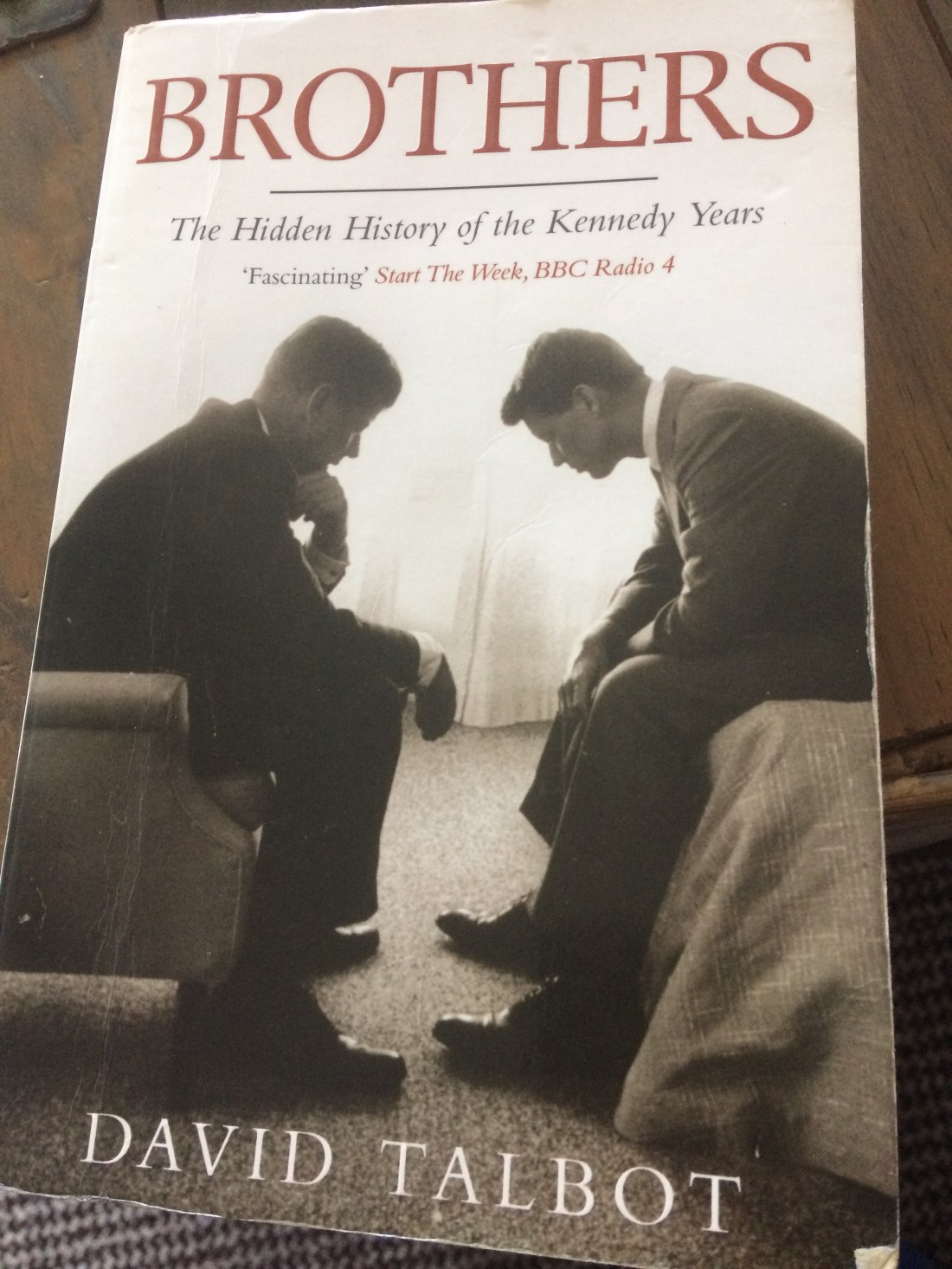
There have been many books written about John Fitzgerald Kennedy and his brother, Robert Francis Kennedy, both victims of assassination. In my opinion this is one of the best.

Impeccably researched, this book, ‘The Brothers’ (Pocket Books/Simon & Schuster), written by David Talbot, roughly covers that roller coaster period from JFK‘s inauguration on January 20 1961 to the assassination of RFK on June 6 1968. It was a relatively short period of nearly seven and a half years, yet the whole world had been transformed — and mostly not for the better in my opinion.

Disaster and Tragedy

For me what makes this book stand out is the sheer number of interviews (150+) the author has carried out, with people who were there and in the know. For example, leaders like Fidel Castro of Cuba and Che Guevara seem to emerge like more rounded figures, not merely the one dimensional characters often portrayed in most media over the last sixty years.

More than this, the author tells is it how it was: from the disaster of the Bay of Pigs in 1961 and the sheer hatred generated among those who felt the newly elected president had let their side down by refusing to provide air cover, to the short, fraught, heroic, yet ultimately ill-fated and tragic presidential campaign of Robert Kennedy in the early summer of 1968.

IMG_3071

Conspiracies Galore

The author does not hold back on analysing the myriad conspiracy theories either, which began to emerge largely as a result of the voluminous criticism which gradually amassed after the publication of the Warren Commission Report in September 1964. And there were other doubters from the word go.

Most intriguing of all is his description of the torture Robert Kennedy went through following his brother’s death. Attorney General to JFK, he remained in his position until August 1964 when he decided to run for Senator of New York. It’s possible that RFK may have thought he was somehow responsible for not protecting his brother more during his presidency.

Treading a Very Fine Line

What is more, for the next four and a half years, up until his own death, Bobby too harboured strong suspicions that the whole truth about his brother’s death had not yet been told.

Nevertheless, in public he always retained a consistent front in support of the conclusions of the Warren Report. He was, in effect, seemingly keeping his powder dry until such a time he could investigate further from a position of strength – namely as President of the United States.

We all know this was not to be, that the so-called ‘Kennedy Curse’ was to strike once again. However, this is a very fine book and I was left feeling that a lot more light had been cast on those often dark, crazy, tempestuous, tortuous years into which I too had been thrown.

Copyright Francis Barker 2020

Steely Dan: Pick a Song — Ticket 2 Ride

https://youtube.com/watch?v=-jtqDbH4a3E%3Fversion%3D3%26rel%3D1%26fs%3D1%26autohide%3D2%26showsearch%3D0%26showinfo%3D1%26iv_load_policy%3D1%26wmode%3Dtransparent

Pick one song from each album and list why. I accept that challenge. Let’s roll. Can’t Buy a Thrill – “Do It Again” gets the nod. Some have called this a strong Latin beat, the percussion obviously drives this song and provides the framework for the electric piano and expressive guitar solos. The album […]

via Steely Dan: Pick a Song — Ticket 2 Ride

Dark Side of the Moon or Led Zeppelin IV? — Ticket 2 Ride (Reblog)

Each album was career defining for the bands. Is one better than the other? No. It is just personal choice. These two albums are among the biggest sellers of the 1970s and are near the top of the greatest albums of all-time. I’m just telling you this in case you were in a coma back […]

via Dark Side of the Moon or Led Zeppelin IV? — Ticket 2 Ride

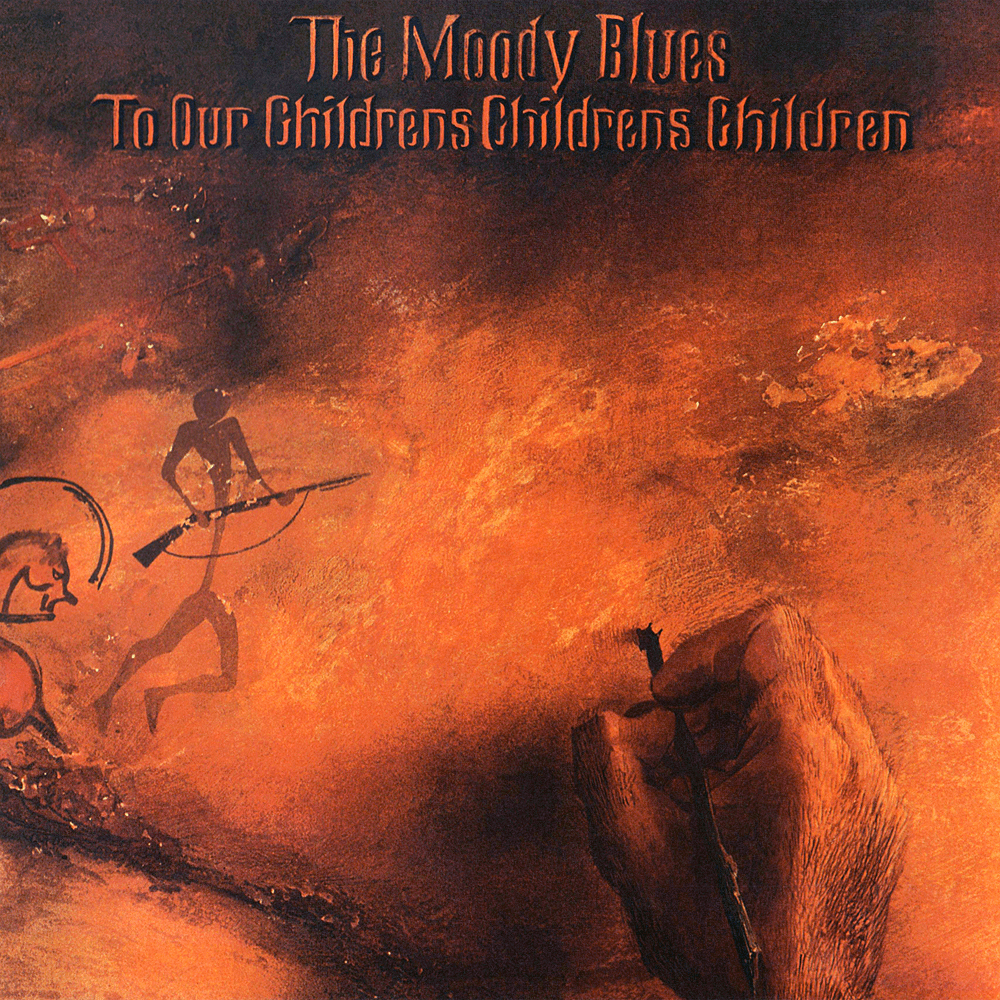
Moody Blues: To Our Children’s Children’s Children (1969)

A favourite album of mine too, excellently reviewed on a great site.

Ticket 2 Ride

Fifty years ago, this stunning album was released. The fourth album of the classic Moody Blues lineup.

This was the year of the moon landing, which is an underlying theme of this album. If you were alive then, as I was, your great grandchildren could be listening to this album now.

In 1969, war, pollution and the population bomb threatened our future. Seems relevant today as well.

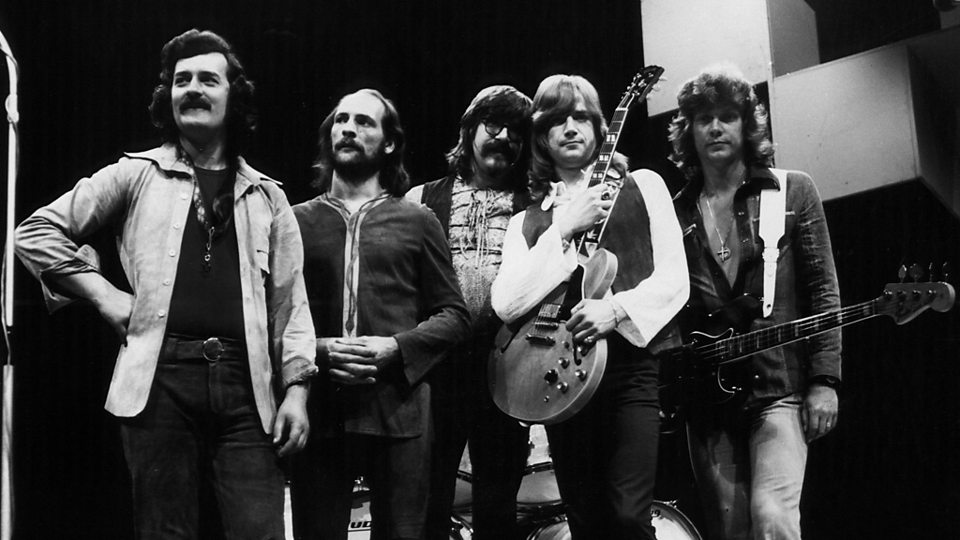
p01bqh8w Ray Thomas, Mike Pinder, Graeme Edge, Justin Hayward, John Lodge

The Moody Blues were deep thinkers in their musical creativity. They could wrap lyrical observations around their cerebral soundscapes. This album was no exception. It shines as maybe the best of their works, and the most enjoyable to listen to in its entirety. Put it in the stereo and drift in the heavens with it.

There are those who might have written-off the Moodies as peace and love, long-haired hippies for the messages…

View original post 1,234 more words

Album Review: ‘For The Roses’ Joni Mitchell – A Sleeper Masterpiece

IMG_2913

Any album which followed Joni Mitchell’s groundbreaking 1971 album ‘Blue’, still considered to be her best by many, would have difficulty in competing with such brilliant, heartfelt songs and musicianship.

Predictably, Mitchell’s 1972 release of ‘For The Roses’ (Asylum), did indeed seem to underwhelm by comparison. Even the title of the album does not exactly inspire one as much as the emphatic ‘Blue’, unless you happened to be a gardener or a seeker of some bucolic escape. Nevertheless, I have to say I find this album something of a sleeper.

Unfair Comparisons

I, like many, first became aware of Joni Mitchell with songs like ‘Big Yellow Taxi’, songs which made you stop, listen and take notice. Then along came ‘Blue’ and the plaudits, rightly, went bananas. Then, at least to me at the time, a youngster barely in his teens, there seemed to be a bit of a lull. Suddenly it was 1974 and the wondrous ‘Court and Spark’ was released, another groundbreaking collections of songs. Somewhere in the middle of all that came ‘For The Roses’. It has only been over the last fifteen years or so that I have come to appreciate how good this album is.

And it turns out the album’s name and character did indeed indicate the singer songwriter’s partial retreat from the hurly burly of superstar life. So here are songs perhaps less intense than ‘Blue’, but reflective of a different inner life, the beginning of her more observational, anecdotal story telling songs which have become so much a trademark of her later career.

Retreat

The opening track ‘Banquet’ sets the tone firmly, yet gently, indicating her retreat from all the pandemonium, stepping down towards the shoreline and taking a wider philosophical look at life and all its absurdities. Here too I can sense the true beginning of her more jazz-folk inspired trajectory, followed up in the next acoustic guitar driven track, ‘Cold Blue Steel and Sweet Fire’.

If the first two tracks evoke a certain subjective melancholy, track three, the more upbeat ‘Barangril’, really brings out Mitchell’s great gift of taking an everyday snippet of daily life and turning it into a timeless masterpiece of modern Americana.

‘Lesson in Survival’ returns to the reflective melancholy, but beautifully so. Few songwriters, one would imagine, have ever been so well read. The wish for escape is overpowering. ‘Let the Wind Carry Me’ continues with the theme, but gives us more than a glimpse of parental influences, how they seem to us as we age when we realise Mum and Dad were not perfect either. I love the little jazzy flourishes with the voices and wind instruments in this song, something she would continue to perfect in later albums. In this song they evoke the whistles of steamers.

Wild Canadian Expanse

It has been said before (probably by me previously too) that Russian composers like Rachmaninov can’t help but sound like the vastness of the Russian Steppes. I think the same goes for more contemporary Canadian composers too, particularly Joni Mitchell and Neil Young. In ‘Let the Wind Carry Me’ I can hear the vast open plains of central Canada where she was brought up and also the equally wide Pacific Ocean off California.

‘For the Roses’, the title track, is an understated guitar song of exquisite guitar work and minimal arrangement, critiquing the lifestyle she has become accustomed to and which she is now eschewing. ‘See You Sometime’ is more straightforward, reflecting on former loves, their lifestyles, in a major key, leaving open the possibility of staying friends.

Transition Period

‘Electricity’ is a beautiful guitar track, spanning this transition period. ‘You Turn Me On, I’m A Radio’ might also have appeared on an earlier album, but served the purpose of being a catchy hit single from this album.

‘Blonde in the Bleachers’ definitely looks forward, another anecdotal snippet finding meaning: It transforms beautifully in the middle to a more soft rock number with sophistication. ‘Woman of Heart of Mind’ really does sound to me like it was composed a year or so prior to the album’s release – it is, nevertheless, beautiful and understated.

The final track, Judgement of the Moon and Stars (Ludwig’s tune)’, is probably the most sophisticated piano based track on the album, Joni leaving us typically with a philosophical view based on much reflection. The arrangement of wind and strings is also tasteful.

Overall, this is still one of my ‘go to’ albums. It helps me relax and reflect, probably the desire of the composer at this particular juncture in her life. It is generally understated and certainly not her best offering – yet it is still a great album in my view.

copyright Francis Barker 2020