Sunday Poem: The Blooded White Rose

black and white nature flowers close up view
Photo by Jack Hawley on Pexels.com
The car parked marked with an R,
as if your spirit had hovered 
for half a millenium to mark 
the deconsecrated spot. 
A few inches either side 
and you may have been lost forever, 
though there was little chance of that, 
so precisely did you engage with the living, 
the aggrieved who wished to dig up 
your true reputation 
with those poignant bones. 
The sight of that curved spine, 
it touched our hearts, 
wincing at the thought of you 
holding a sword and swinging it, 
yet swing it you did 
to save your country, your soul. 
The wounds so clear, 
graphically revealed the ignominy 
of your passing, the blood lust 
and hate of those thrusting 
at the legally occupied throne. 
History is just a story, after all, 
to which most of us consent, 
but I think of you often, Richard, 
the bloody white rose 
cut too soon on a dark August day.

copyright Francis Barker 2020
Support Us

On This Day 218 BC: Hannibal Routs the Romans at Trebia

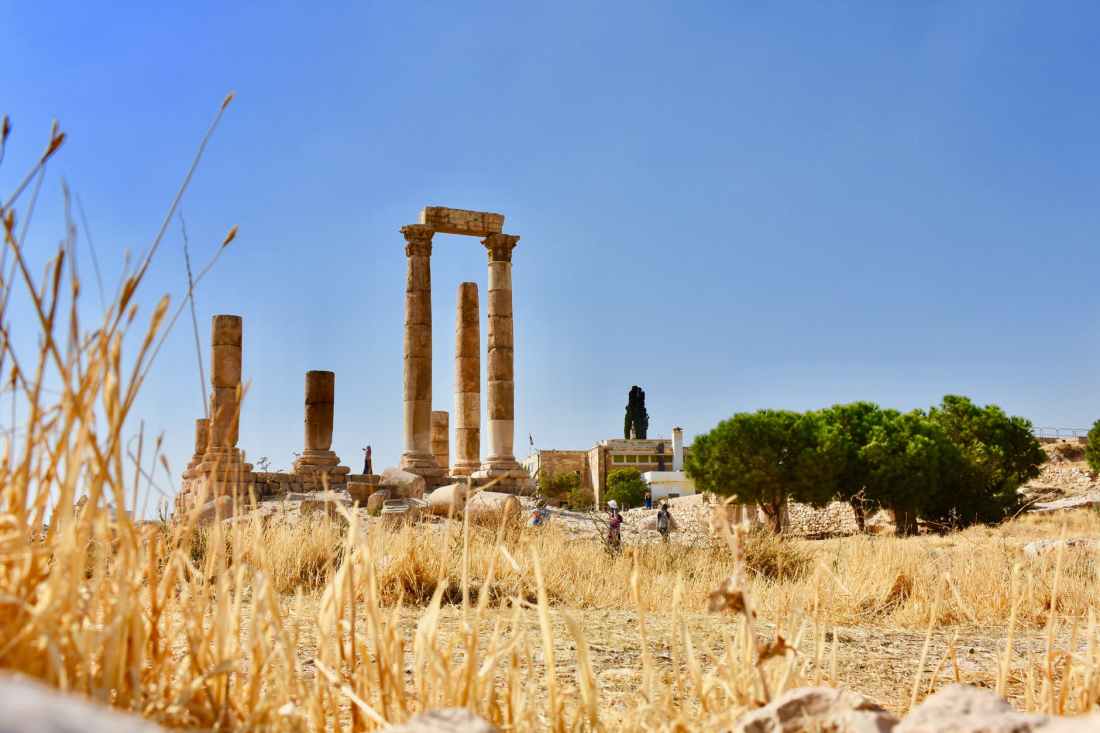
temple of hercules at the amman citadel jabal al qal a
Photo by Edneil Jocusol on Pexels.com

The first serious encounter of the Second Punic War ended in a decisive victory for Hannibal and his Carthaginian army at Trebia in northern Italy in 218 BC. Whilst the Carthaginian losses were relatively few, the Romans sustained massive casualties, quite possibly losing up to three quarters of their 40,000 strong army.

Although Hannibal was to ultimately fail in defeating the Romans in the long term, he came very close to succeeding. The Punic Wars were all about who controlled the Mediterranean and beyond. In the early years the Carthaginians were masters of the region, with settlements in Sicily and Spain, as well as their burgeoning homeland in north Africa.

When Rome began to flex its muscles and seriously rival the Carthaginians during the third century BC, war was inevitable. Hannibal famously took the war to the Romans with an incredible invasion with a massive elephant led army through the Alps and into Italy, an audacious attempt to finish off the Romans once and for all. It nearly came off – but not quite.

Eventually, as the Romans later got the upper hand, they were to literally wipe Carthage off the map in one of the most heinous acts of revenge ever seen.

copyright Francis Barker 2019

Haiku: Civilisation

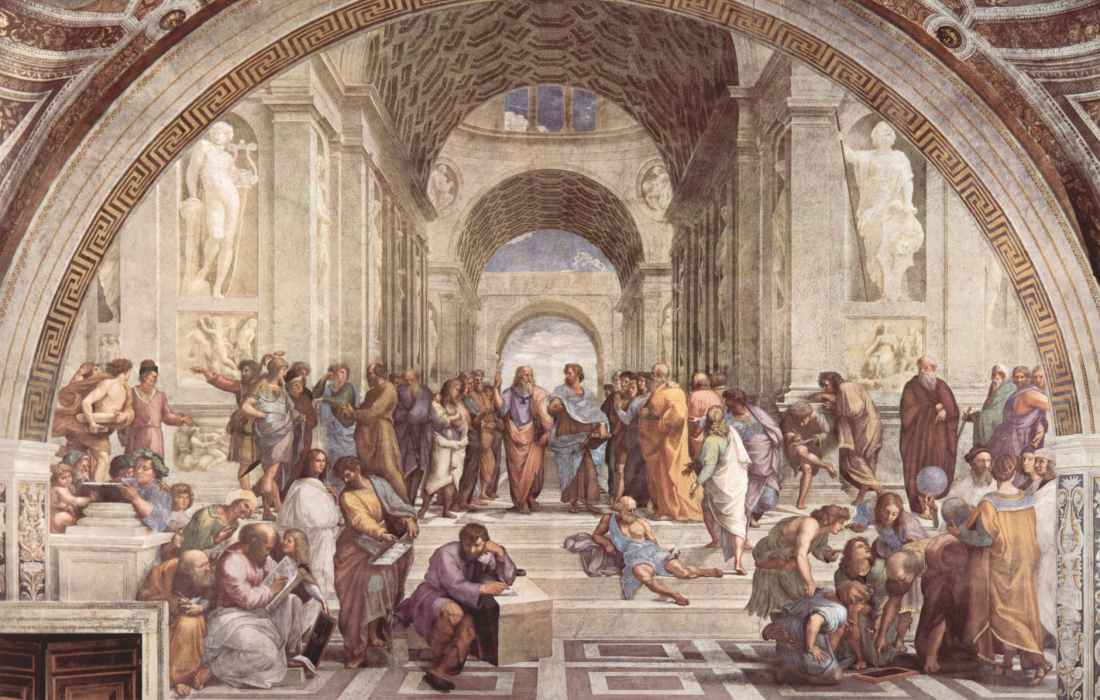
nativity painting of people inside a dome
Photo by Pixabay on Pexels.com

Civilisation
The first city is unearthed
Let battle begin

copyright Francis Barker 2019

Poem ‘English Blue’

English Blue

Walk with me
into the grey breaking dawn

where that sticking ridge of blue –
an English blue

rolls on into soft distances
and strange dancing names

Stand with me
by those set whispering stones

in a steadfast line –
a sore English line

of rasping pipes and howling socks
mouthing our memory

like a warning to tomorrow
a land forlorn to all but itself

Then help me to bury him
not on some crying strand –

in firm English land
where hallows’ calls are grounded

our grief laid open
in the whitening bones of heroes

on this high scoured hill

*First published in ‘Poetry 24’ June 23 2011 and in the collection ‘Anonymous Lines’ available at amazon.co.uk

poem and image © copyright dfbarker 2012

This was initially inspired by the summer solstice at Stonehenge, the large gatherings there.
Then I thought of all the other generations, what they thought of the standing stones, what they meant to them.
This is also a tribute to pre-Norman England, its freedoms that were lost, so almost takes the form of an elegy to a fallen Old English hero.