The first shots and eventual capture of the American Revolution began at Fort William & Mary on December 14, 1774.
This fort in New Hampshire saw the only action of the subsequent American Revolutionary War to occur in the New England state. This initial attack was carried out by local patriots under John Langdon.
Whilst Brexit appears to be basically achieved, it is still unclear as to the nature of Britain’s relationship with the EU following our exit.
But of course, this has been an extraordinary year for other reasons. The government’s, and in particular the Prime Minister’s handling of events of this year, have come under much critical scrutiny.
I don’t recall any government with such a majority ever falling from grace so quickly. It is difficult to see it recovering, even in the long term. For whilst there does not have to be another general election for four years, I think that the present paradigm of political parties have run their course.
In my opinion, the winner of the next election, which may not be that far away despite the governments majority, will likely be the leader of new party.
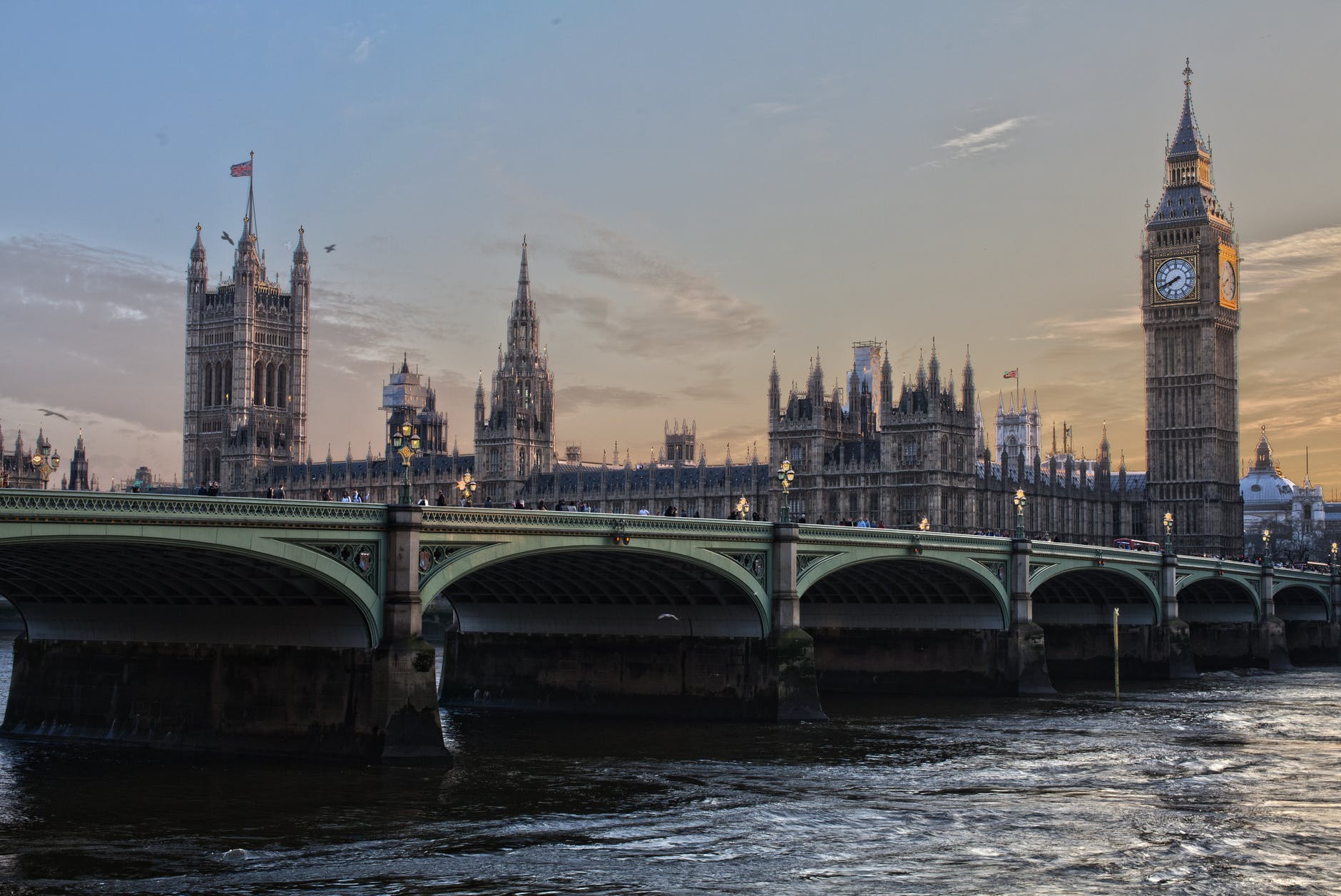
On this day in 1936 the instrument of the abdication of King Edward VIII was endorsed by the Westminster parliament in London.
Later on the same day, Edward spoke to the nation and the world via radio, his faltering voice revealing the deep sadness he felt, that could not fulfill his kingly duties and at the same time marry the woman that he loved, the American divorcee Wallis Simpson.
Never formally crowned King, his younger brother, George VI would be coronated the following year. Edward, known as ‘David’ to intimates, would spend the rest of his life in exile with his wife, taking the title ‘Duke of Windsor’. He died in 1972 in Paris.
In one of its more significant and, in fact, truly historic moves, the Westminster parliament in London approved the Statute of Westminster on this day, December 11 1931.
Whilst largely forgotten today, this act effectively began the major phase of reducing the power and reach of the British Empire, marking the beginning of the Commonwealth. The dominions of Canada, Newfoundland, Australia, New Zealand, South Africa and Ireland were granted equal status and full autonomy, whilst still adhering allegiance to the Crown of Great Britain.
A lot has changed since then; Newfoundland is now a province of Canada (Newfoundland and Labrador since March 31 1949), for example. The Republic of Ireland is truly independent, whilst within the bounds of the EU.
Even the integrity of Great Britain itself has come under threat with strong nationalist movements in Wales and particularly Scotland.
Time will tell if the United Kingdom breaks apart, or re-constitutes itself, once outside the of the EU.
Rooks settle squawking on willow, blotches of black against interminable grey. Patches of snow remain, dappling the manky grass, where a lone sparrow hops around, in hope. The limp Union Flag smothers St George in the dank, freezing air, a nation sleepwalking in a bizarre masque. Winter’s privation bites deeper this year; do the birds suspect — do they know? And where do we go?



 Ciscography