Queen ‘Bloody Mary’, A Short but Infamous Reign – Astrology Musings

card dark floating focus
Photo by Leo Cardelli on Pexels.com

Queen Mary the First of England, popularly known as ‘Bloody Mary’, because of the great numbers of Protestants she had executed by burning at the stake, is one the country’s most notorious monarchs.

She became Queen after the attempt to install the unfortunate Protestant Lady Jane Grey on the throne failed.

Mary proceeded to turn England back to the Catholic faith, a religion which was, however, still very much ingrained in most of English society, particularly in the shires and in the north.

What does her birth chart reveal?

Autocratic, reactionary personality

We must remember, especially in the days of absolute monarchism, that the ruler’s influence was all pervasive and so their personality (birth chart) would have imposed itself upon the character of the country.

When she was born Capricorn was rising with Mars and Pluto close by on either side of the ascending degree.

In many ways, this symbolises her reputation as ‘Bloody Mary’, Mars (representing fire) rising in Capricorn suggests a powerfully autocratic and rather conservative personality and with Pluto working in tandem, she wasn’t afraid of implementing drastic changes, even if they were ‘reactionary’ in nature, namely the burning of over 300 Protestant martyrs.

Ingrained sense of spirituality

What we must remember is that even though her father Henry VIII broke with the church of Rome, he remained essentially a Catholic.

Her brother’s rule over the ensuing six years did see a full blown attempt to make England a Protestant country – but it was only six years. As said earlier, most of the country would have probably welcomed a reversion to the old faith, at least at the beginning of her reign.

Mary’s ruling planet was Saturn and was found in Sagittarius (sign of religion) in house 12 (inner life), in good aspect to a Mercury (mind) Neptune (spirituality) conjunction in Aquarius.

Impressionable and sensitive

Mary had this sense of spiritual sensitivity ingrained within her mentality and obviously had a very intimate connection to the numinous, quite clearly inherited from her mother, Catherine of Aragon, the former queen.

To strongly underline this, she was a Sun Piscean too, with Venus also in that sign in house 3 (also mind). She was highly sensitive and impressionable with an instinctive love of deeper, spiritual, ritualistic things which she liked to talk about and to simply be around.

Dichotomy in the character

However, most importantly, she was born at the exact time of the full Moon, which was found in Virgo in house 9. Here is an essential dichotomy in her nature.

Her deeply spiritual essence was at odds with her naturally fastidious manner, a strong tendency to be critical and to analyse.

This must have made her a very difficult person to deal with at times and this must have contributed to her increasing unpopularity among her underlings and the people at large at the reign went on.

Controversy everywhere

One of the most controversial things she did was to marry King Philip II of Spain, another staunchly Catholic monarch ten years her junior, which brought England very strongly under the influence of this great emerging world power.

Many thought that this would undermine England’s independence, but Mary would have seen this a natural consequence of the marriage, which, had she lived another fifteen years, might well have guaranteed England’s future under what she would see as the wing of Catholicism.

False opportunities – castles made of sand

Looking at Mary’s house 7 of marriage, she has an exalted Jupiter (but retrograde) in Cancer in good aspect to the tension created by her Sun and Moon opposition. This hints at good opportunities through marriage and alliance.

Here we can perhaps see symbolised a way out of her predicament of being one of the first female monarchs, with Jupiter representing an opportunity through marriage not only to secure her throne because of her apparent inability to deal with the situation she was in, but to also produce a Catholic heir and secure the faith within the country.

Sadly for her, none of this came to fruition. With Jupiter retrograde, she was only ever likely to ‘succeed’ inwardly in some more roundabout or spiritually satisfying way, not in the grand manner of marrying the most powerful man in the world at that time.

Her reign lasted just five years and with the accession of her canny sister, Elizabeth, England began the long, slow road to becoming a truly protestant nation.

copyright Leofwine Tanner 2019

 

King Henry VIII – Tyrant? Astrology Musings

adorable-baby-child-929435
Photo by Alexey Makhinko from Pexels

Anyone brought up in Great Britain, or in fact anywhere in the world, is probably familiar with the character and the life of King Henry VIII, probably England’s most famous and notorious sovereign – he of the six spouses. Does his birth chart reflect this personality and what else might it reveal?

Henry had the Sun in Cancer, Moon in Aries, with a Virgo ascendant. His Cancer Sun gave him an essentially caring, protective, yet sensitive nature, often inflamed, however, by his ardent, fiery, direct and often impatient Aries Moon loosely square to the Sun.

Discriminatory approach

Even filtered through his Virgo ascendant, which would provide him with a highly discriminatory approach to life, this could not prevent this basic dichotomy of his character from manifesting from time to time. We can see this at various times in his life, his impatience and anger.

Furthermore, his ruling planet Mercury is in Leo in the 12th house, exactly opposing Saturn.

Here is a psychologically ingrained mental pride and implacability, which except under the rarest of circumstances, finds it difficult to envisage that it can ever be wrong.

Implacable

In any everyday personality, who would have little influence beyond his family, such a mentality would not constitute a wider threat. However, when you are talking about a monarch of a powerful country, such an attitude can become epoch making, even downright lethal for many people.

It is worth remembering that Henry was no radical, but a true conservative, despite his ‘reputation’ for encouraging the Reformation in England.

Conservative

Quite early in his reign the Pope conferred on him the title ‘Defender of the Faith’, something which Henry was extremely proud of, and a quite fitting title for a monarch with such a stubborn and conservative mentality as symbolised by the quality of his Mercury. The young Henry put up a strong, reactionary resistance to reformers like Martin Luther.

However, whilst this configuration gave him the mental capacity to defend an argument to the hilt and often with great success, as he grew older this same tendency developed into an extreme implacability, far beyond mere stubbornness. This is one of the characteristics that gave him the reputation for being a tyrant.

Jupiter Neptune spiritual cycle personalised

Henry’s chart also has a fairly tight T-square involving Mars at the apex in Virgo in the 1st house, square to both Jupiter and Neptune on the Gemini/Sagittarius 10th/4th axes.

I think this is most revealing. A first house Mars in Virgo in itself represents a diverse, yet practical energy, which would probably sometimes manifest as great irritability when things were not going his way.

Add to this the tension in the Jupiter Neptune opposition, however, which in historic and transpersonal terms is related to the human religious and spiritual cycle (something which would be in all charts for those born around 1491 but made personal here through the contact with a first house Mars) and you can see what might tend to be irritable to him.

Love of scripture

Henry was the second son of Henry VII. Had his brother Arthur lived to become king, Henry might well have a pursued a religious path in some way. Henry clearly had a very strong interest in religion and spirituality, he was very knowledgeable, yet in many ways it proved to be his undoing because it conflicted with his desires as a monarch.

The fact that Mars rules the 3rd house of the mind and the 10th house Venus in Gemini is the ruler of the 9th house, only underlines this. He had a natural love of literature, particularly religious literature, plus a great ability at languages.

King versus Pope

But of course, Henry is most famous for having the six wives. Jupiter is the 7th house ruler, the house of relationships and as we have seen, his 10th house of career Jupiter is involved in a tight T-square, which appears to symbolise the constitutional crises arising from his wife’s ‘inability’ to produces a living male heir. Here we see the needs of the king vying with the fundamentals of religion.

One way around this, was to find an appropriate quotation from the Bible, in Leviticus, in regard to a man marrying his late brother’s wife and the impurity which would result from it; Henry had indeed married his late brother Arthur’s wife, Catherine of Aragon.

Head of the church

It was this argument which was used, stubbornly and vehemently by Henry, though equally opposed by the Papacy and his wife, Catherine. Henry eventually got around the impasse by declaring himself the head of the Church of England, surely equally symbolised by this tight Jupiter Neptune opposition in houses 10 and 4.

But it was something which must have weighed down his conscience for the rest of his life. For despite the break with Rome, Henry remained staunchly conservative in his religious beliefs, as befits that strong Mercury opposite Saturn in the Leo/Aquarius and 12/6 axes.

Vicissitudes in love

So moving on to his love life, we have already noted that his Venus is in Gemini, making him something of a natural flirt (not that all Venus Geminians are like this!), but when we also look at his 5th house of love, we have Uranus present and Saturn is the 5th house ruler.

Uranus would tend to bring sudden, unexpected changes in his love life and Saturn, being ruler of this house, as we have already seen, is in close opposition to Mercury, bringing to bear all his stubborn, arrogant mentality in this area of his life too.

The continual vicissitudes after his first divorce, the sudden demise of Anne Boleyn, the death of his third wife, Jane Seymour, after giving birth to a son, the farce of the ‘courtship’ and marriage to Anne of Cleves etc… are all shown by this 5th house Uranus and the tense quality of the 5th house ruler Saturn.

Sympathy for Henry?

At the end of the day, I have some sympathy for Henry. He never quite came to grips with the circumstances that he was presented with.

His deep sense of faith, his natural conservatism, were tested to the utmost by the needs of his dynasty, the difficulty he and his wives had in producing a living male heir.

This was the classic conflict between church and state, something which he thought he had solved by ‘marrying’ the two together by becoming head of the church in England. I am quite sure, at the end of his life, he never dreamed his life would turn out the way it did.

copyright Leofwine Tanner 2019


Lost Worlds: Crowland’s Triangular Bridge

DSC_0034

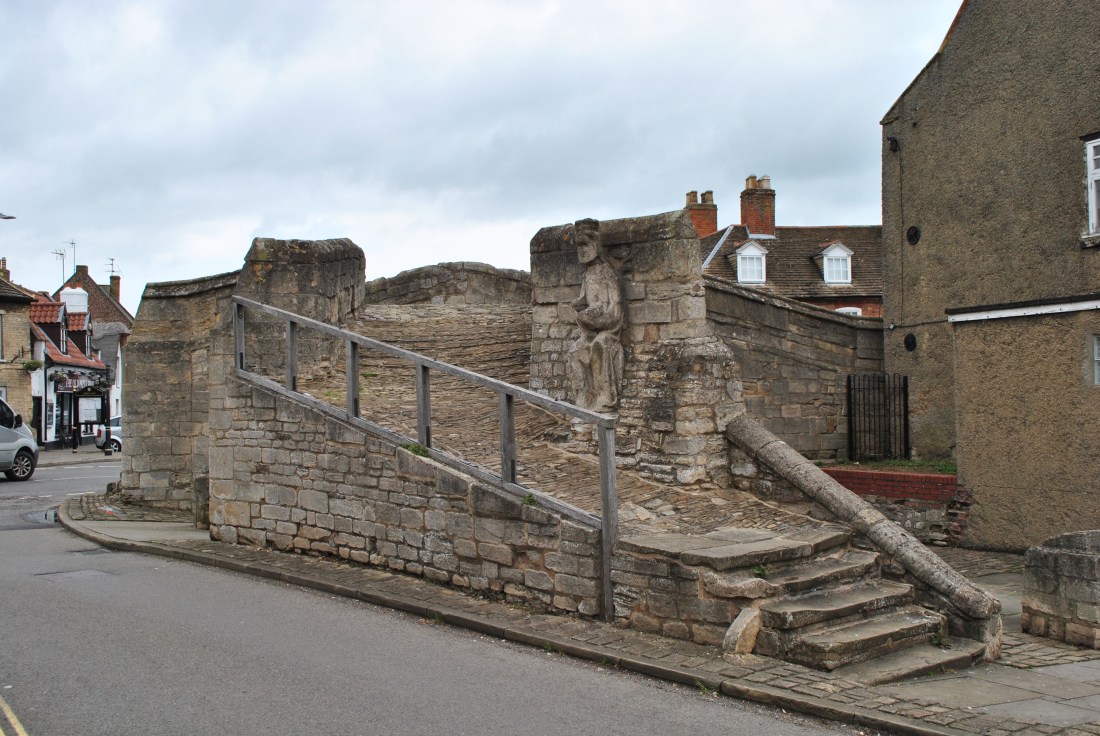
In the centre of the small historic town of Crowland in south Lincolnshire, England, is a most curious piece of architecture, commonly named the triangular bridge.

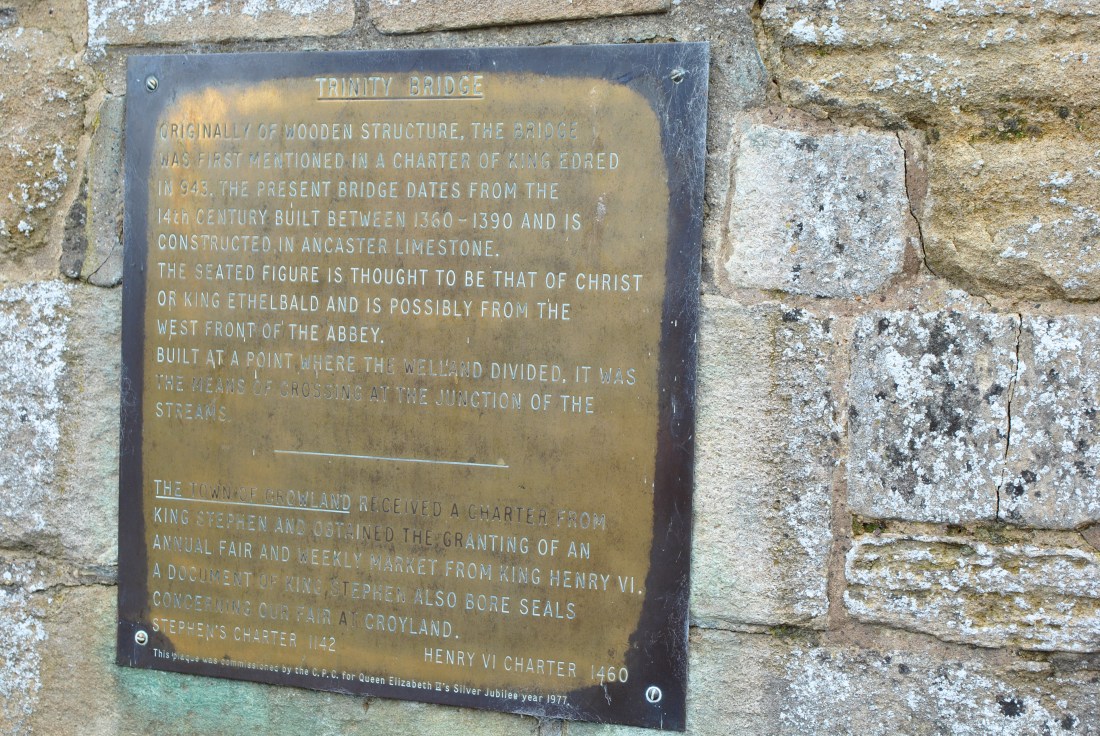
It dates back to medieval times, when the River Welland split into two at this point, reputedly, necessitating the building of this structure. The river now flows elsewhere beyond the town.

DSC_0032 (1)
There is a figure of Christ or possibly King Ethelbald of Mercia, which may have come from the dissolved abbey nearby.

DSC_0031


DSC_0033 (1)

copyright Leofwine Tanner 2019
A Lost World: Crowland Abbey, England Part 2

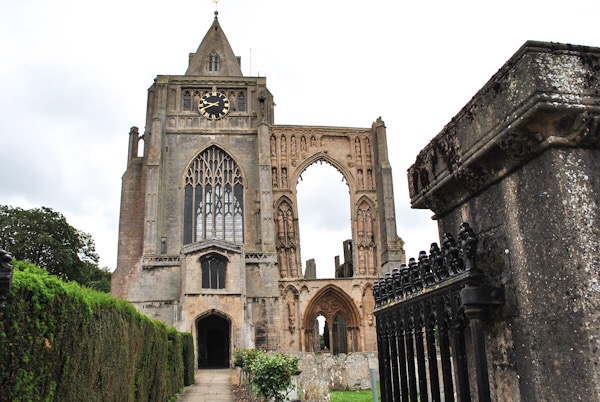
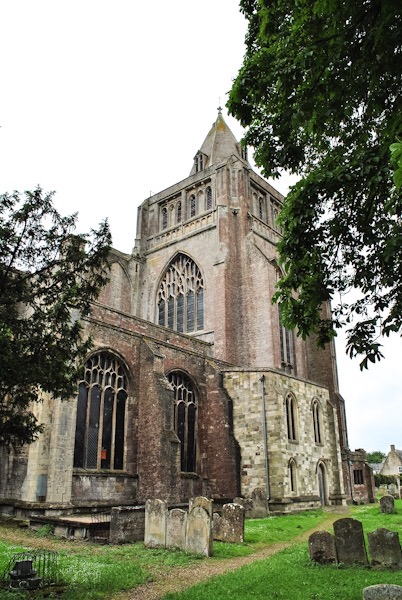
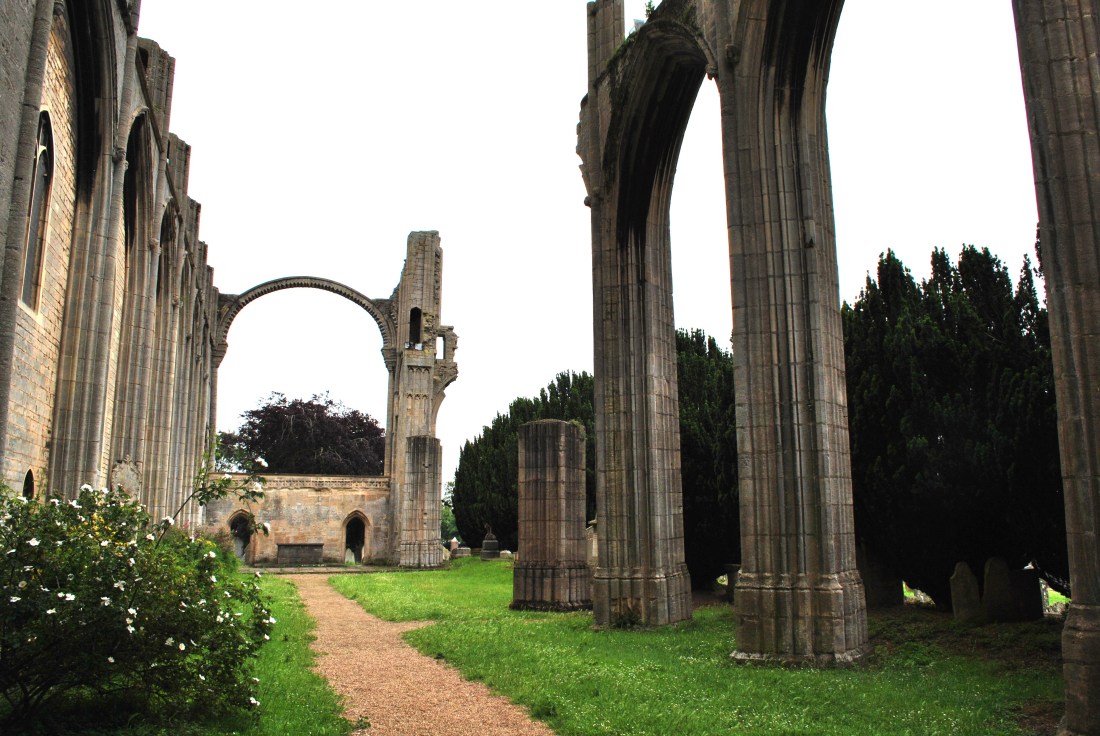
The ruins of Crowland Abbey lie in south Lincolnshire, England. 

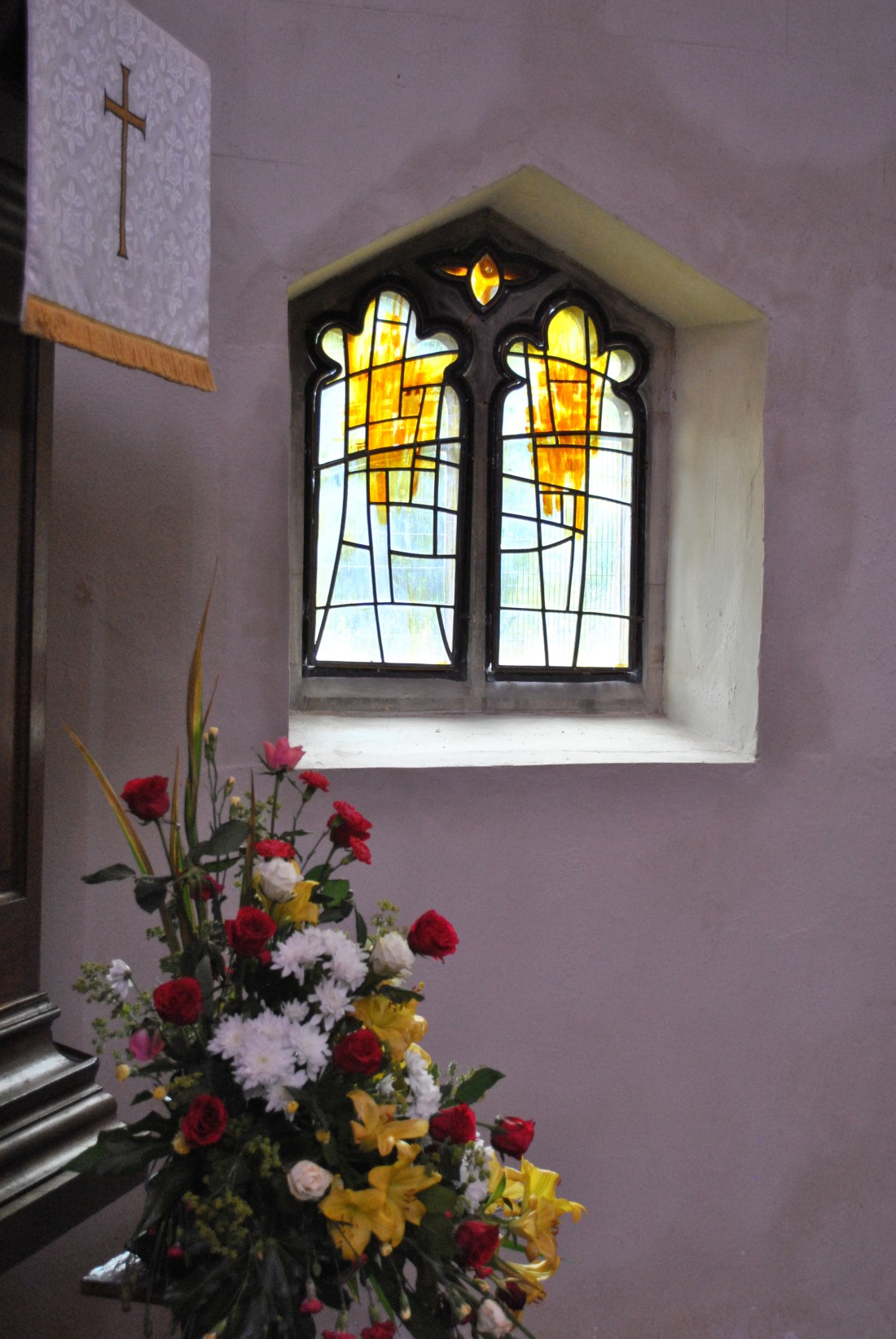
What was once the north aisle of the abbey had been adapted to make the present day parish church.

Croyland is the old name for the settlement.

DSC_0012 (1)
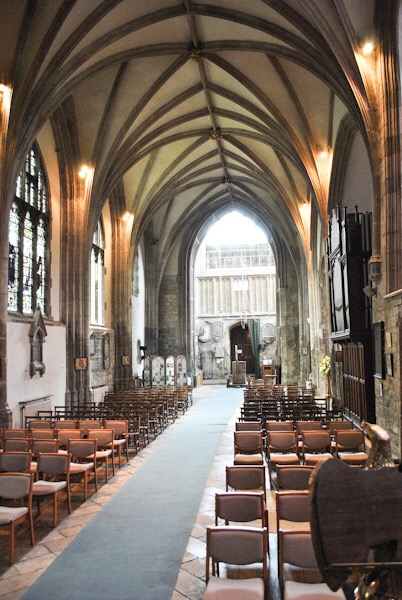
In the nave looking east.

dsc_0017-2.jpg

63363875-3D25-4FCA-9313-3277B1404260 (1)

DSC_0016 (2)

DSC_0014 (1)

DSC_0018 (1)

58CE8995-97ED-4BD3-972A-485217C4F286 (1)
Looking west from the chancel.

A Lost World: Crowland Abbey, England. Part 1

Crowland Abbey lies in the heart of the English fenland region, in the south of Lincolnshire.

3FE3A60B-E265-4DF1-A9F9-4497AE9A76C2

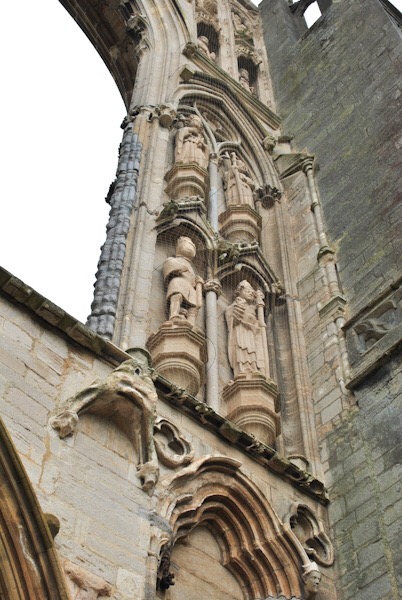
The abbey was one of the more prominent victims of Henry VIII’s and Thomas Cromwell’s Dissolution of Monasteries, an action which made England’s monarch immensely rich.

5CB4F891-17CC-4DB8-A048-26A9C25062A6

The present church has been created by adapting what was once the north aisle of the abbey.

DSC_0008 (2) - Edited

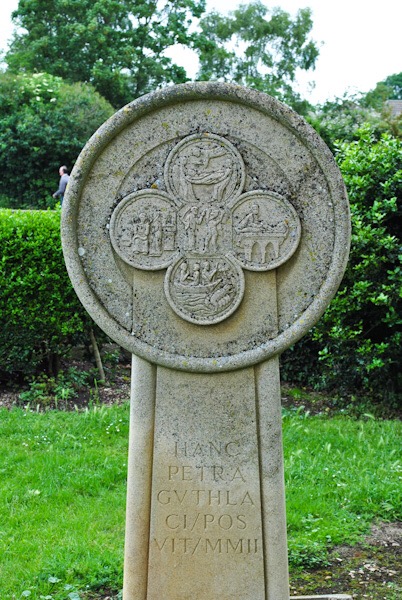
Saint Guthlac was the founder of the abbey in the middle of the so-called Dark Ages. The land all around this area of the Anglian kingdom of Mercia was flood prone, quite isolated, yet with plenty of scope for fishing and fowling, making a perfect location for a monastic centre.

57385DE8-74FF-4E01-8F4F-75DD04B46FED

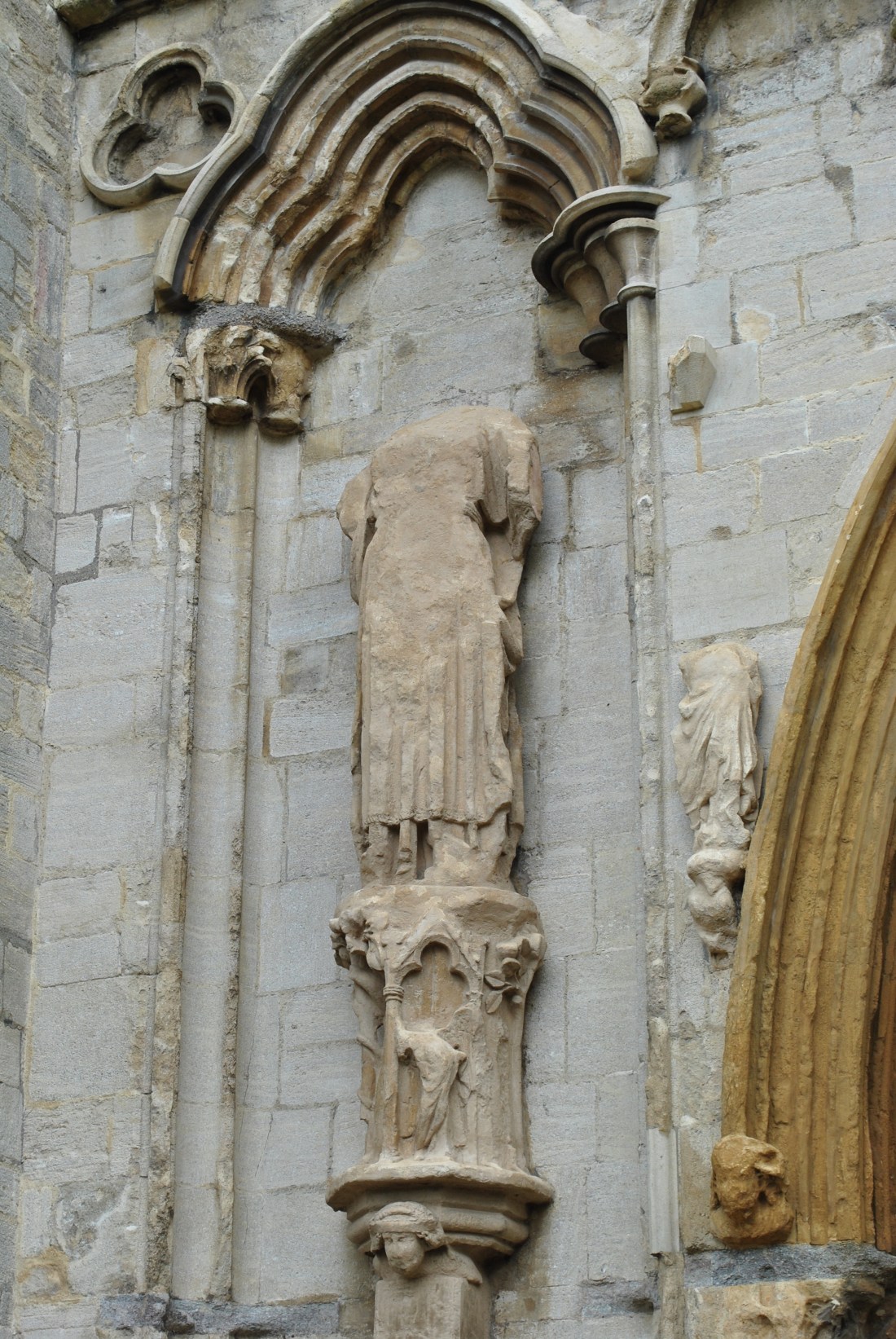
What was not taken down or pillaged following the dissolution, was further violated by Oliver Cromwell and his forces in the 1640s during the so-called English Civil War.

DSC_0006 (1)

E4ED0BDC-FC9B-4339-9037-2AF0D6C1750A52184C2A-633D-4CF9-B6E5-63E052DC16AC

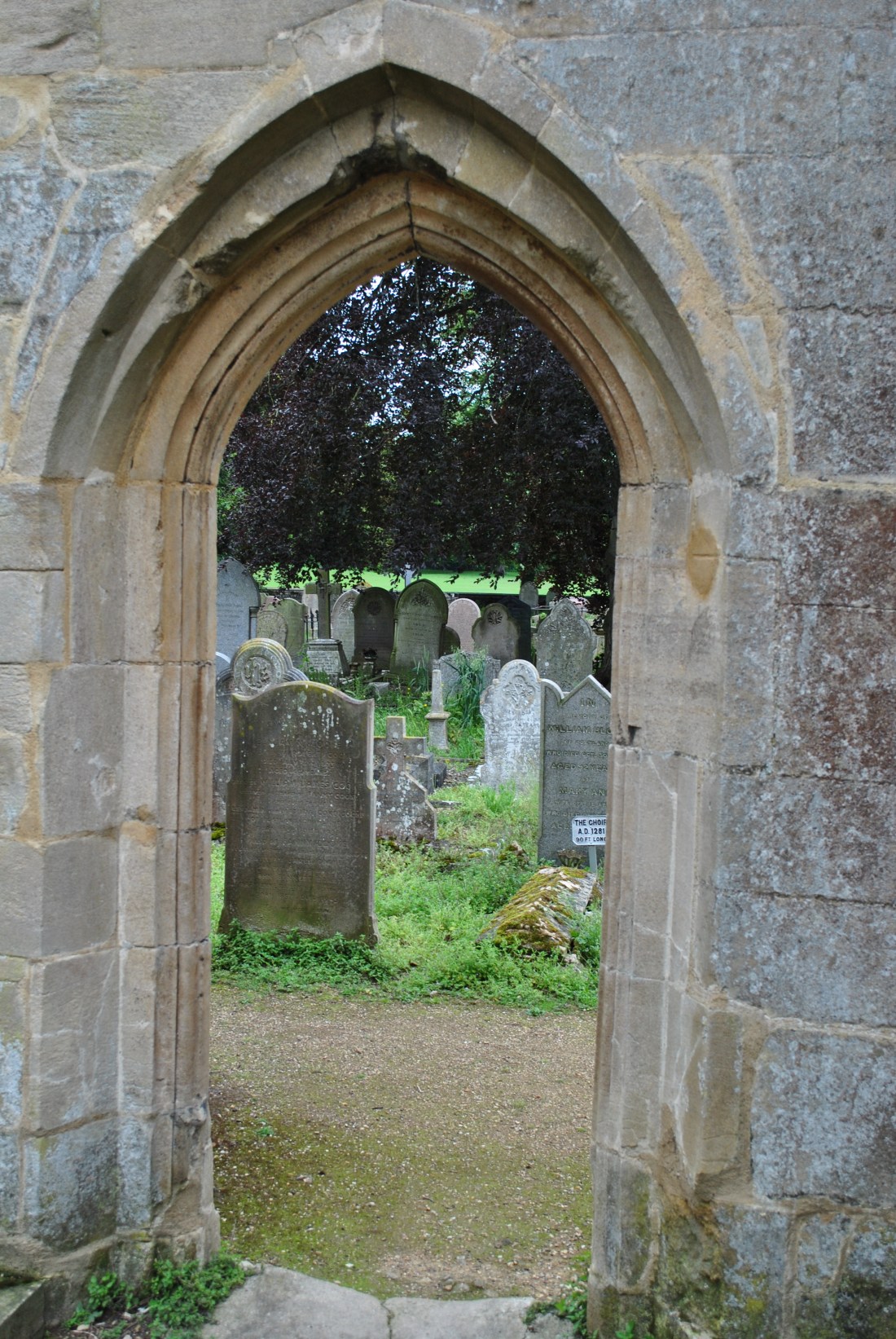
Since then, the graves of the succeeding generations have filled the spaces around the ruins.

DSC_0011

copyright Leofwine Tanner 2019