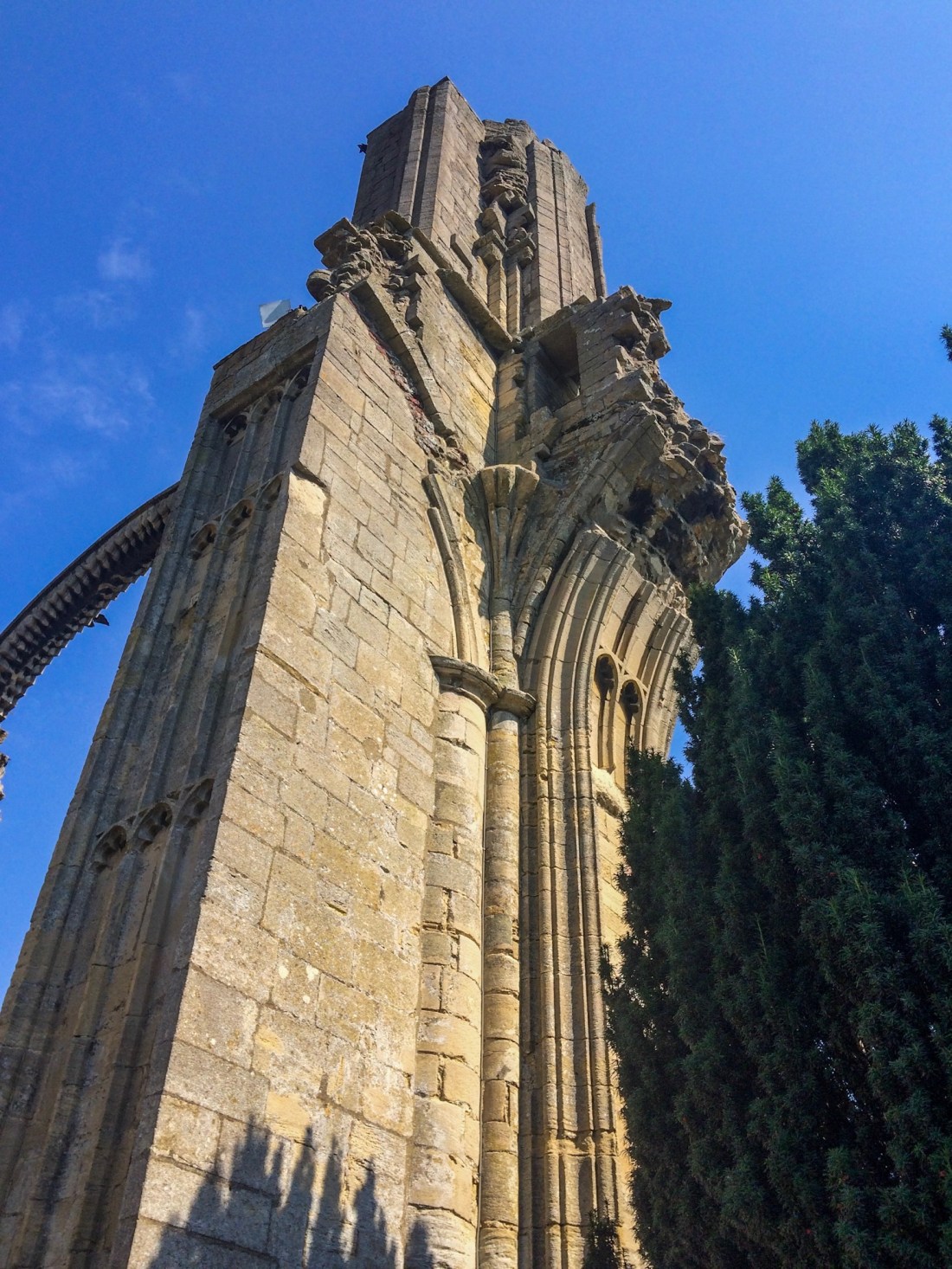


However, during the English Civil War of the 1640s, the rebellious forces of Oliver Cromwell finally took the what remained of the abbey in a siege against the Royalists in 1643. It was at this time that the structure appears to have sustained much more serious damage, as some of the remaining architecture testifies.

copyright words and pictures Francis Barker 2019

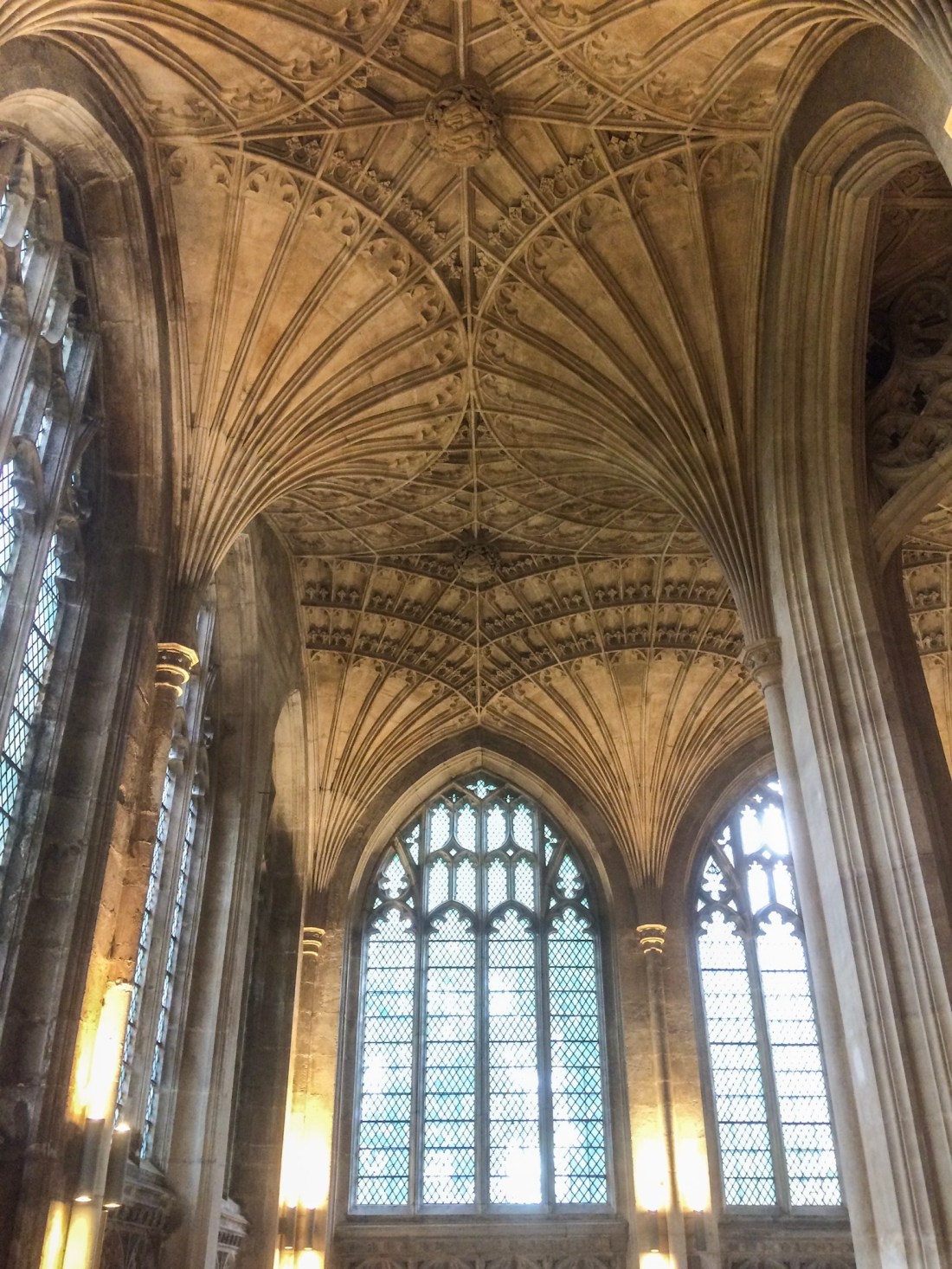
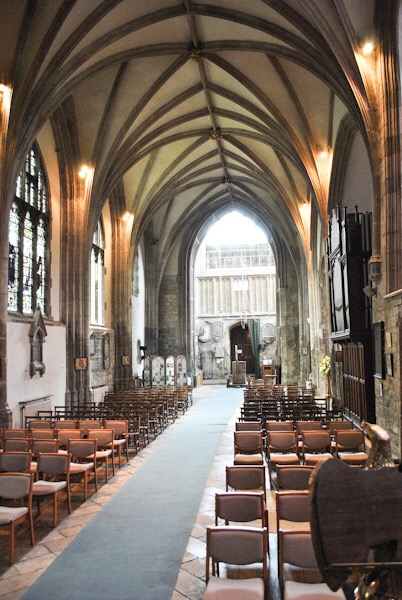
The Gothic fan vaulting at the east end of the cathedral is remarkable.
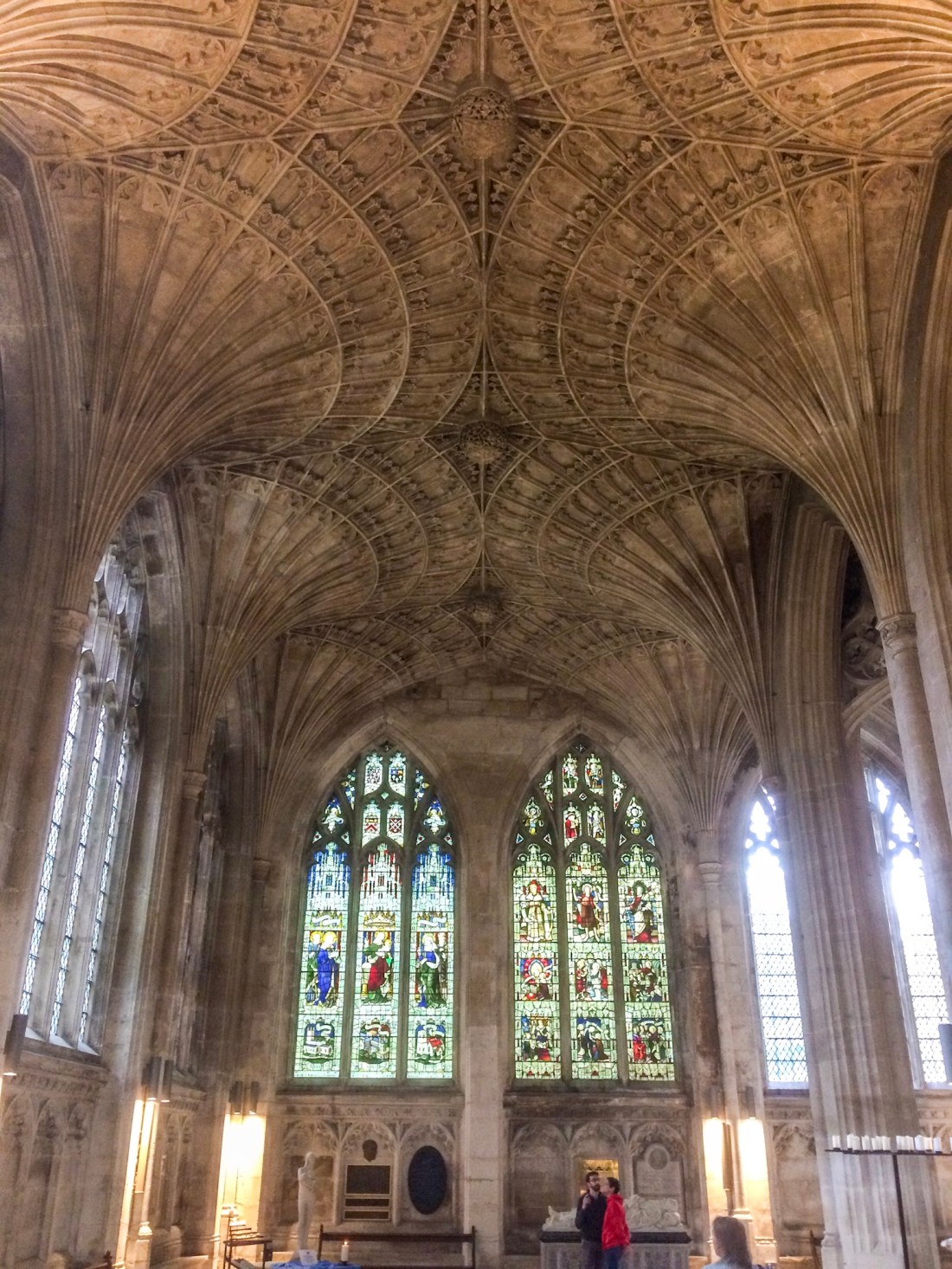

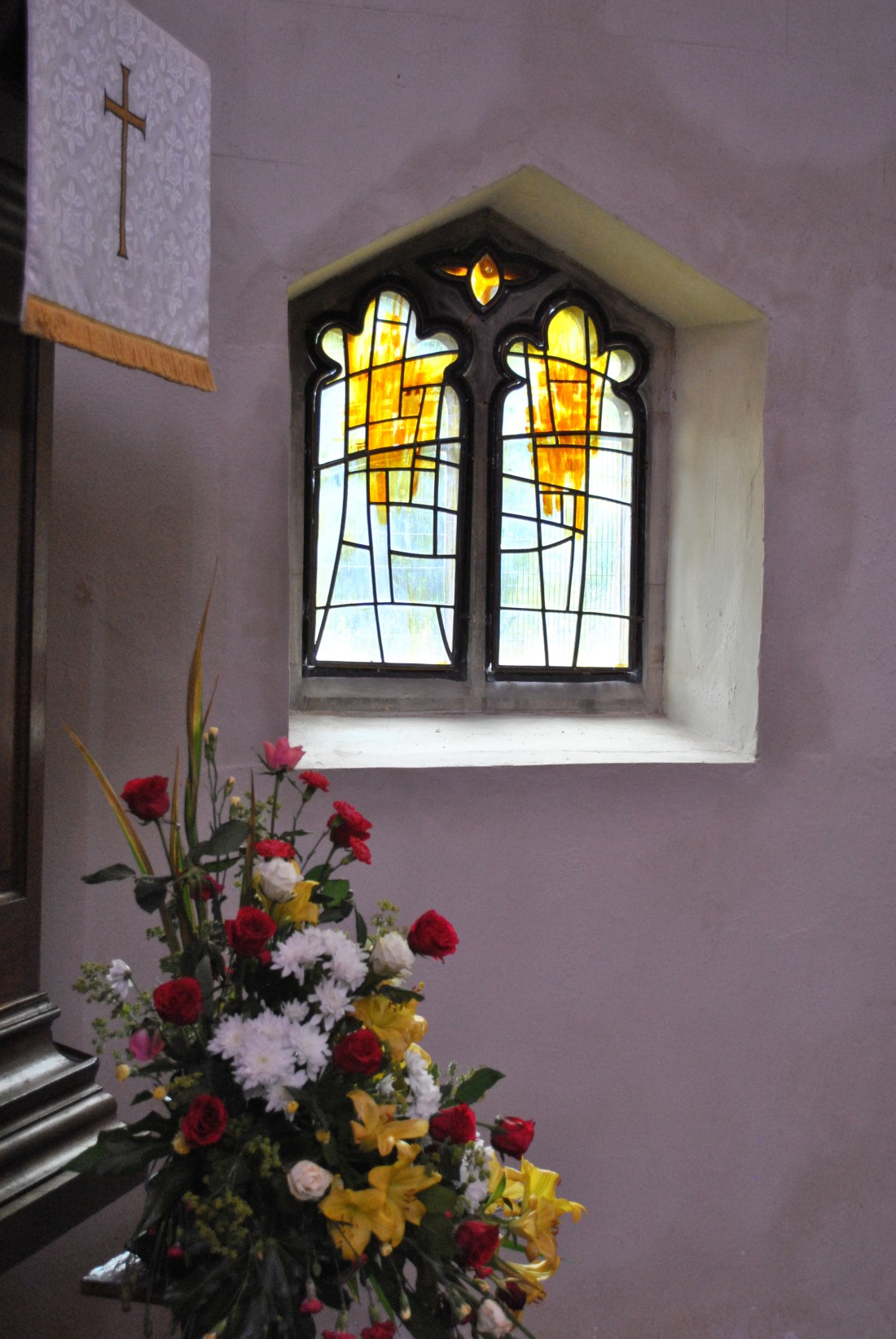
The cathedral also has three notable shrines to saints. The one above is Saint Oswald’s chapel, an old English saint, whose remains (reputedly an arm) were brought here.

There is also a shrine to Saint Benedict with a beautiful wood carving at the entrance. Peterborough Cathedral is in fact the Abbey church of the former Benedictine Abbey, dissolved by Henry VIII when he became head of the Church of England.
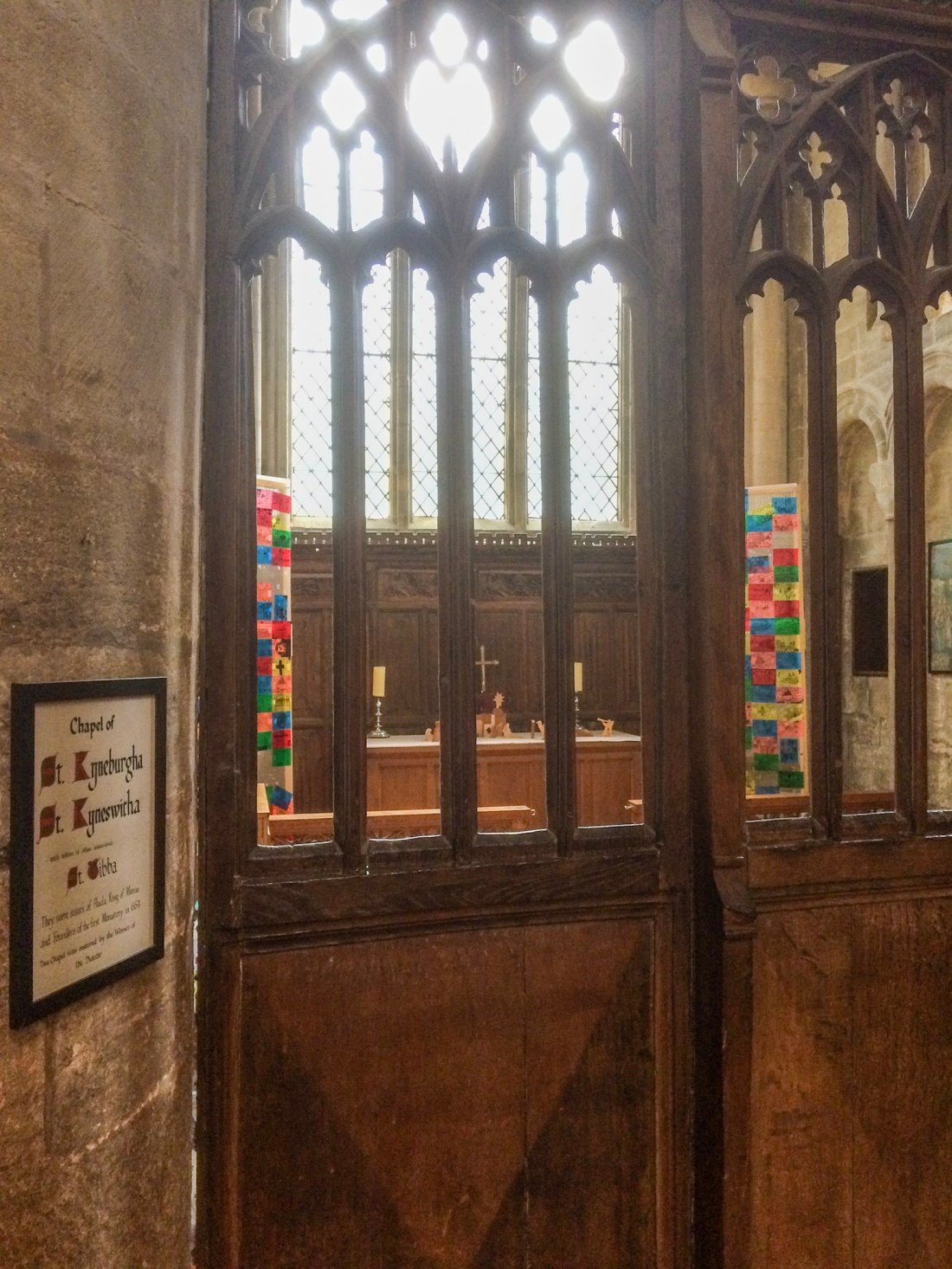
Most interestingly, there is a shrine to three old English (Anglo-Saxon) saints, Kyneburgha, Kyneswitha (spelling varies) and Tibba, unusual but fascinating names of a largely forgotten era.
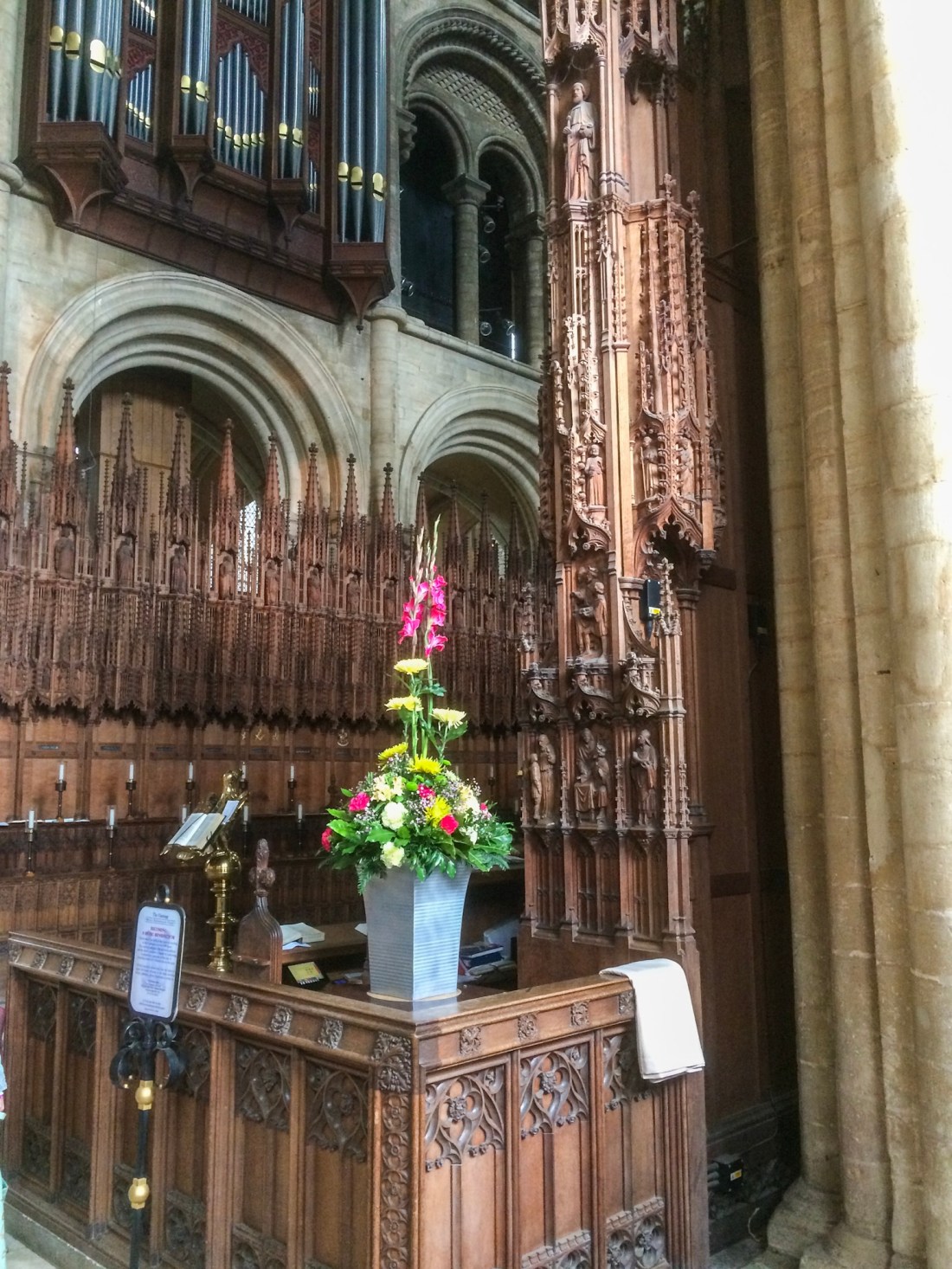
The spacious choir has some wonderful wood carving.

words and photographs copyright Francis Barker 2019

This might be due in part to Lincoln’s prominent setting, Ely’s architectural distinctiveness and York’s admitted supreme grandeur.
Peterborough, by comparison, lies on the edge of the flat fens, yet in one of the primary areas of England for monastic development because of the remoteness of location. In its day, Peterborough Abbey was one of the most prominent in the whole of eastern England.
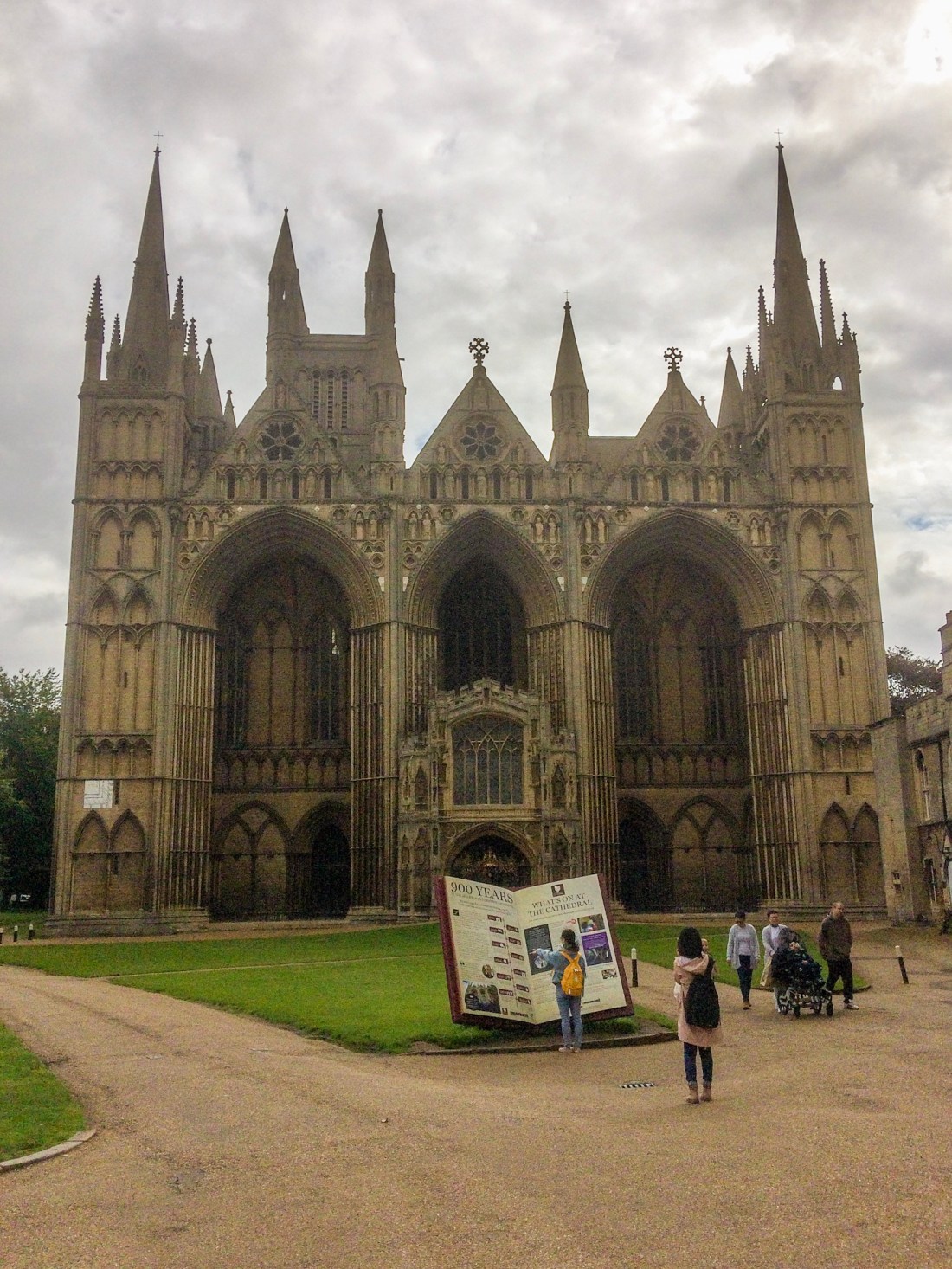
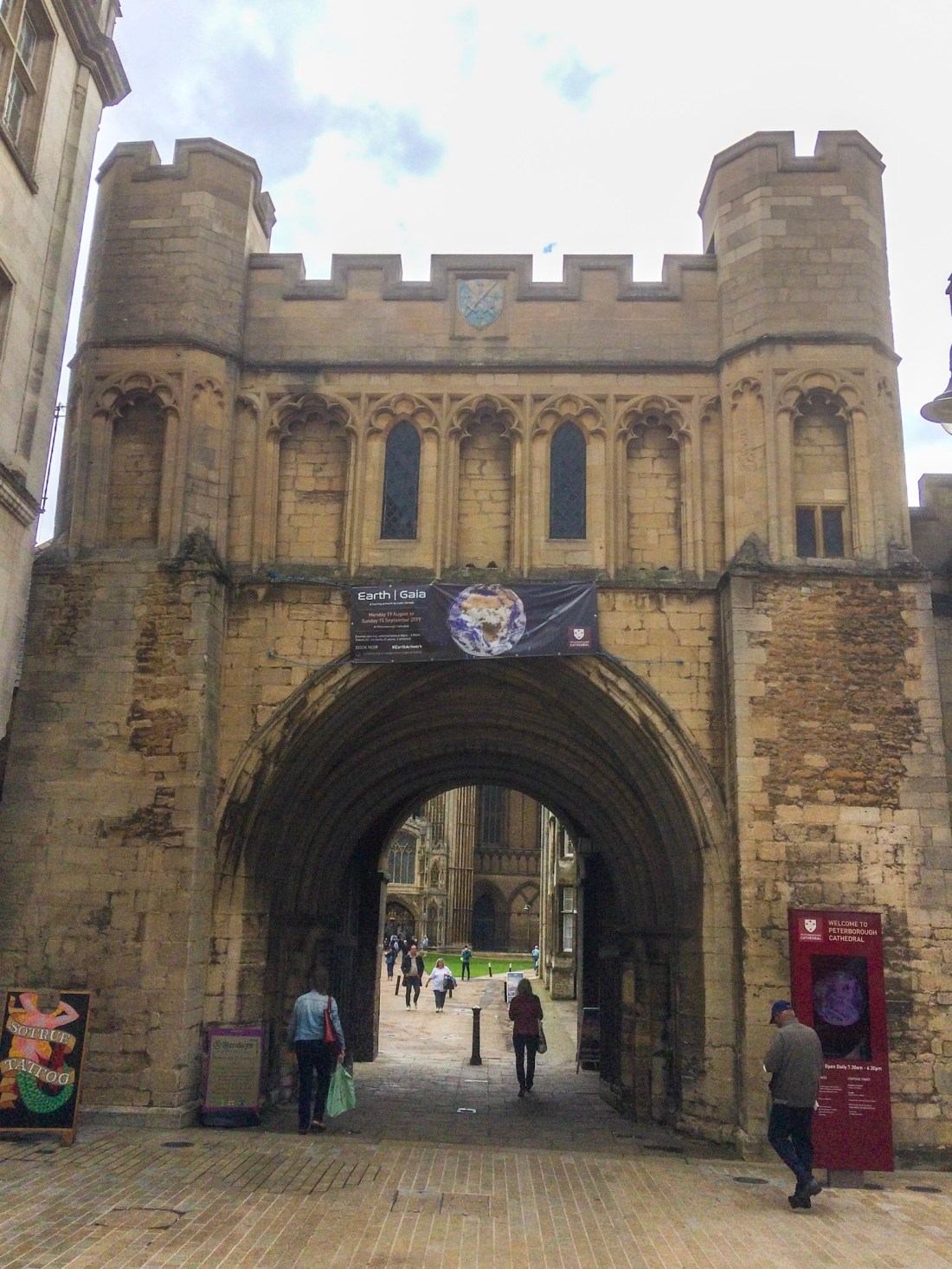
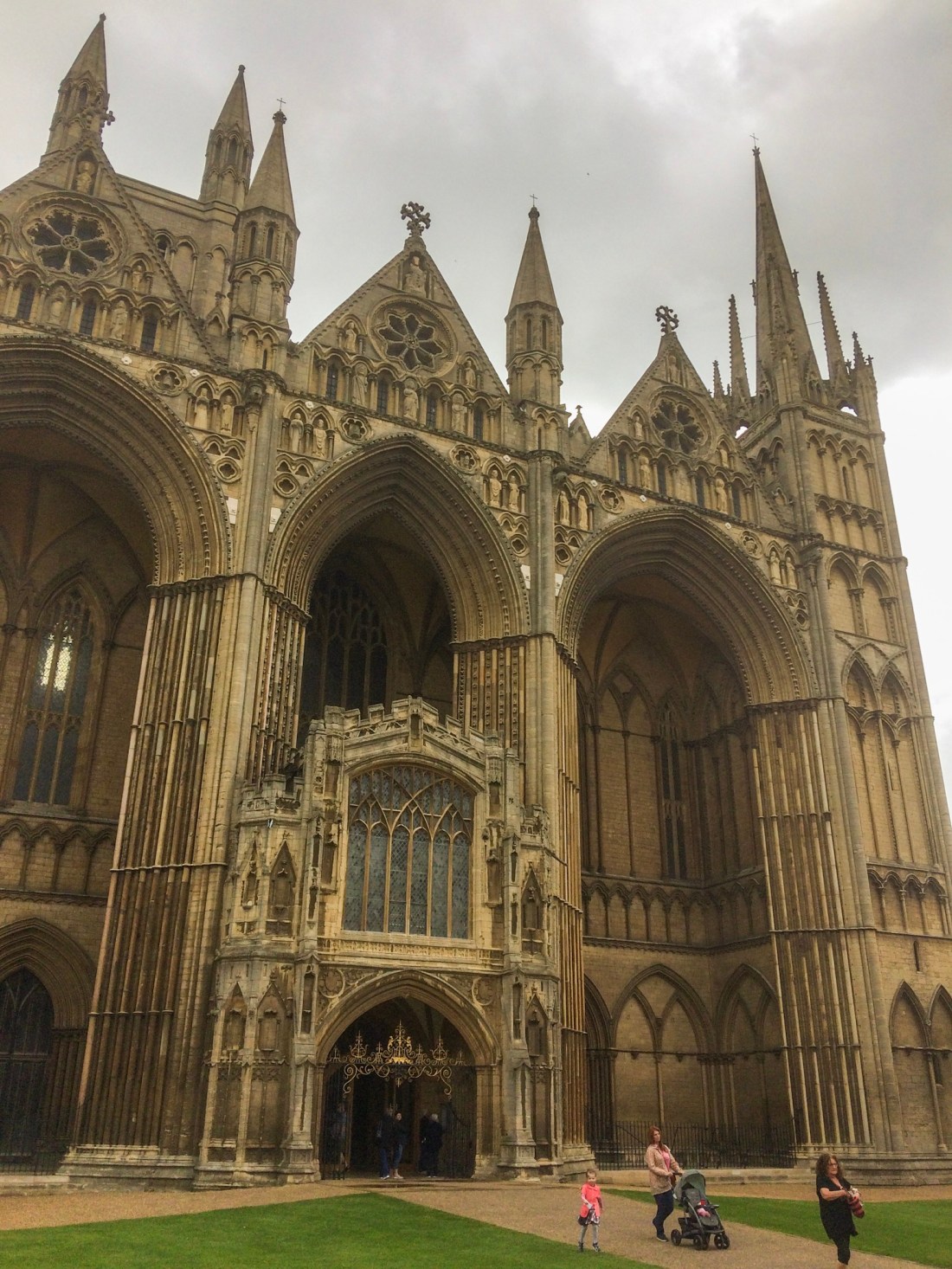
Originally the abbey church of Saint Peter’s Abbey, Peterborough, in the east of England, the present church was granted cathedral status (and thereby preserved) by Henry VIII, self appointed head of the Church of England, during the Reformation in the 1530s, which saw many former monastic buildings taken down and sold off. For this at least we should be grateful to England’s most notorious monarch.
words and photographs copyright Francis Barker 2019
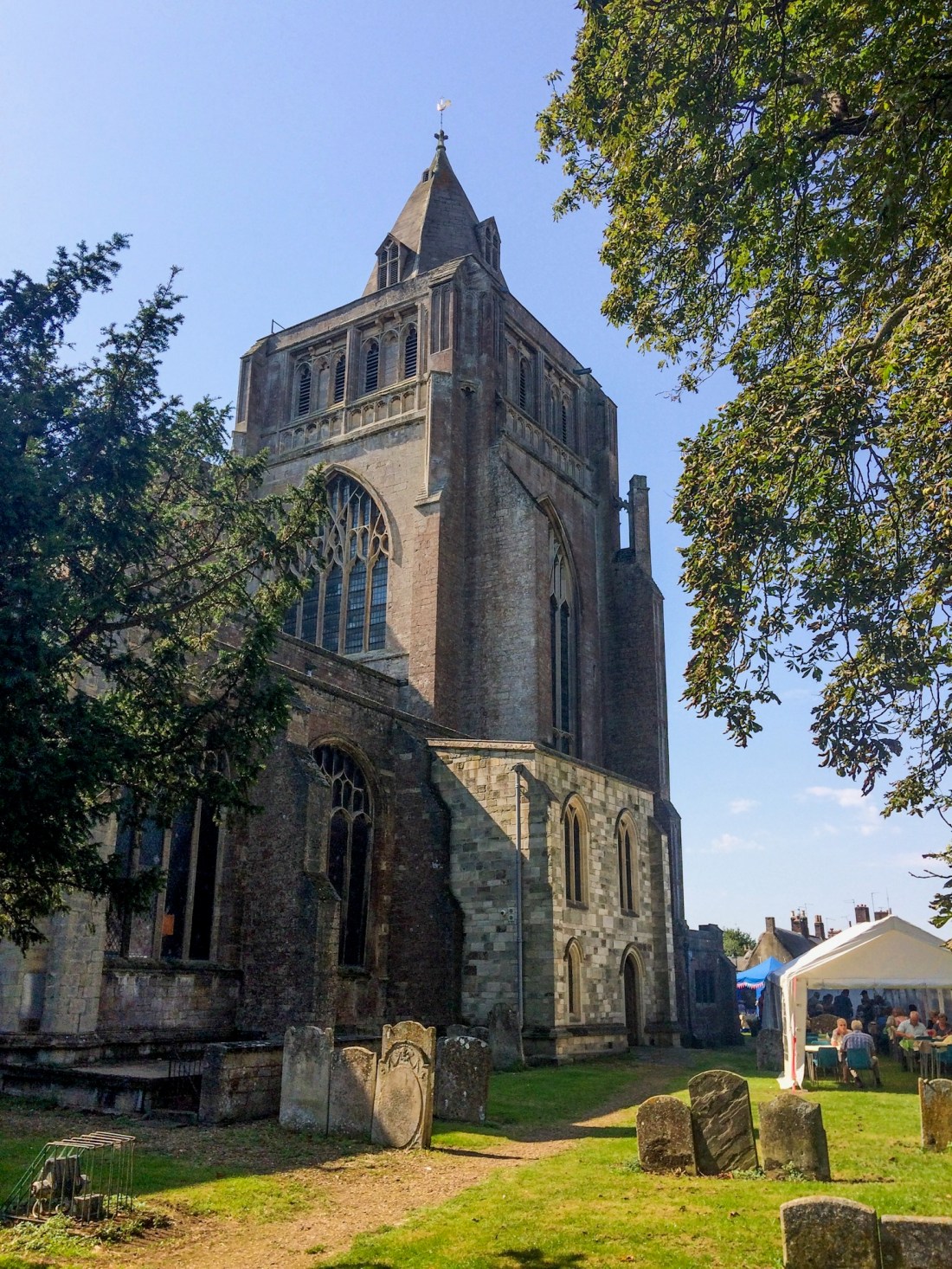
What was once the north aisle of the abbey had been adapted to make the present day parish church.
Croyland is the old name for the settlement.




 Ciscography