Poem: This Side of Domesday

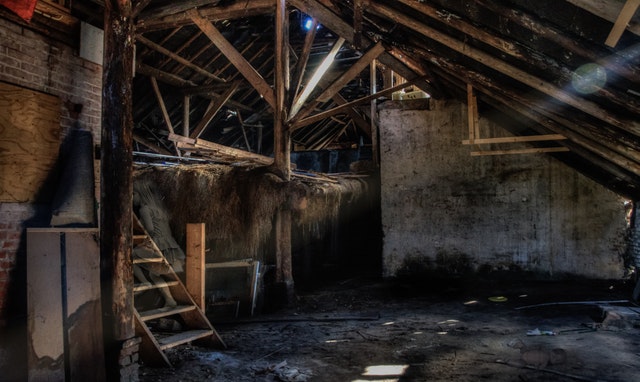
abandoned-barn-child-55656
Photo by Skitterphoto from Pexels

He dwells here in the rafters, they say,
among the bees nests and wood rot,
shifting like some spirit of the night
when modern lights switch on.
From Normandy he came
with looters and carpetbaggers,
led through England’s porous gates
to plunder and destroy,
to establish his lascivious life.
The only gates open now,
beyond haunting this crumbling pile,
are the fires of flaming hell.

copyright Francis Barker 2019
Poem: ‘English Blue’ (for the fallen at Hastings and beyond)

stickingridge

Walk with me
into the grey breaking dawn

where that sticking ridge of blue –
an English blue

rolls on into soft distances
and strange dancing names

Stand with me
by those set whispering stones

in a steadfast line –
a sore English line

of rasping pipes and howling socks
mouthing our memory

like a warning to tomorrow
a land forlorn to all but itself

Then help me to bury him
not on some crying strand –

in firm English land
where hallows’ calls are grounded

our grief laid open
in the whitening bones of heroes

on this high scoured hill


copyright Leofwine Tanner 2019, 2011

first published in ‘Poetry 24’ June 23 2011

May 1092 Lincoln Cathedral Consecrated

Wenceslas_Hollar_-_Lincoln_Cathedral_from_the_west
By Wenceslaus Hollar – Artwork from University of Toronto Wenceslaus Hollar Digital CollectionScanned by University of TorontoHigh-resolution version extracted using custom tool by User:Dcoetzee, Public Domain, https://commons.wikimedia.org/w/index.php?curid=6241265

One of my favourite places, Lincoln Cathedral, was consecrated this month way back in 1092.

To put that into perspective, King William (Rufus) the Second of that name, son of the mighty Conqueror, had been on the throne since 1087. It was only a quarter of a century after the Normans’ hostile (in fact rather brutal) take over of the board of the richest kingdom in western Europe, but already their introduction of Romanesque architecture was changing the landscape of the country for ever.

However Lincoln Cathedral’s early history was blighted by disasters. A fire destroyed the roof in 1124, an earthquake destroyed most of it in 1185.

Nevertheless despite this the structure was rebuilt in magnificent fashion to become effectively the tallest building in the world, thanks to its huge central spire. The triple spire configuration as it was during the late medieval and early modern period must have been an incredible sight. Then, tragically, in February 1549 the central spire collapsed during a storm. The two smaller spires remained for some time until they were taken down for safety reasons.

Even so, Lincoln Cathedral still remains high on its hill, and is at least to my mind, the best cathedral in England and therefore one of the best anywhere. If you are in the region it’s well worth a visit.

There is much more I could say about the cathedral and the city but I will leave that for future posts.


THE RUSSIAN VIKING

Great stuff here and fascinating

Poem ‘English Blue’

English Blue

Walk with me
into the grey breaking dawn

where that sticking ridge of blue –
an English blue

rolls on into soft distances
and strange dancing names

Stand with me
by those set whispering stones

in a steadfast line –
a sore English line

of rasping pipes and howling socks
mouthing our memory

like a warning to tomorrow
a land forlorn to all but itself

Then help me to bury him
not on some crying strand –

in firm English land
where hallows’ calls are grounded

our grief laid open
in the whitening bones of heroes

on this high scoured hill

*First published in ‘Poetry 24’ June 23 2011 and in the collection ‘Anonymous Lines’ available at amazon.co.uk

poem and image © copyright dfbarker 2012

This was initially inspired by the summer solstice at Stonehenge, the large gatherings there.
Then I thought of all the other generations, what they thought of the standing stones, what they meant to them.
This is also a tribute to pre-Norman England, its freedoms that were lost, so almost takes the form of an elegy to a fallen Old English hero.