On This Day 1688 – The Battle of Reading, Culmination of the ‘Glorious Revolution’

brown and black windmill
Photo by Aaron Burden on Pexels.com

The only major military engagement of the so-called ‘Glorious Revolution’, the Battle of Reading, took place today in 1688.

James II of England had come to the throne in 1685 despite being a Catholic, a religion which was very much out of favour in Great Britain at the time due to the conflicts over the previous century and a half.

At first his monarchy was tolerated, perhaps because the populace did not want a repeat of the Civil War which had brought such destruction, resulting in the death of King Charles I in 1648/9.

William and Mary

However, probably due to the birth of an heir in 1688 and the possibility of the creation of a Catholic dynasty, public opinion soon began to turn against James II. His daughter Mary, who was married to his nephew William of Orange, were promoted as obvious replacements and this is how it eventually turned out.

The Battle of Reading itself provided the incongruous spectacle on English soil of King James’ Irish troops pitched against the Dutch forces of Prince William of Orange. Even so, the people of Reading did all they could to support the Dutch.

History Repeats – Two Williams from Abroad

Casualties were relatively few despite the decisive victory of William, who was soon to become the second king of his name to win the throne of England via a foreign invasion, albeit a very different one.

King James very quickly saw the impossibility of his position and abdicated, fleeing the country for France and then Ireland, where he was still largely supported.

This was a major turning point for Great Britain, where the superiority of Parliament over the Monarchy was truly established. For good – or ill – the birth of modern Britain, politically, culturally, economically, can be traced to this period, and it relied on a Dutch ruler.

copyright Francis Barker 2019
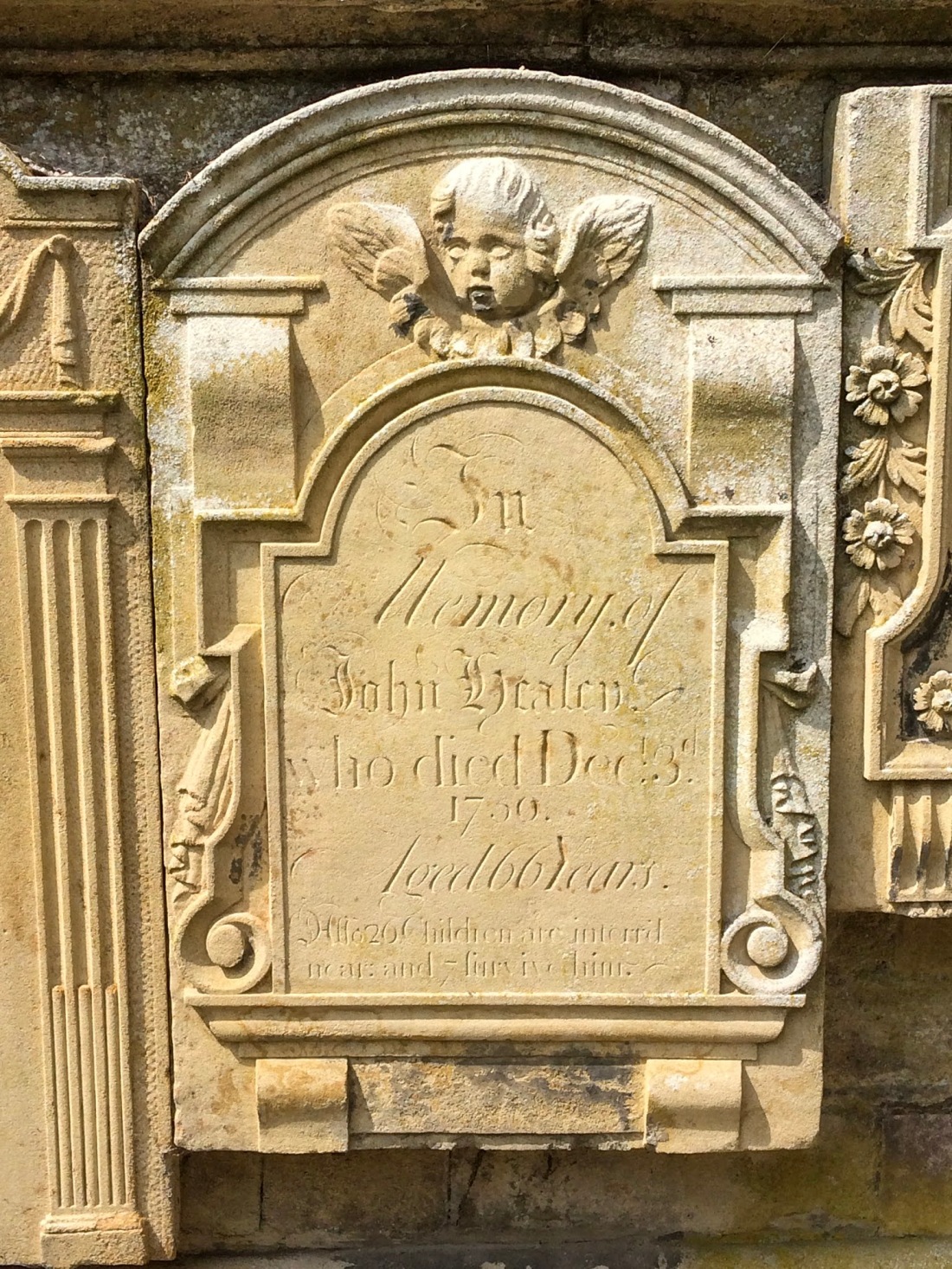
Today is Reformation Day

architecture art cemetery daylight
Photo by Pixabay on Pexels.com

In the largely secular world of ‘Western’ society today, Halloween has become a huge and ever growing event each year. So much so that the other significant anniversary of October 31, namely Reformation Day, is often forgotten, or ignored by many.

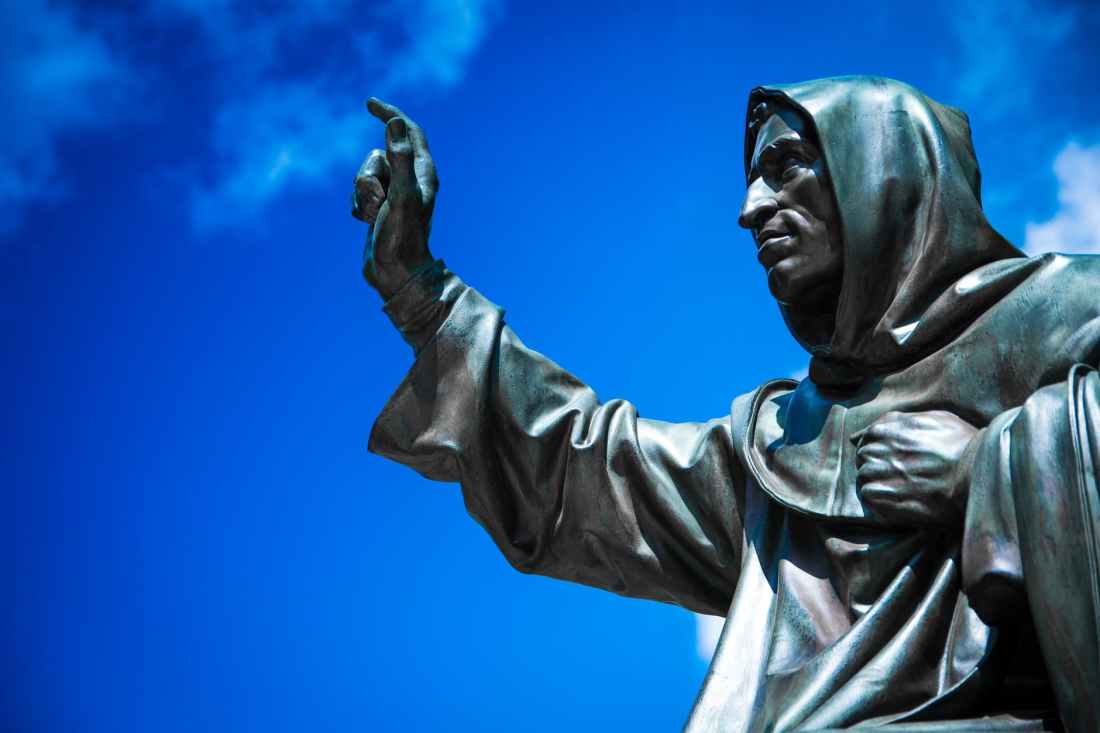
Today marks 502 years since the German monk, Martin Luther, one of the prime movers in the Reformation of Christianity, apparently nailed his 95 Theses to the door of Wittenberg church of All Saints.

A sprawling empire, a collection of German states

In those days the Electorate of Saxony, in which the city of Wittenberg lay, was part of the sprawling Holy Roman Empire, of which, what we now know as Germany, was wholly contained, though it was not a unified country but a hotchpotch collection of smaller states and city states.

Martin Luther, who had long agonised about his own faith, was dismayed by the growing sale of indulgences, and especially the spread of this practice to his homeland of Germany.

The selling of indulgences

For a tidy sum, an indulgence could reduce or cancel your time in purgatory. The funds from the sale of indulgences were to be used for the building of St. Peter’s Basilica in Rome.

This may have been the final straw which led Luther to publicly portray his strong misgivings about the religion in which he was so deeply immersed.

The stone which Martin Luther dropped into the lake of faith that day has continued to ripple ever since – an action which was demonstrably epoch making.

copyright Francis Barker 2019
Tanka: Intervention

star trail photography
Photo by Killian Eon on Pexels.com

I knock on the door
No one will ever answer
Seek intervention
but silence reigns in the sky
Connivance rules the dark world

copyright Francis Barker 2019

England’s Heritage: The Collegiate Church of Holy Trinity, Tattershall, Lincolnshire

DSC_0003 (2)

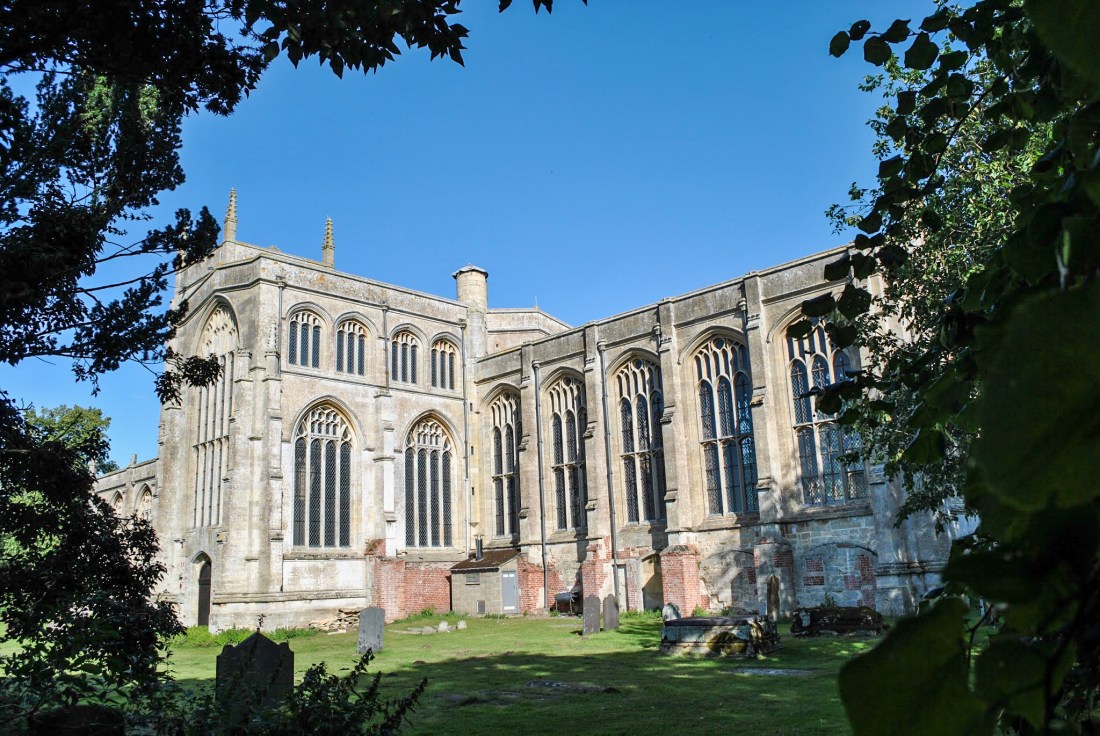
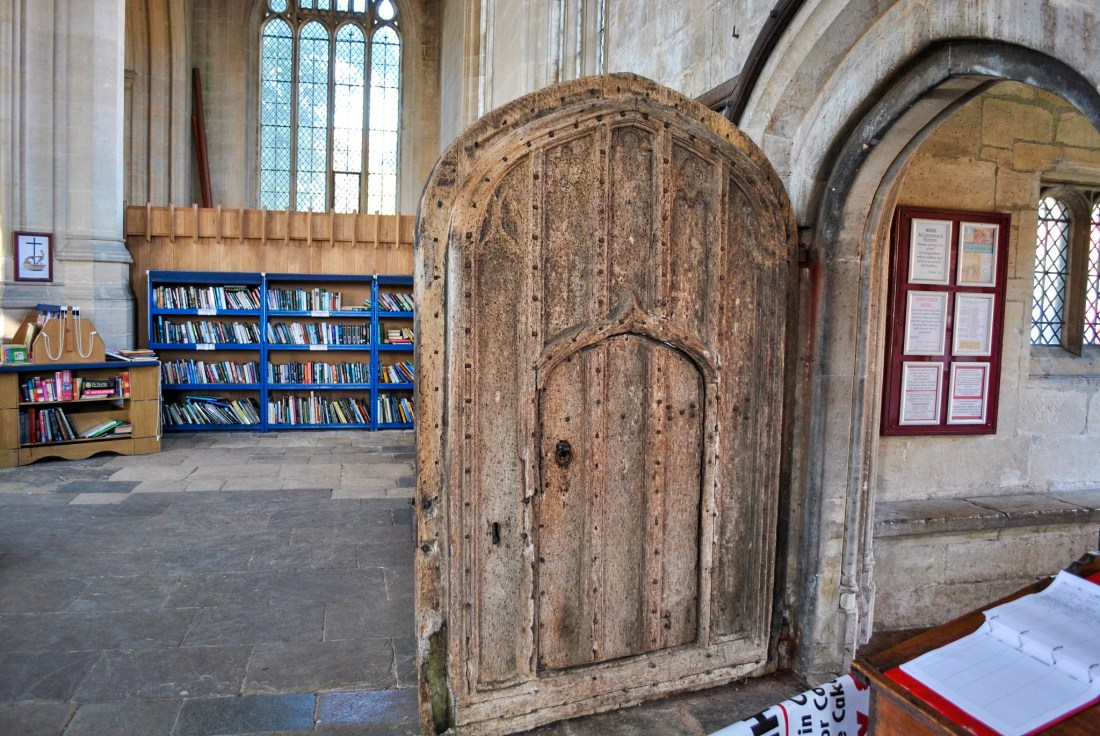
The incredibly beautiful 15th century Collegiate Church of Holy Trinity in the village of Tattershall in central Lincolnshire.

DSC_0001 (1)

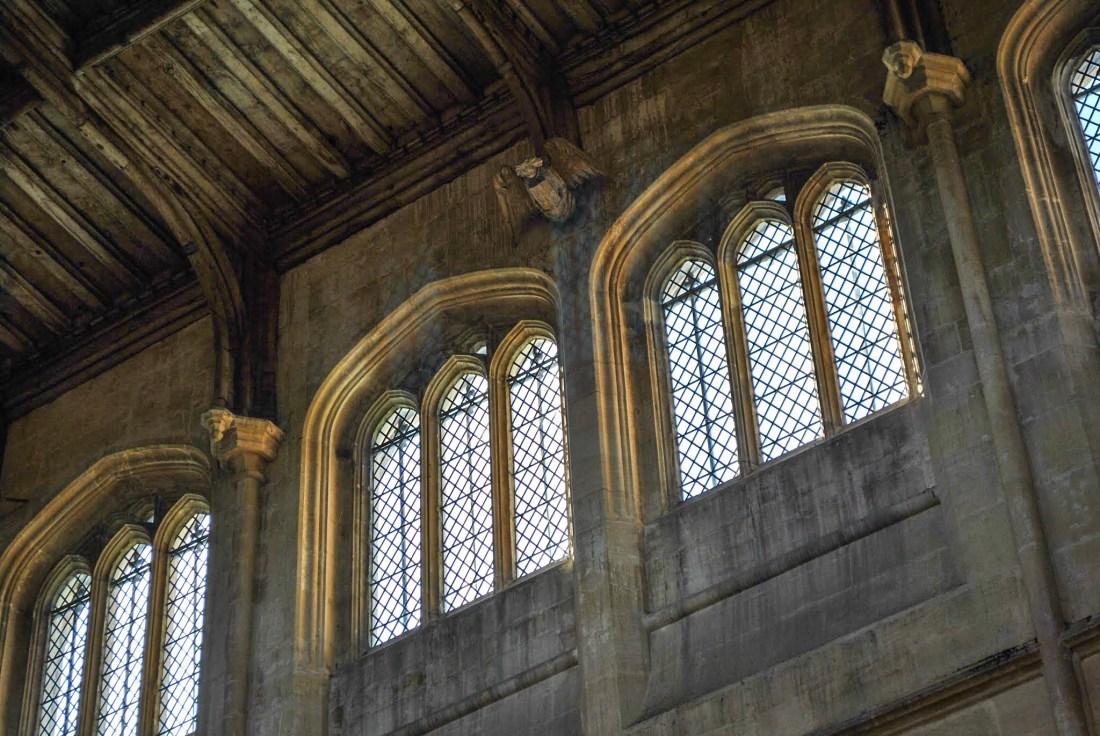
To my mind it is one of the best examples of English Perpendicular architecture anywhere.

DSC_0005 (2)

At various times in history, the church has fallen into disrepair but has been restored, even preserving a colony of three species of bats within its structure!

DSC_0014 (1).jpg

DSC_0015 (1)

DSC_0011

DSC_0022 (1).jpg

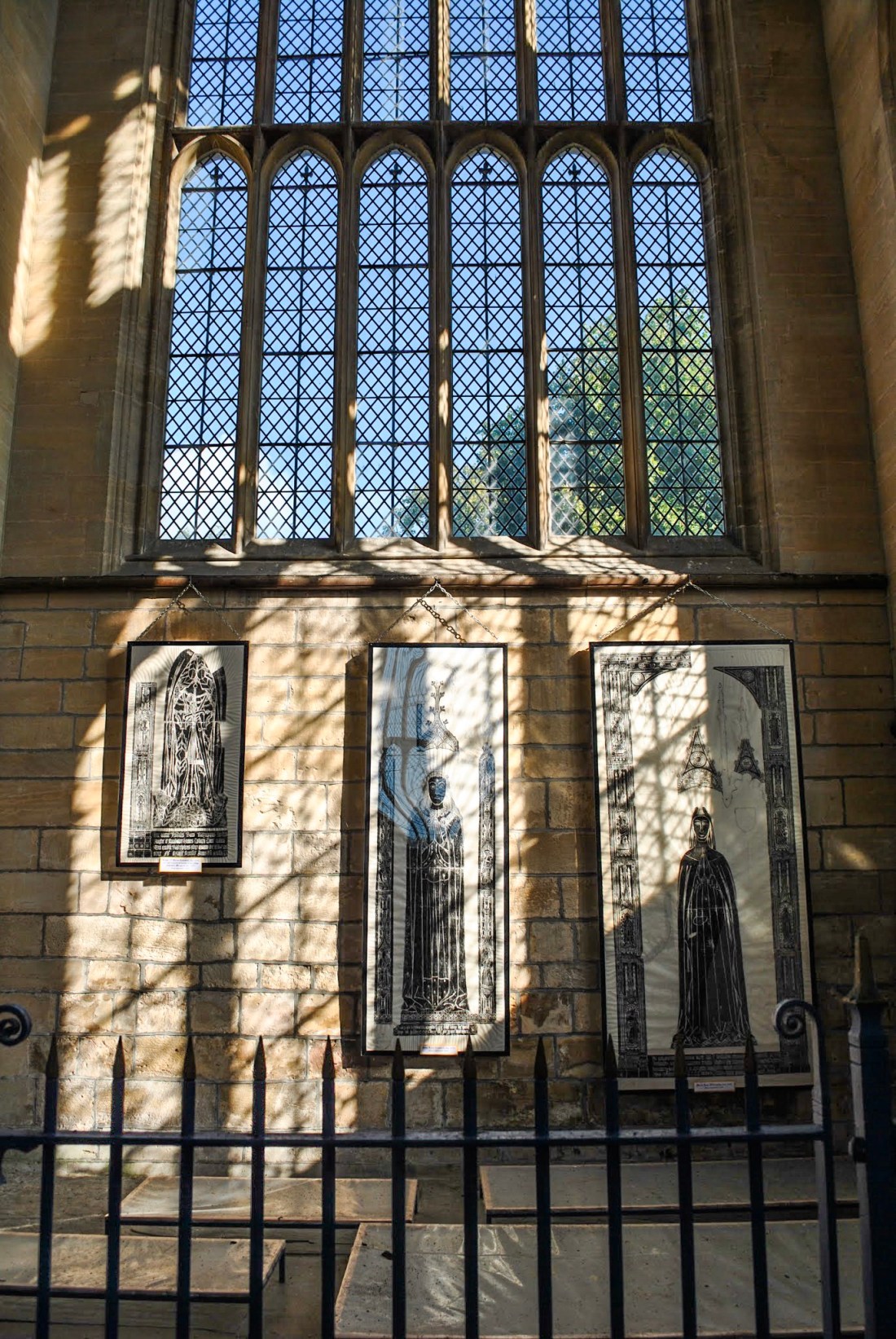
The major advantage of the massive Perpendicular windows is the great amount of light let in.

words and photographs copyright Francis Barker 2019
England’s Heritage in Photos: Pinchbeck Church of Saint Mary, Lincolnshire

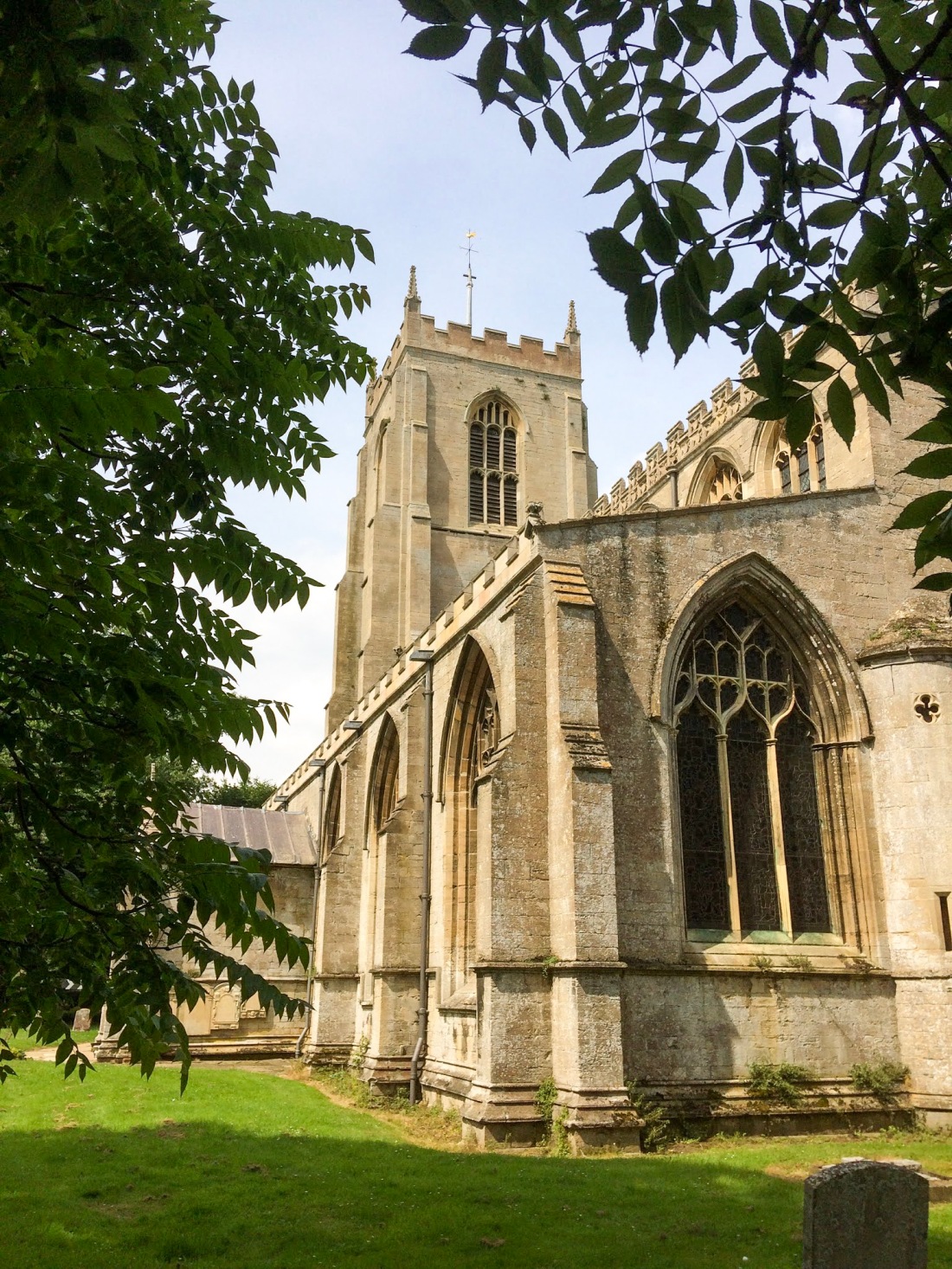
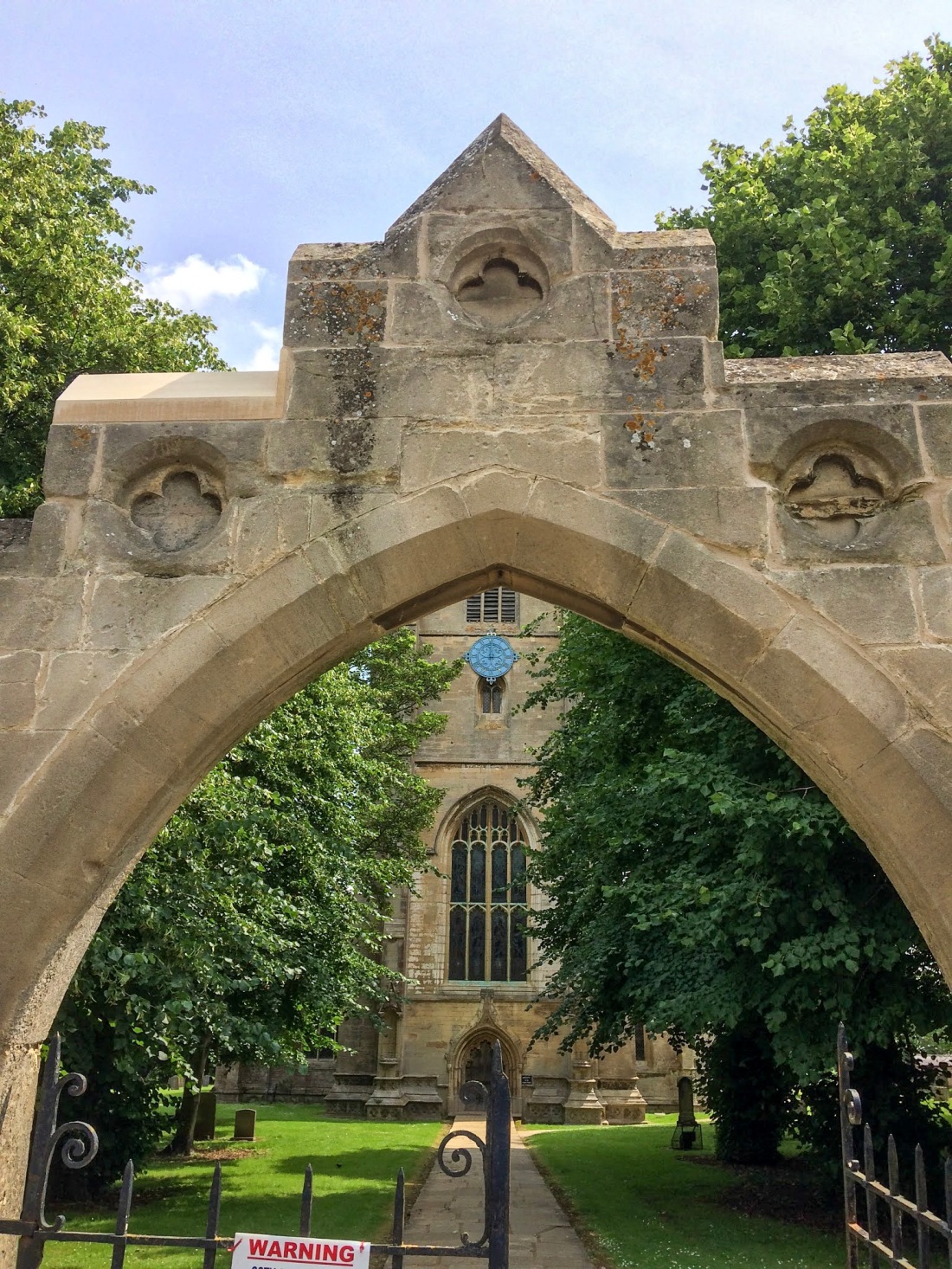
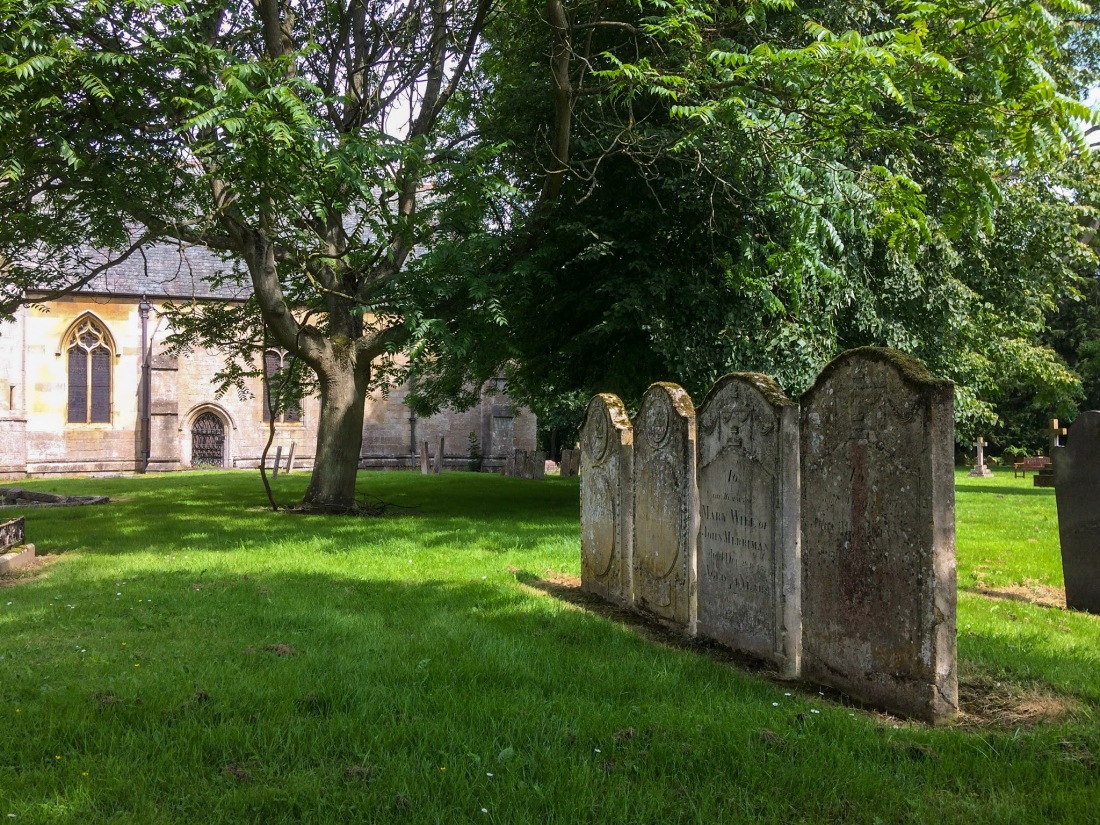
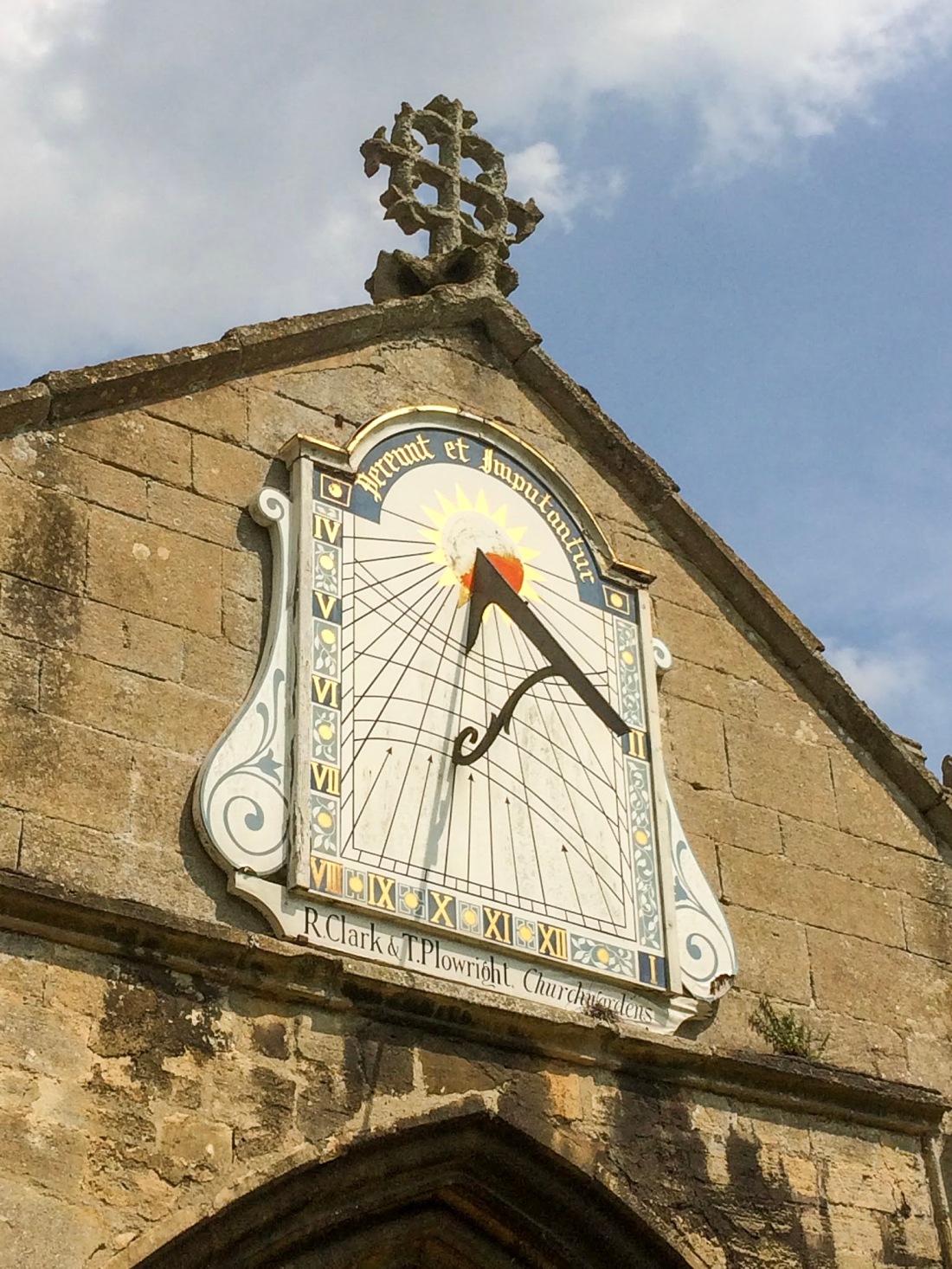
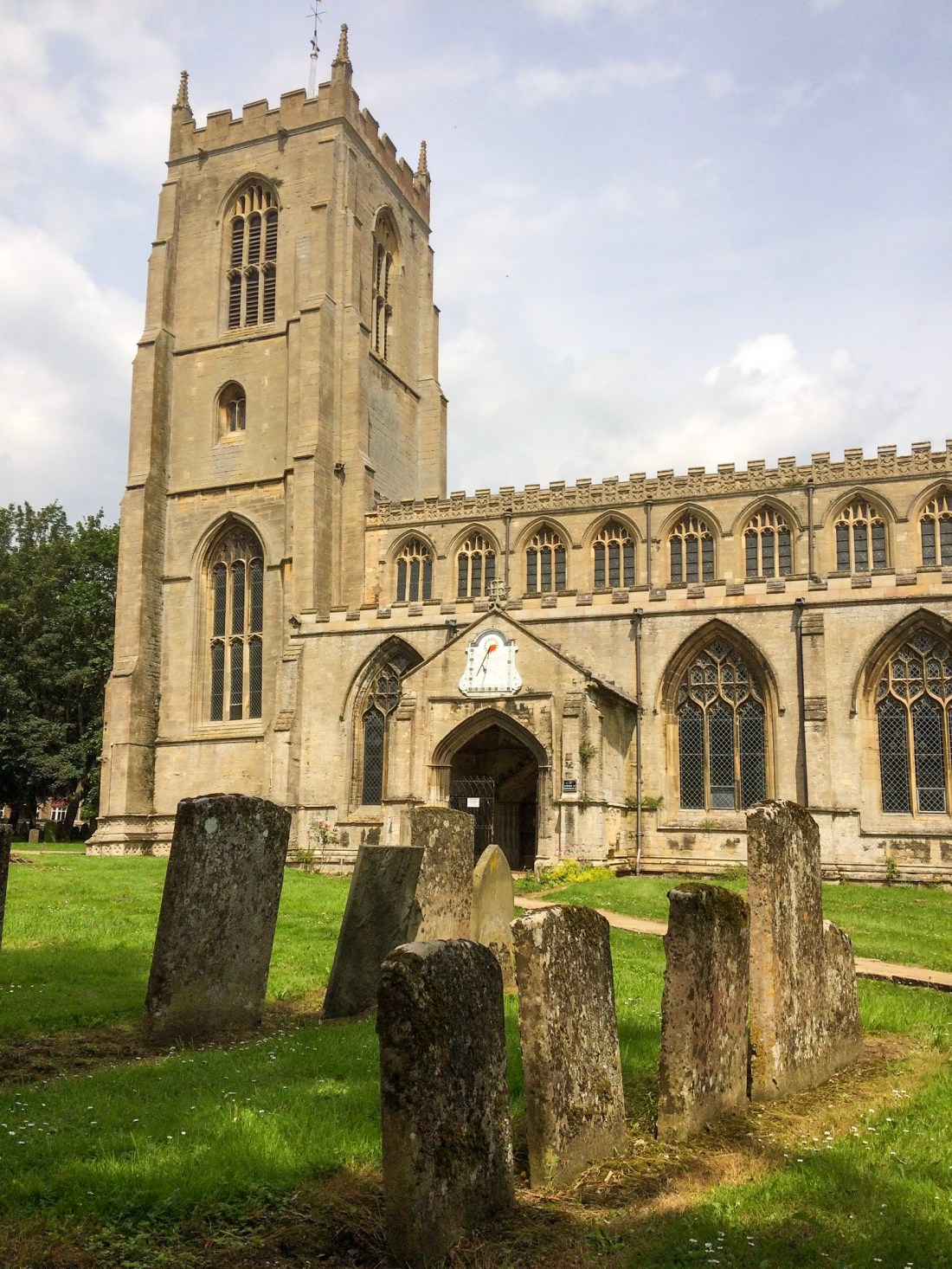
Pinchbeck is a large village in the south of Lincolnshire, which has a very impressive church.

IMG_1719

IMG_1725
Pinchbeck church lychgate.

IMG_1718

IMG_1712
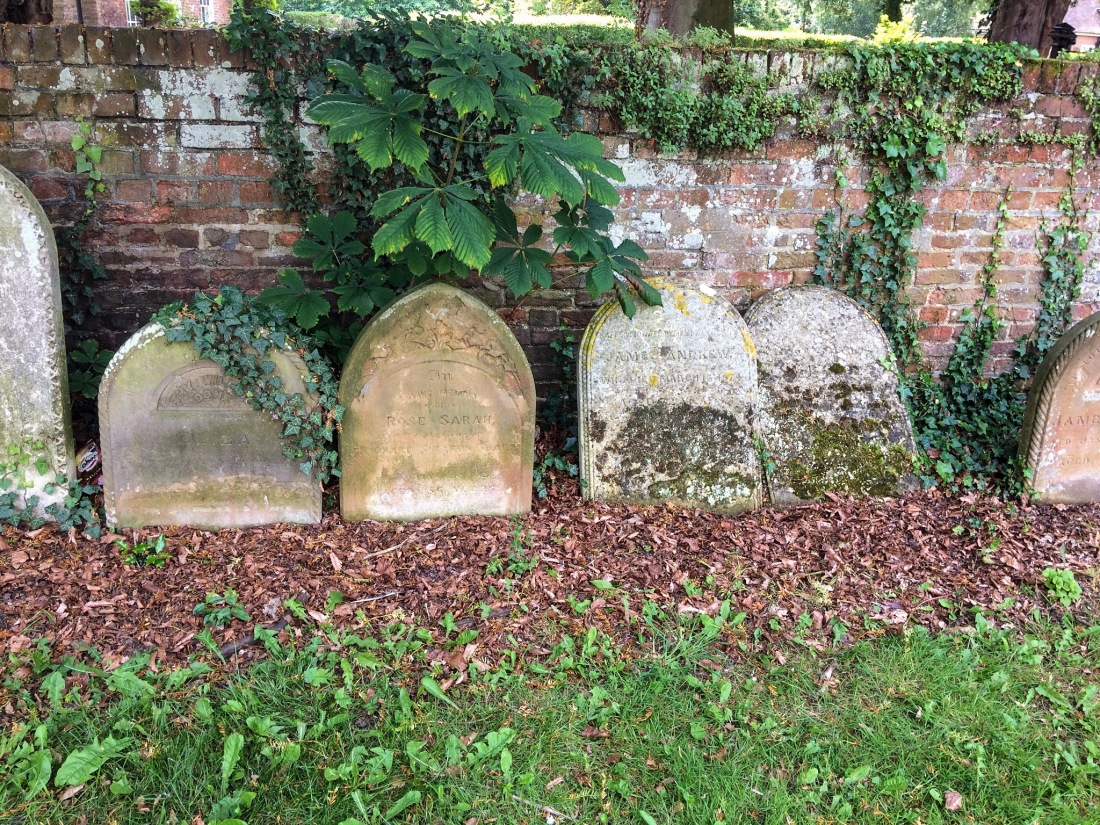
Older gravestones moved to the side of the graveyard.

IMG_1710

IMG_1711

copyright words and pictures Francis Barker 2019