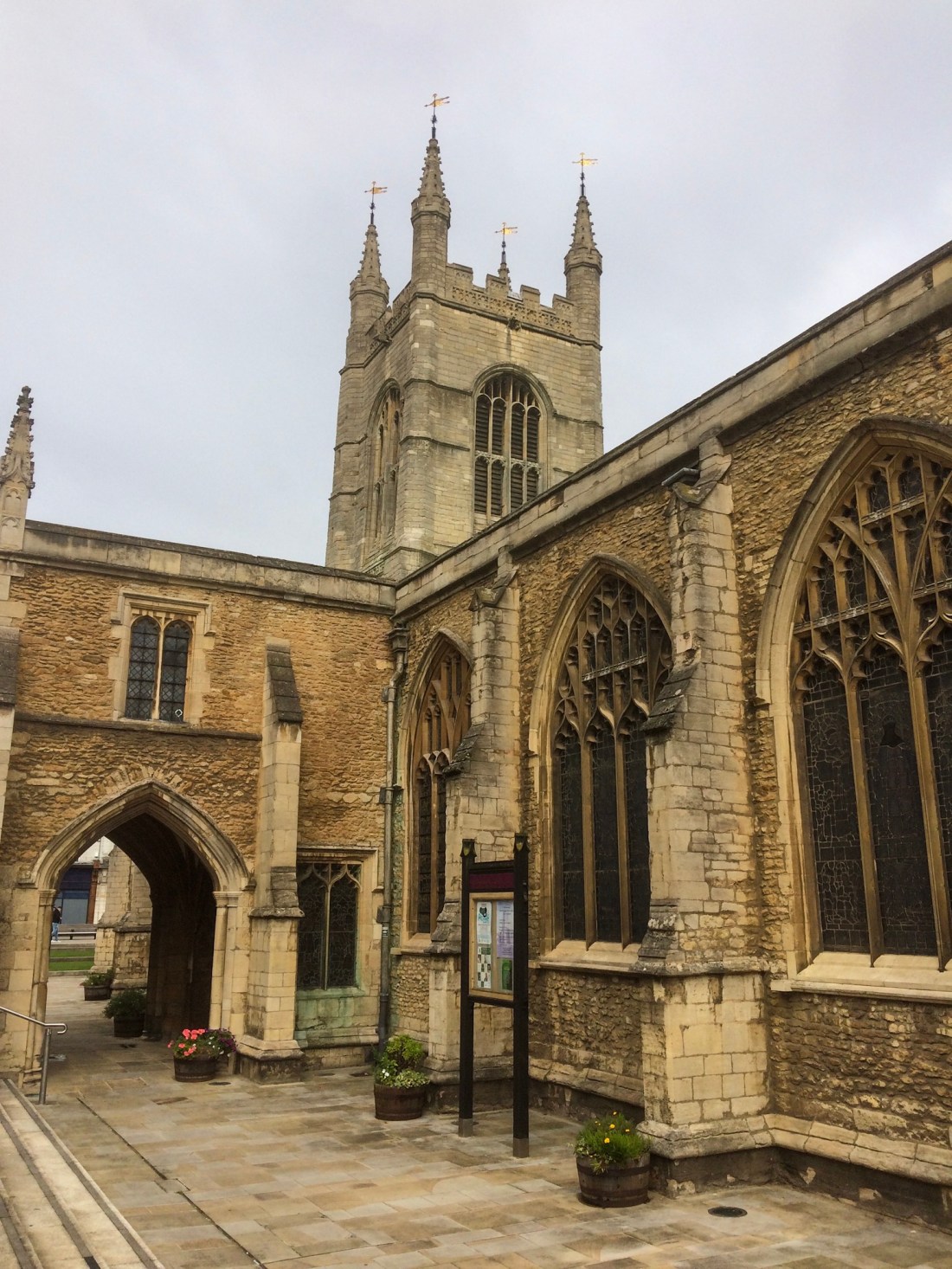
England’s Heritage in Photos: Swinstead Church of Saint Mary, Lincolnshire – More Medieval Wall Art

DSC_0003 (1)

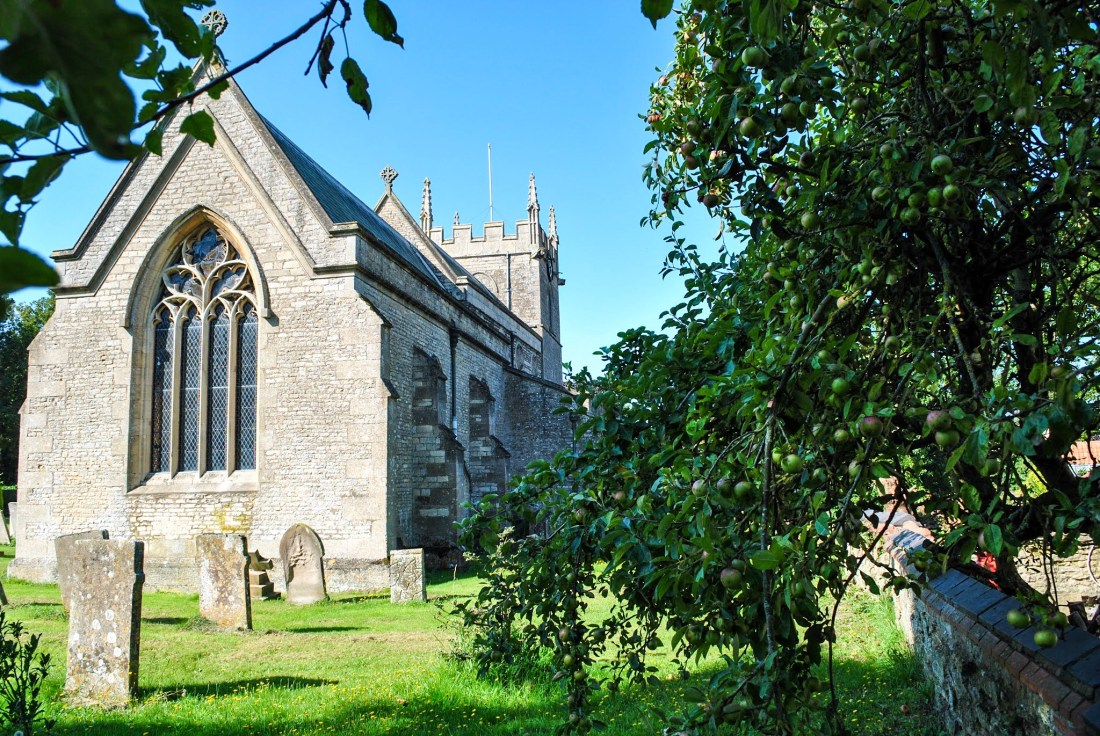
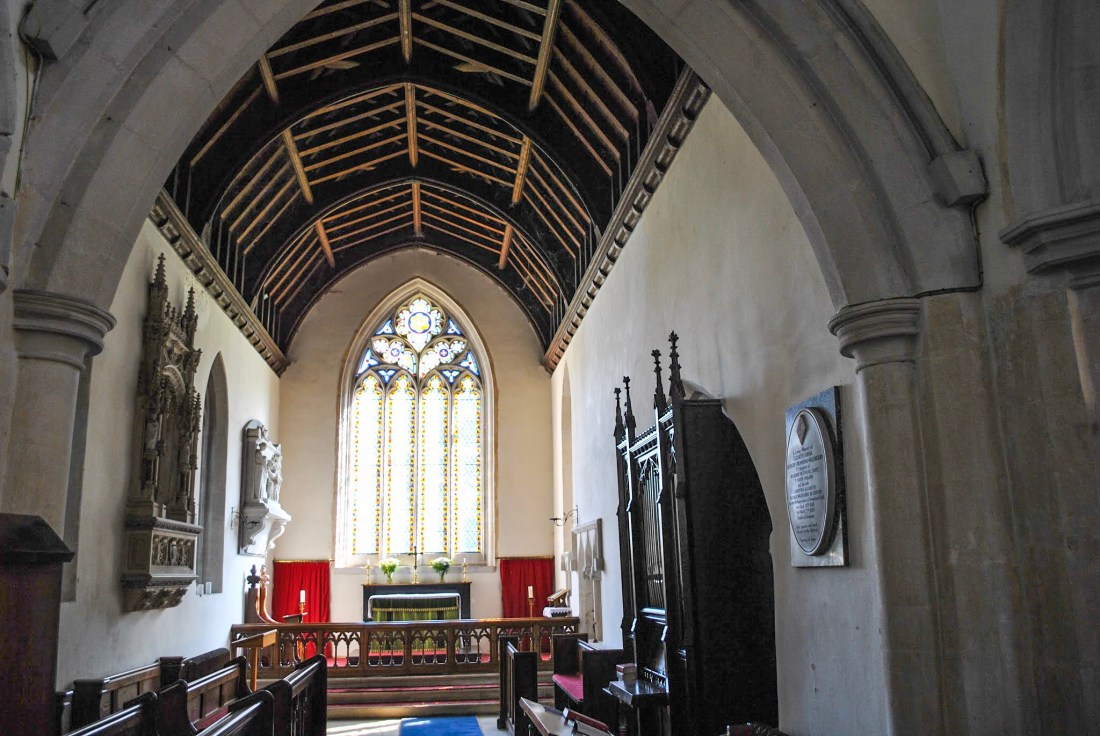
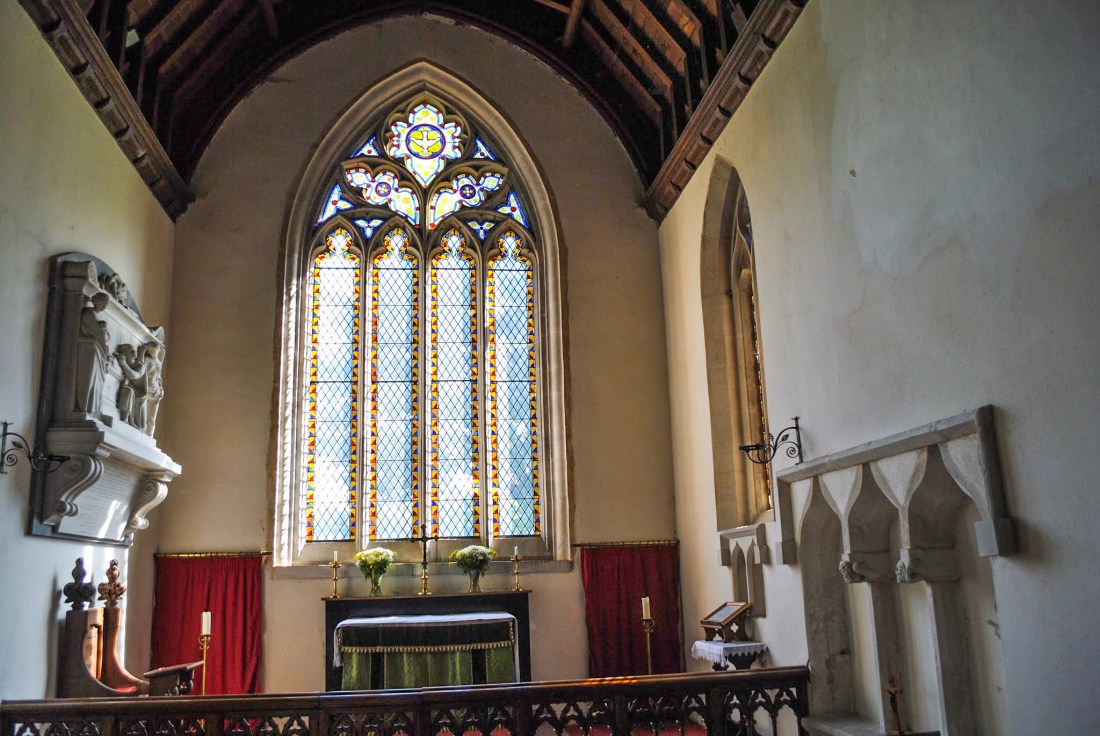
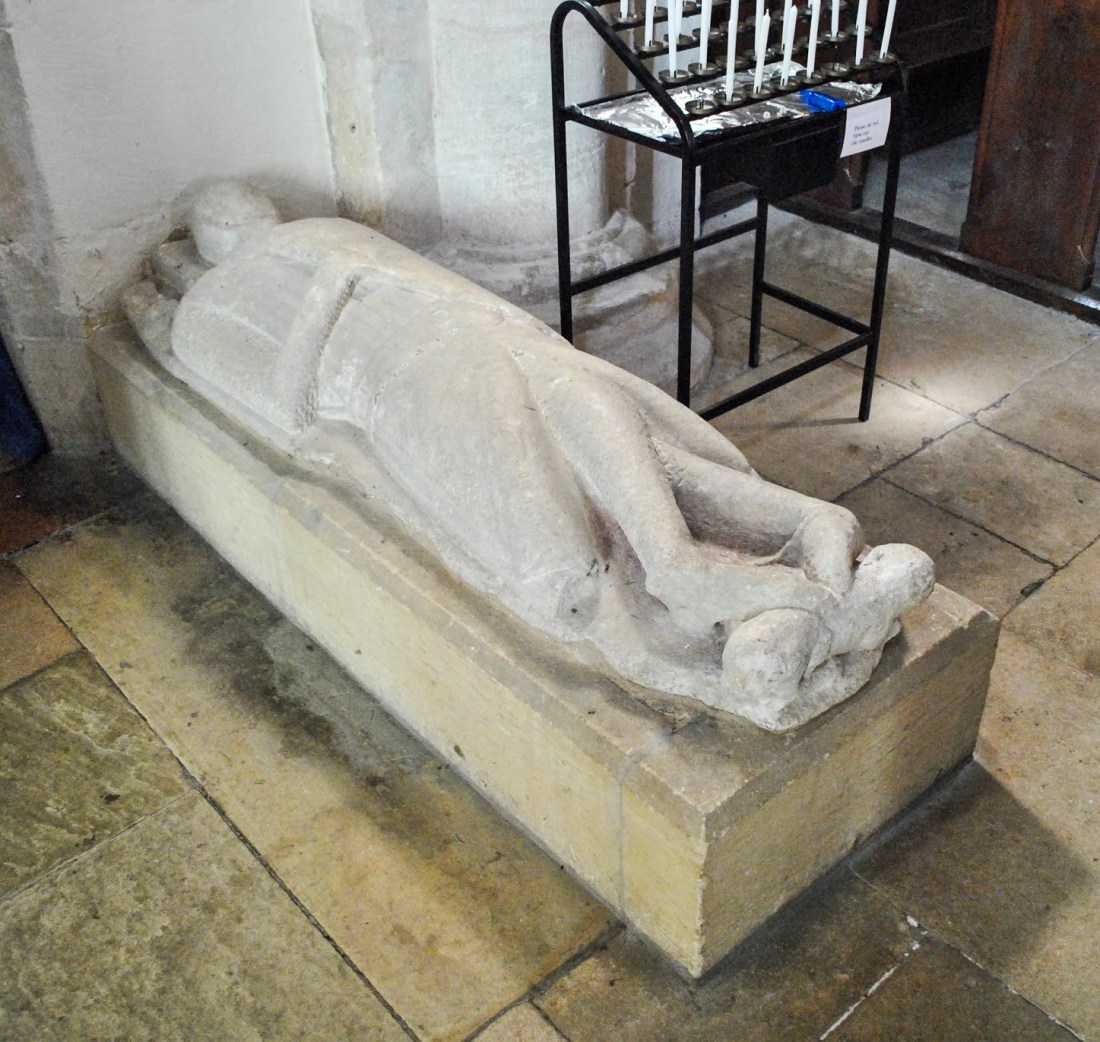
Swinstead lies in the beautiful south west Lincolnshire in the east of England.

Interestingly, in Shakespeare’s play King John, Swinstead is mentioned several times, maybe in mistake for Swineshead, where King John is thought to have visited on his last journey, before he died at Newark in Nottinghamshire.

DSC_0004 (1)

DSC_0007 (1)

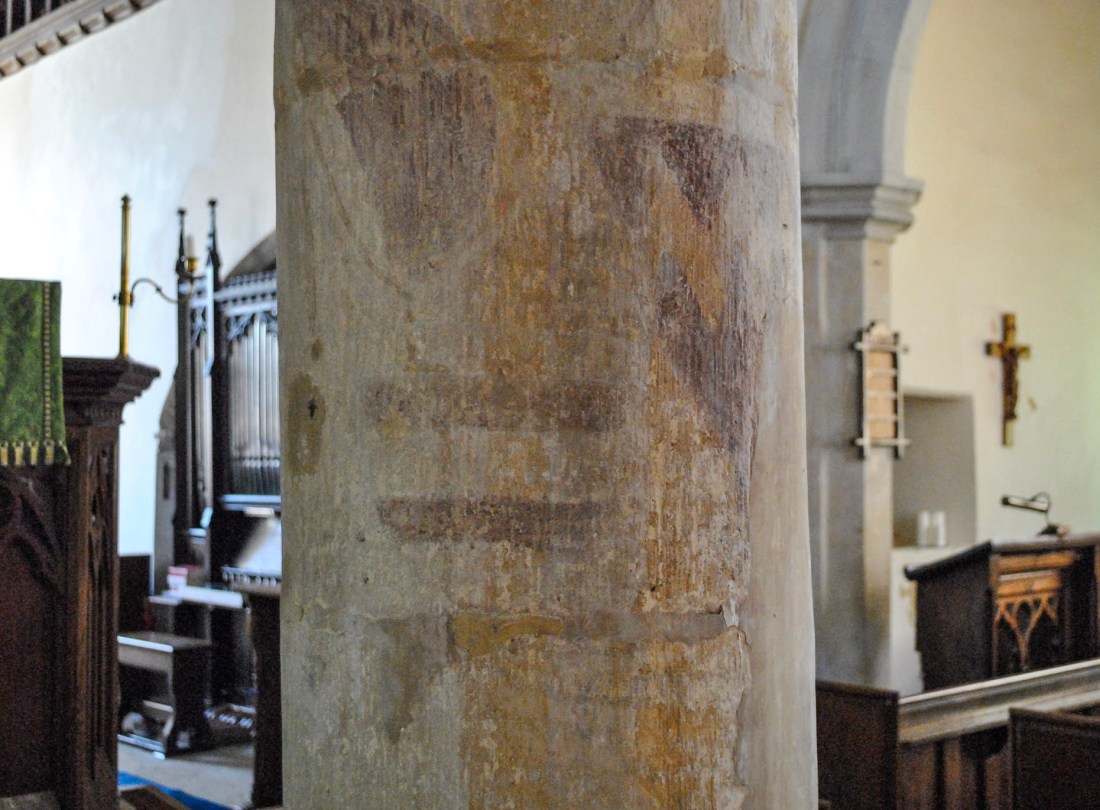
Like nearby Corby Glen church, there are some examples of medieval wall art.

DSC_0009 (1)

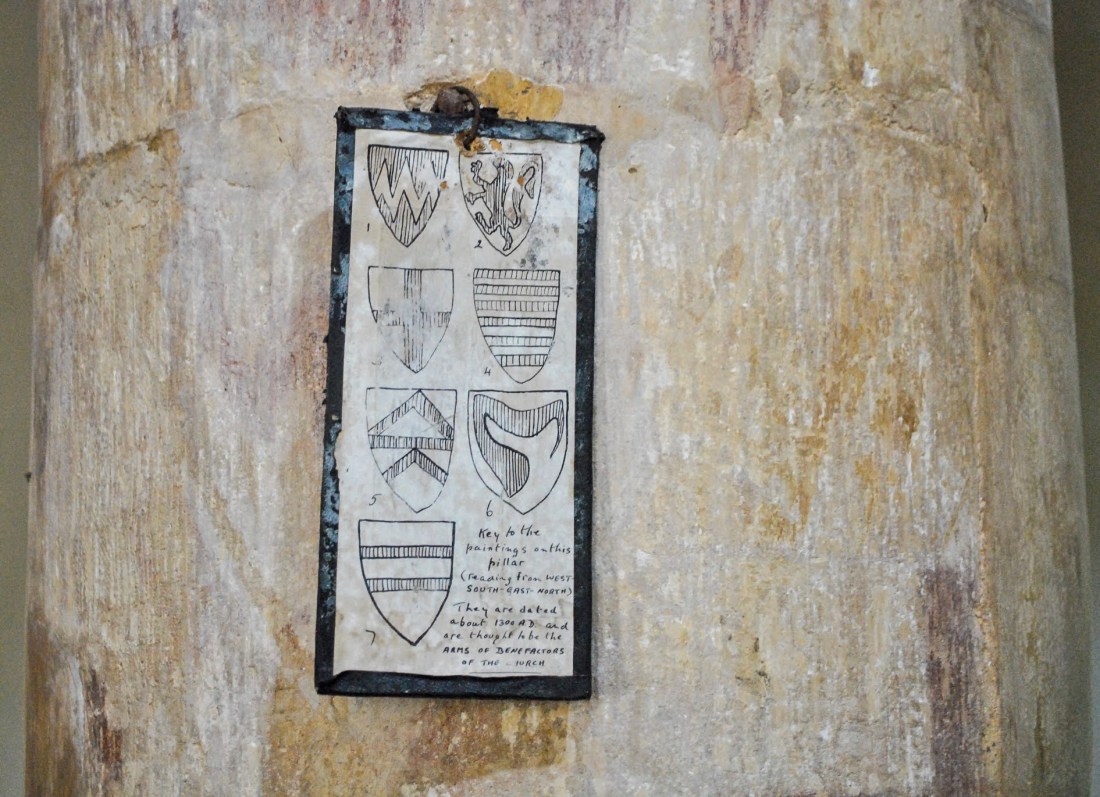
There is an explanation for the symbols incorporated into the wall art.

DSC_0015

DSC_0016 (1)

DSC_0005 (1)

copyright words and photos Francis Barker 2019

England’s Heritage in Photos: Edenham Church, Lincolnshire – Wonderful Tombs

DSC_0023

The village of Edenham in south west Lincolnshire has a beautiful church dedicated to Saint Michael and All Angels.

My grandfather was born and brought up in a nearby hamlet.

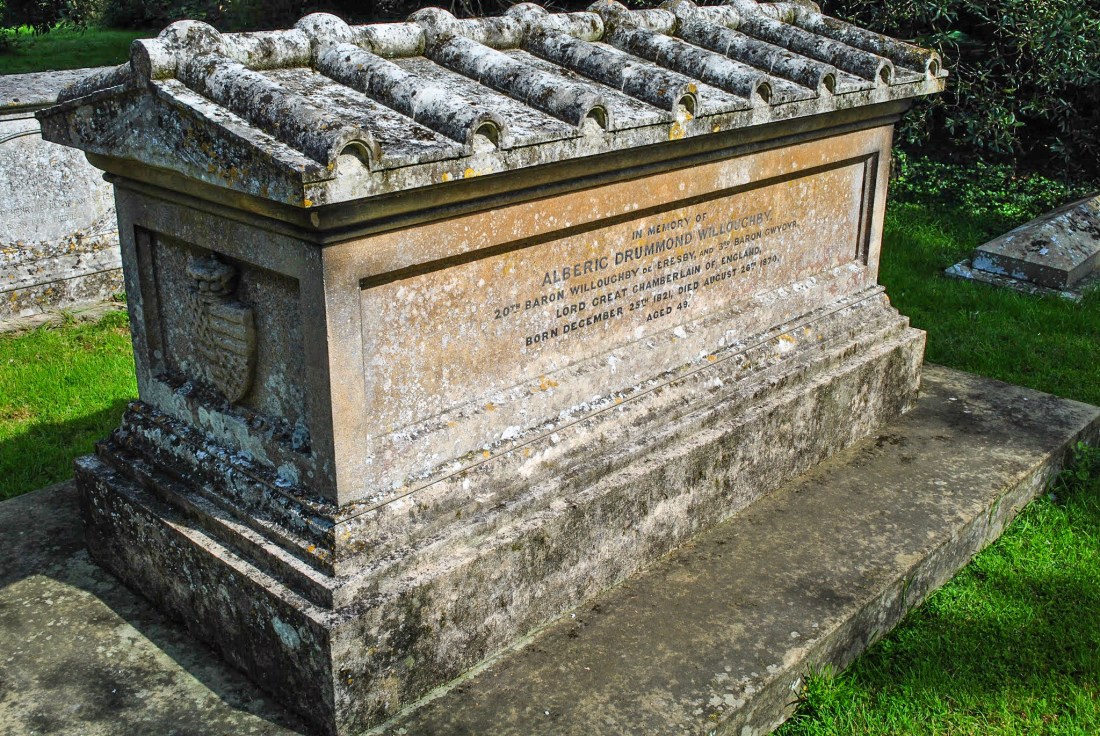
Within the grounds are some wonderful tombs of local aristocratic families.

DSC_0024

DSC_0027

copyright words and pictures Francis Barker 2019

England’s Heritage, Peterborough Cathedral Part III – Some special features

Peterborough Cathedral is probably one of the most underrated churches in England.

IMG_1897

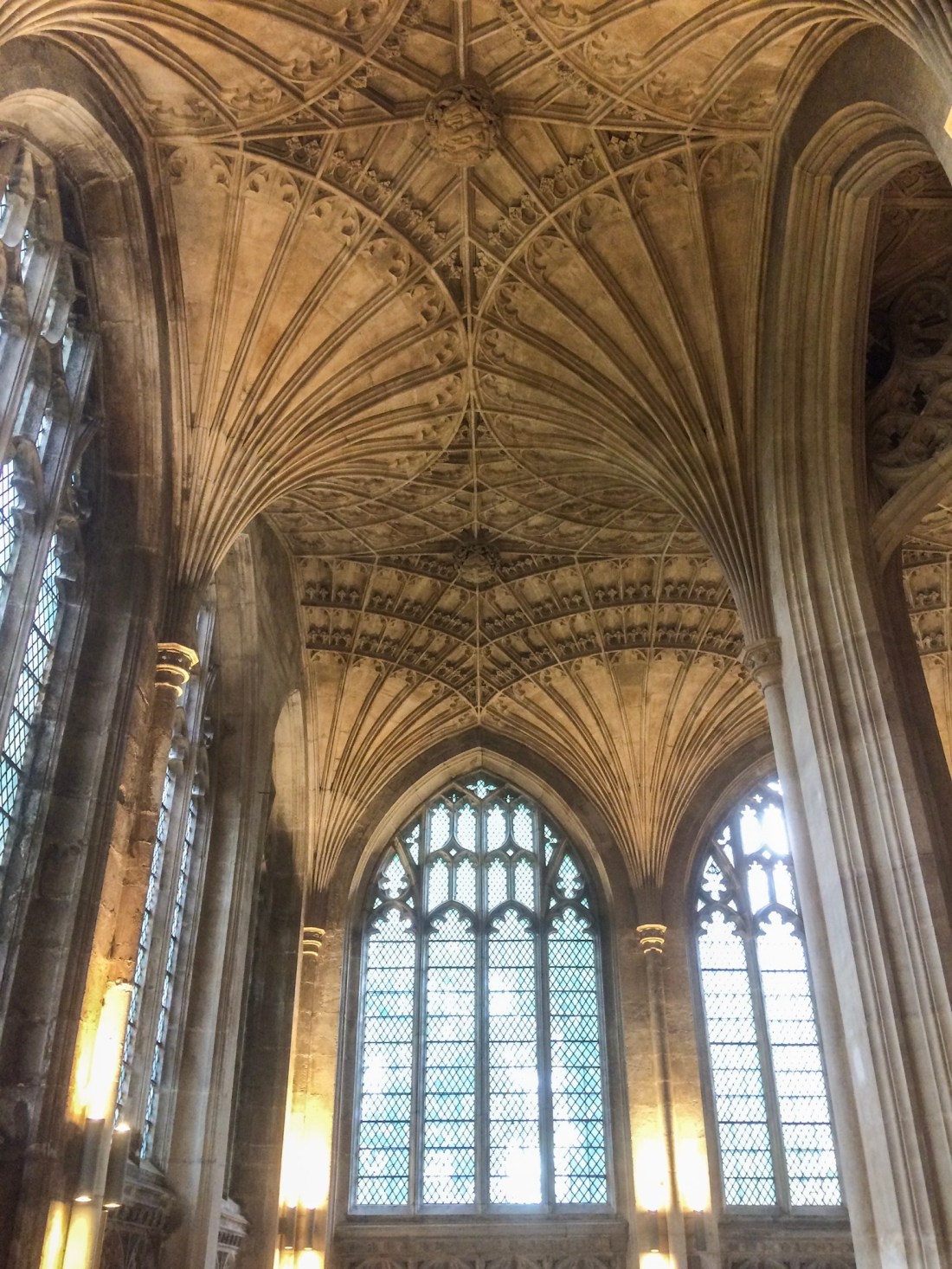
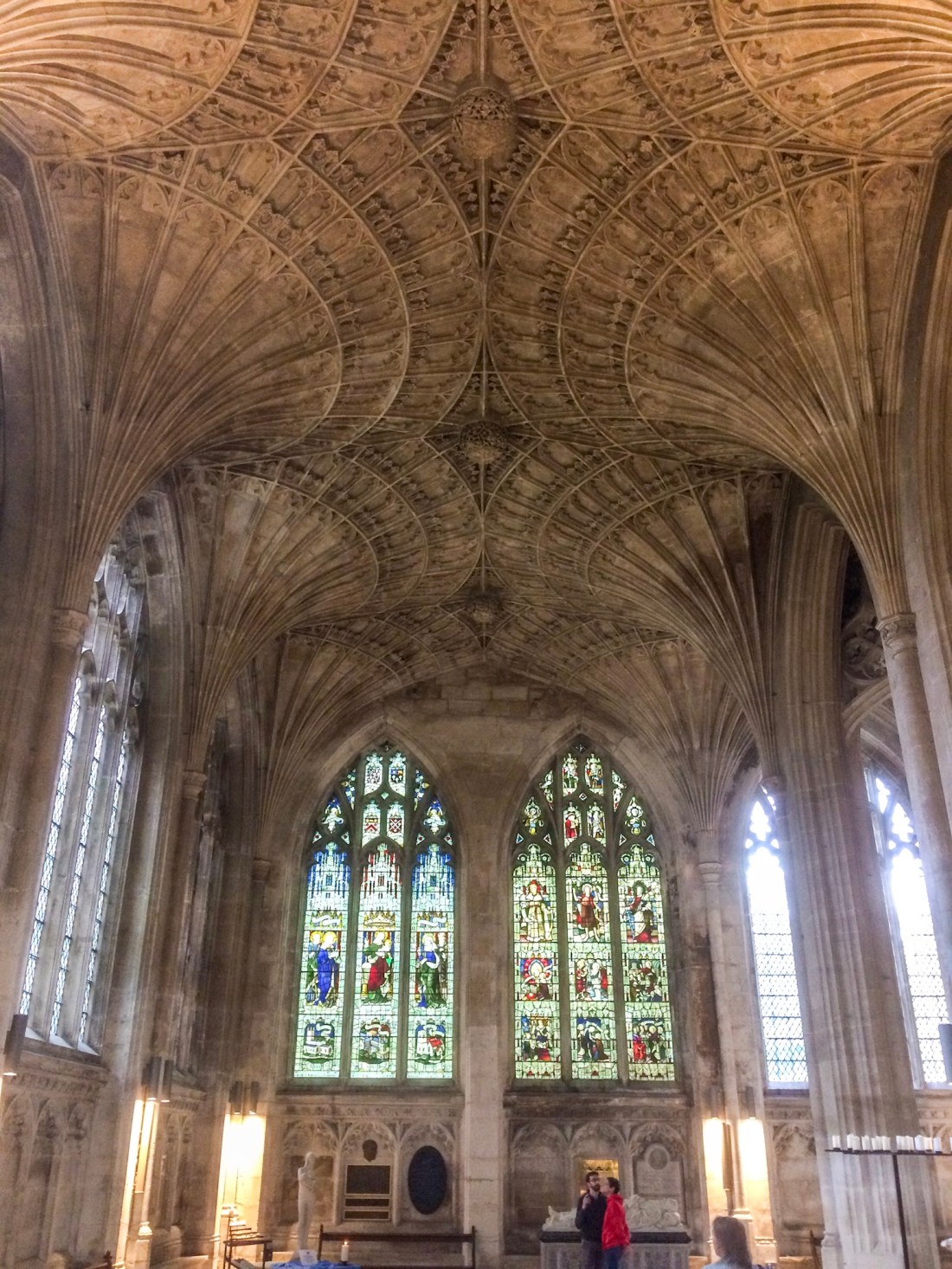
The Gothic fan vaulting at the east end of the cathedral is remarkable.

IMG_1899


IMG_1902

The cathedral also has three notable shrines to saints. The one above is Saint Oswald’s chapel, an old English saint, whose remains (reputedly an arm) were brought here.

IMG_1903

There is also a shrine to Saint Benedict with a beautiful wood carving at the entrance. Peterborough Cathedral is in fact the Abbey church of the former Benedictine Abbey, dissolved by Henry VIII when he became head of the Church of England.

IMG_1904

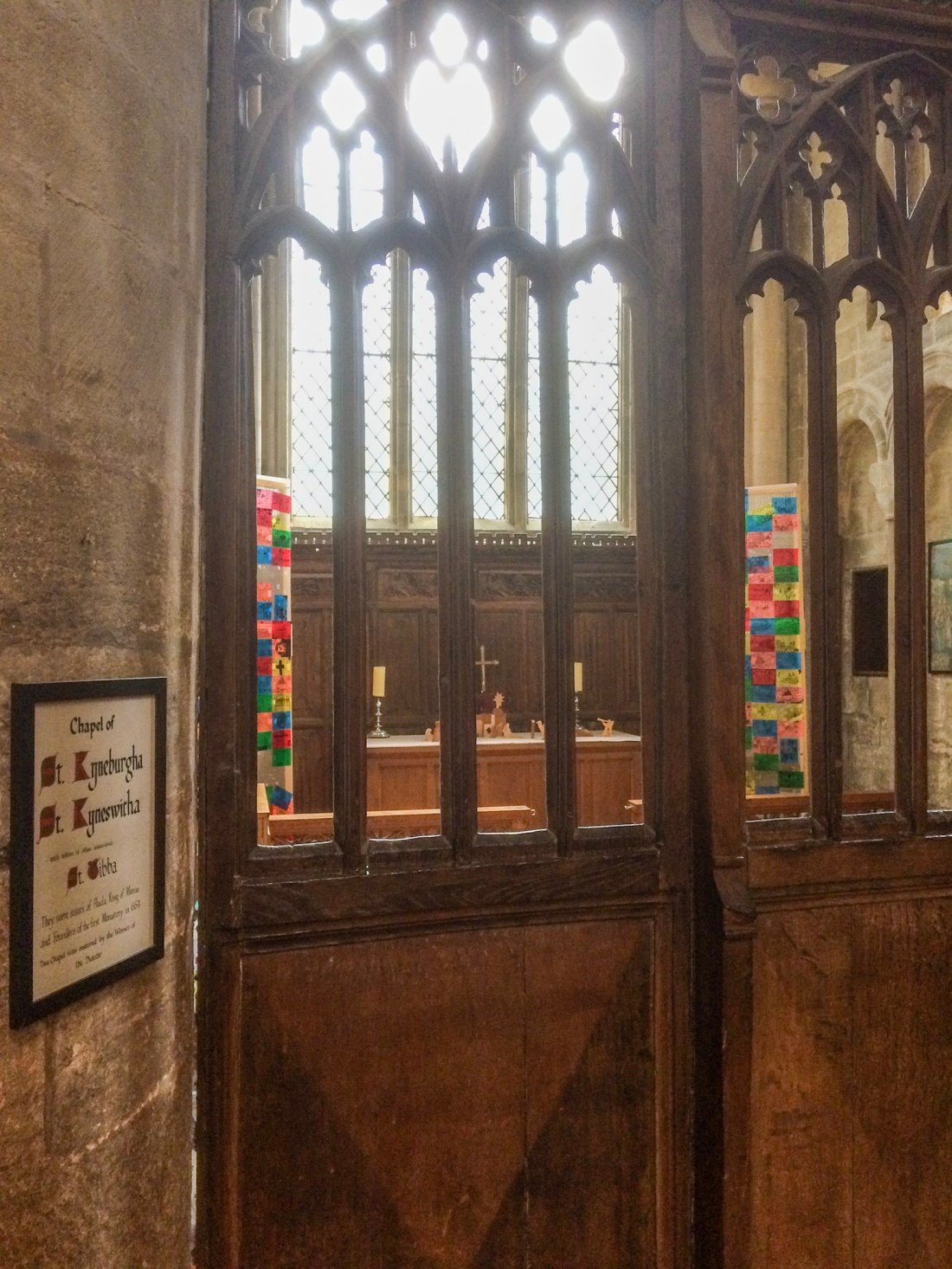
Most interestingly, there is a shrine to three old English (Anglo-Saxon) saints, Kyneburgha, Kyneswitha (spelling varies) and Tibba, unusual but fascinating names of a largely forgotten era.

IMG_1905

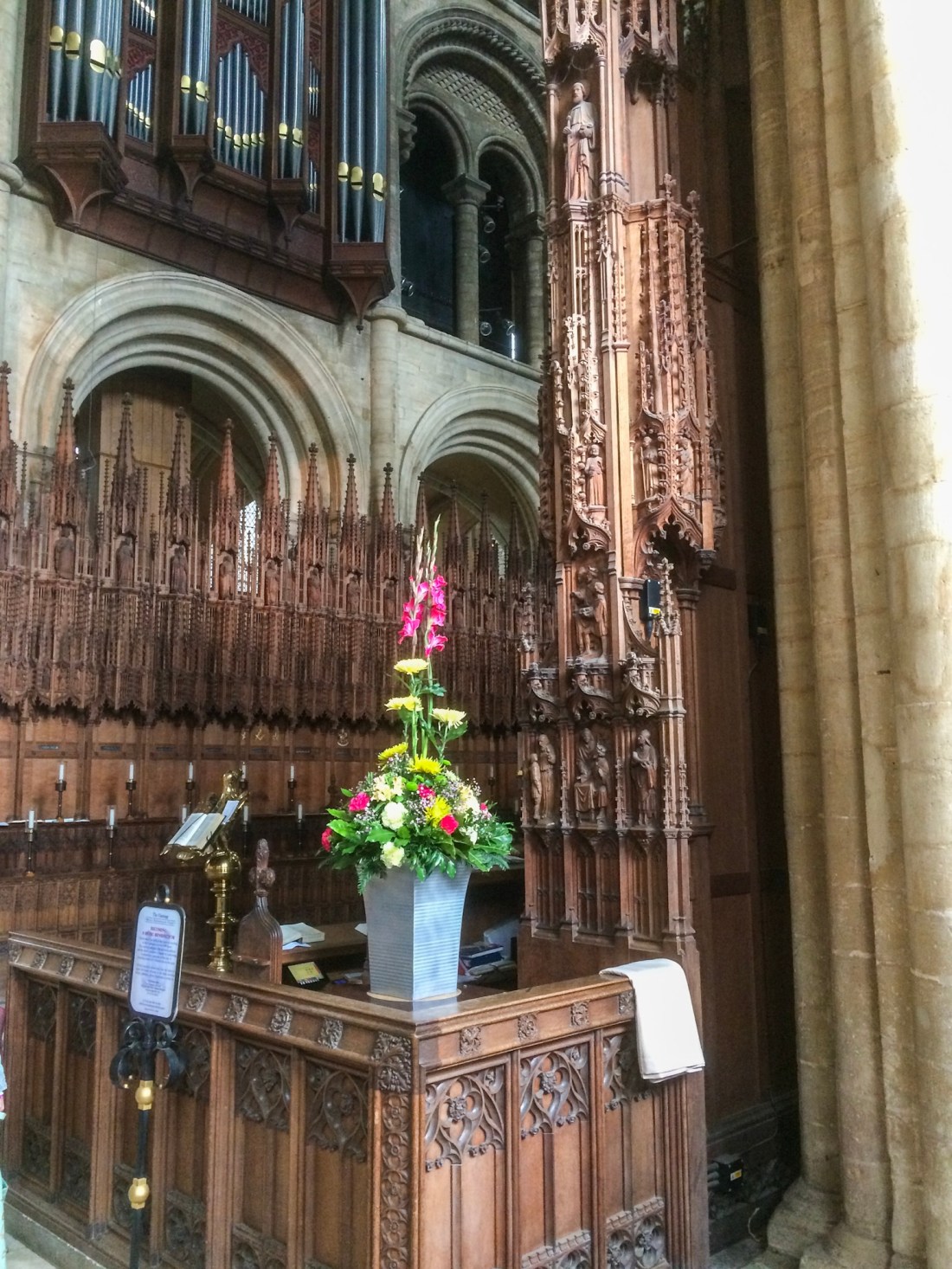
The spacious choir has some wonderful wood carving.

IMG_1906

words and photographs copyright Francis Barker 2019

England’s Heritage: Peterborough Cathedral Part 1

IMG_1886
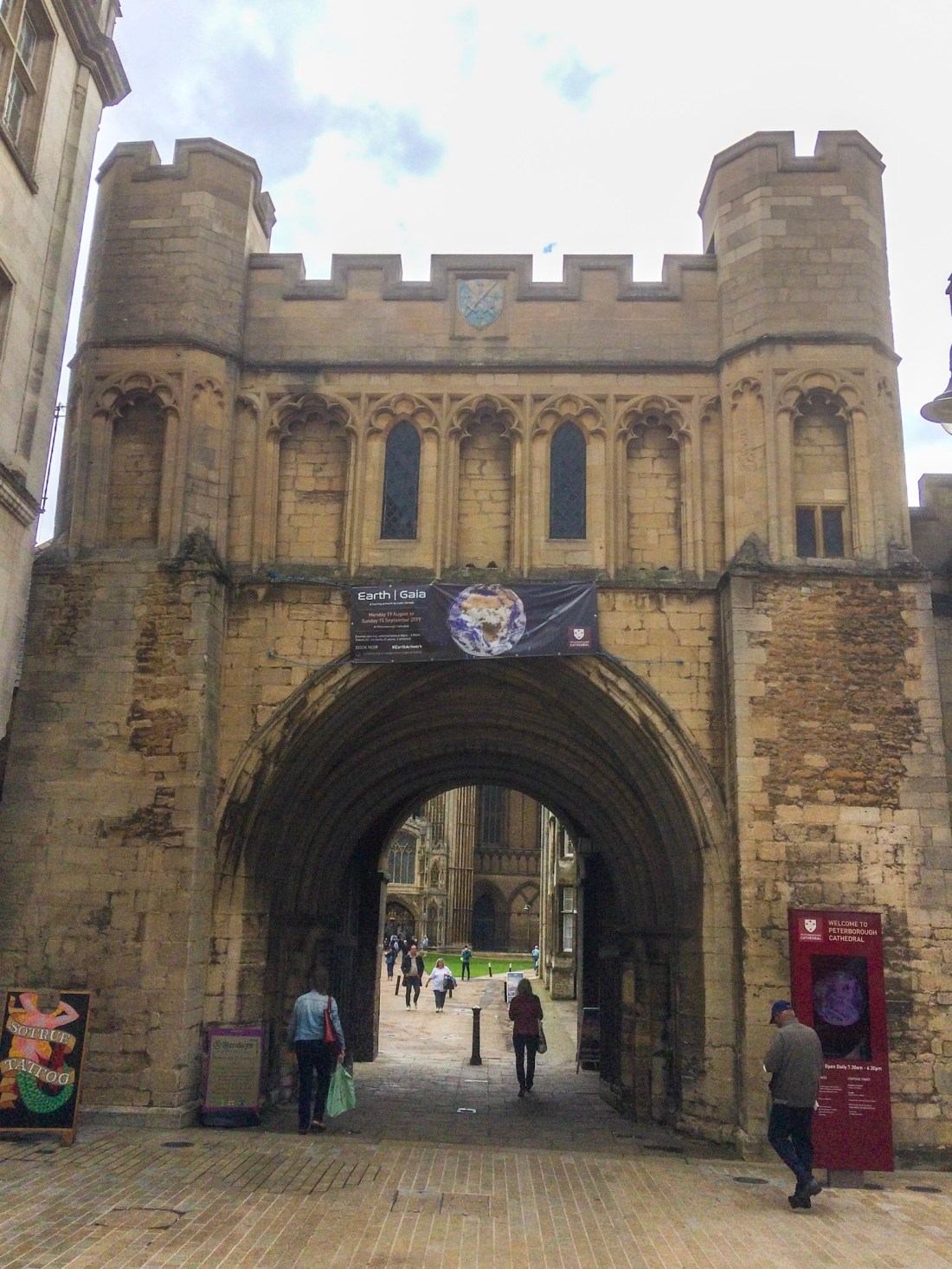
The west gate of Peterborough Cathedral.

Put simply, Peterborough Cathedral is one England’s best churches, though it is often not as well regarded as some others, like Lincoln, Ely and York.

This might be due in part to Lincoln’s prominent setting, Ely’s architectural distinctiveness and York’s admitted supreme grandeur.

Peterborough, by comparison, lies on the edge of the flat fens, yet in one of the primary areas of England for monastic development because of the remoteness of location. In its day, Peterborough Abbey was one of the most prominent in the whole of eastern England.

IMG_1888
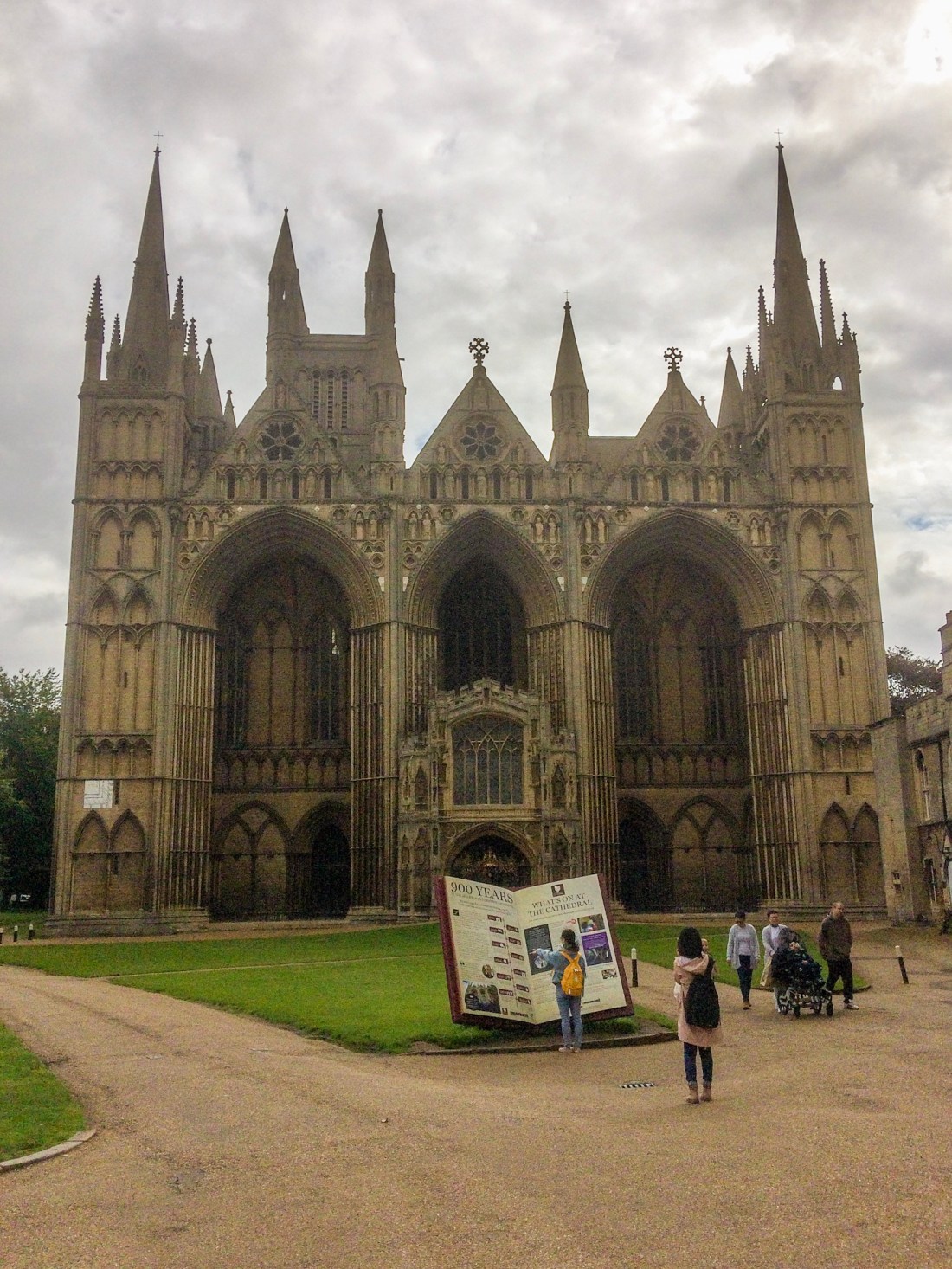
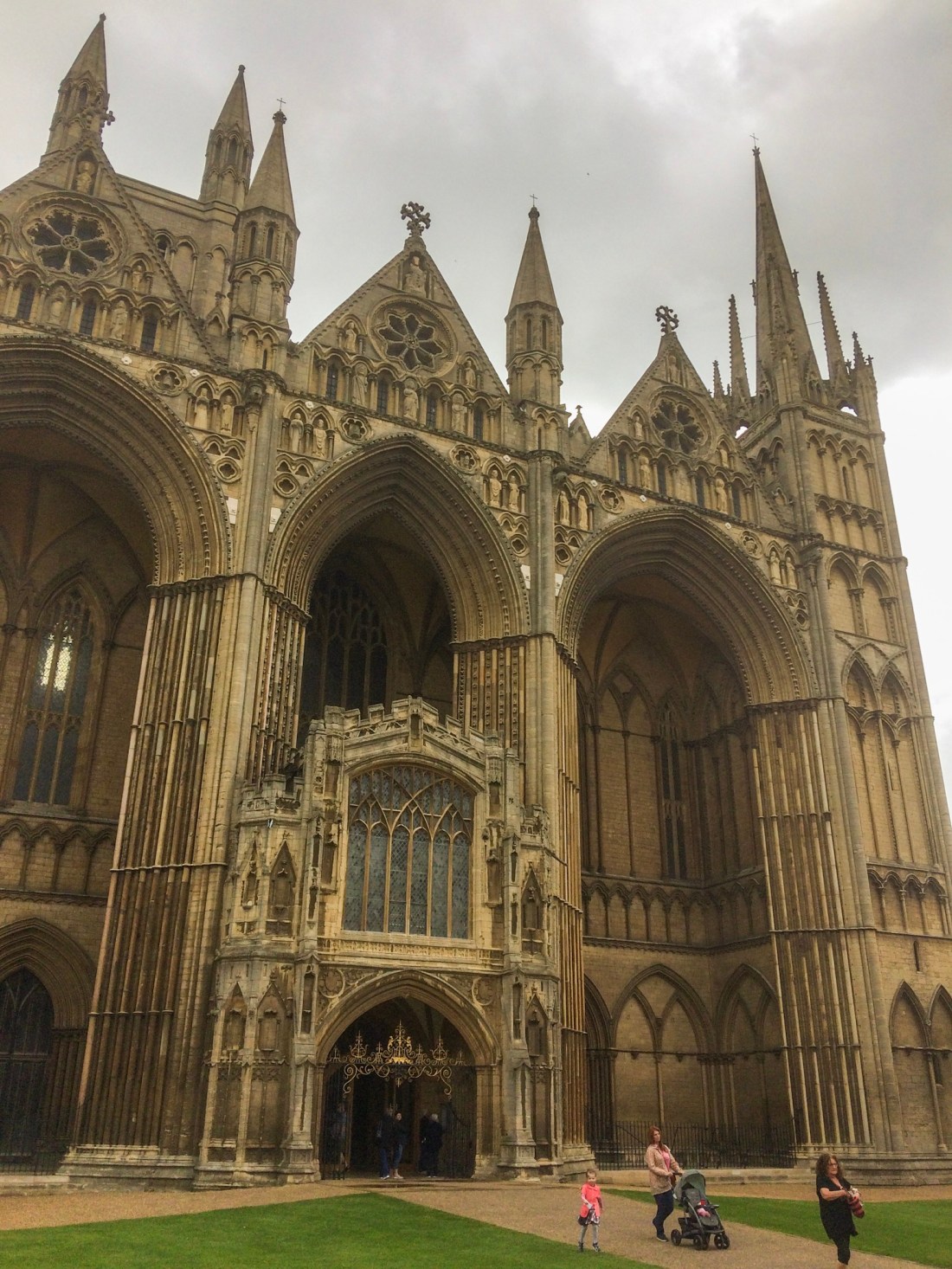
The wonderful west front of Peterborough Cathedral, completed in the 13th century.

Originally the abbey church of Saint Peter’s Abbey, Peterborough, in the east of England, the present church was granted cathedral status (and thereby preserved) by Henry VIII, self appointed head of the Church of England, during the Reformation in the 1530s, which saw many former monastic buildings taken down and sold off. For this at least we should be grateful to England’s most notorious monarch.

IMG_1889

words and photographs copyright Francis Barker 2019

England’s Heritage: Saint John the Baptist Parish Church, Peterborough

IMG_1871

Of course, the city of Peterborough’s greatest glory is its amazing cathedral, but that subject deserves a full article of its own.

One of the overlooked features of Peterborough, a growing city in the east of England, is the Parish church of Saint John the Baptist around the cathedral square.

Consecrated in 1409 during the reign of Henry IV, its close proximity to the cathedral and the modern shopping mall attraction of Queensgate, probably detracts large numbers of visitors. However, it is well worth a visit, and as is quite usual in England’s medieval heritage buildings, there are often some wonderful ‘hidden’ gems.
IMG_1873

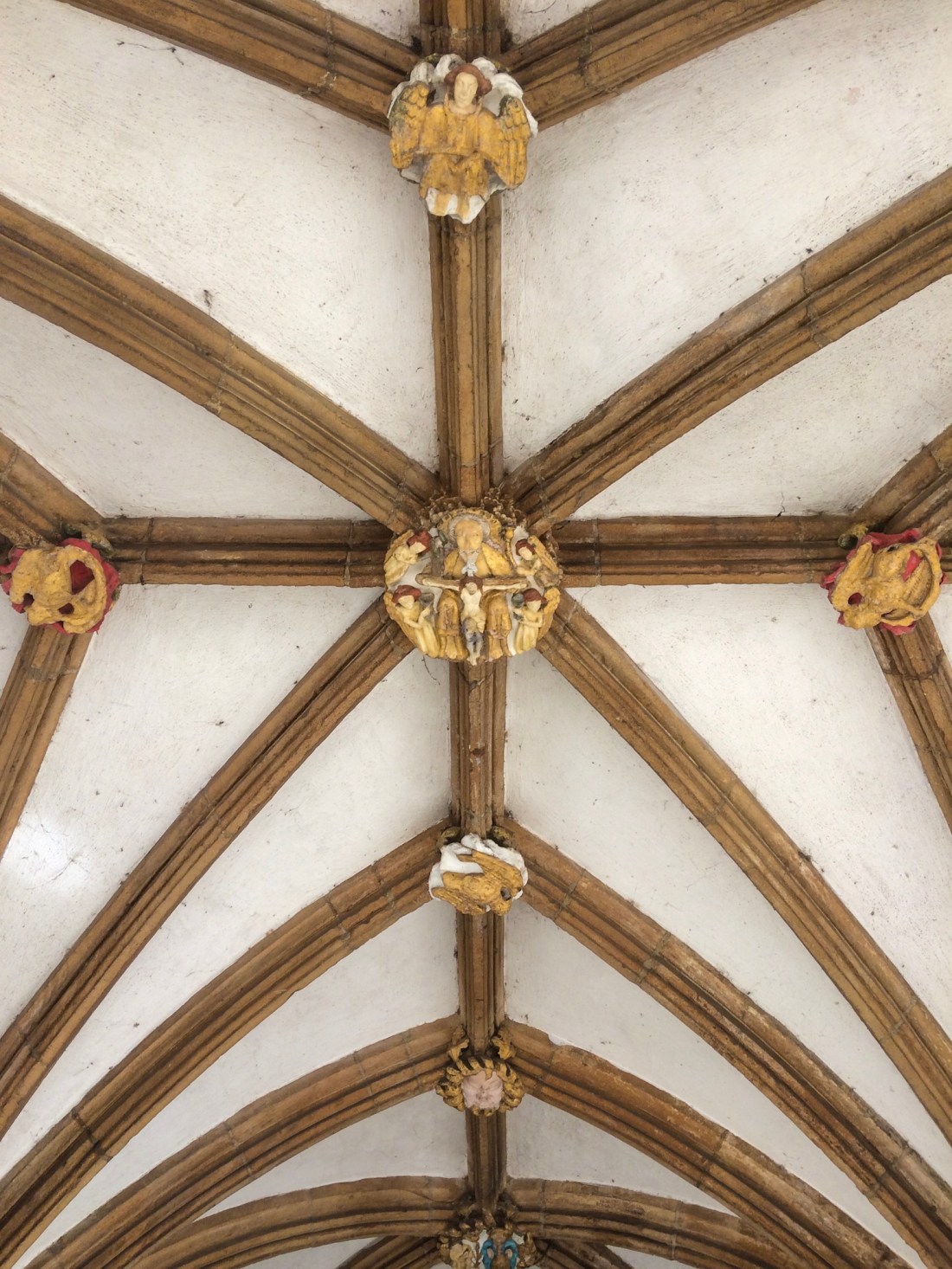
The south porch entrance is most interesting, particularly the roof in the above photograph.

IMG_1874

IMG_1876

The nave is very large and light with a rood screen.

IMG_1880

There is also a wonderful reredos.

IMG_1882

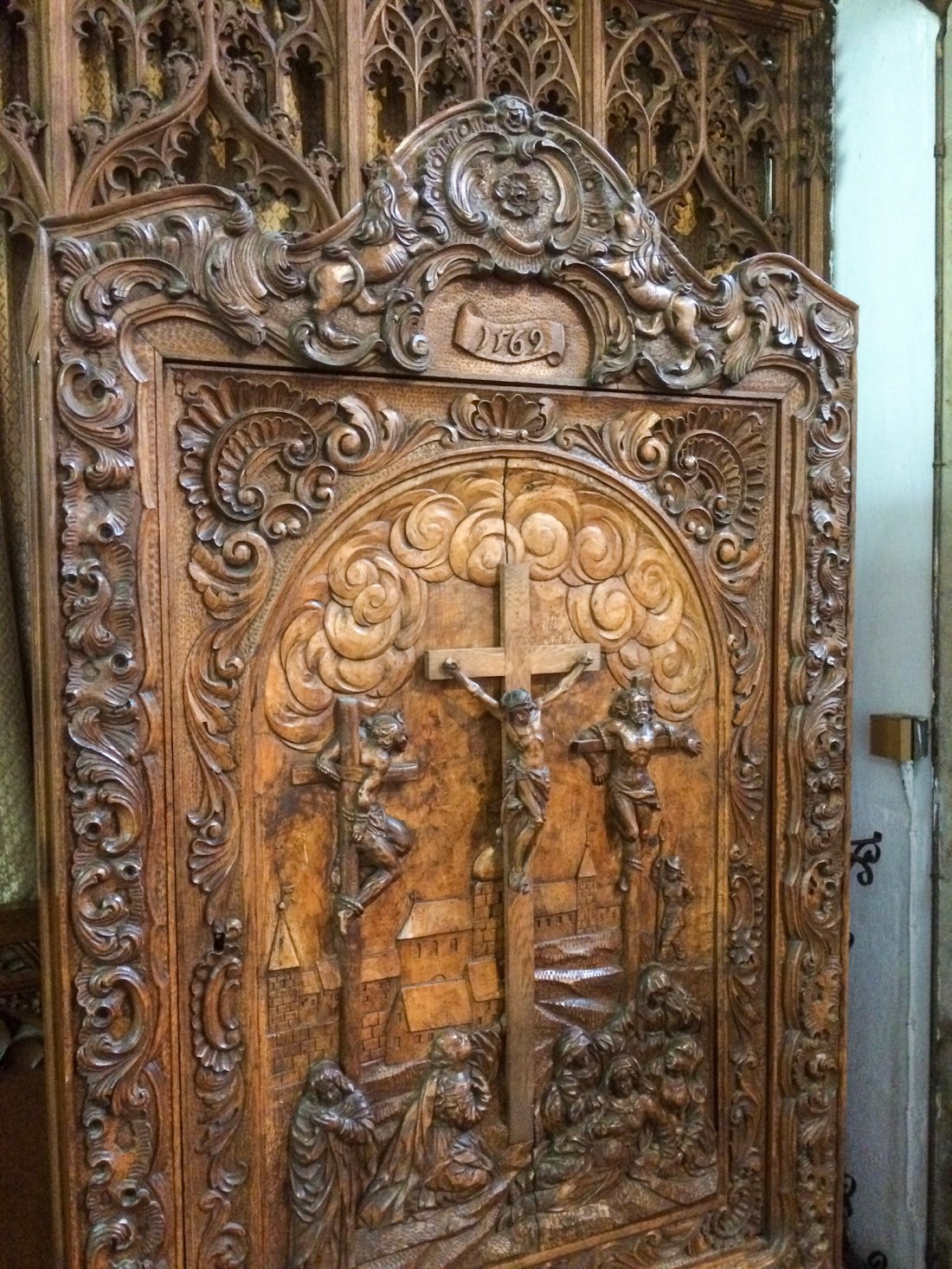
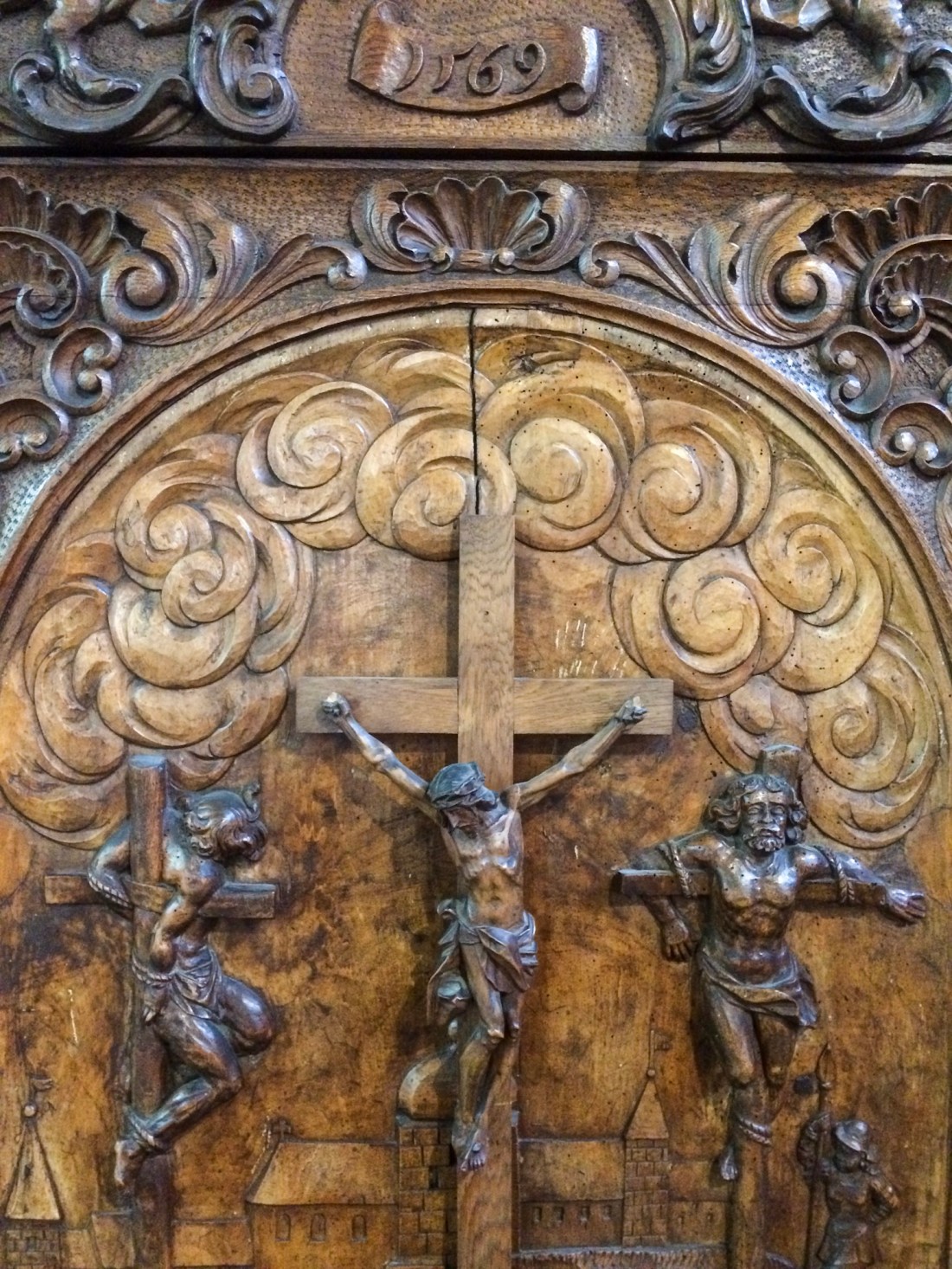
One of the most interesting features is this probable vestments cupboard, dated 1569, a wonderful piece of woodcarving, which I would think is limewood, similar in style to the plethora of such art produced in Germany during the same period.

IMG_1883

The pulpit too had some intricate woodcarving, probably oak by the look of it, although I did not find a date on it, but I would assume it is later than the earlier piece.

IMG_1885

There are even a couple of examples of medieval embroidery by the door.

words and photographs copyright Francis Barker 2019