King Edward VI, The Tragic Boy King with a Mind of His Own – Astrology Musings

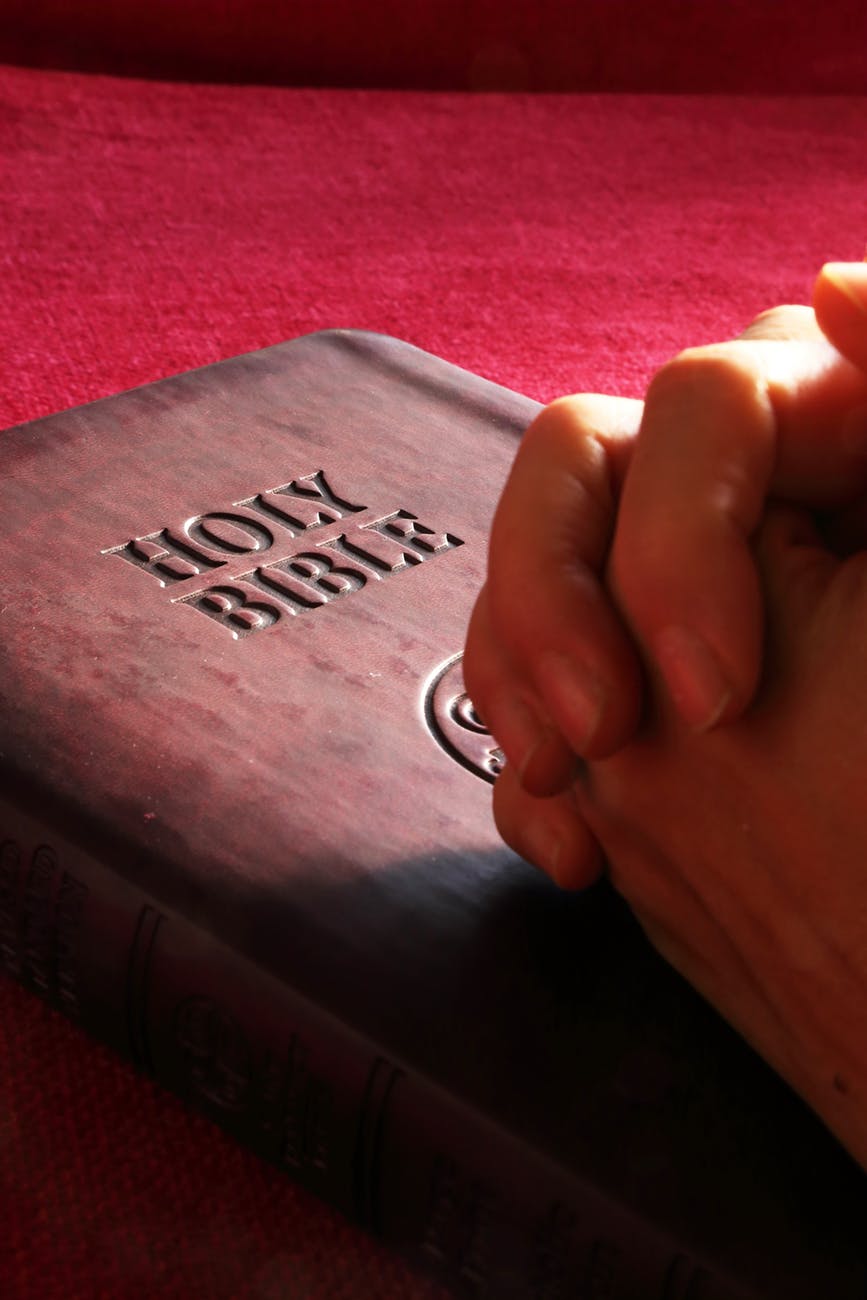
belief bible book business
Photo by Pixabay on Pexels.com

King Edward VI had the misfortune to succeed his famous father on the throne of England, aged just 9.

Unlike his father, Edward was an avowed reformer and protestant, having been tutored by leading religious reformers of the day.

Staunch Protestant

What is more, Edward appears to have very much embraced the new religion, as well as being a keen student of it.

Astrologically, Edward was born with Virgo rising, with Venus and Saturn close to the ascendant. This reveals a very analytical, even highly exacting approach to life, a love of study and detail. Although not too much is known of him, he does appear to have had a somewhat ‘humourless personality’, yet it is difficult to be critical of someone so young.

A Serious Student with Strong Opinions

His ruling planet Mercury is in Scorpio in house 3, which deepens the mind considerably. Here is a penetrating mind, and probably a very good student who would get absorbed in his subjects. Like his father and sisters, he was very good at languages.

However, this Mercury is also square Mars in Leo in house 12, indicating that although he had a lot of mental energy for areas like intellectual debate, there was also tendency for it to show itself through excessive stubbornness or perhaps fits of anger, a tendency he may have inherited from his father.

Courteous

However, we must also bear in mind that he was a Sun Libran in house 2, so at heart he did have strong sense of companionship and courtesy.

It is known that despite the differences between himself and his eldest sister, Mary, especially in regard to her staunch Catholicism as opposed to his avowed Protestantism, he did show concern for her and wished they could at least get along, even though ultimately this proved to be extremely difficult.

Reticent, but Calculating

His Moon was in Capricorn square his Sun, which gave him a cool, even calculating disposition, which may have come across initially as reticence or shyness. This would underline the rather analytical and fastidious personality.

Once people got to know him, the essential charm would have become more obvious. This tendency might not have helped his reputation for being rather exacting and humourless, however, as mentioned above, and if he had lived to adulthood, he would almost certainly have had a ruthless, autocratic streak, capable of making difficult, unpopular decisions.

Practical Application of Philosophy 

Jupiter in Taurus in house 9 loosely trine his house 1 Saturn, implies an expansive, if rather conservative and very practical interest in philosophy.

After all, we have to remember that Protestantism, though in one sense revolutionary, was in essence a stripping away, an ultra conservative, radical approach to Christianity which resorted to scripture rather than saints.

He was keen to make sure that England’s Protestant transformation became permanent and took a keen interest on the detail, so much so that he agreed to the idea that Lady Jane Grey should succeed him and not his virulently Catholic sister Mary.

Social Upheaval Personally Felt

Around the time Edward was born, the Uranus Pluto cycle was in opposition, both in positive aspect to Neptune (spirituality).

This cycle is all about social change and around 1537, the fallout from the Dissolution of the Monasteries was beginning, with large numbers of monks and nuns being released into the communities and the former monasteries falling into the hands of the king.

Edward’s ruling planet Mercury and Mars are loosely connected to the Uranus Pluto opposition, forming a tense T-square, another strong indication that he was personally connected to (and took a strong interest in) the changing times he was born into the continuing change after that which enveloped the whole country.

What Might Have Been

Edward died aged only 15, probably from tuberculosis, although there were rumours of poisoning.

Had he reached maturity and lived a reasonably long life, say to around 56 like his father, it seems clear that England would have become a fully Protestant country much earlier, even though large parts of the country would remain strongly Catholic for a few generations more. This would almost certainly have led to religious turmoil.

What is more, judging from his birth chart, Edward would have taken a strong leading role in to seeing to the imposition of this new religion and would have been as vehemently Protestant as his sister was Catholic.

copyright Leofwine Tanner 2019

A Lost World: Crowland Abbey, England Part 2

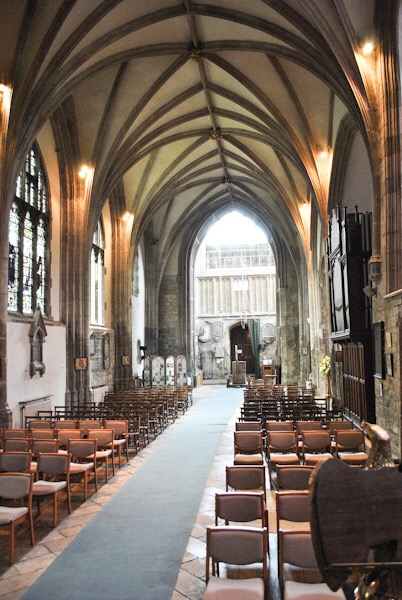
The ruins of Crowland Abbey lie in south Lincolnshire, England. 

What was once the north aisle of the abbey had been adapted to make the present day parish church.

Croyland is the old name for the settlement.

DSC_0012 (1)
In the nave looking east.

dsc_0017-2.jpg

63363875-3D25-4FCA-9313-3277B1404260 (1)

DSC_0016 (2)

DSC_0014 (1)

DSC_0018 (1)

58CE8995-97ED-4BD3-972A-485217C4F286 (1)
Looking west from the chancel.

Book Review: Musings on ‘A Portrait of the Artist As A Young Man’ – James Joyce

IMG_1337

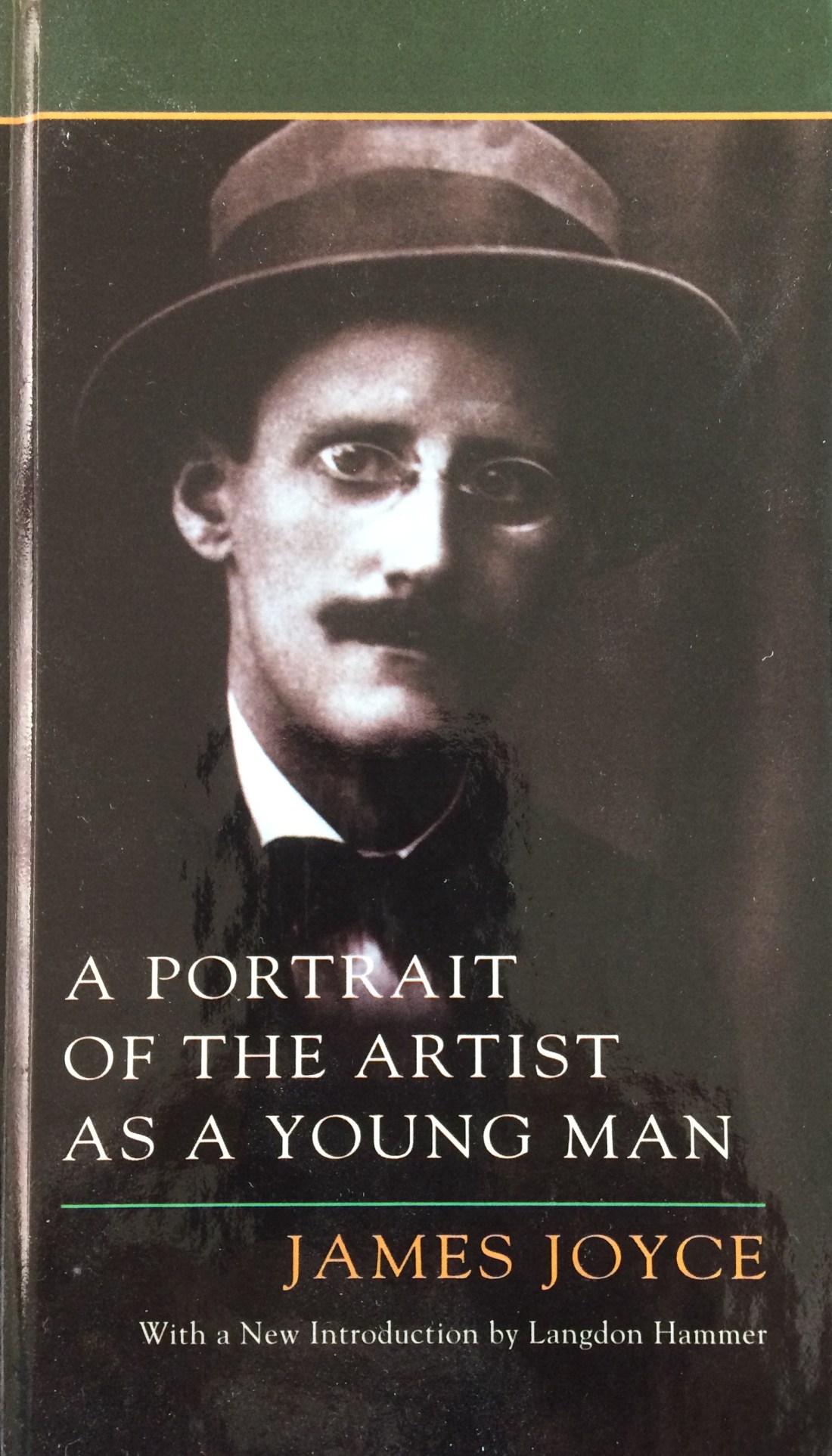
Of course, much has been written about this novel since it was first published in 1916. To call ‘A Portrait Of The Artist As A Young Man’ (Penguin – this publication) a landmark, would be grossly understating its impact.

So I’m not attempting to go into great depth, all that has already been done. I merely want to convey my own recollections of first reading it, way back in school.

For me, it was this book and D.H. Lawrence’s ‘Sons and Lovers’ that first truly opened my eyes to what we sometimes call serious literature. Both of them are, in their own way, semi-autobiographies and broke the mould of novel writing.

Story Teller

Naturally though, Lawrence and Joyce wrote in very different ways. I think Joyce wrote more intuitively, in a way which conjured up for me a wholly different milieu of imagery. He is a natural narrator, a story teller like many of his countrymen.

For example, when he describes Stephen Dedalus’ childhood, I get drawn into that world through the use of evocative child-like language; I become that child. I can remember endless classroom discussions about this part of the book.

Living Imagery

And the world of Dublin in the late 19th century, was a very different world from that of the industrial Nottingham area, where Lawrence sets his book.

Although Joyce was to reject almost everything about his upbringing, his beliefs, his writing is nevertheless suffused with that imagery, bringing it alive, like new music as some describe.

So what are we to make of the criticism of those who first rejected his manuscript? The book is, when compared to more classic literature, without doubt somewhat formless and unconventional.

Like God

Yet, those of an artistic nature tend to be like this, especially over the last hundred years or so. I think Joyce, whose approach was understood and encouraged by none other than Ezra Pound, was simply bold enough to open up the taps of his creativity. The artist himself almost becomes like God, a creator in his own right, a bit like the Daedalus of legend, who built wings for himself and his son so that they could fly.

Joyce’s upbringing within the strict bounds of Catholicism, his training for the priesthood, was in retrospect the perfect grounding for such free artistry, once it was released from its captivity.

Ironically, Joyce’s world never seems to lose the colour of his Catholic upbringing, even though he ultimately rejected it. With Lawrence, the harsh, English Protestant world, seems altogether more grim, enlightened by the writer’s love of nature.

Native Genius

Joyce’s innate creativity, held back for so long, could only emerge later like a succession of Michelangelo masterpieces, hewn by the craft and intelligence of a native genius.

Unlike his other classics, Finnegan’s Wake and Ulysses, I have successfully completed reading his first great novel.

Even so, one day I intend to finish the former two, although I suspect I will read ‘Portrait’ again before I do that.

copyright Leofwine Tanner 2019
West Lindsey Church Festival 2019 – Minting St. Andrew in Pictures, Part 2

DSC_0064 - Edited
A collection of old Bibles.

DSC_0061 - Edited

DSC_0068 - Edited

copyright Leofwine Tanner 2019

Remarkable English Church, Stainfield, Lincolnshire, Part 2

DSC_0040

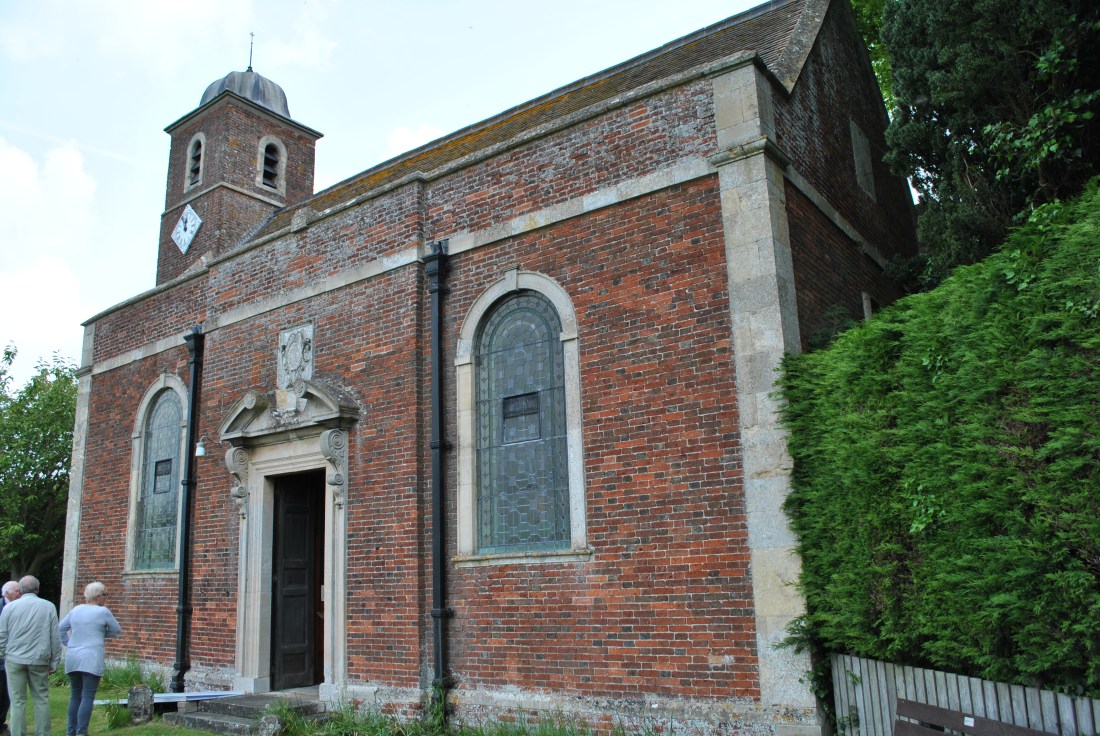
Saint Andrew’s church in Stainfield is remarkable. It’s thought that Christopher Wren designed the building following a visit.

The church has been open since 1711 and is still a regular place of worship, though the burial ground these days is at nearby Apley.

This area of Lincolnshire is notable for its rich ecclesiastical history, particularly in regard to monasteries, the abbeys and priories that were finally dissolved by Henry VIII between 1536 and 1540.

Inheritance

There was a priory here dedicated to Saint Mary until that time, though not much detail of its history survives. The priory remains have not been excavated, though part of it is said to form part of the wall of the present church.

At the time of its dissolution, the priory was given over to the Tyrwhitt family, in whose hands it remained until about seventy years ago.

A most remarkable inheritance from that long period are The Tyrwhitt Tapestries, actually cross stitch embroidery work. Today they hang along the north wall of the church.

DSC_0032 - Edited

The tapestries were originally made for the opening of the church in 1711 and consist of five religious pieces, including the Ten Commandments and the Lord’s Prayer.

The Ten Commandments piece was re-stitched some time in the late 19th century, and much rather difficult preservation work has been carried out on them since.

DSC_0033 - Edited