Michelangelo, Creative Genius of All Ages – Astrology Musings

Michelangelo di Lodovico Buonarroti Simoni – known simply to us as Michelangelo – is often considered the greatest creative genius of all time.

It is hard to argue against this considering his achievements. He was a notable artist, poet, sculptor and architect who created, among other things, the painting of the Last Judgement on the ceiling of the Sistine Chapel in the Vatican, Saint Peter’s Basilica in Rome, the Pieta and the statue of David in Florence.

If his birth data is correct, then he certainly seems to have a birth chart that implies a significant creative force.

Multifaceted

Let’s start with the basics. Firstly, there is only Pluto in earth signs, which is very surprising considering many of achievements are practical creations, like sculpture – more of this later. His elements are primarily air and water, showing that he was inspired and put much rational thought into the creative process too.

He has Sagittarius rising, meaning he had a very free and multifaceted approach to life, an indication of his ability to span many types of creativity. His ruler, Jupiter, is in Aquarius in house 3, meaning there is more than a touch of originality, objectivity and freshness in his ideas and mentality.

Highly sensitive and creative

He has the Sun and Moon in Pisces in house 4, with the Sun in good aspect to Neptune in house 12, showing how he was essentially sensitive, impressionable and also deeply inspired from the subconscious. Mars is also quite close to the Sun, giving him great bursts of creative flair, especially so as Mars in ruler of house 5.

Venus in Aries is also an indicator of primal artistic flair, especially his Venus in house 5 of creativity. Venus is also ruler of house 6 of work and the MC, which also has associations with life direction and career.

However, I want to concentrate mainly on what I consider to be the primary pattern of his chart, namely the fairly loose, yet important ‘kite’ formation involving Mars, Saturn, Pluto and Neptune, and also the Sun and Uranus to some degree. This is a fairly unusual configuration and I am sure one that is significant when one comes down to discussing creative genius. I think the fact that all three ‘outer planets’ are involved is highly significant, an indication that he could tap creatively the transpersonal energies of transformation (Pluto), inspiration (Neptune) and originality (Uranus).

Through studying many birth charts of creative types, like artists and composers, I have found that Neptune in particular almost invariably forms strong aspects to personal planets, or is strongly placed, or both.

IMG_1968

The ‘Kite’ – the sign of a great, dynamic genius?

Apart from Pluto, at the top apex of the shape, it all takes place in water signs and houses using the ‘whole signs’ house system, showing its emotive and inspirational wellspring.

In this regard, Pluto’s presence in an earth sign (Virgo) and house (10), becomes all the more significant, I feel, symbolising the long term, transformative physical effect Michelangelo produced and experienced in his career, and the incredible, powerful legacy he left with us.

Let’s take a closer look at it. Mars in Pisces in house 4, reveals his emotive, disparate energy in opposition to Pluto in Virgo in house 10, a tense, compulsive battle between personal and transpersonal power, which creates great waves of energy to transform the life direction but which needs to be harnessed to make useful.

Applications in the world

Enter Saturn in Cancer in house 8 and Neptune in Scorpio in house 12, both in good positive aspect (sextile and trine) to the Mars Pluto opposition, both of which can feed off this energy. Saturn will tend, despite being in a water sign and house, to earth this energy, look for practical, structural applications of it.

Neptune, and to some degree Uranus, will add sheer inspiration and some originality to the mix from a subconscious and transpersonal ‘muse’, perhaps encapsulating the very nature of genius. And with the Sun also fairly closely linked to this inspirational dynamo too, we can perhaps appreciate the great depths of creative potential that this man had, his ability to produce it for all the world to enjoy – even to this day and hopefully for centuries still to come. He was that rare individual, a genius for all time.

*If you are interested in getting your own astrological report, or would like one created for a loved one or a friend, please contact me at leoftanner@gmail.com.

copyright Leofwine Tanner 2019
 

England’s Heritage in Photos: Pinchbeck Church of Saint Mary, Lincolnshire

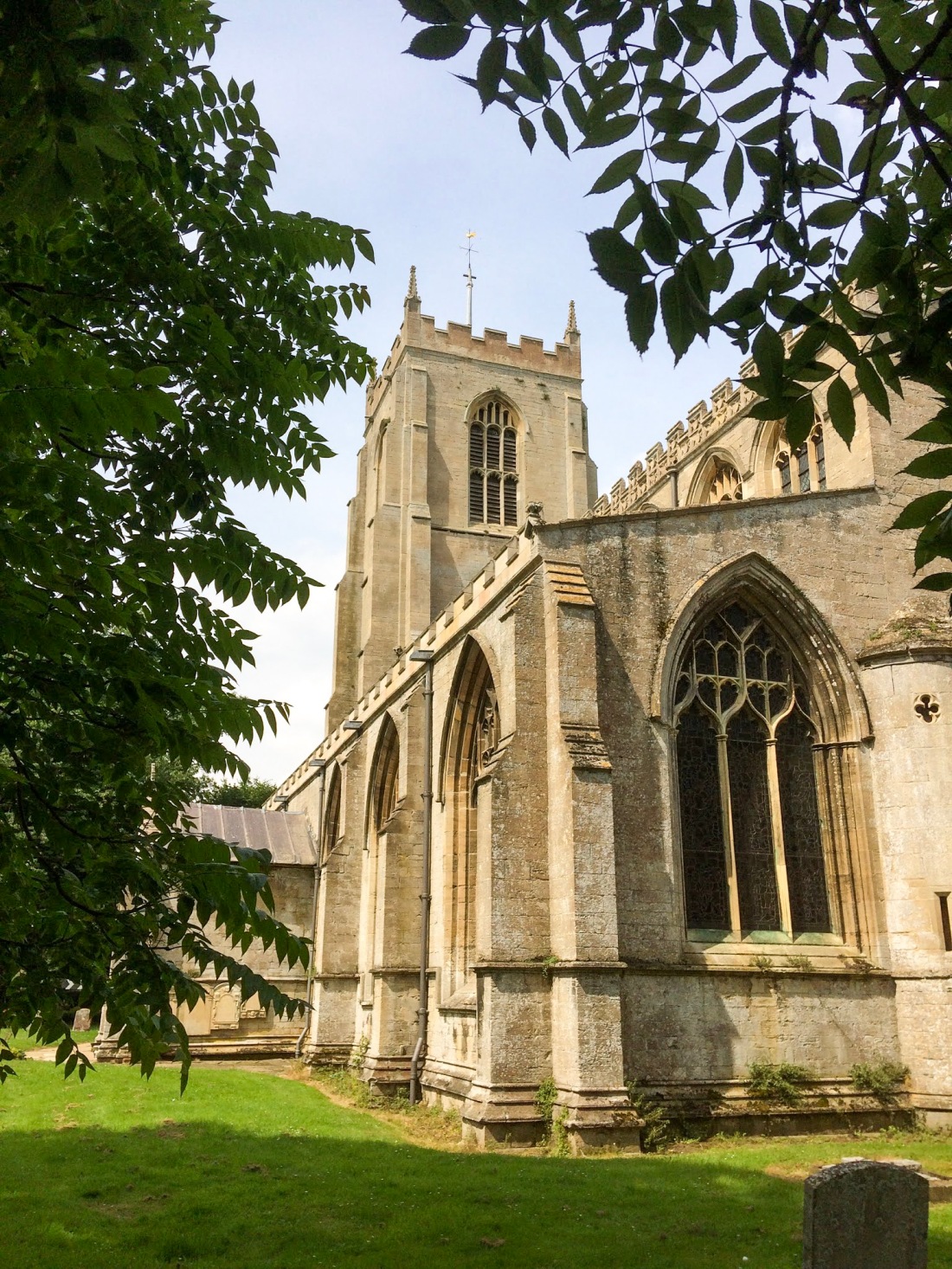
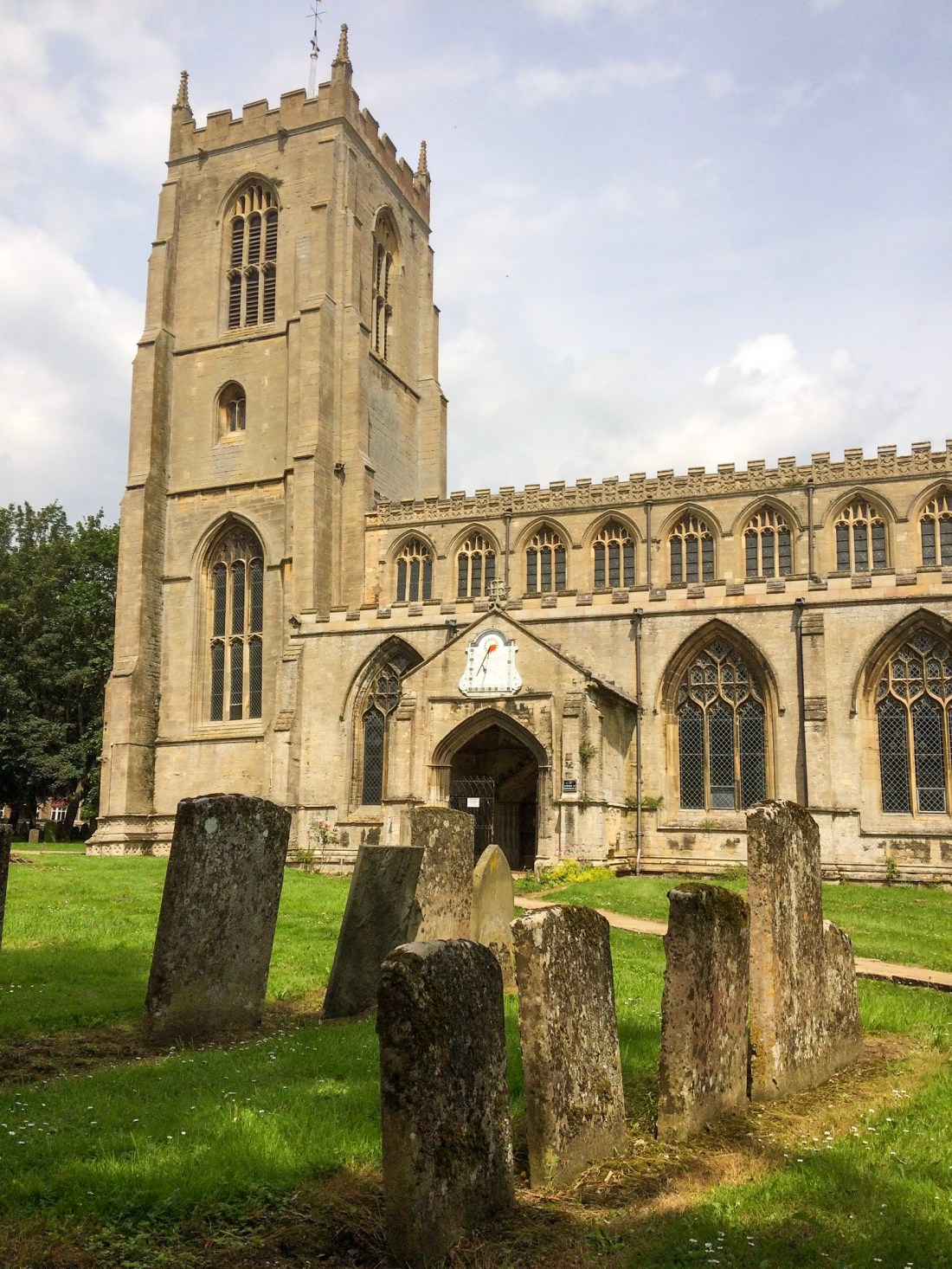
Pinchbeck is a large village in the south of Lincolnshire, which has a very impressive church.

IMG_1719

IMG_1725
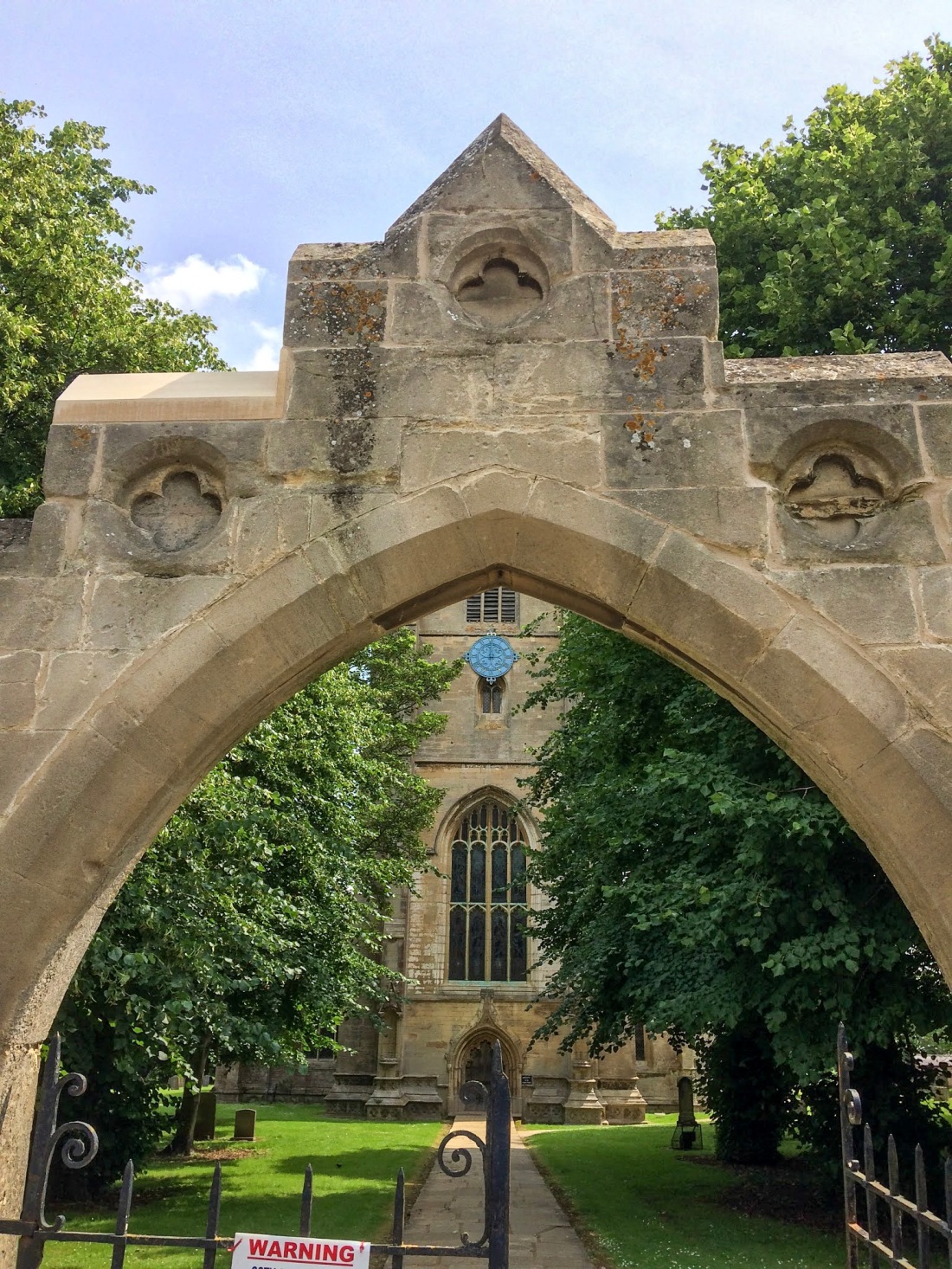
Pinchbeck church lychgate.

IMG_1718

IMG_1712
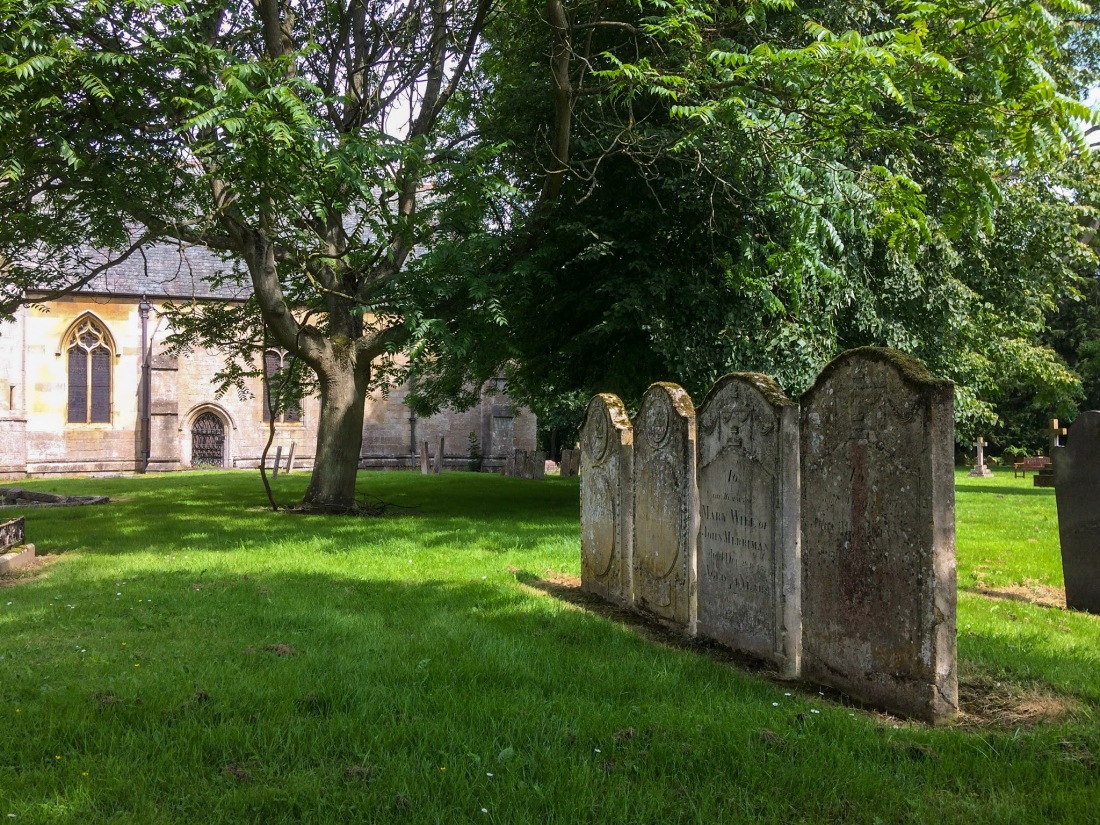
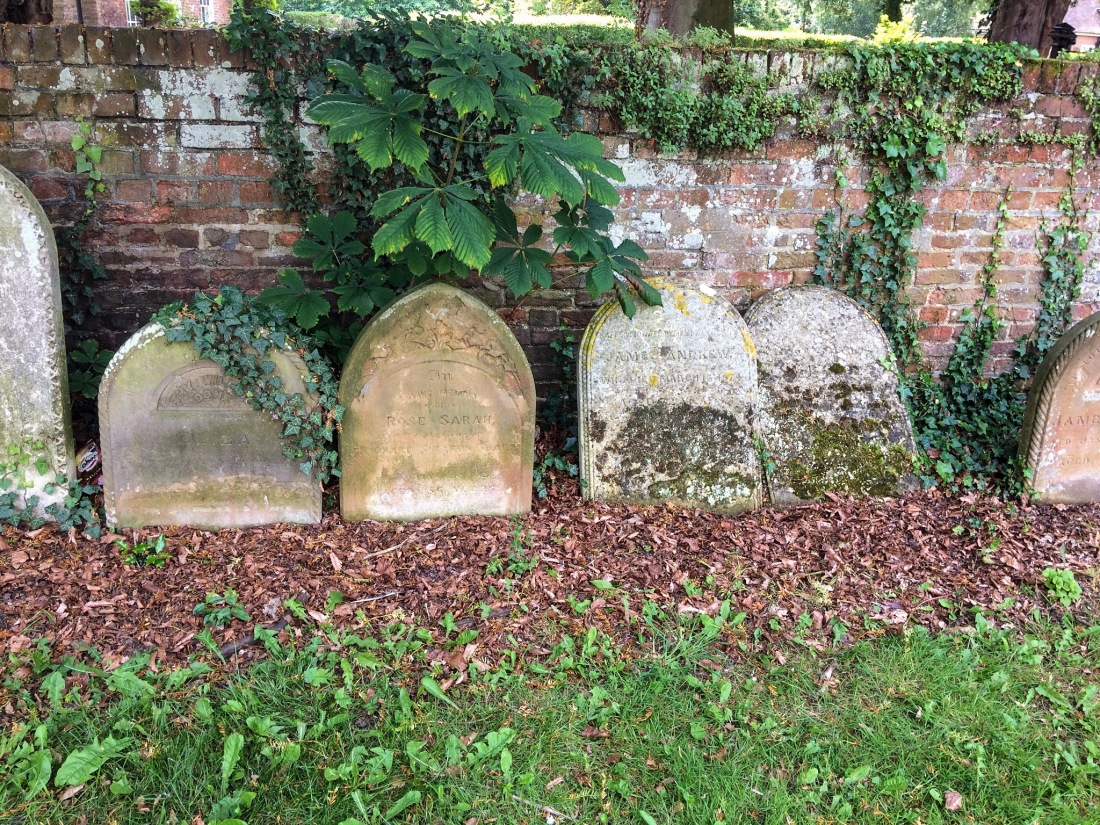
Older gravestones moved to the side of the graveyard.

IMG_1710

IMG_1711

copyright words and pictures Francis Barker 2019


England’s Heritage in Photos: Crowland Abbey Flower Festival, Lincolnshire

IMG_1963 (1)

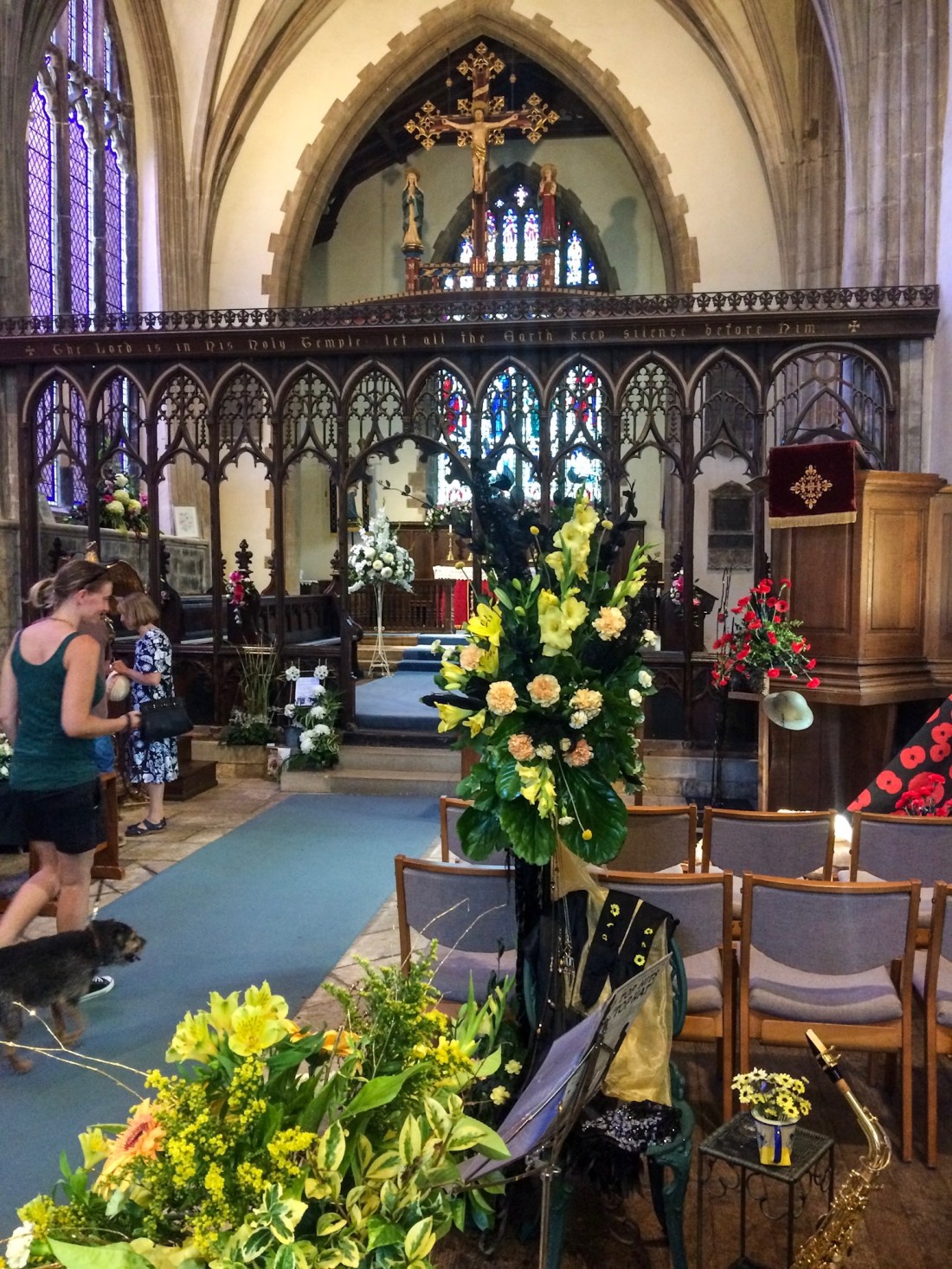
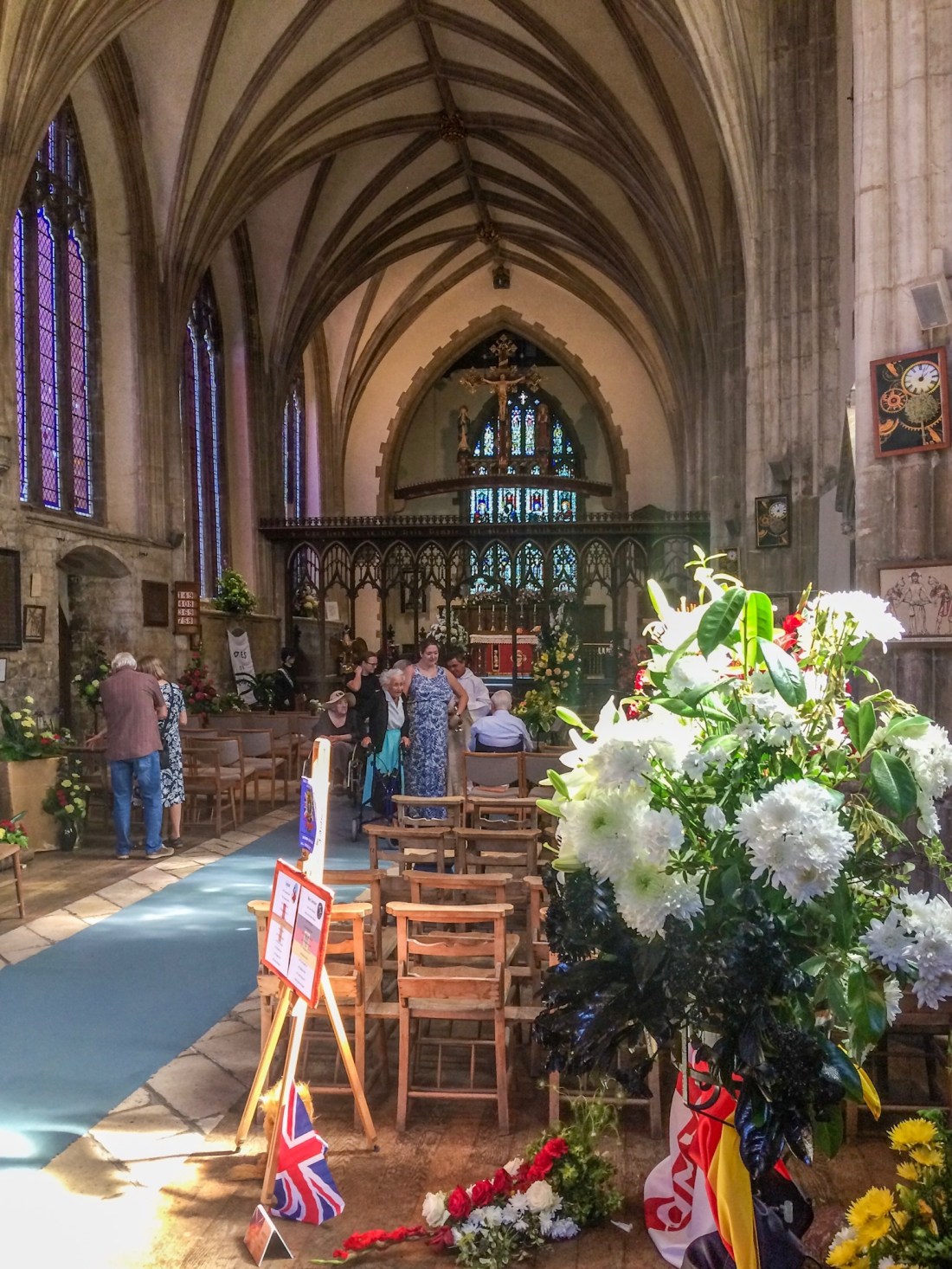
Recently, there was a flower festival in Crowland Abbey church in the extreme south of the county of Lincolnshire. The theme was decades over the past one hundred years.

IMG_1960

IMG_1959

IMG_1956

IMG_1955
Poppies are a special symbol for the British losses during World War One.
IMG_1953
World Cup 1966 – England 4 West Germany 2.

IMG_1952

copyright words and pictures Francis Barker 2019


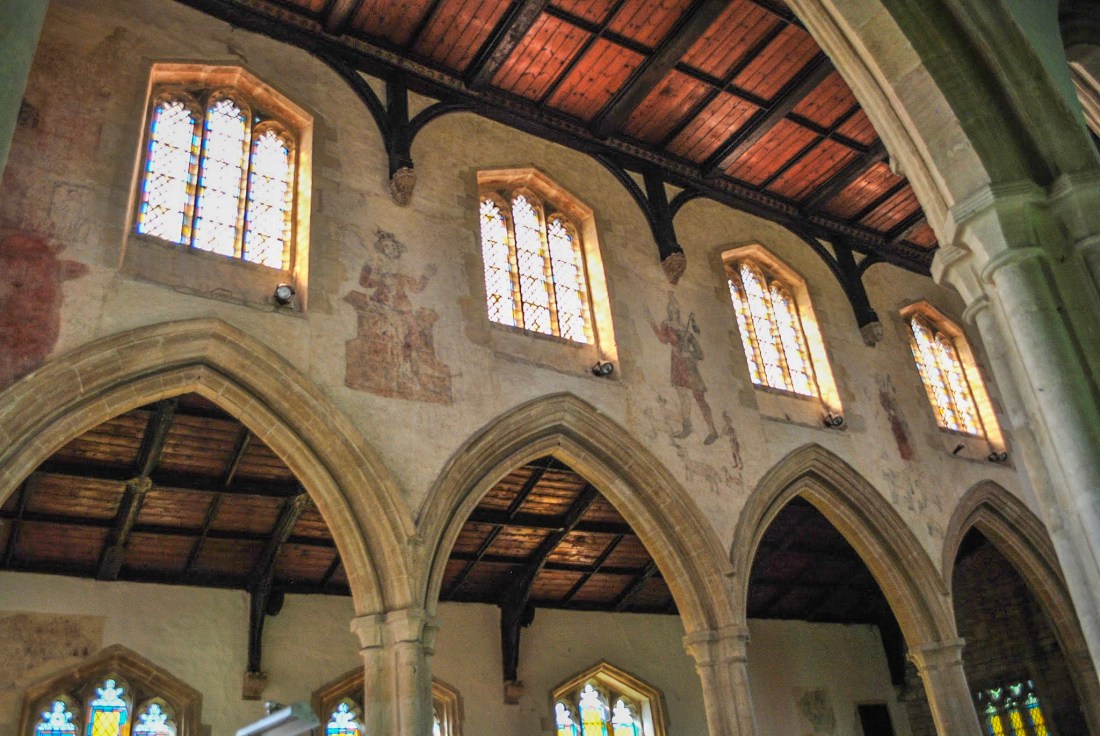
England’s Heritage in Photos: Corby Glen Church, Lincolnshire – Medieval Wall Paintings

DSC_0019

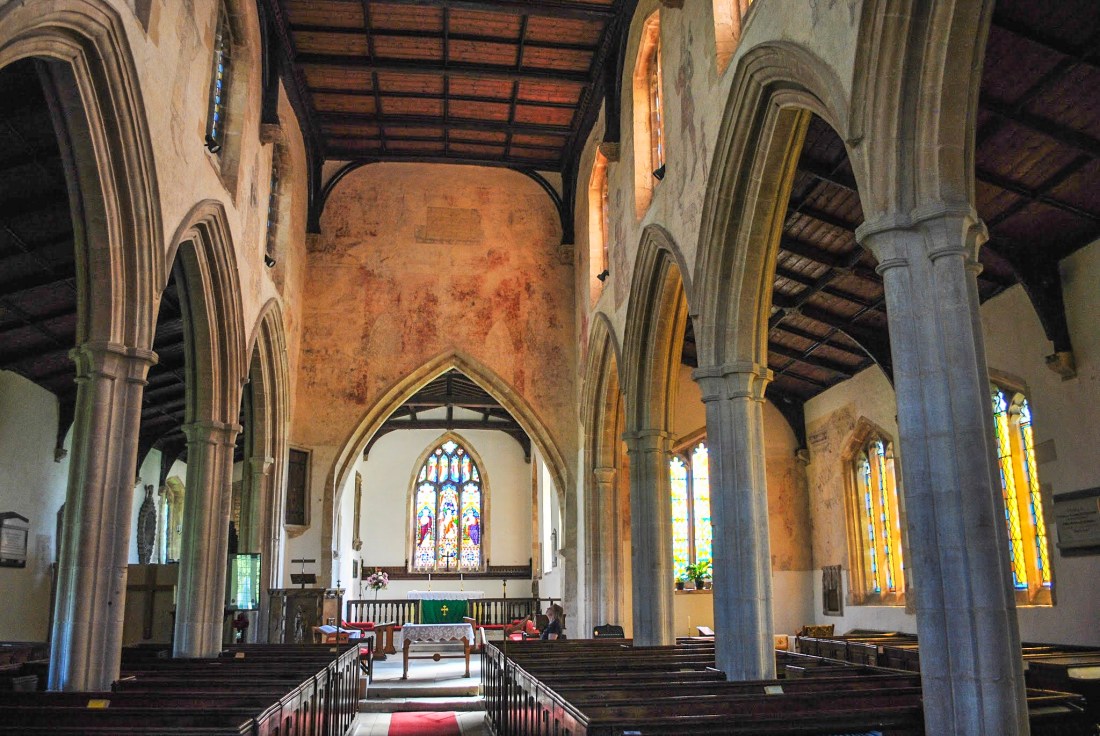
Lincolnshire in the east of England has some wonderful, often underrated medieval churches.

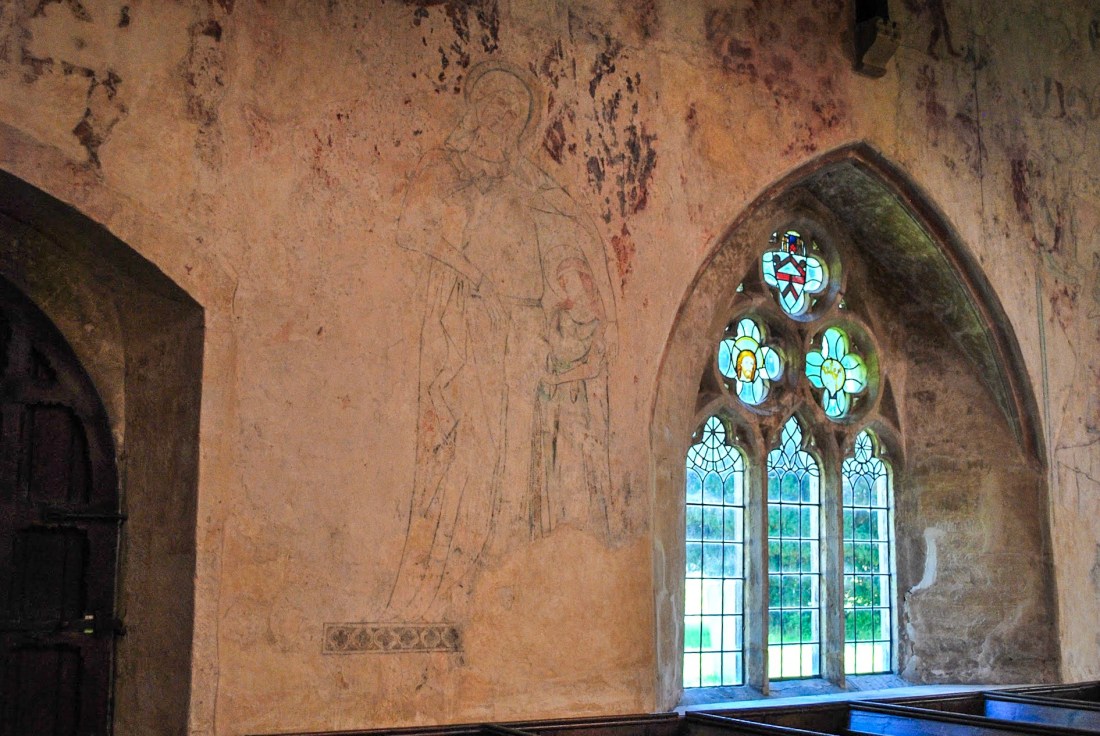
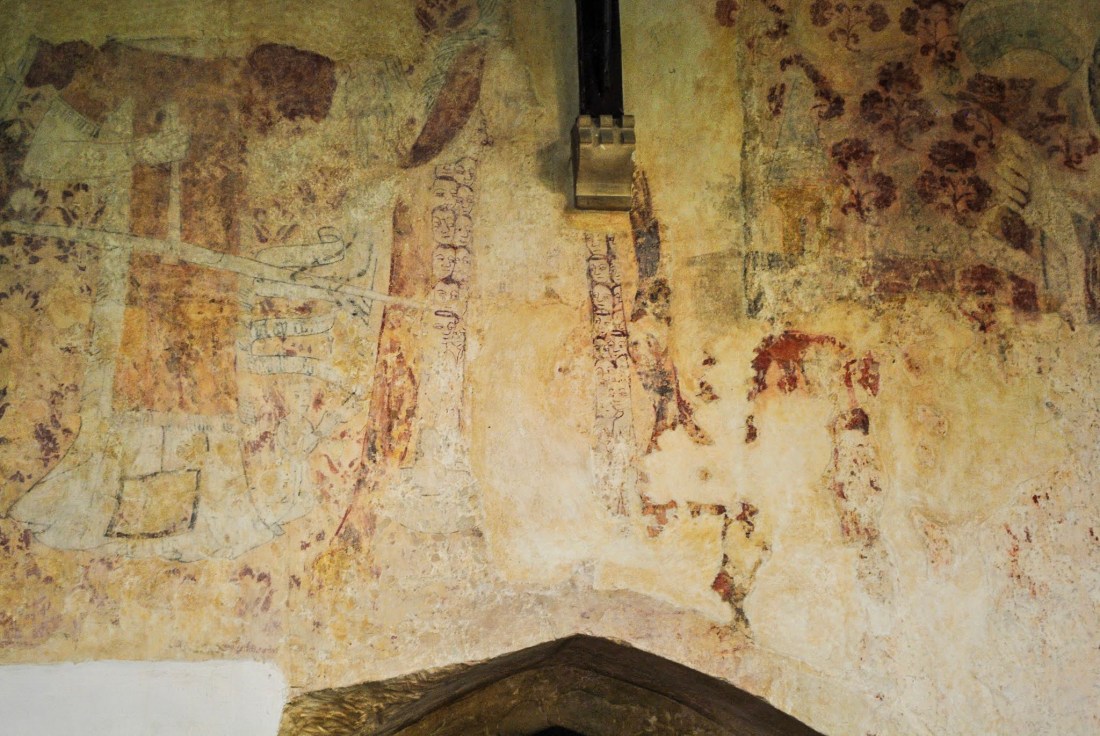
One such is in the south west of the county, in the lovely village of Corby Glen. Here on many of the walls of the church you can see paintings and illustrations of religious and spiritual imagery, representing stories from the Bible and the faith and beliefs in general of the later medieval period.

DSC_0018 (1)

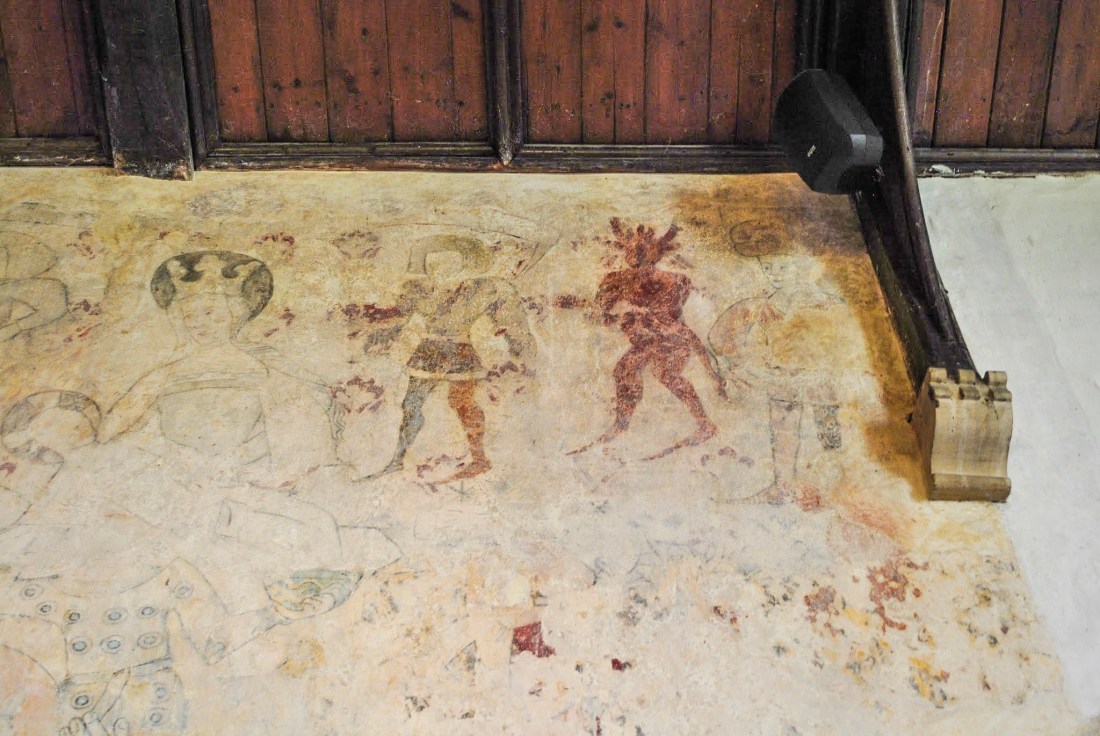
If you look carefully, you can make out several layers of art, where older ones have been superseded with new work.

DSC_0007

During the Reformation in the 1500s, all of this art was whitewashed over, part of the process of removing all imagery, which also meant stripping out idols and even rood screens which separated the nave from the chancel.

It was only in more recent times that this treasure trove of art was rediscovered through church restoration.

DSC_0004

Today this art represents some of the most important medieval imagery not only in the county of Lincolnshire, but also in the whole of England.

DSC_0017
Devil in the detail.
DSC_0020
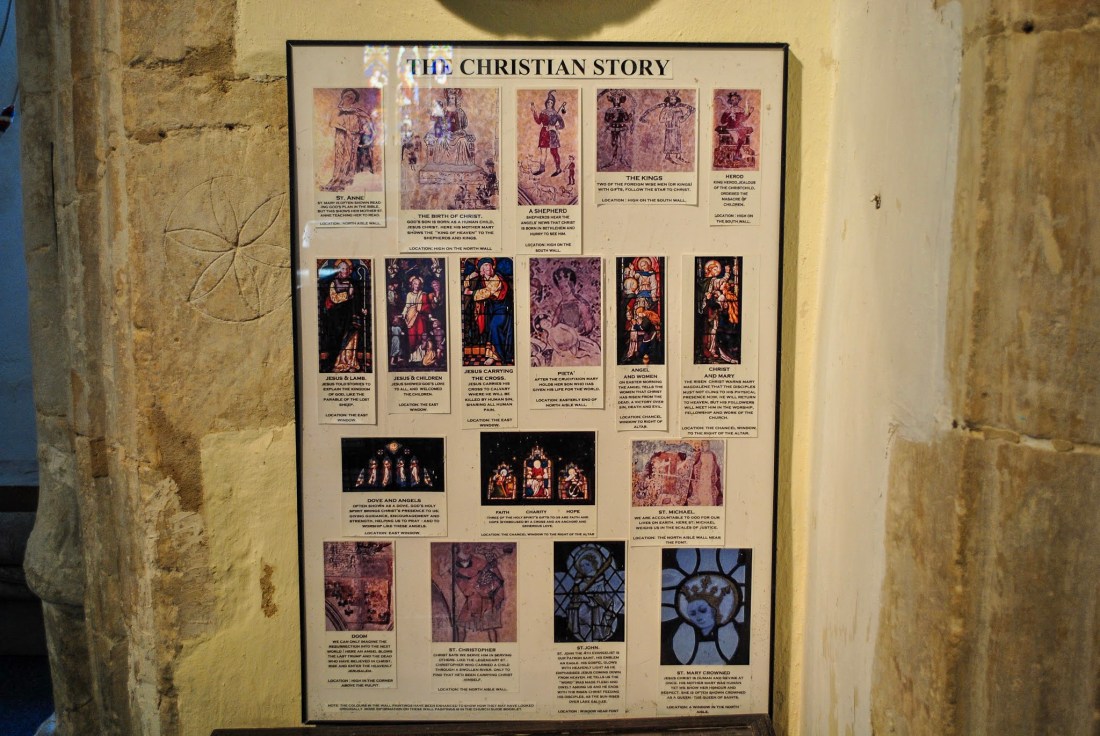
Explanation of the imagery inside the church.
DSC_0002
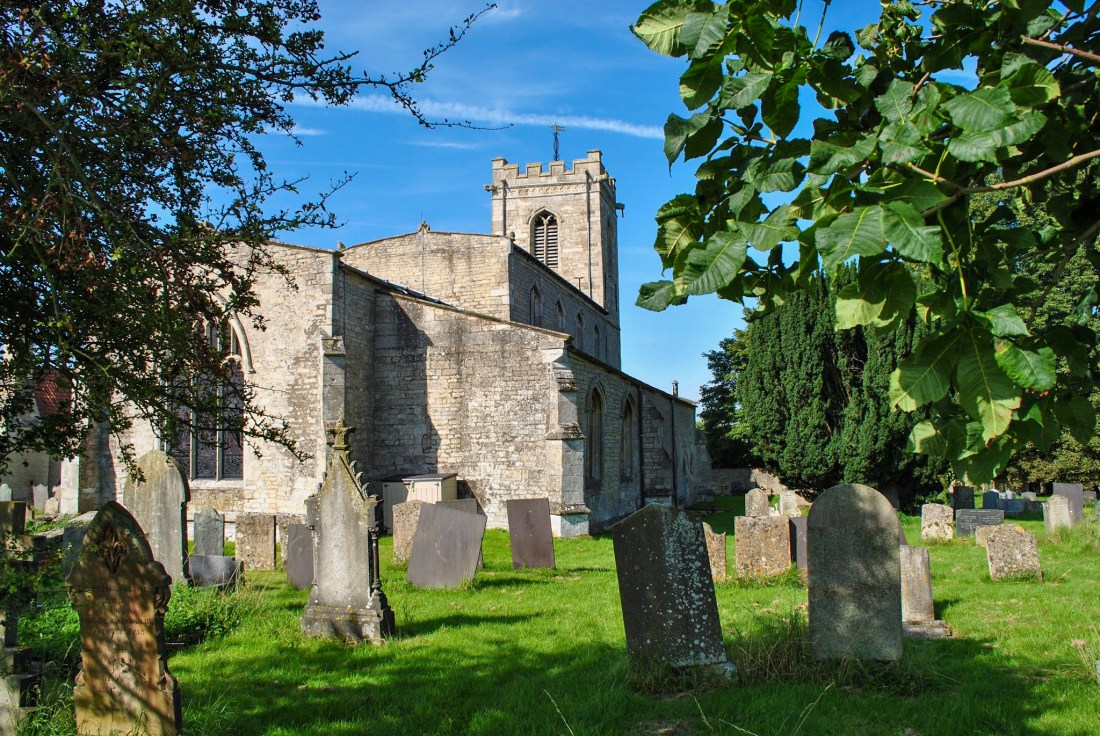
The beautiful setting of the church of Saint John the Evangelist, Corby Glen, Lincolnshire.

copyright words and pictures Francis Barker 2019

England’s Heritage, Peterborough Cathedral Part II – Two Famous Queens

IMG_1892 (1)

Peterborough Cathedral in the east of England is one of the country’s biggest and most beautiful churches, with an association with two famous queens.

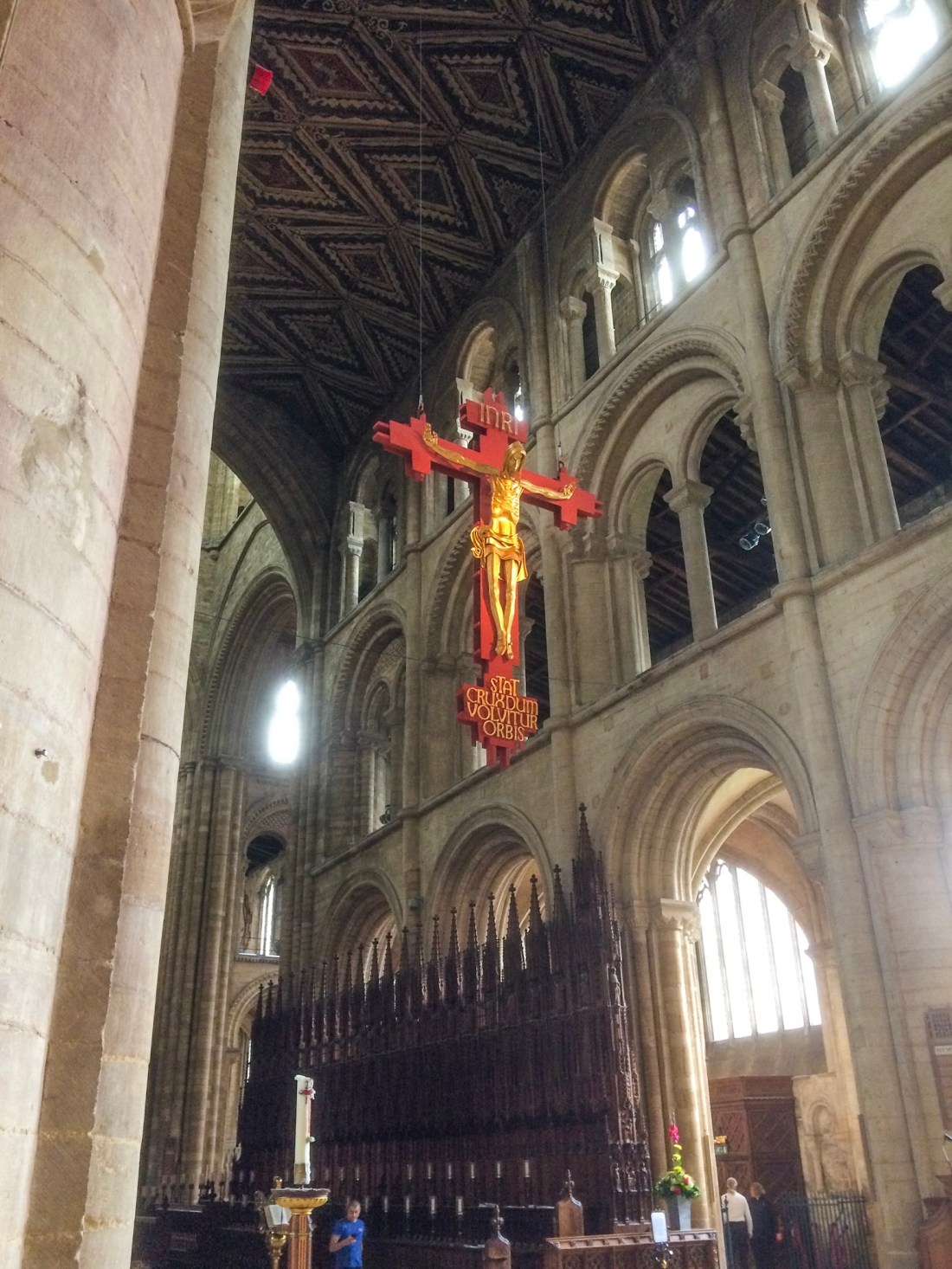
The long nave is quite stunning, with a beautiful roof and with a modern golden image of Christ suspended high as a focal point.

IMG_1893

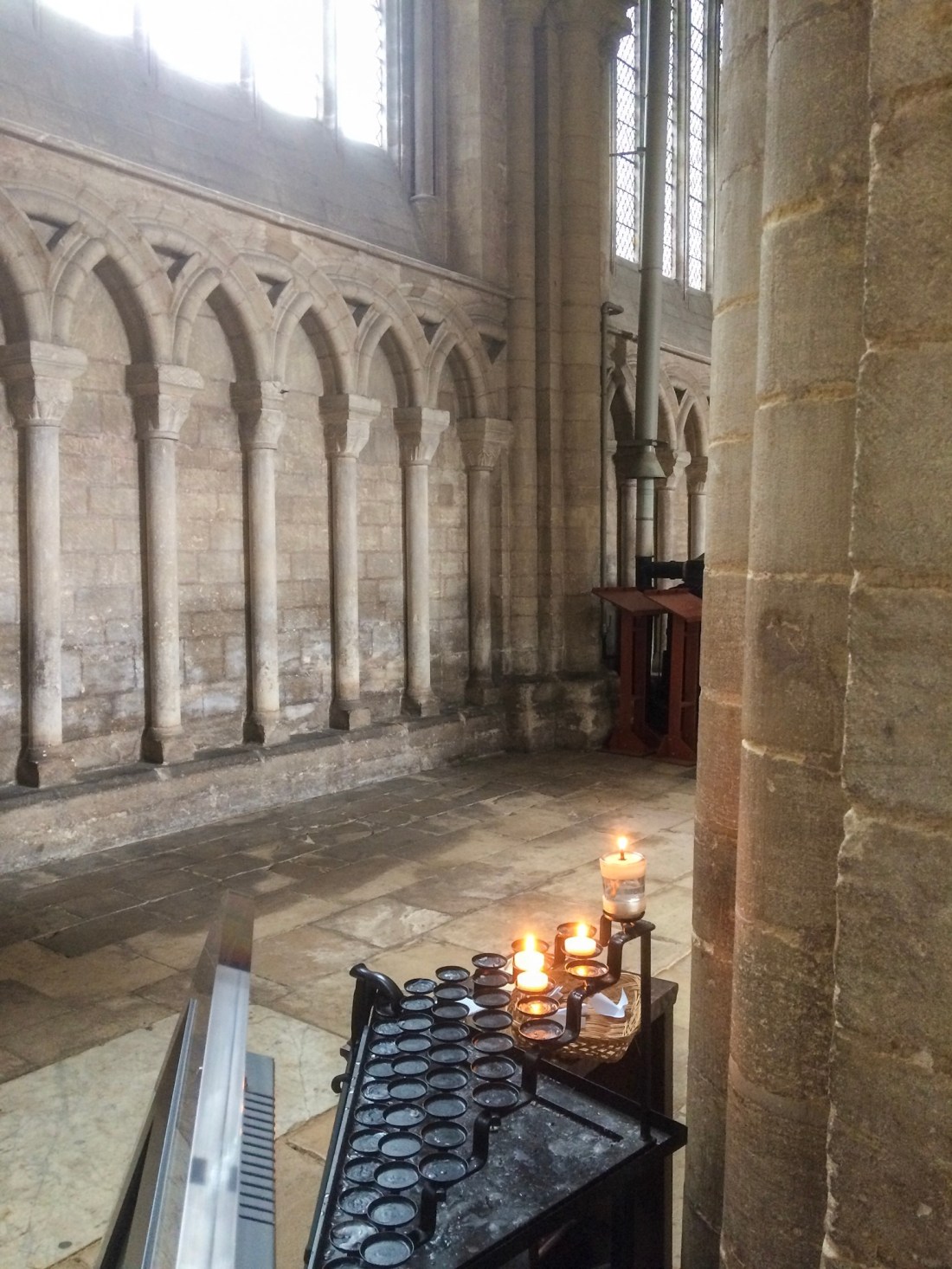
The cathedral is dominated by Norman and early English architecture, with numerous examples of Norman arches, such as these interlacing examples above.

IMG_1894 (1)
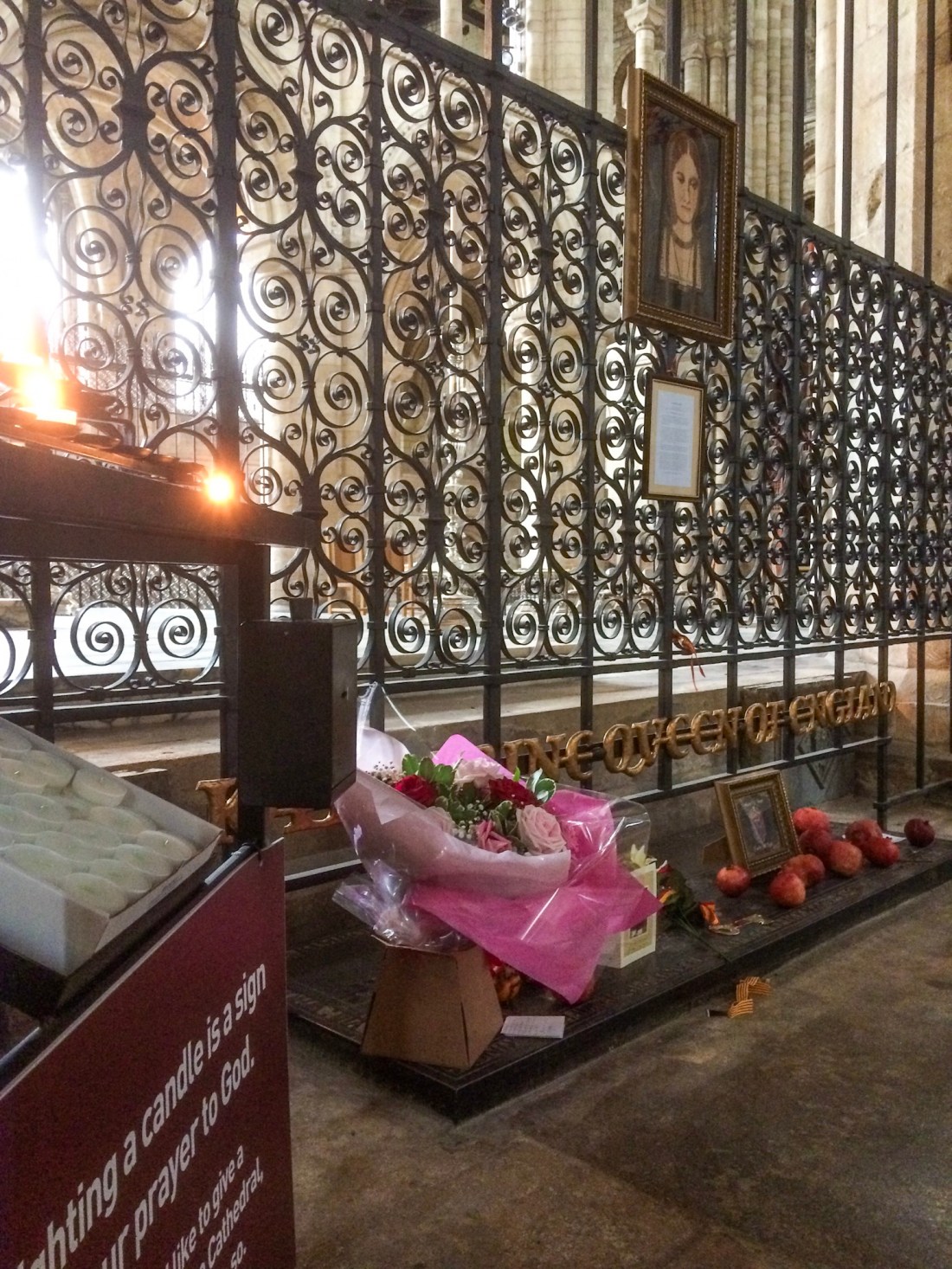
Catherine of Aragon, Queen of England, is buried here.

The cathedral is also notable for its association with two famous queens.

The first was Catherine of Aragon, Queen of England when she was married to Henry VIII. Catherine was buried here in 1536 and her tomb is still something of a shrine to her memory, with pomegranates very prominent as her symbol because the fruit appears on her badge. Pomegranates are an ancient symbol for fecundity and regeneration.

Catherine certainly suffered much during her husband’s long and protracted break with Rome, in which she was the innocent victim, her only crime it would seem was not being able to produce a living male heir for Henry to perpetuate the Tudor dynasty. This was how she was treated after being completely dutiful to the king, but Henry had to have his way. Her motto, which translates as ‘humble and loyal’, is a phrase she very much lived up to.

IMG_1895
There is a portrait of Catherine by her tomb.
IMG_1896 (1)
Pomegranates have had a long association with Catherine of Aragon.

The second queen associated with Peterborough Cathedral is Mary Queen of Scots.

Mary inherited the Scottish throne after only a few days of being born, thrusting her into a world of political intrigue and shenanigans which she was never able to control.

She essentially became a pawn of more powerful rulers and some despicable characters. However, in 1559 she duly became Queen Consort to Francis II of France, solidifying Scotland’s long alliance with France.

IMG_1900
Scottish symbols hang in honour of Mary who was initially buried here in 1587.

Sadly within 18 months the young kind died prematurely. Had he lived, Mary’s life would have turned out entirely differently. As it was, she became a teenage widow and a long series of political and personal disasters ensued when she returned to Scotland. Eventually she fled to England and came under Elizabeth’s control.

After many years’ imprisonment in England, during which the still substantial Catholic faction within England with aid from Spain continually conspired to depose Elizabeth and put Mary on the English throne, she was finally executed at nearby Fotheringhay Castle in 1587.

She was initially buried in Peterborough Cathedral, but her son, James I of England, had her remains transferred to Westminster Abbey in London.

words and photographs copyright Francis Barker 2019