A celebration in pictures of the glory of English ecclesiastical heritage.


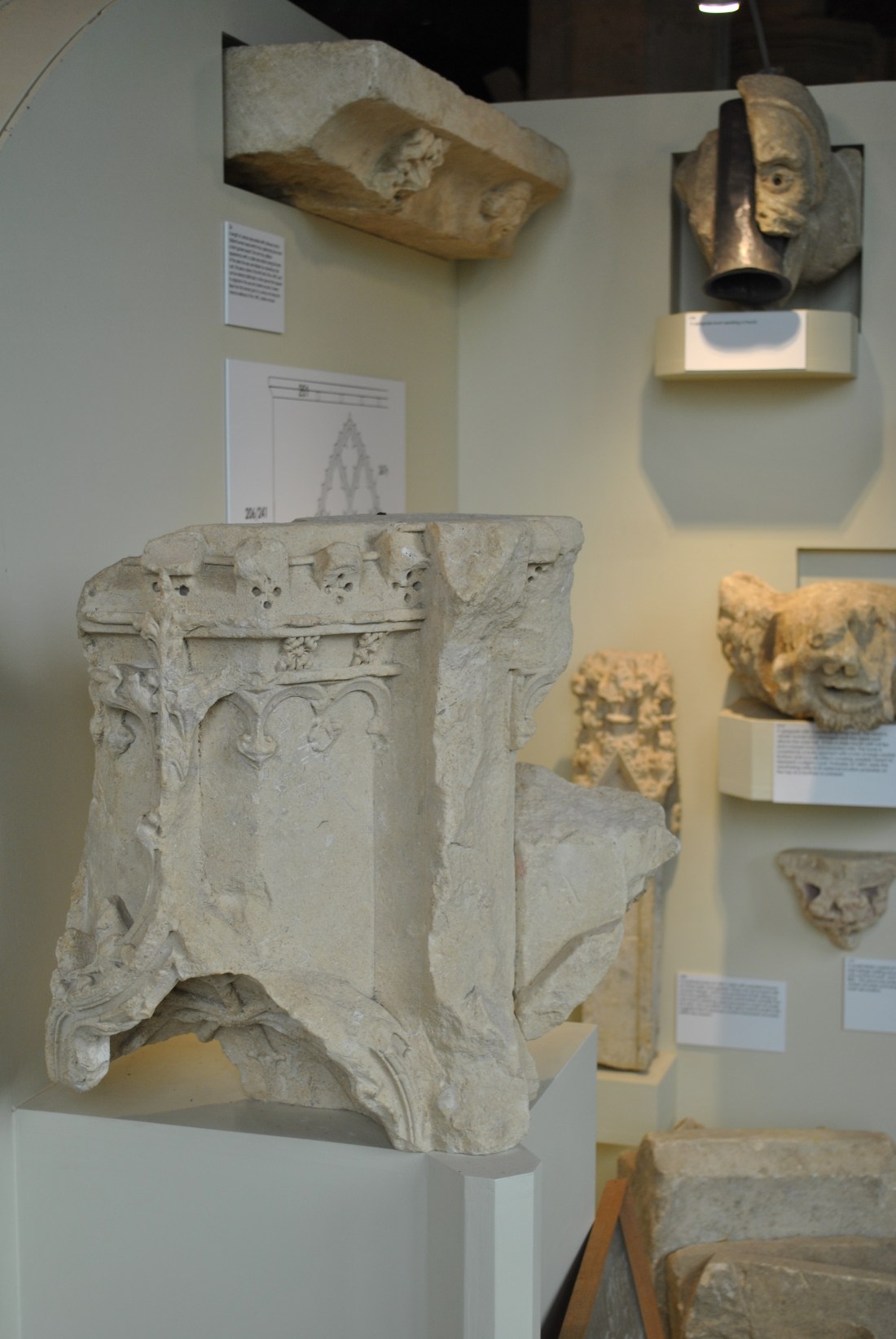
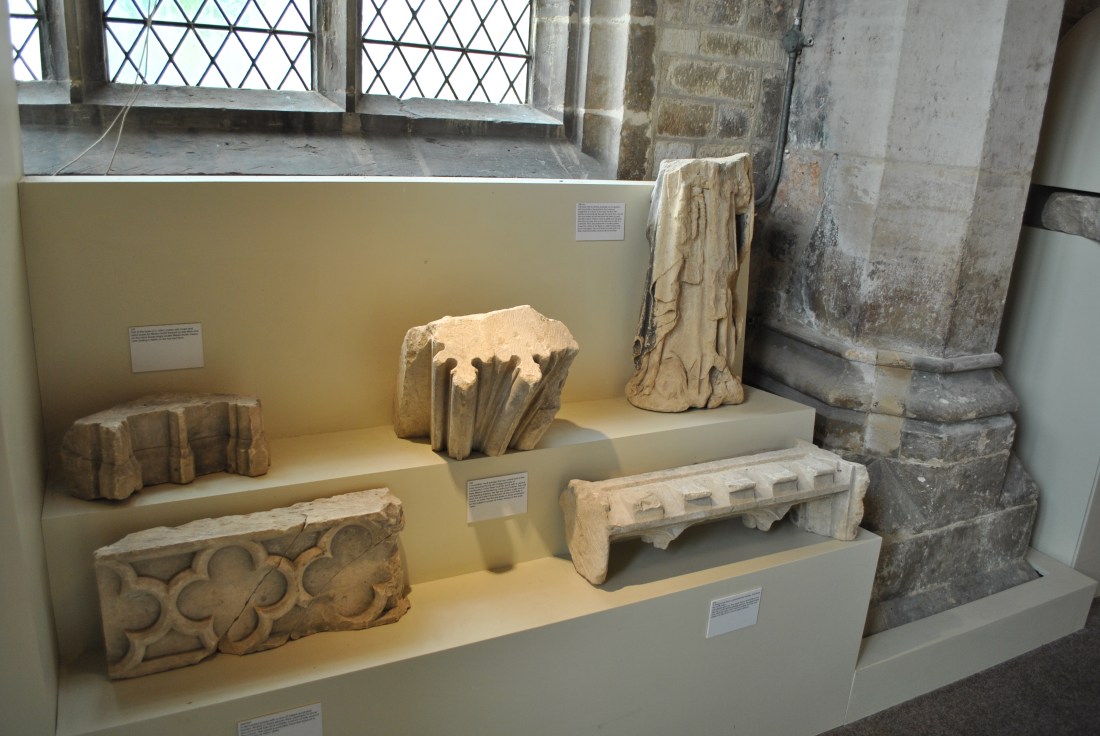

copyright Leofwine Tanner 2019
copyright Leofwine Tanner 2019
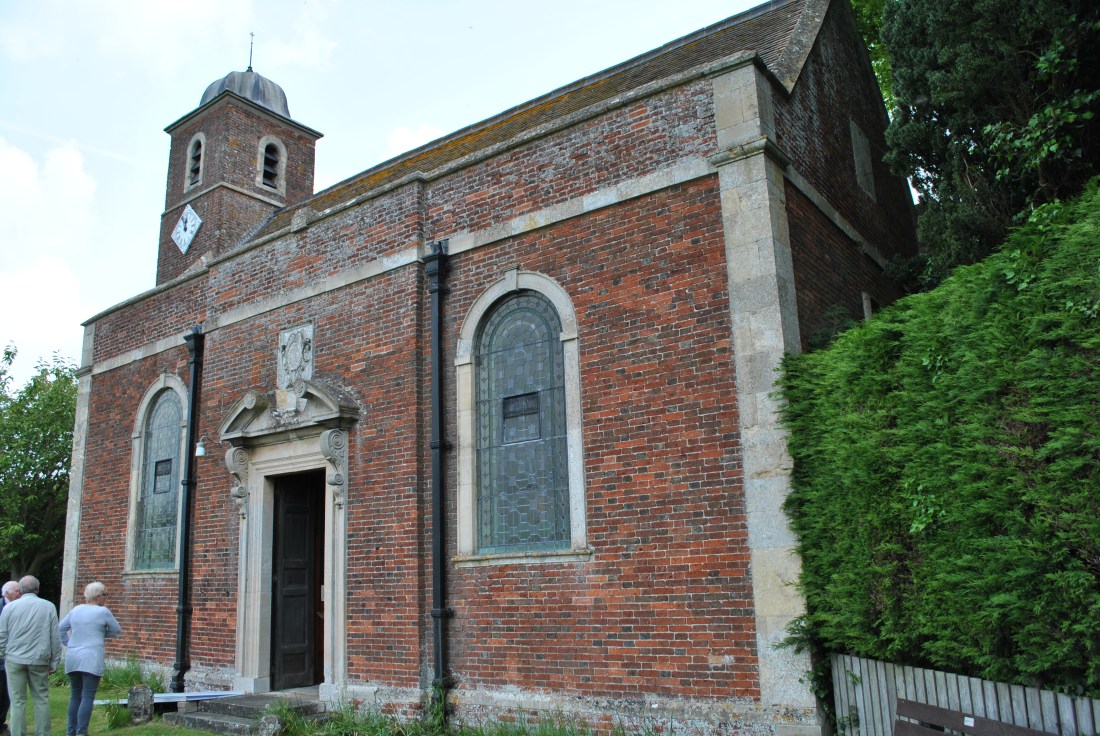
The church has been open since 1711 and is still a regular place of worship, though the burial ground these days is at nearby Apley.
This area of Lincolnshire is notable for its rich ecclesiastical history, particularly in regard to monasteries, the abbeys and priories that were finally dissolved by Henry VIII between 1536 and 1540.
There was a priory here dedicated to Saint Mary until that time, though not much detail of its history survives. The priory remains have not been excavated, though part of it is said to form part of the wall of the present church.
At the time of its dissolution, the priory was given over to the Tyrwhitt family, in whose hands it remained until about seventy years ago.
A most remarkable inheritance from that long period are The Tyrwhitt Tapestries, actually cross stitch embroidery work. Today they hang along the north wall of the church.

The tapestries were originally made for the opening of the church in 1711 and consist of five religious pieces, including the Ten Commandments and the Lord’s Prayer.
The Ten Commandments piece was re-stitched some time in the late 19th century, and much rather difficult preservation work has been carried out on them since.

The photographs here are of Wragby church, dedicated to All Saints.

The church was built in Victorian times and has some fine stained glass windows.

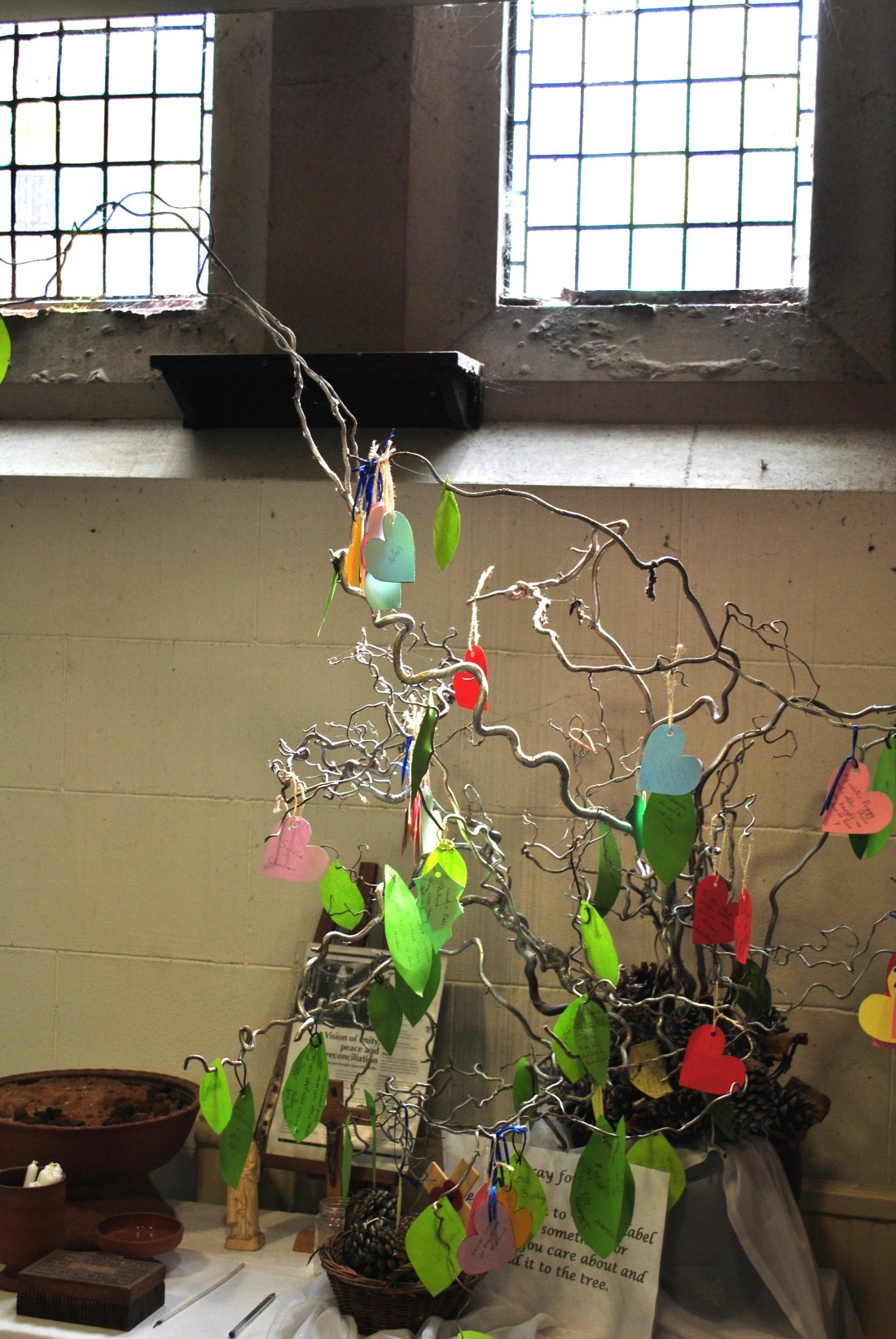


Leofwine Tanner 2019
All I can do is point you to the link below for the full disturbing story:
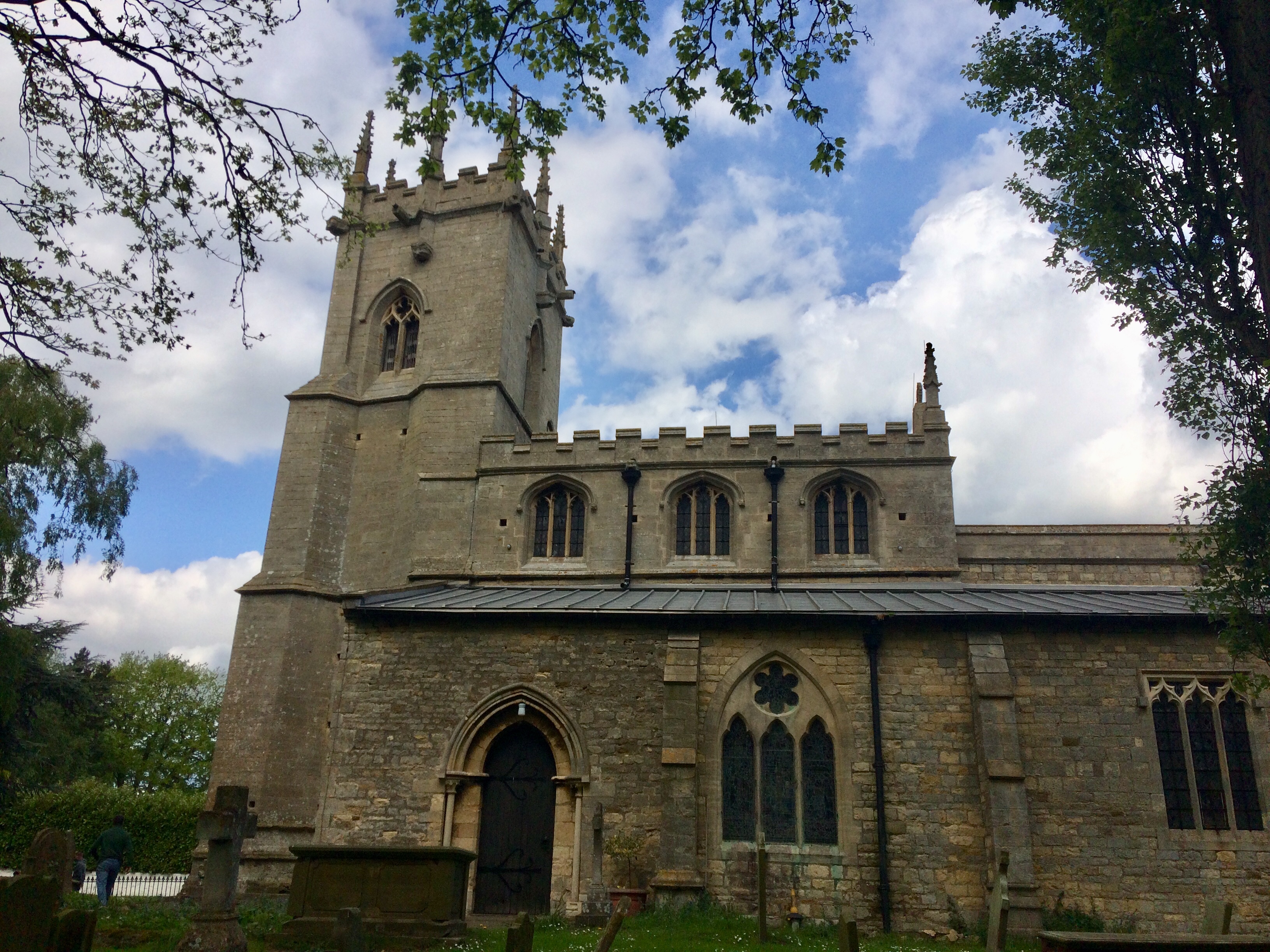
Of course, you may say that churches are always open – and you would be right. What I mean is, this diverse array of architectural and cultural gems, have items such as exhibitions, old books, games and crafts on display and for sale, plus food and drink of course, the proceeds going to the upkeep of the churches. There will always be a warm welcome too.
Fiskerton’s name means enclosure or farm of fishermen, its name stemming from Anglo-Saxon times. The church is dedicated to St. Clement of Rome, a dedication I do not recall coming across too often, especially not in Lincolnshire.
Like many villages in this area of Lincolnshire, there are strong connections to the RAF, particularly in relation to World War 2.

In fact there were remembrance books and links with RAF squadrons in the Lady Chapel, a testimony to the fact that Lincolnshire during World War 2 became essentially ‘Bomber County’, due to the preponderance of bomber squadrons.
Elsewhere in the church there are some notable features, including remaining Norman architecture.

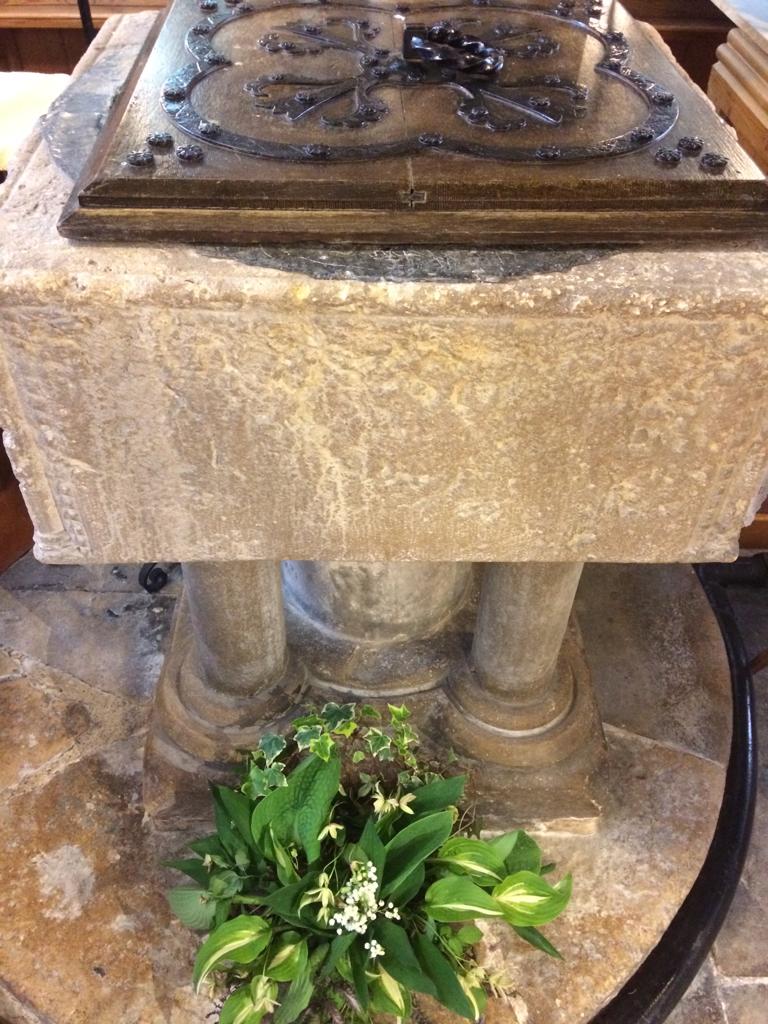
The font is especially interesting. Note the markings on the stone and the work on the ornate cover below:


Once again, the most overriding memory of our visit to this lovely church was the friendliness of everyone, volunteers who seemingly can never do too much for you.
Thank you people of Fiskerton.
 Ciscography