Trapped in a tail spin
shot up and bleeding, no hope
What went through your mind?
copyright Leofwine Tanner 2019
copyright Leofwine Tanner 2019

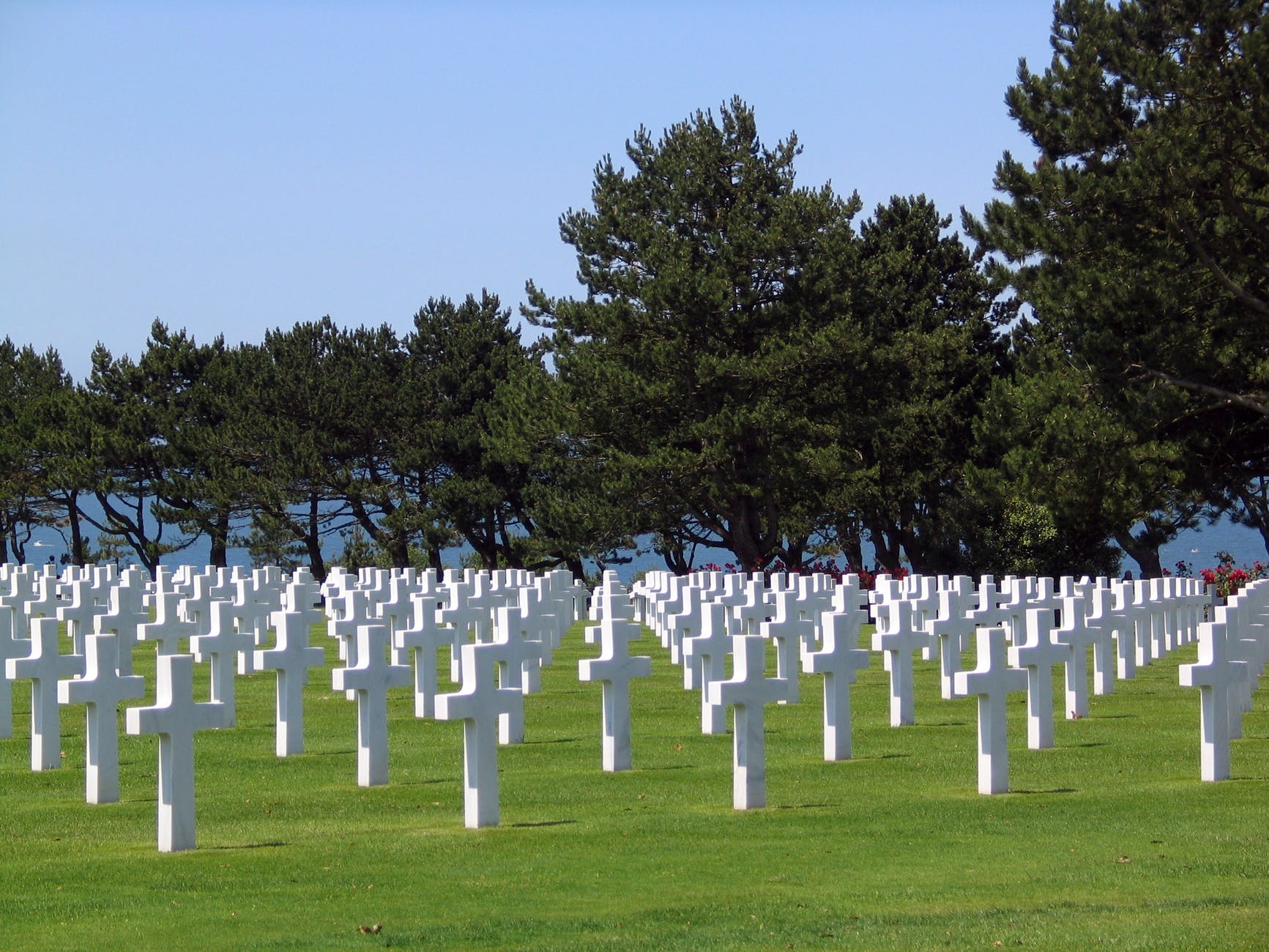
It is a masterful, yet understated and fitting tribute to those who gave their lives in the most devastating conflict yet known to mankind.
It is also a fine complement to Edwin Lutyens’ earlier, more classically styled WW1 memorial, just a few yards away.
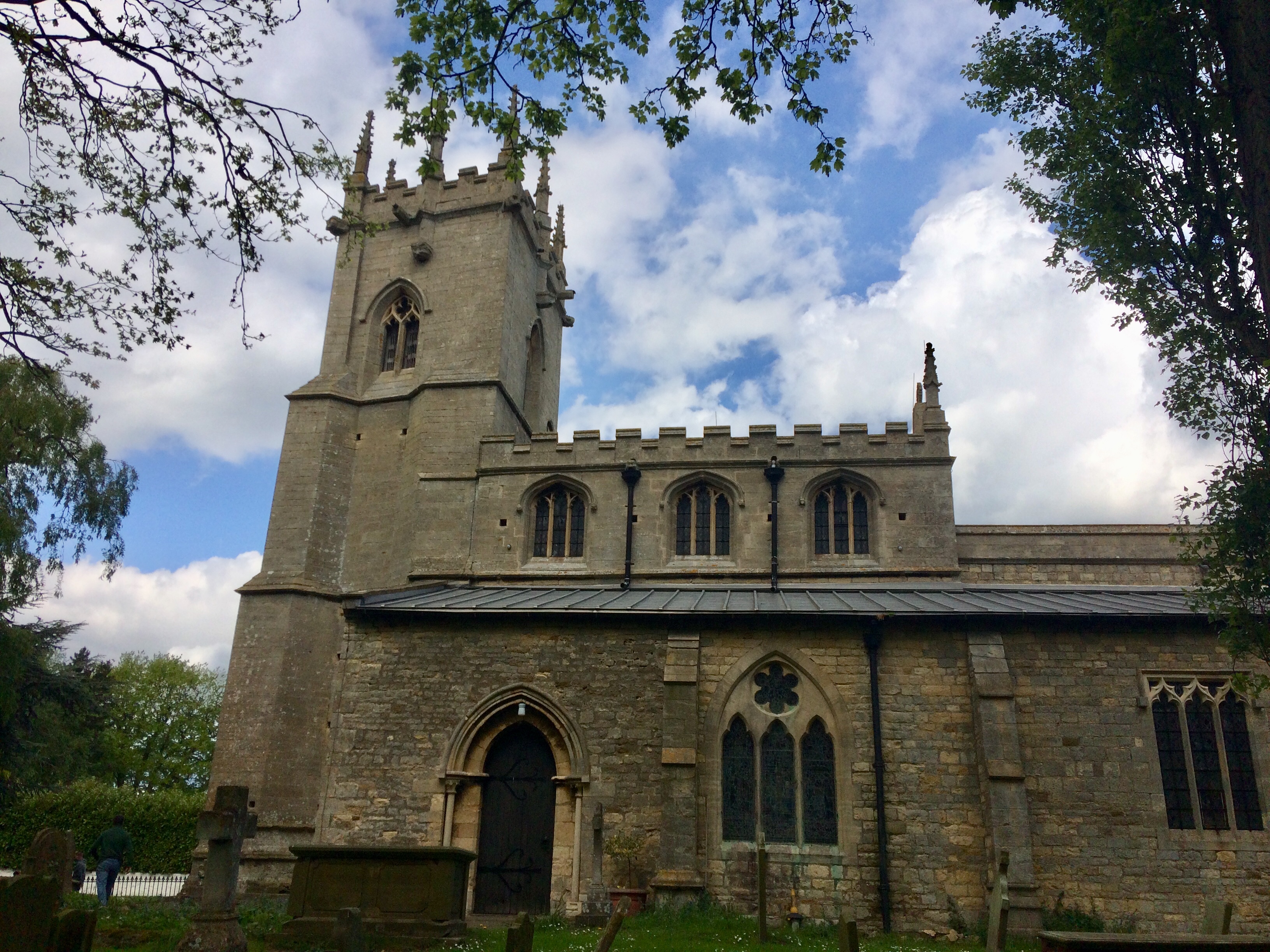
Of course, you may say that churches are always open – and you would be right. What I mean is, this diverse array of architectural and cultural gems, have items such as exhibitions, old books, games and crafts on display and for sale, plus food and drink of course, the proceeds going to the upkeep of the churches. There will always be a warm welcome too.
Fiskerton’s name means enclosure or farm of fishermen, its name stemming from Anglo-Saxon times. The church is dedicated to St. Clement of Rome, a dedication I do not recall coming across too often, especially not in Lincolnshire.
Like many villages in this area of Lincolnshire, there are strong connections to the RAF, particularly in relation to World War 2.

In fact there were remembrance books and links with RAF squadrons in the Lady Chapel, a testimony to the fact that Lincolnshire during World War 2 became essentially ‘Bomber County’, due to the preponderance of bomber squadrons.
Elsewhere in the church there are some notable features, including remaining Norman architecture.

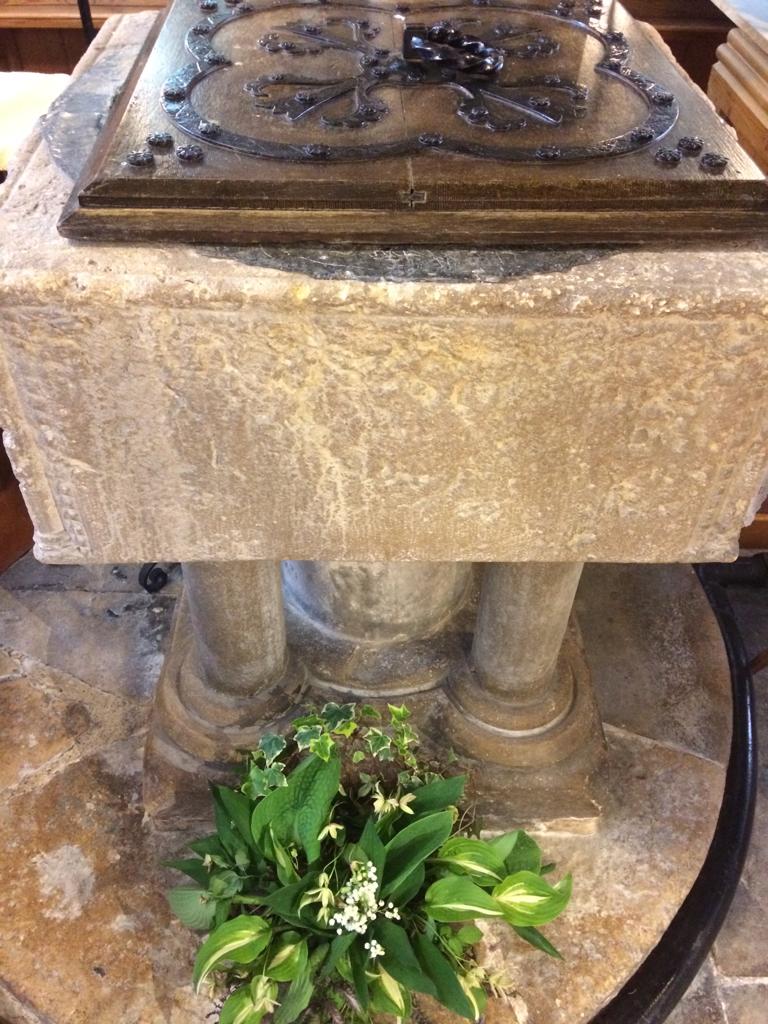
The font is especially interesting. Note the markings on the stone and the work on the ornate cover below:


Once again, the most overriding memory of our visit to this lovely church was the friendliness of everyone, volunteers who seemingly can never do too much for you.
Thank you people of Fiskerton.

However, time was, when once a green teenager, that books like Andrew Tomas’ ‘Beyond The Time Barrier’ published in 1974 by Sphere Books Ltd., fired my imagination, which is no bad thing.
What first drew me to the book was the cover, naturally. The connection between flying saucers and the sphinx, or Egyptian civilisation as a whole is intriguing, and there have been many books written since which hint, if not exactly prove, that human civilisation owes its origin to alien interference.
However, once you get into the core of this short book (160 pages), Tomas’ thesis, as far as I understand it, is that time may not be what it seems, that the so-called rules of time might be broken, or that the past and future can be seen by sensitive individuals using various mediums.
Most intriguing for me, however, is his interpretation of the Tarot cards, which he thinks may have originated in Egypt. He seems to say that they do not merely predict what happens in an individual’s future through divination, but perhaps could also encapsulate the essential meaning of each century from the first century BC to our own twenty first century.
How is this? He takes the traditional images of the cards, ‘The Emperor’, ‘The Hermit’, ‘The Devil’ etc., and sees a summation of each century’s character. For instance, take the card called ‘The Pope’. If we are counting from the first card, ‘Il Bagattel’ standing for the first century BC, then ‘The Pope’ coincides with the fourth century AD – the most significant event (most might agree) of that century being the Emperor Constantine making Christianity the state religion of the Roman Empire.
It’s all very interesting, especially when one looks at the card standing for the twentieth century, ‘Il Matto’ (The Fool), who seems to be blindly walking towards a precipice, despite a dog’s futile attempts to prevent him falling over. I think you can see that such a symbol might very well fit when describing the tragedy of two world wars and all the other conflicts of that time.
However, it could also be argued that it’s easy to find events which match the pictures on the cards. This may be true.
Similarly, he takes a look at the prophecies of Saint Malachy, the twelfth century Irish Bishop of Armagh, who allegedly predicted future popes from his time using allegory and symbols, each pontiff given an epithet, like Pope John the Twenty Third who died in 1963.
One rather imaginative interpretation of Malachy’s description of Pope John, ‘Pastor et Nauta’, or Shepherd and Pilot, is that it’s meant to be ‘Astor et Nauta’, or Astronautics, which certainly did begin during his reign.
One worrying aspect of these prophecies is that we are now, as of 2019, apparently living in the time of the last Pope that Saint Malachy gave an epithet to, namely Pope Francis, ‘Petrus Romanus’. Some have interpreted this as to mean that we are living at the end of the age, but people have been saying this for hundreds of years… so who really knows?
There are also references to Nostradamus, Edgar Cayce, Jeane Dixon and Nicholas Roerich, the latter whom he believes made prophecies through the medium of painting rather haunting landscapes. He is certainly one of my favourite painters.
However, like I said above, I do not subscribe to all this conjecture, except to say that it was books like this which set me on the path of ‘free thinking’, not necessarily believing anything I was told, nor ruling anything out. I believe we should be open to anything. Uncertainty is the usual state of affairs and is actually quite good in the long run – the truth will probably never be known.
Leofwine Tanner 2019

It has often mystified me how the second sign of the zodiac, that particular 30 degree division of the ecliptic, got associated with the bull – Latin name Taurus. I’ve read theories but I guess the real truth is lost to time somewhere in ancient Mesopotamia and Greece.
Taurus in pure astrological terms is the fixed earth sign. Earth is pretty fixed as it is but add the ‘fixed’ condition to it as well..? From this it gets its traits of solidity and dependability. OK, a bull is solid – but is it dependable?
Taurus is ruled by Venus, some say the more negative side of the lesser benefic planet. From this Taurus is also associated with beauty, but perhaps a more particularly sensuous, earthy type of good looking things. In the human anatomy the sign is said to rule the neck, that natives may have weak spot in this part of the body, especially if the Sun or planet in the sign is ‘afflicted’ by negative aspects.
The sign is also associated to the second house in birth charts, which is all to do with our personal security and money, basically the Taurean traits applied our personal world. In mundane terms too, Taurus rules money, finance and securities. Aries is said to plough the first furrow, it initiates. Taurus is all about consolidation, big time.
However, last year the ‘outer planet’ Uranus entered Taurus for the first time since the early 1940s, which ended a tenure spanning back to 1934. Naturally, you don’t have to be a brilliant student of history to know what was happening in the world then.
But let’s not be alarmist. What does it all mean? Taurus is money, Uranus breaks up. It could be that by 2026 when this shaker-upper of a ‘planet’ leaves Taurus, our views on money, what it is, how we use it – might be radically different from what they are now. We should also remember that Pluto remains in Capricorn until 2023. Capricorn is the cardinal earth sign and is politics, the establishment, big business. This combination may represent a double whammy for the way things are at present.
My prediction (I know many would say that it’s an easy prediction to make) is that the world of 2019 compared to 2026 will have radically changed. We might see digital currencies running the world by then, which would entail along with it drastic changes in lifestyle.
And there’s no reason why it shouldn’t actually change for the better, for once. That goes for you too, Taurus.
 Ciscography