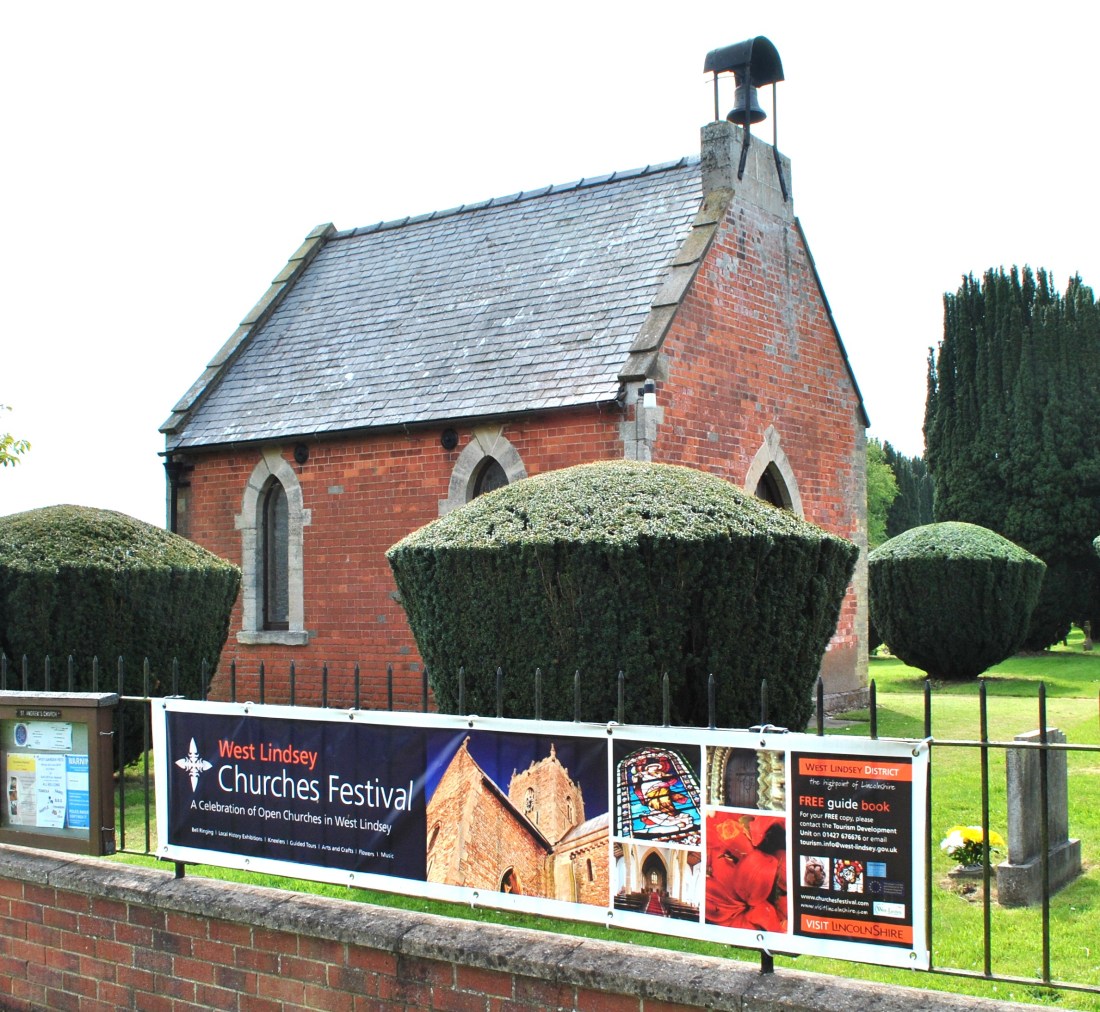
Apley’s church of Saint Andrew really is a little gem.
When we arrived there we were astonished to see just how small it was. There were cars outside, but was there really anyone inside? I mean, how many could you get in there?
Well, it turns out that, on occasion, there are up to 15 worshippers, and there are often christenings too. So as far as the Apley community and ourselves are concerned, small is beautiful.
Apley is a small hamlet between Lincoln and Horncastle, nestled in the gently rolling hills of north-central Lincolnshire, the historic riding of Lindsey that used to be a kingdom in its own right about thirteen hundred years ago.
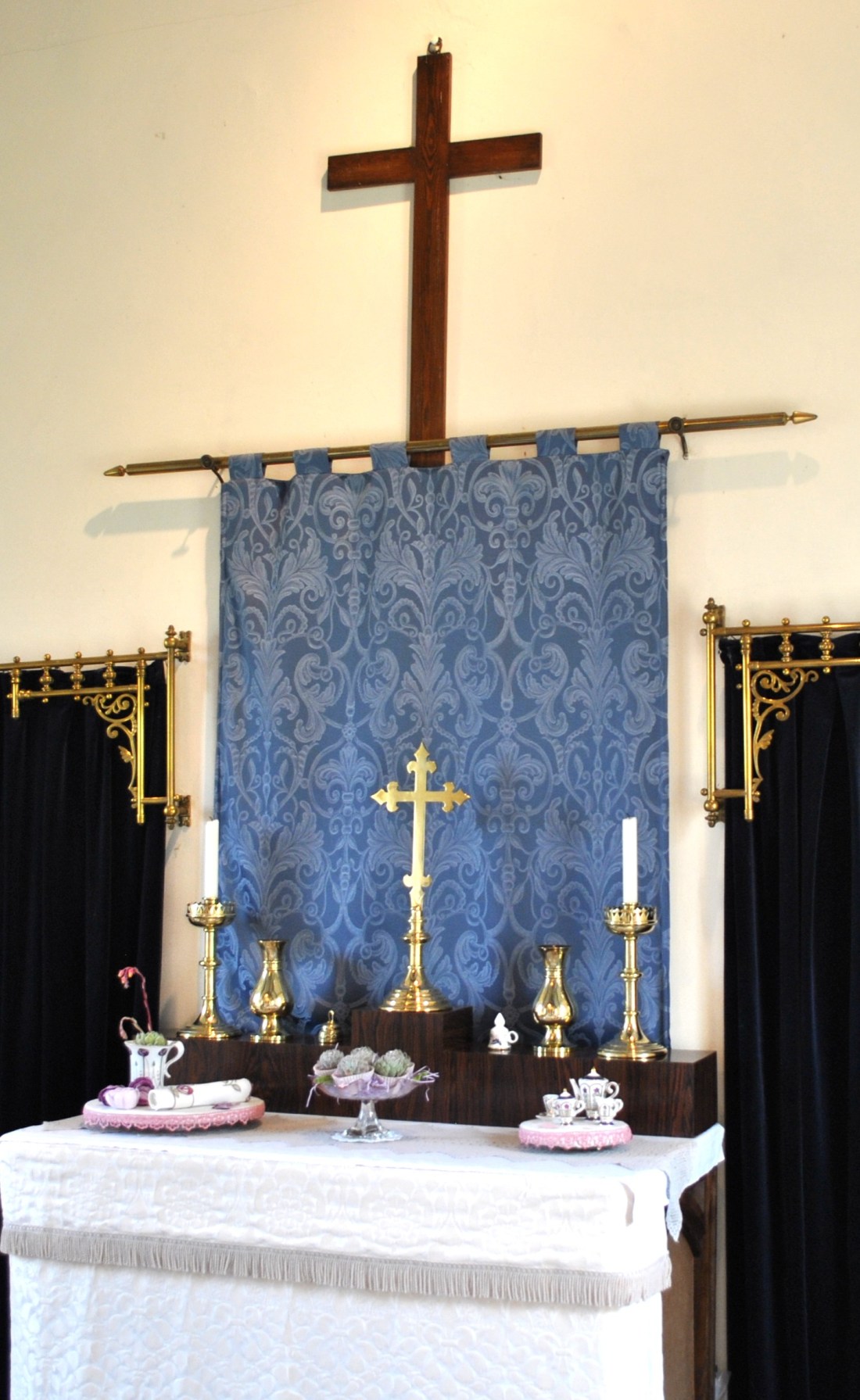
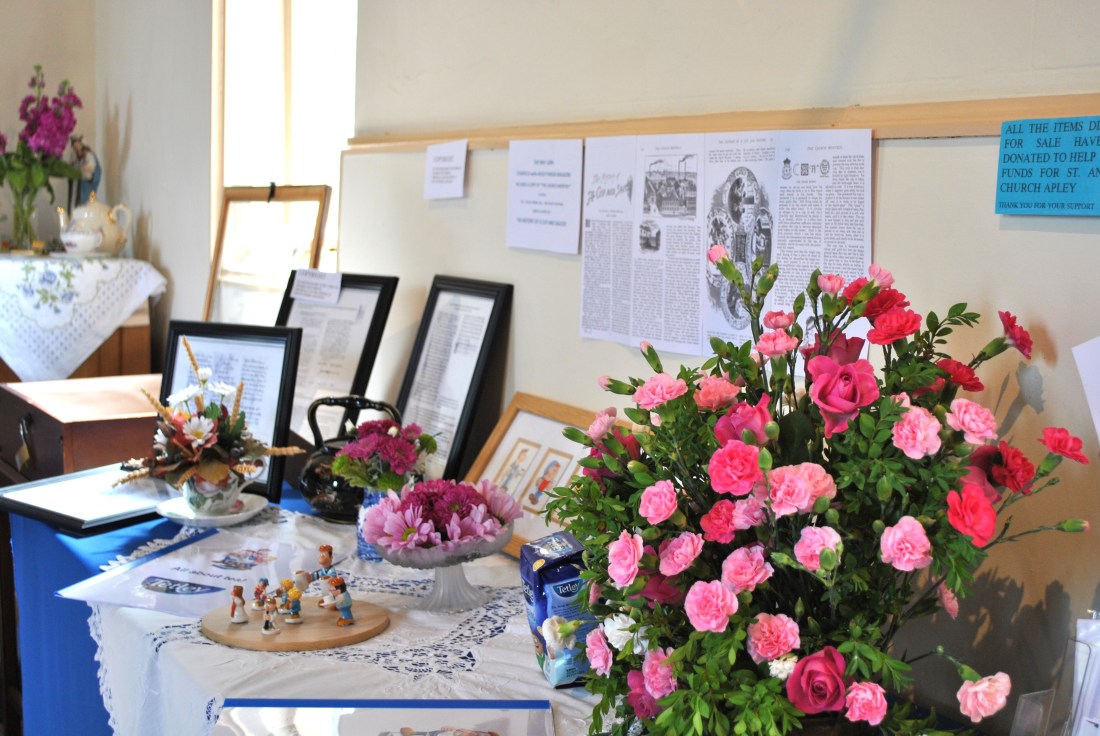
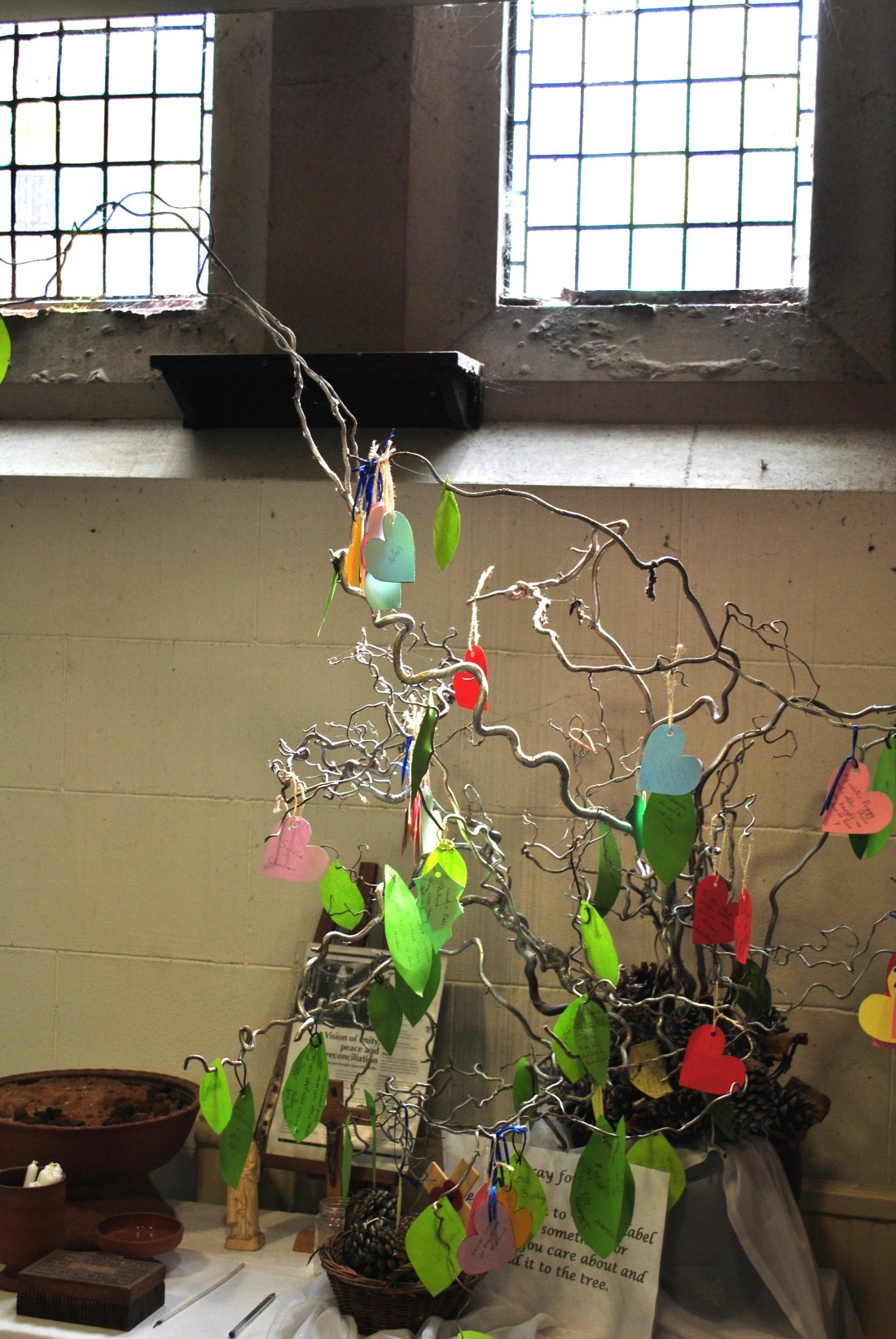
That said, it was not too easy for us to find, but it’s well worth a visit. The church, for such a limited space, could boast many items of interest, see photographs.
And once more, we were treated royally by our hosts!
Every May, West Lindsey in north Lincolnshire has two open weekends to encourage visitors, with displays, old books for sale, exhibitions and lots of tea and cake.
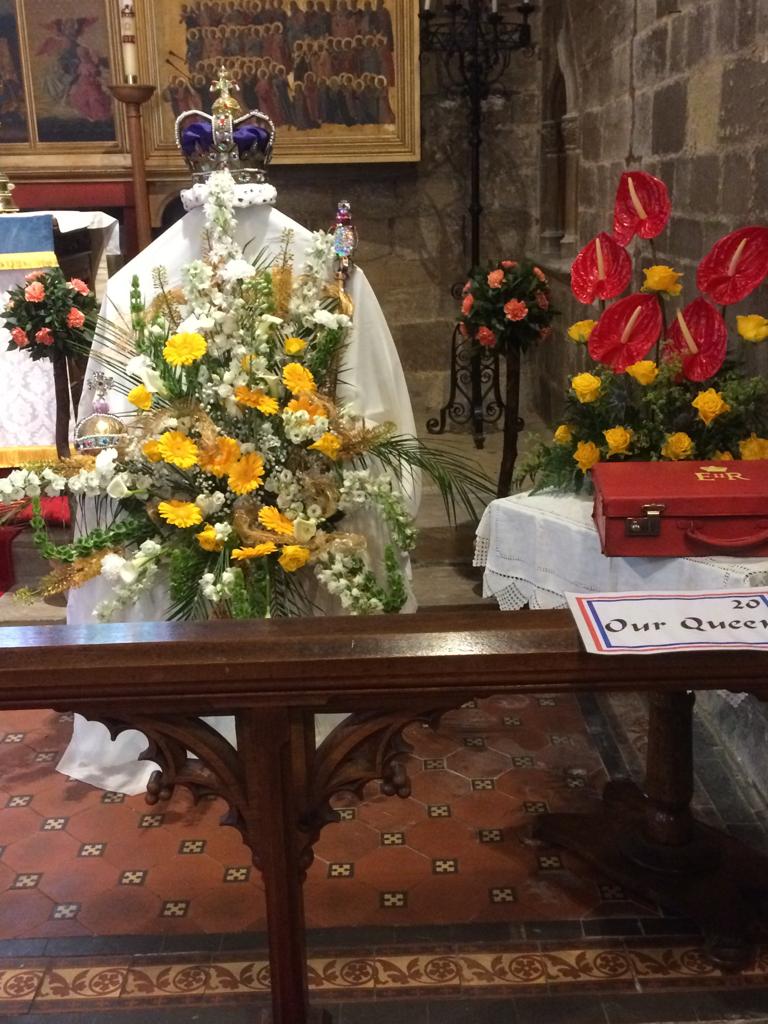
The photographs here are of Wragby church, dedicated to All Saints.
Wragby church of All Saints, built in Victorian times. The bell tower contains 15th century bells.
The church was built in Victorian times and has some fine stained glass windows.
A very old looking font.Glorious stained glass windows.
Monasteries, the Abbey or Priory of the medieval world of England, are an enduring interest of mine, although I don’t claim to be an expert on ecclesiastical or architectural matters.
Many years ago, I did a series of watercolour reconstructions of one priory, how it may have looked at its height (see above).
To think that these places, which became so criticised and demonised, especially in the reign of Tudor King Henry VIII, were the centres of education not only of the monks and nuns who lived there, but were also enriching the local communities, providing jobs, education, lodging, medical care too.
To have these dissolved, stripped bare and taken down, the monks or nuns dismissed at the behest of ‘Good King Henry’ and Thomas Cromwell – well, it must have been truly catastrophic for the communities that were left without them. That doesn’t quite seem to come across in most of the accepted history of what we call The Reformation.
Cherry Willingham Church of St. Peter and St. Paul.
One of the most fascinating churches we visited during the West Lindsey Churches Festival this May, was at Cherry Willingham, dedicated to Saints Peter and Paul, a Grade 1 listed Georgian building.
Sitting at the highest point of the village, there are steep steps to the entrance. Suddenly you are confronted by a terrific example of Georgian architecture. From the west door entrance, you can see right through to a wonderful reredos resplendent behind the altar.
The quality of light was wonderful.
Once more we were greeted by very pleasant local people, who filled us in with all the salient historical and current facts.
Home made cakes and refreshments were on offer and there was a display of the charities the church supports.
Inside it was simply stunning.
Although quite small, what the building lacks in size it more than makes up for in style and detail.
It opened in 1753, its founder a certain Thomas Becke, who had bought an estate in the village. Inside there is a large marble monument to Mr Becke. The church is built with local Ancaster limestone, infused with fossils.
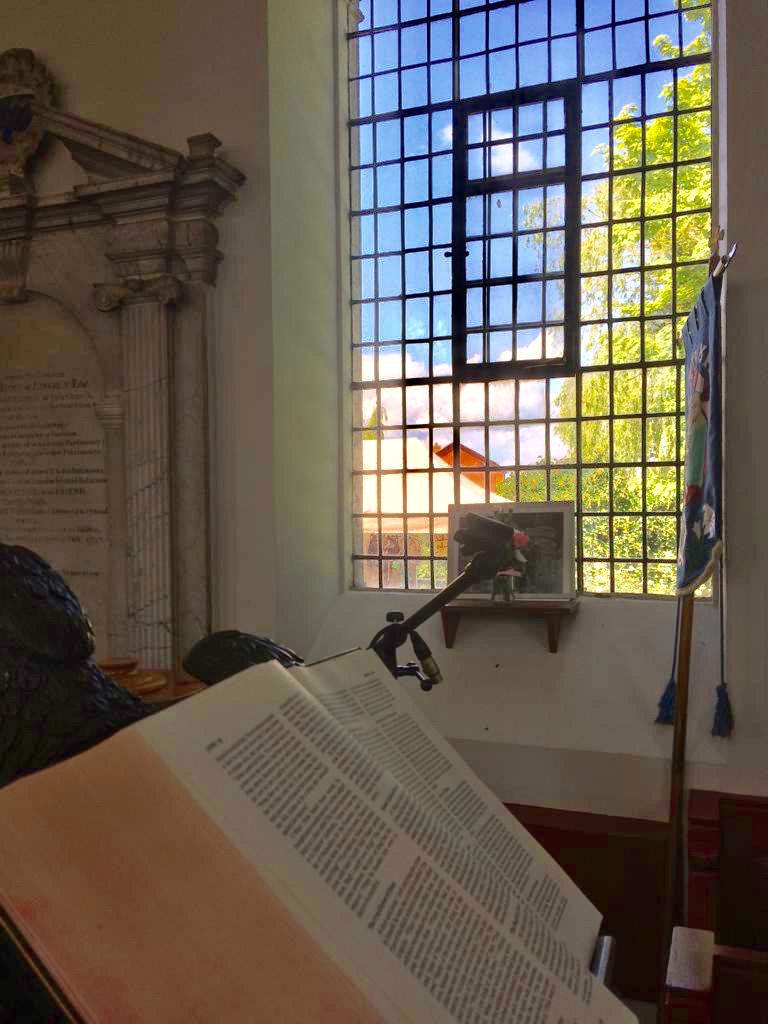
Most pleasing about the design of this small church is the quality of the light afforded by the style of windows (although our photographs possibly don’t quite do that justice), aided certainly by it being a sunny spring day, yet these large windows would surely afford good natural lighting on any cloudy day.
The reredos.
The volunteers told us that at present there is no toilet in the church – though that particular facility is arriving very soon. In the meanwhile, the very kind and courteous vicar took us to her nearby house so that we could perform that particular function!
This typifies the whole spirit we felt within the church, that of community and care. Thank you Cherry Willingham.









 Ciscography