
Recently, there was a flower festival in Crowland Abbey church in the extreme south of the county of Lincolnshire. The theme was decades over the past one hundred years.


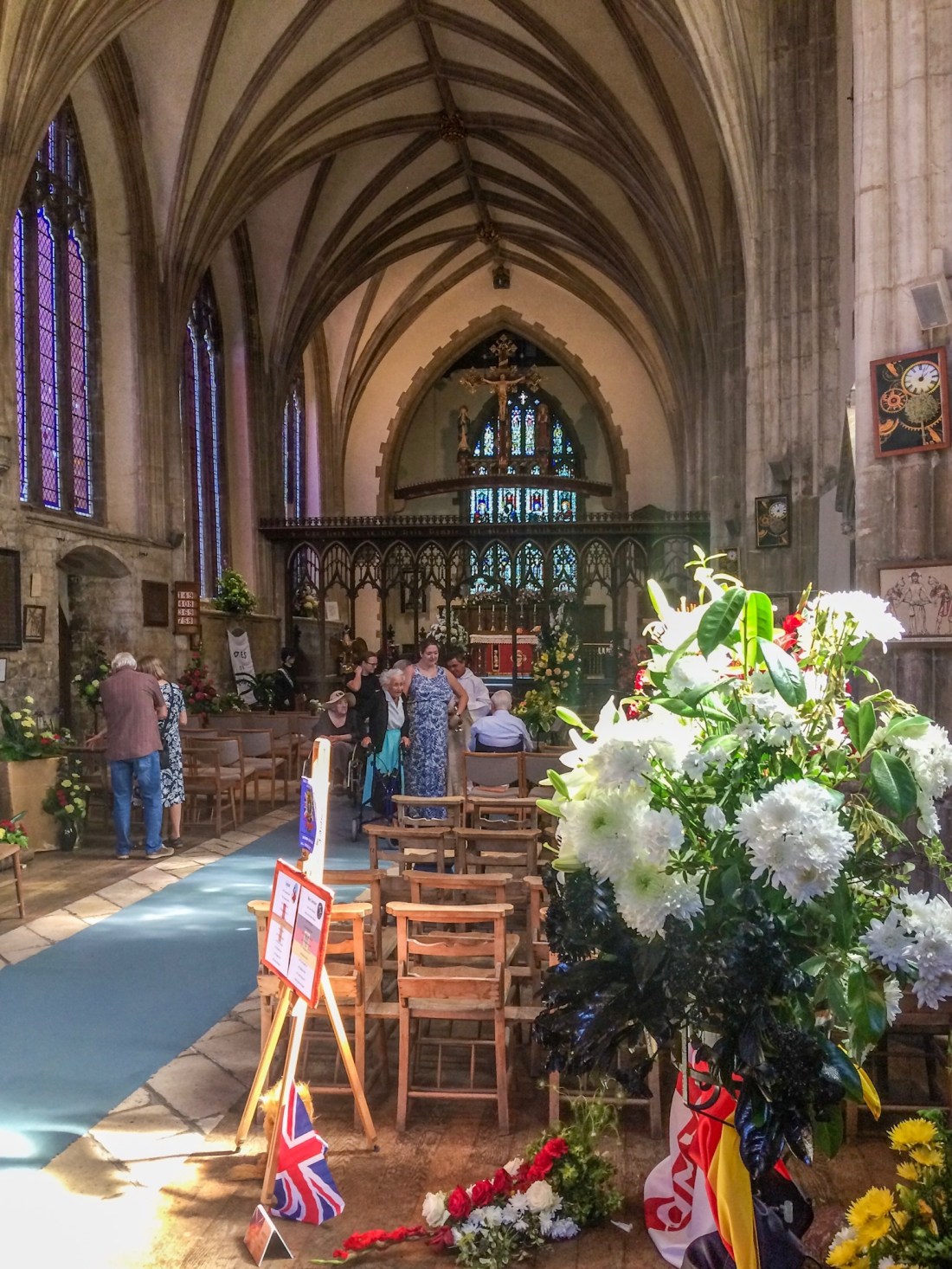
copyright words and pictures Francis Barker 2019
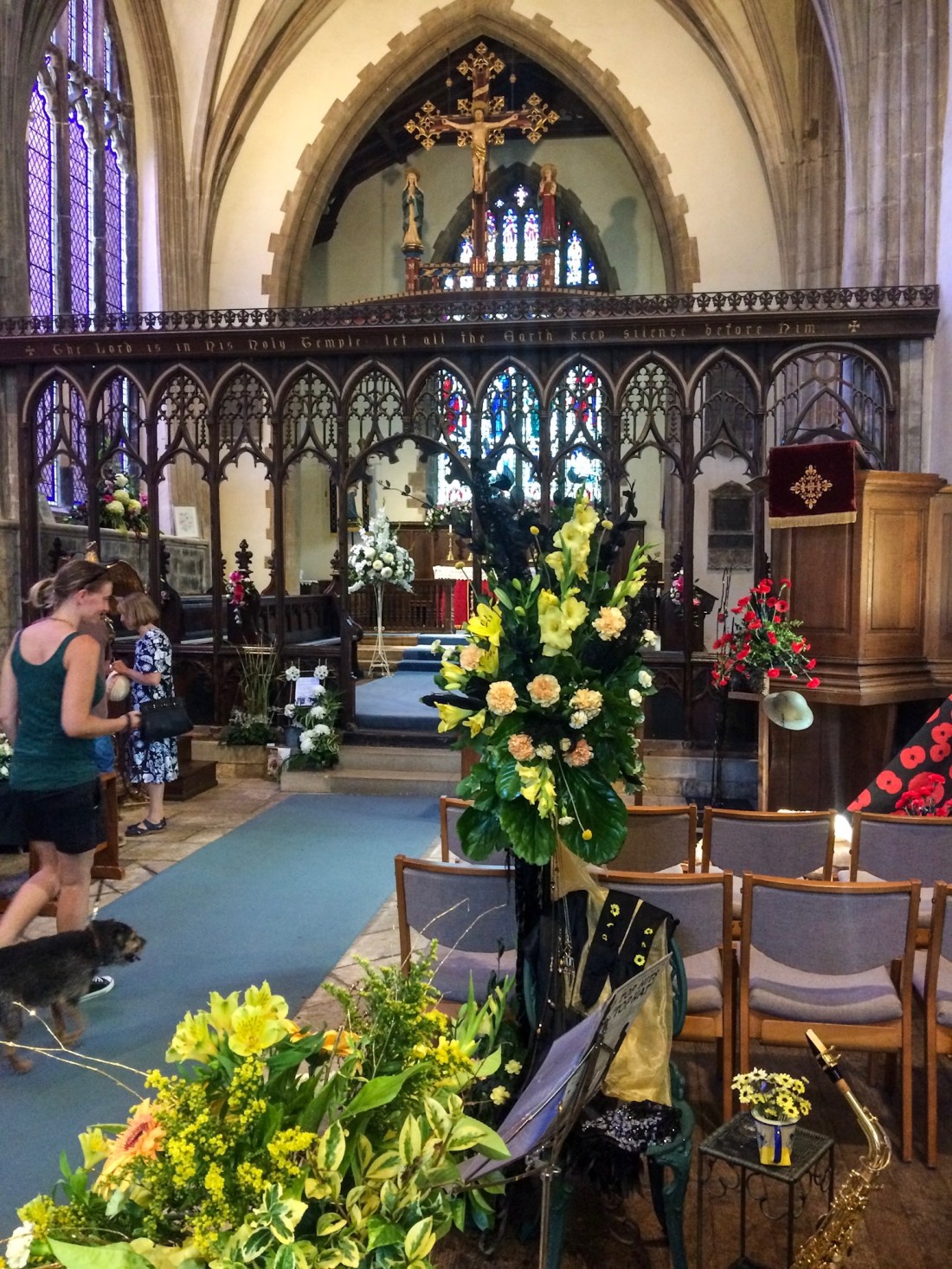
Recently, there was a flower festival in Crowland Abbey church in the extreme south of the county of Lincolnshire. The theme was decades over the past one hundred years.
copyright words and pictures Francis Barker 2019
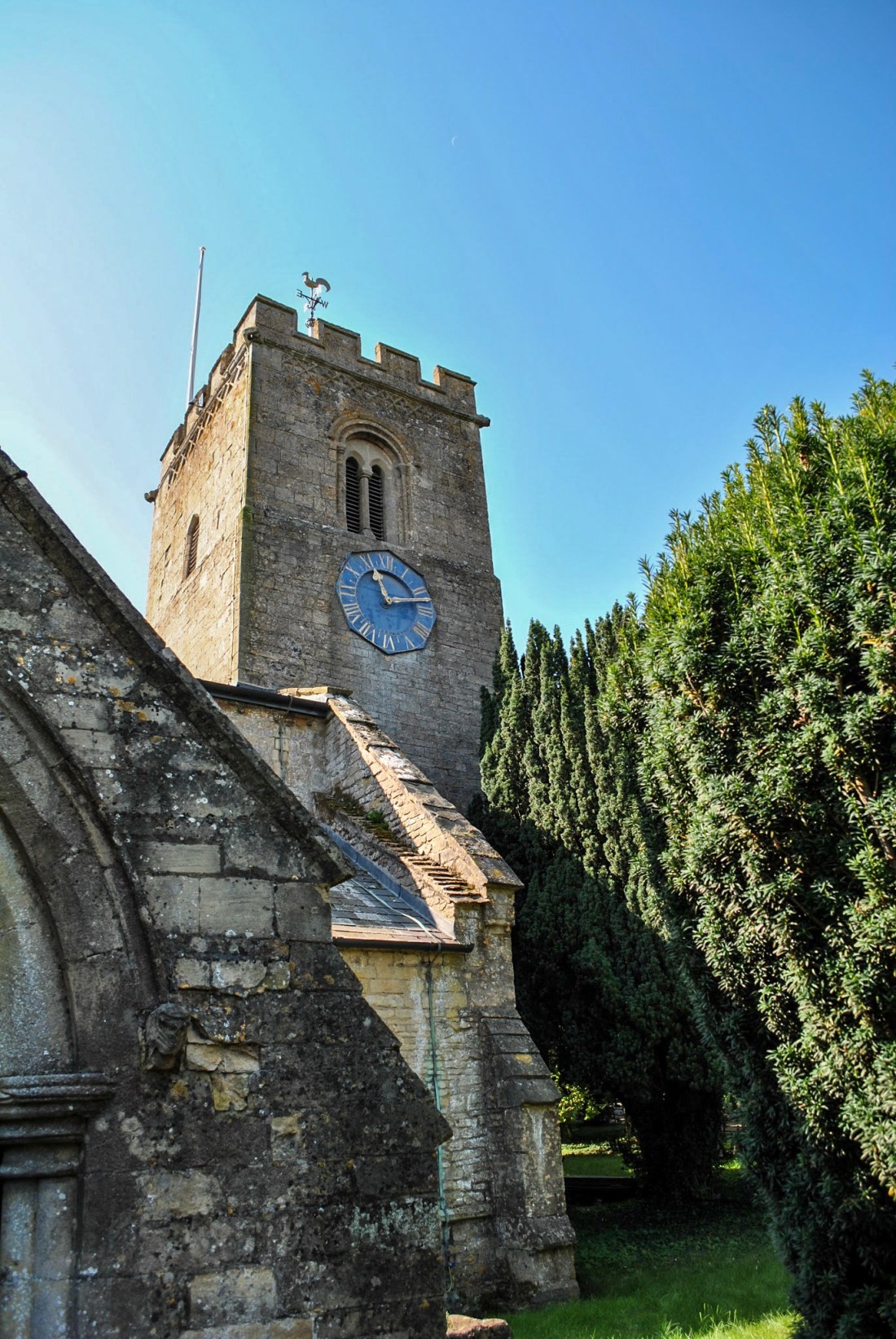
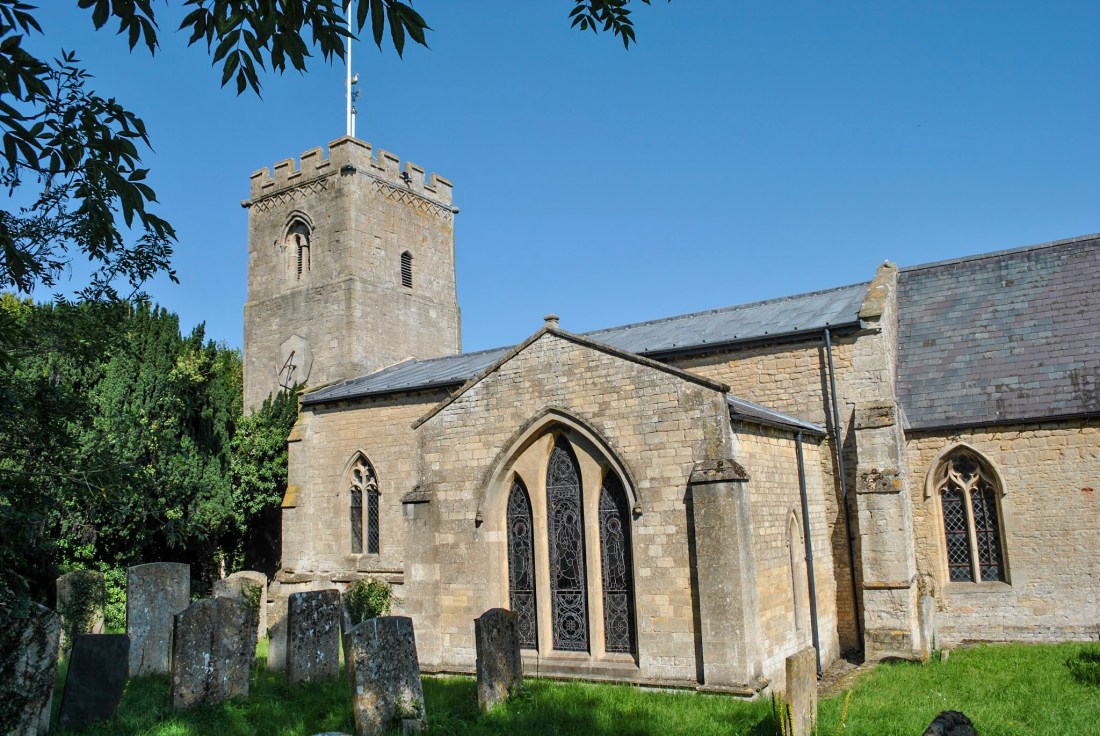
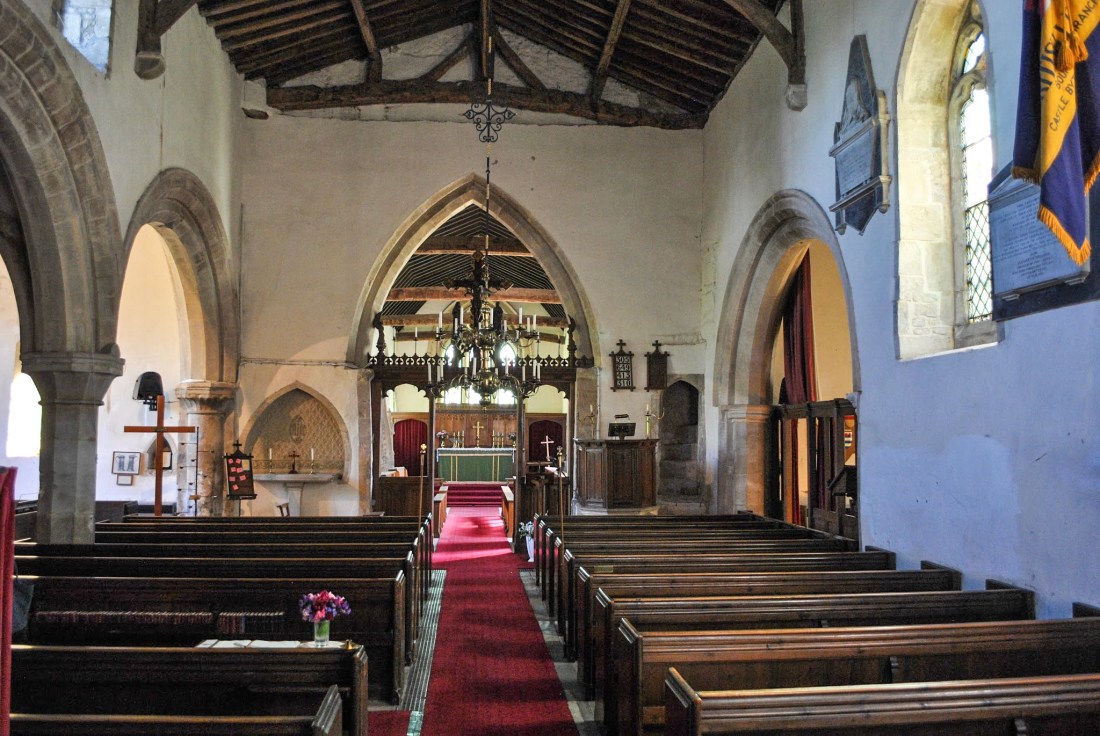
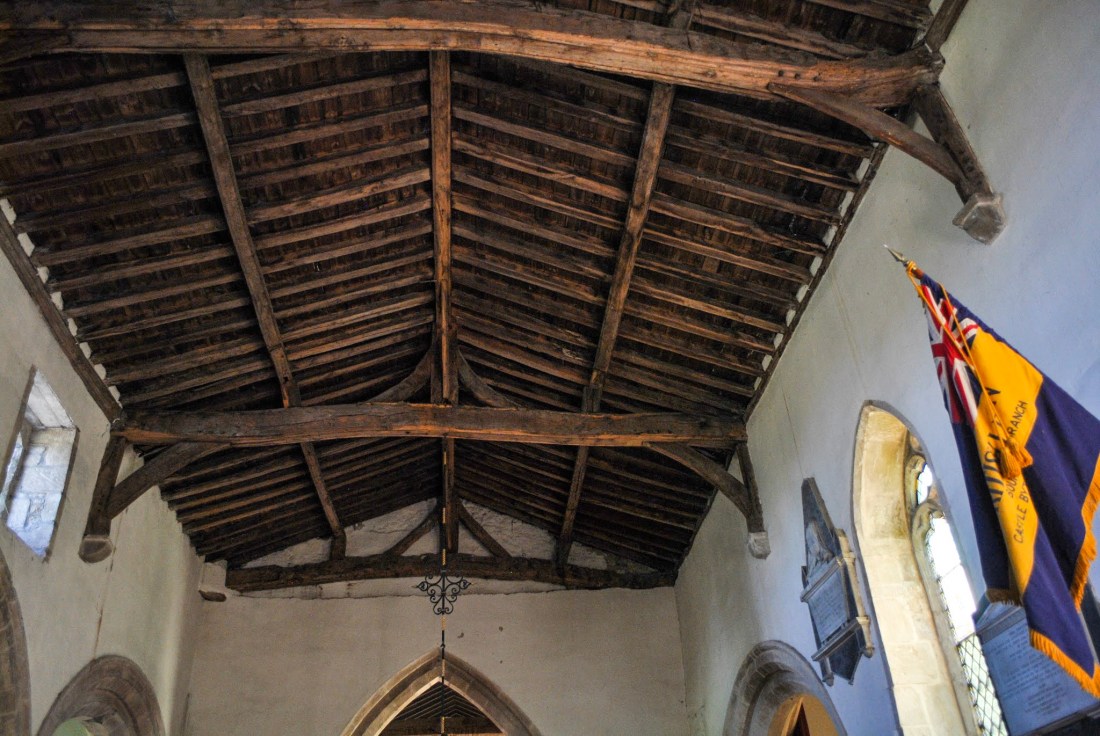
copyright pictures Francis Barker 2019

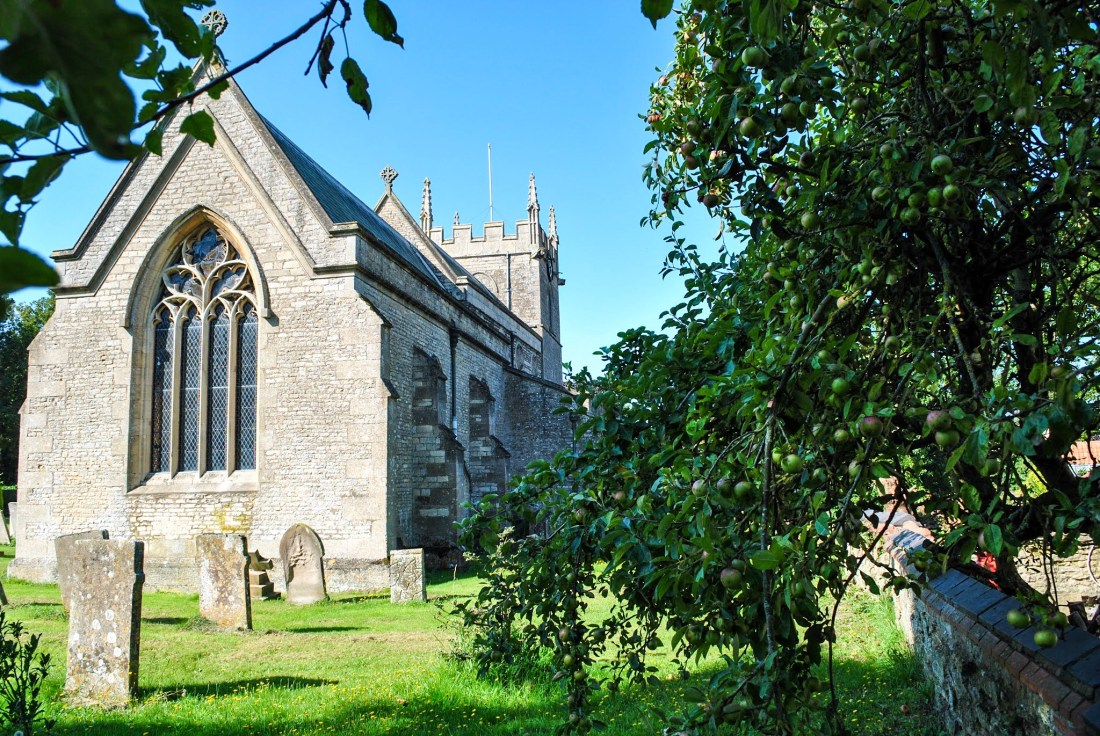
Interestingly, in Shakespeare’s play King John, Swinstead is mentioned several times, maybe in mistake for Swineshead, where King John is thought to have visited on his last journey, before he died at Newark in Nottinghamshire.

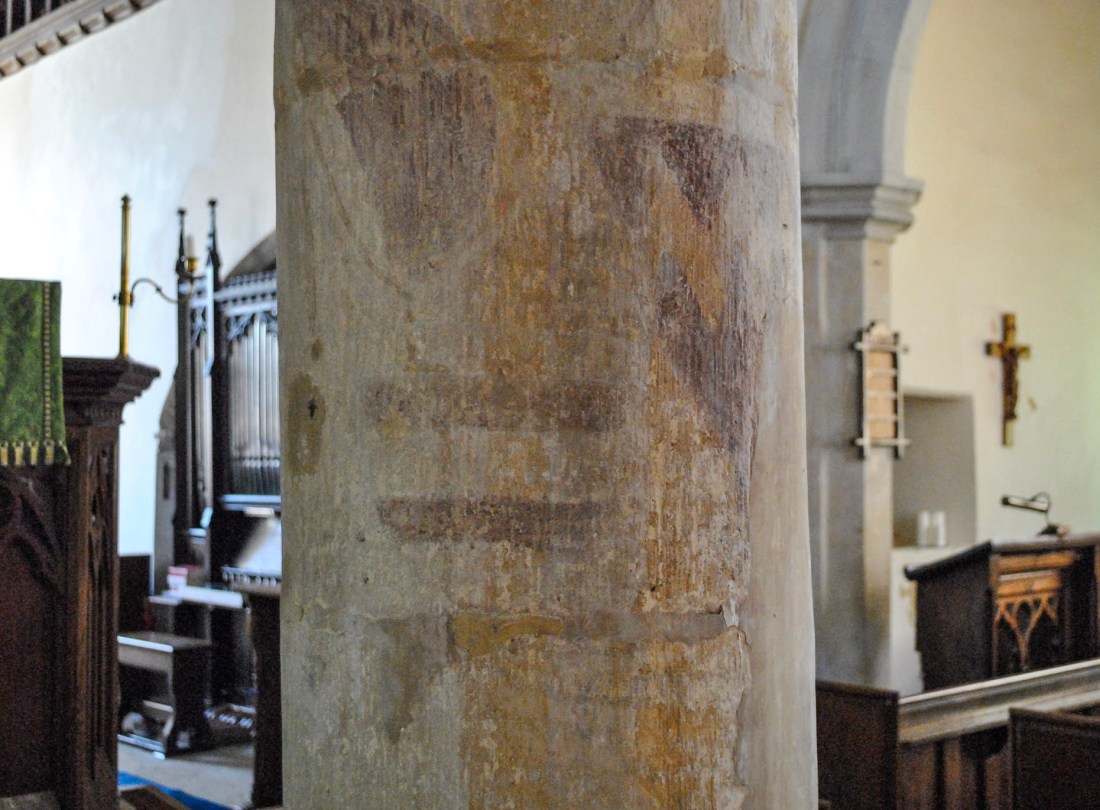
Like nearby Corby Glen church, there are some examples of medieval wall art.
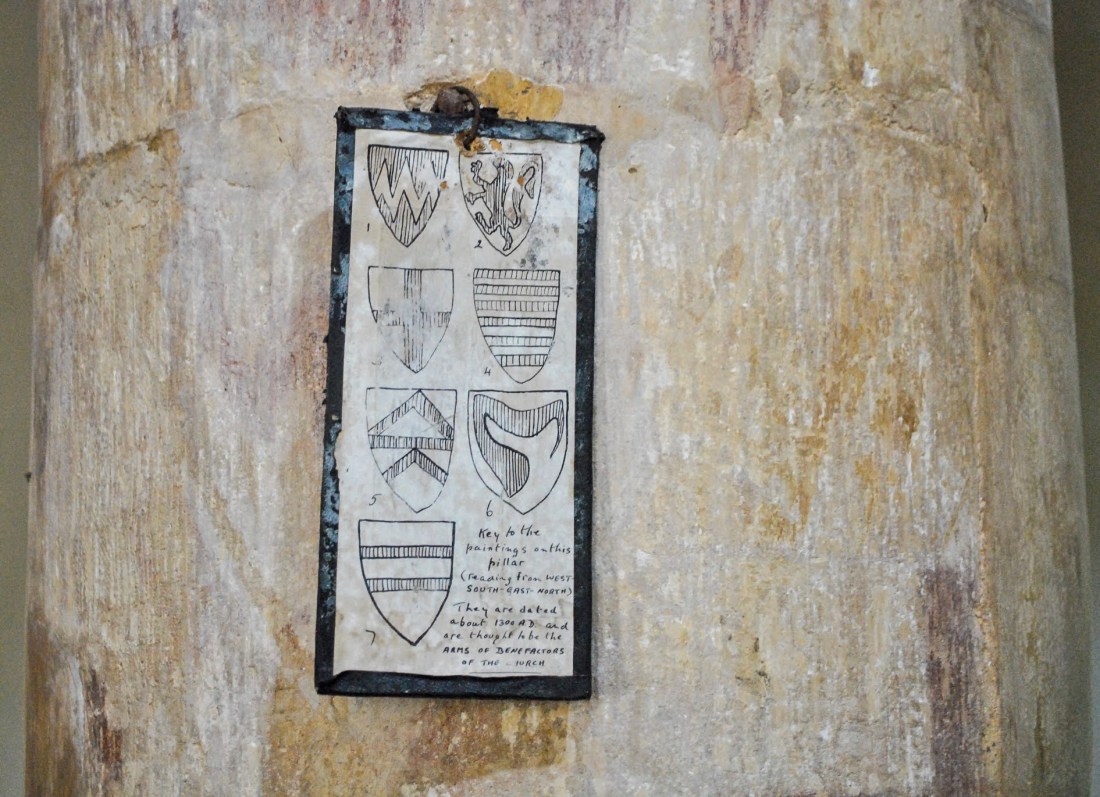
There is an explanation for the symbols incorporated into the wall art.
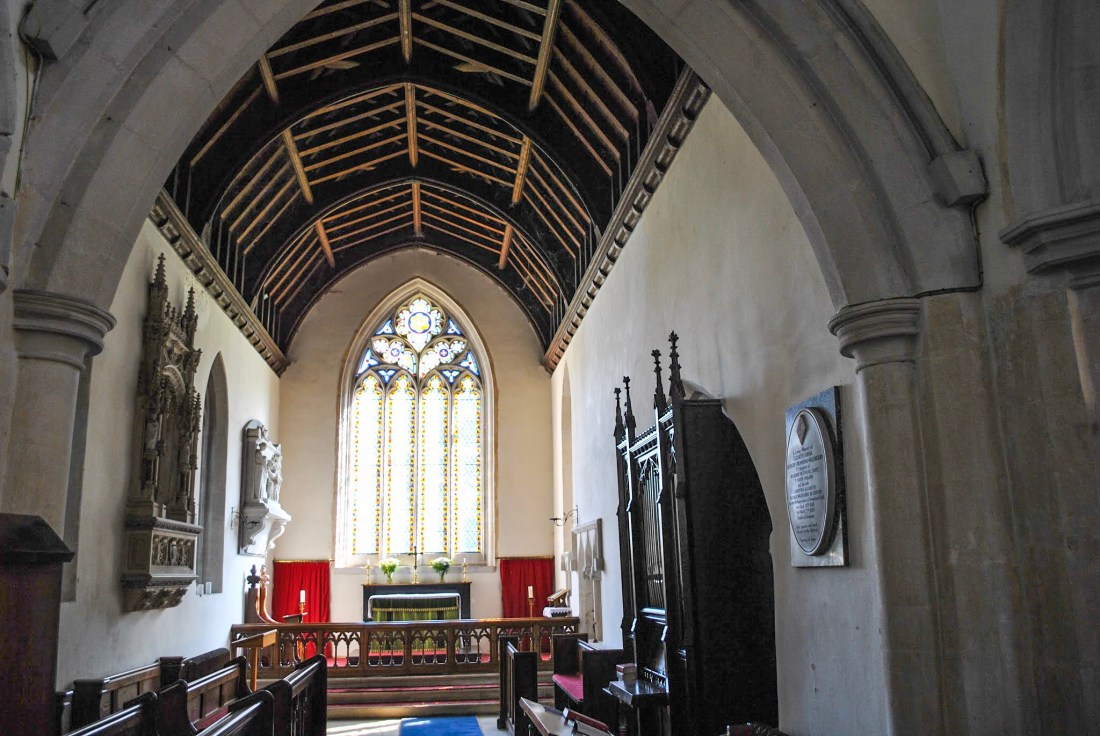
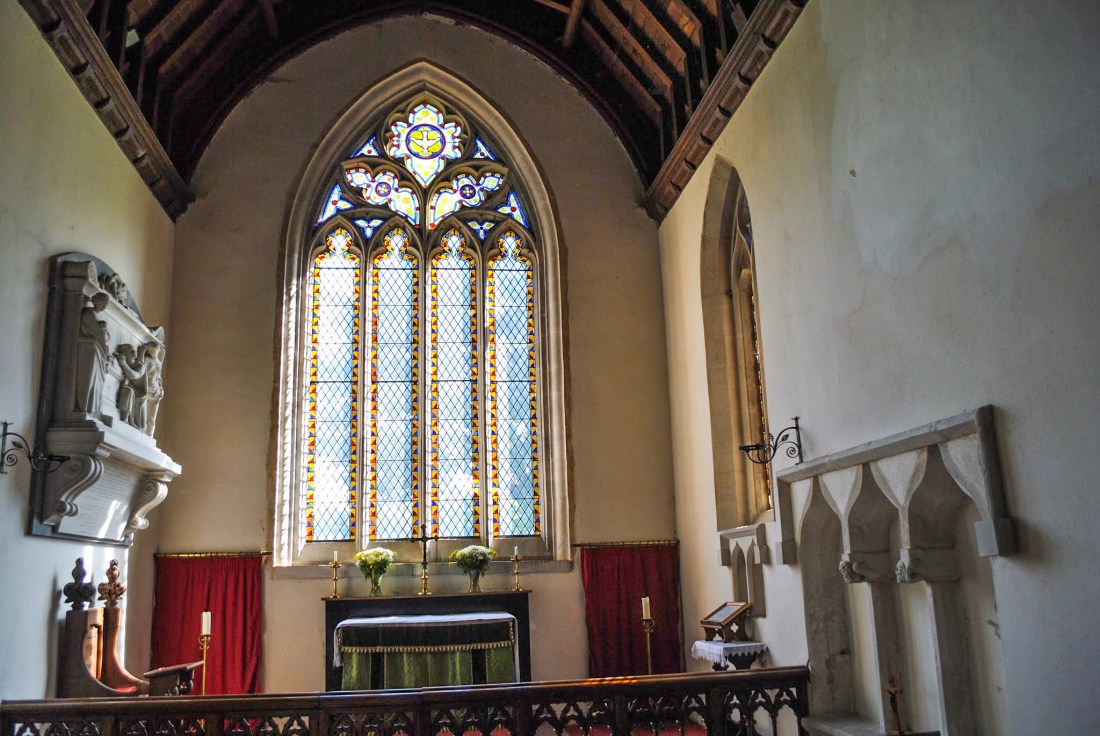
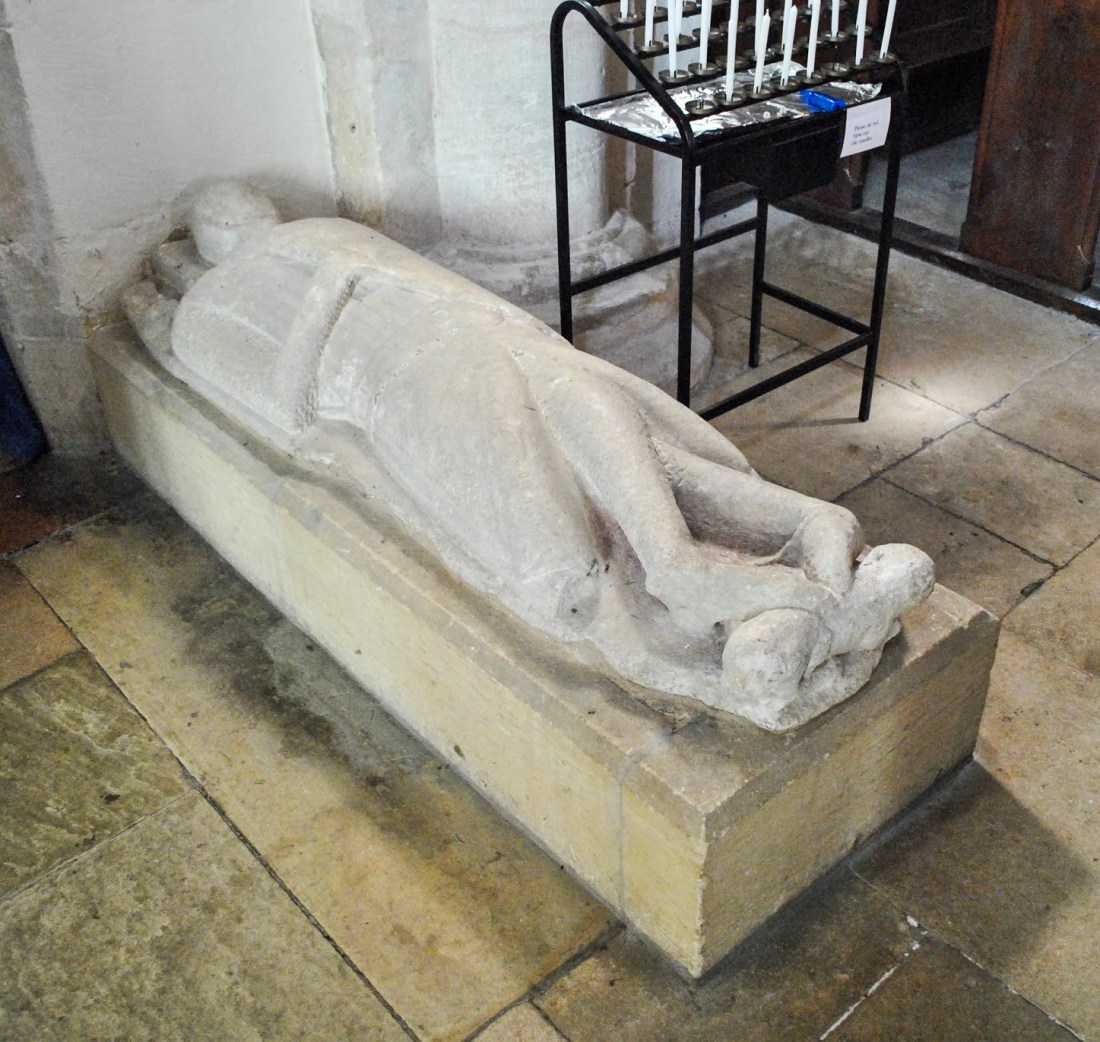
copyright words and photos Francis Barker 2019

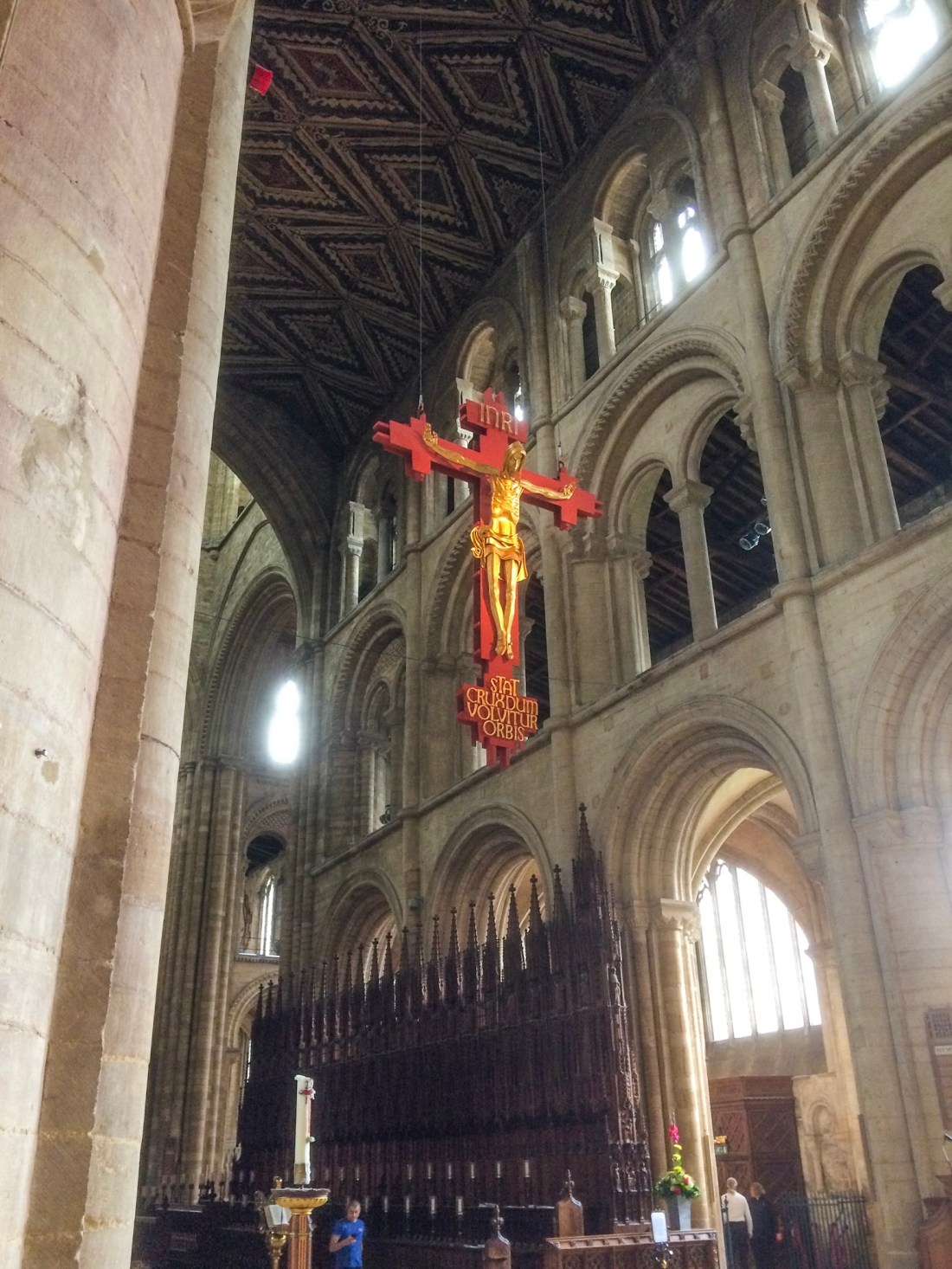
The long nave is quite stunning, with a beautiful roof and with a modern golden image of Christ suspended high as a focal point.
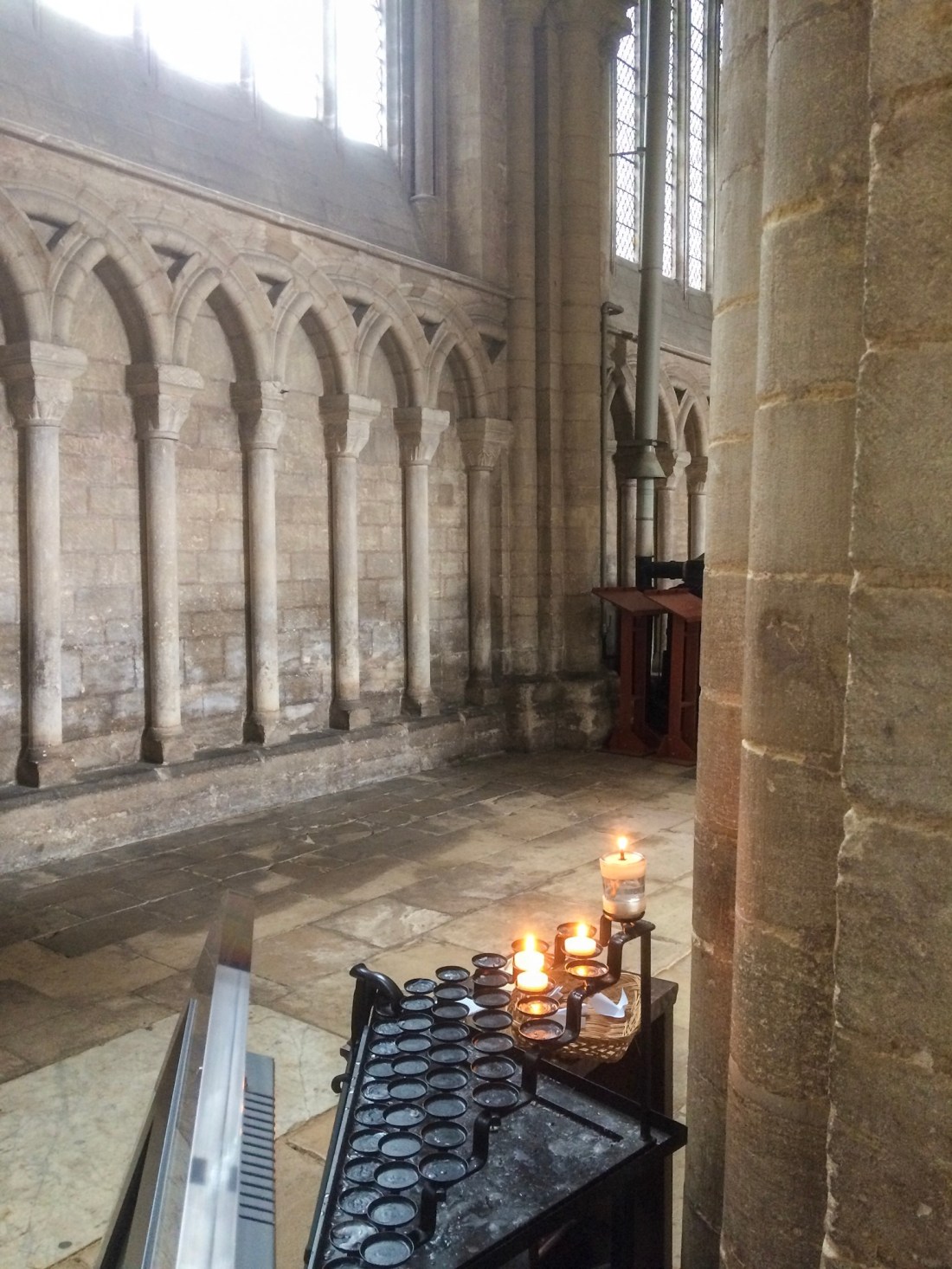
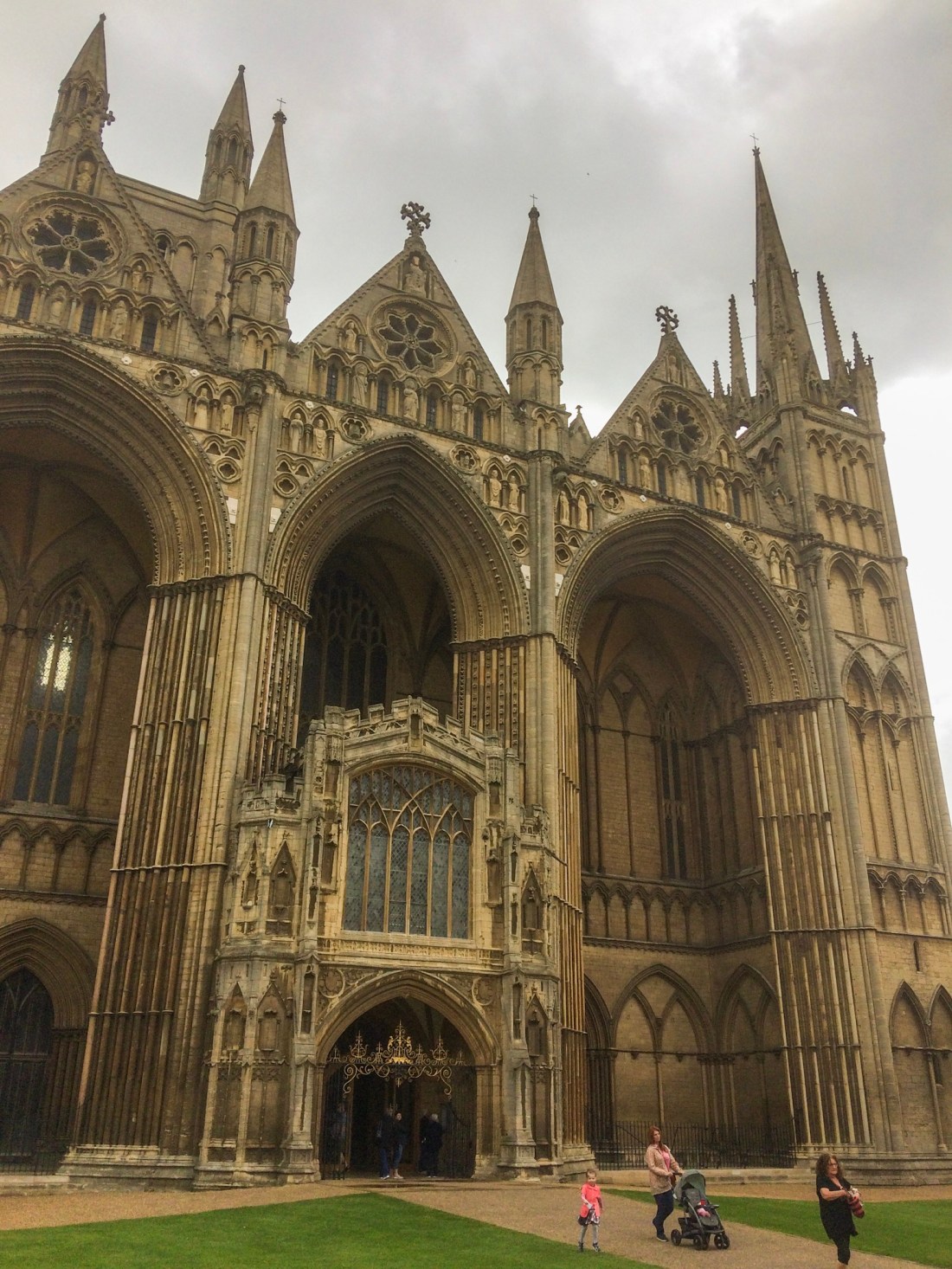
The cathedral is dominated by Norman and early English architecture, with numerous examples of Norman arches, such as these interlacing examples above.

The cathedral is also notable for its association with two famous queens.
The first was Catherine of Aragon, Queen of England when she was married to Henry VIII. Catherine was buried here in 1536 and her tomb is still something of a shrine to her memory, with pomegranates very prominent as her symbol because the fruit appears on her badge. Pomegranates are an ancient symbol for fecundity and regeneration.
Catherine certainly suffered much during her husband’s long and protracted break with Rome, in which she was the innocent victim, her only crime it would seem was not being able to produce a living male heir for Henry to perpetuate the Tudor dynasty. This was how she was treated after being completely dutiful to the king, but Henry had to have his way. Her motto, which translates as ‘humble and loyal’, is a phrase she very much lived up to.
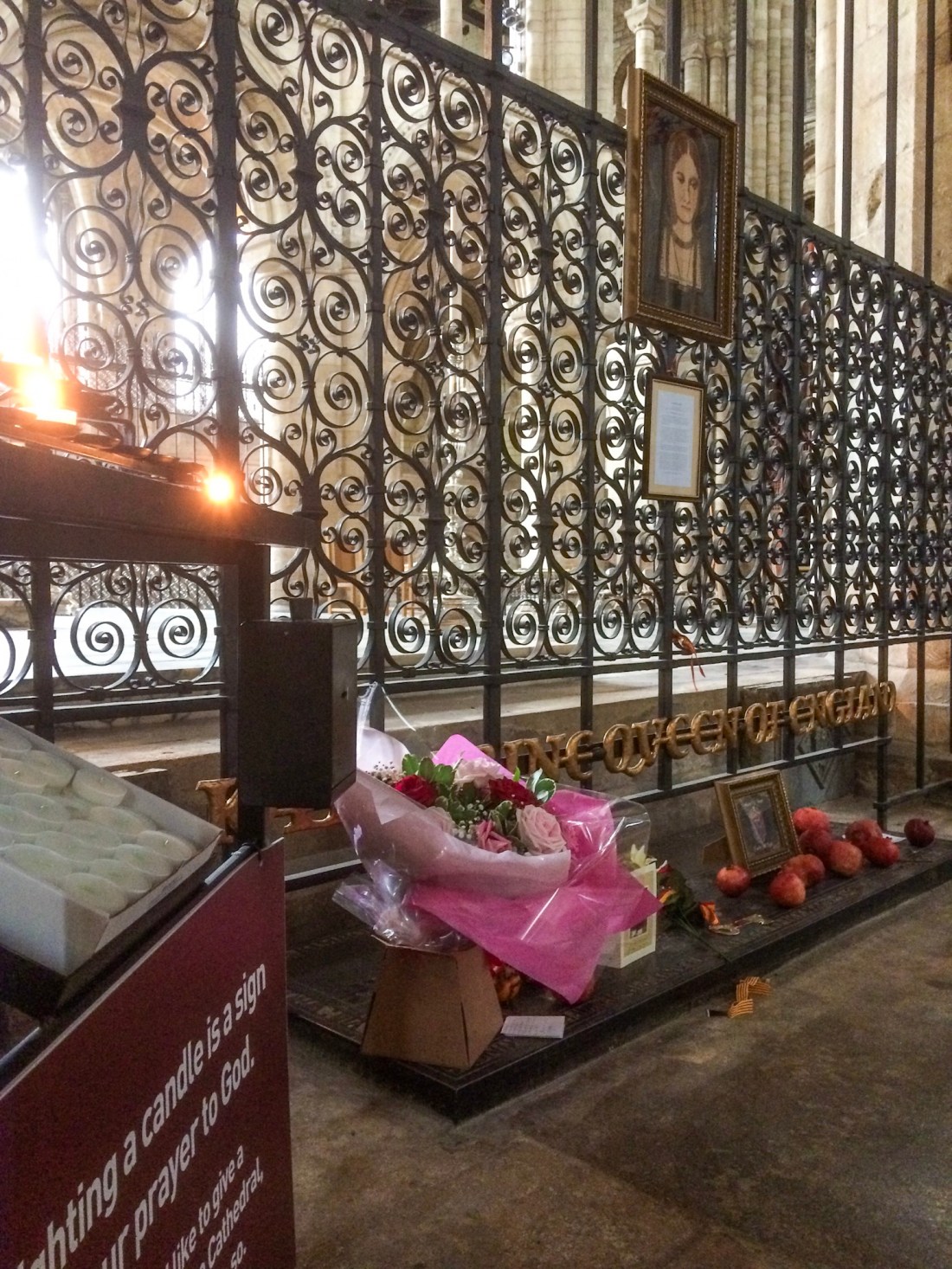

The second queen associated with Peterborough Cathedral is Mary Queen of Scots.
Mary inherited the Scottish throne after only a few days of being born, thrusting her into a world of political intrigue and shenanigans which she was never able to control.
She essentially became a pawn of more powerful rulers and some despicable characters. However, in 1559 she duly became Queen Consort to Francis II of France, solidifying Scotland’s long alliance with France.

Sadly within 18 months the young kind died prematurely. Had he lived, Mary’s life would have turned out entirely differently. As it was, she became a teenage widow and a long series of political and personal disasters ensued when she returned to Scotland. Eventually she fled to England and came under Elizabeth’s control.
After many years’ imprisonment in England, during which the still substantial Catholic faction within England with aid from Spain continually conspired to depose Elizabeth and put Mary on the English throne, she was finally executed at nearby Fotheringhay Castle in 1587.
She was initially buried in Peterborough Cathedral, but her son, James I of England, had her remains transferred to Westminster Abbey in London.
words and photographs copyright Francis Barker 2019

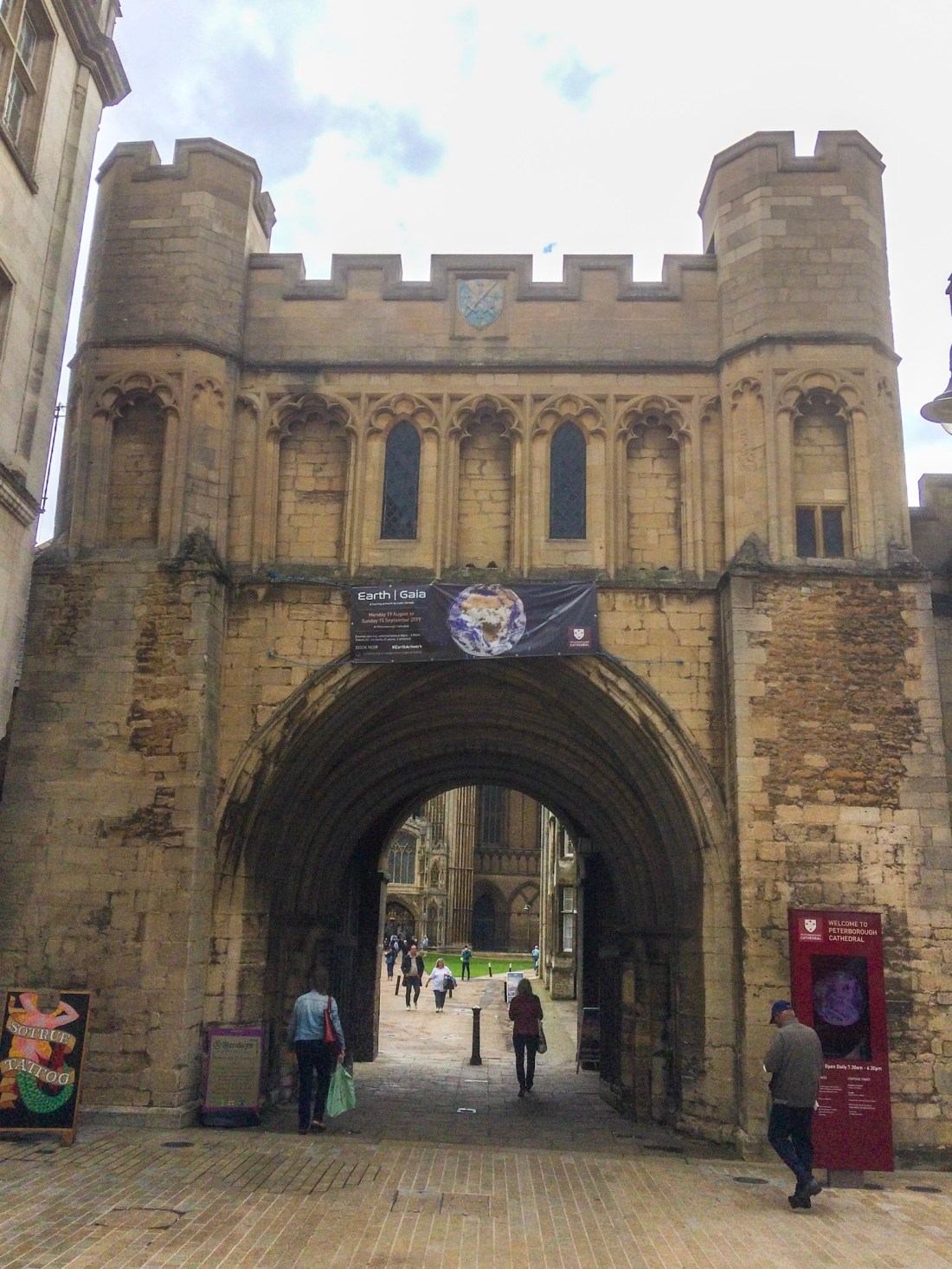
This might be due in part to Lincoln’s prominent setting, Ely’s architectural distinctiveness and York’s admitted supreme grandeur.
Peterborough, by comparison, lies on the edge of the flat fens, yet in one of the primary areas of England for monastic development because of the remoteness of location. In its day, Peterborough Abbey was one of the most prominent in the whole of eastern England.
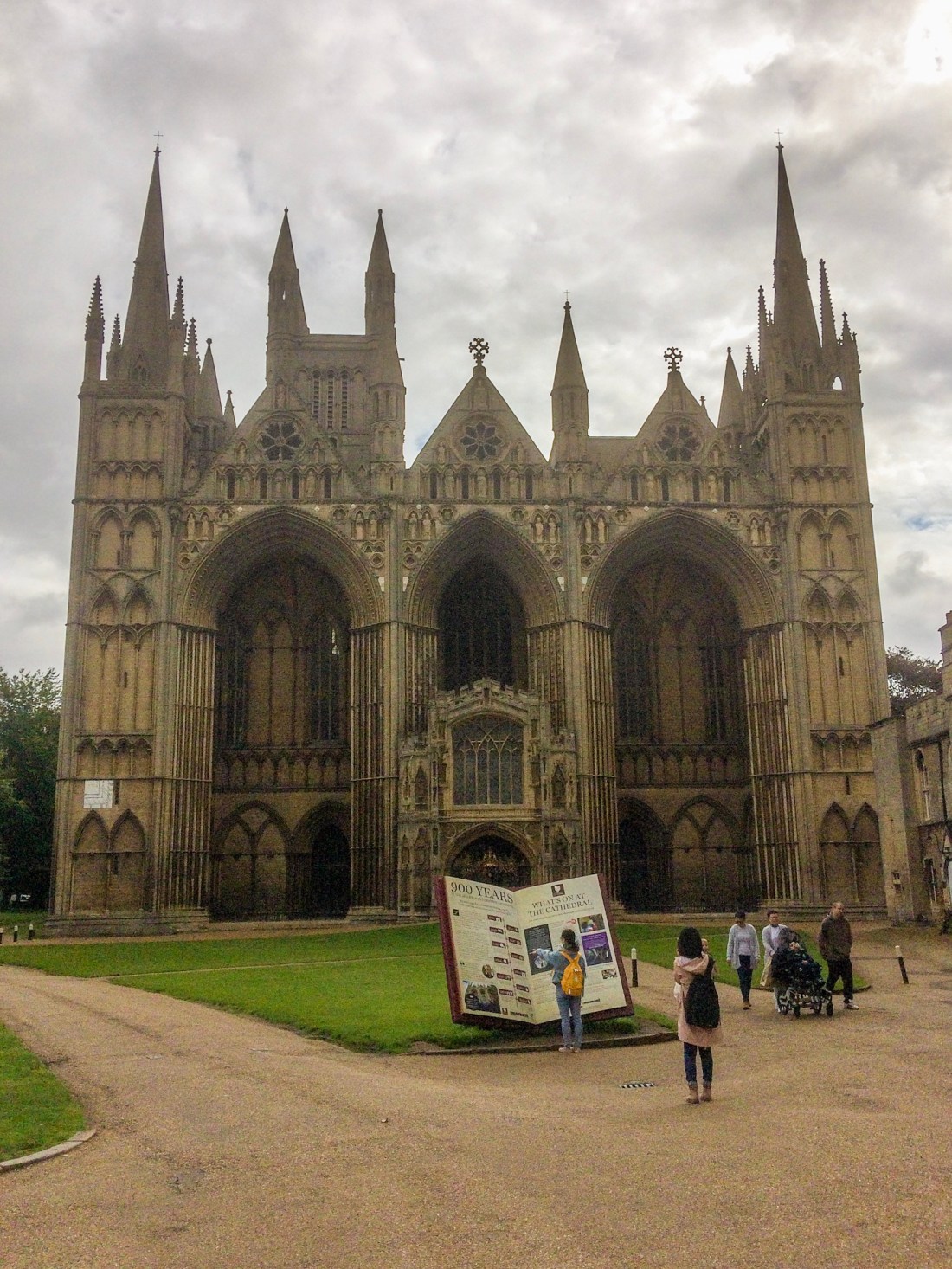
Originally the abbey church of Saint Peter’s Abbey, Peterborough, in the east of England, the present church was granted cathedral status (and thereby preserved) by Henry VIII, self appointed head of the Church of England, during the Reformation in the 1530s, which saw many former monastic buildings taken down and sold off. For this at least we should be grateful to England’s most notorious monarch.
words and photographs copyright Francis Barker 2019
 Ciscography