Fascinating English Churches – Stainfield, Lincolnshire, Part 1

DSC_0025

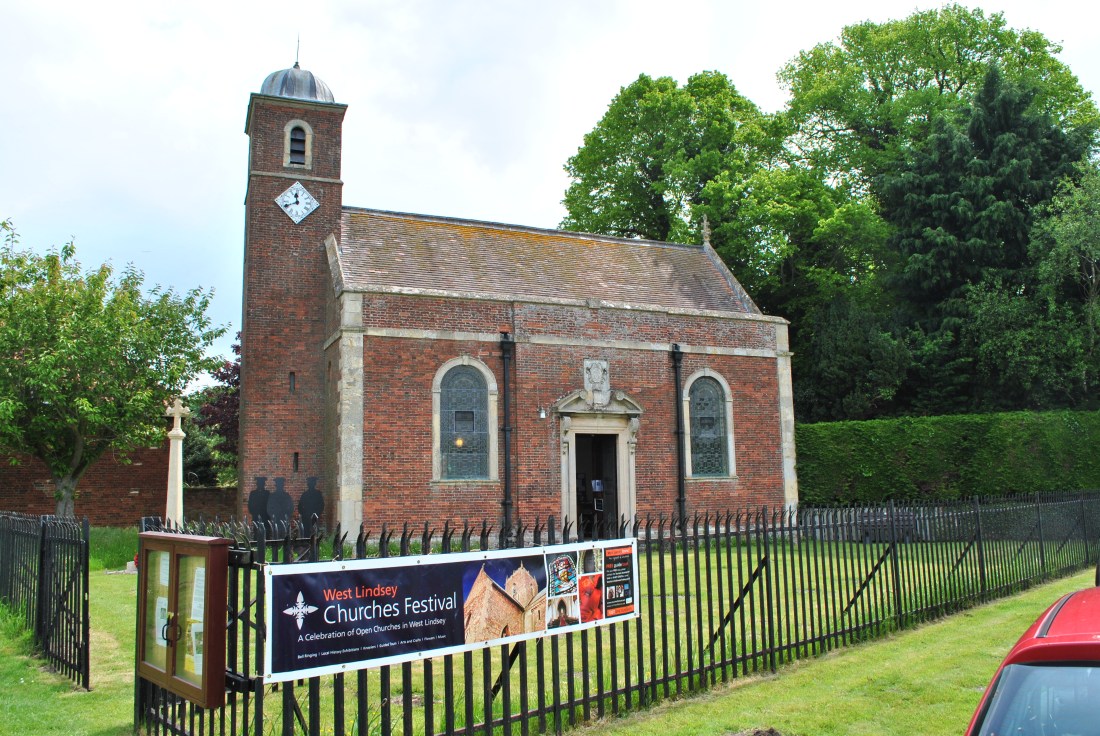
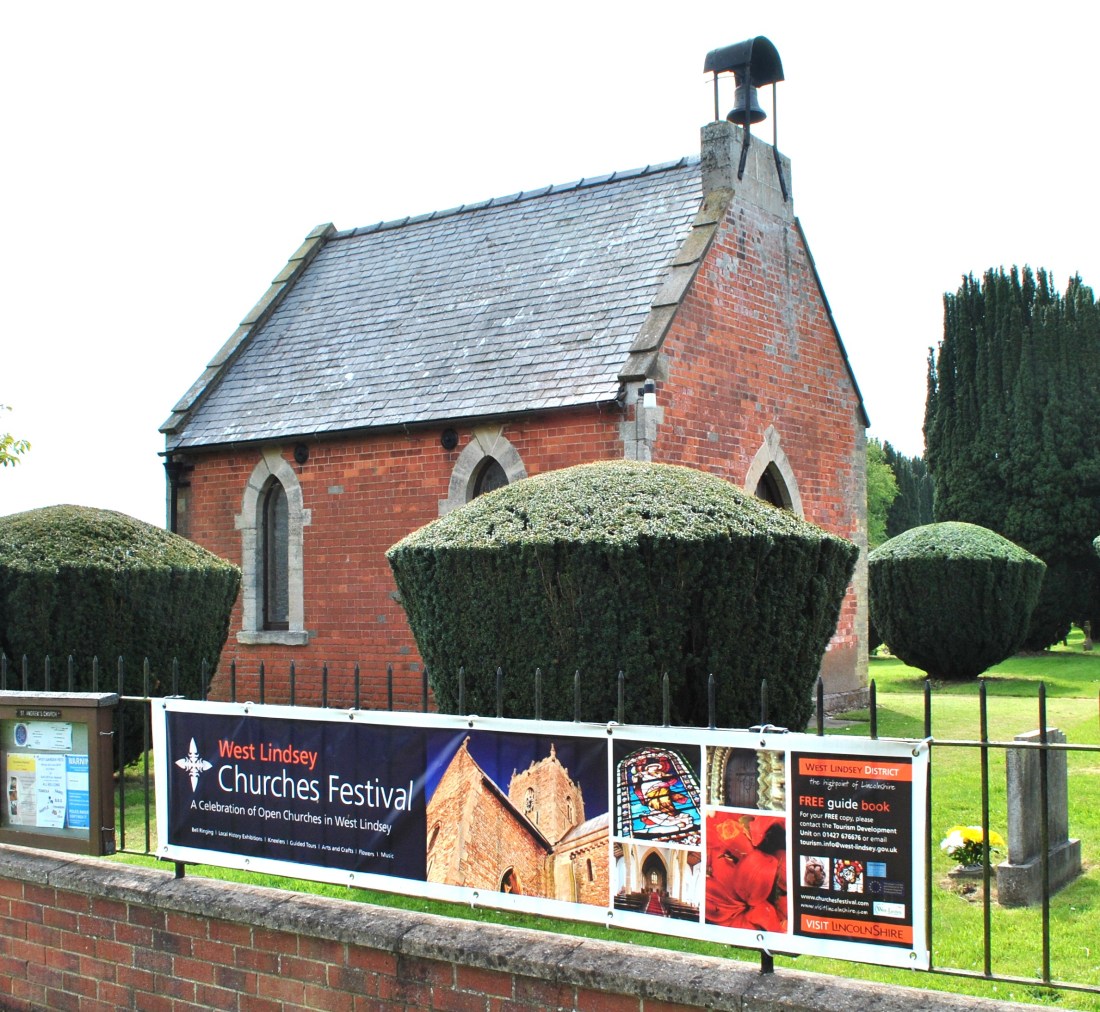
Saint Andrew’s Church Stainfield in West Lindsey Lincolnshire, was reputedly designed by Sir Christopher Wren – yes, he of Saint Paul’s Cathedral fame.

Built in 1711, the church boasts many interesting features, and is made of red brick with stone quoins, apart from the stone eastern wall; this may be a remnant of the former medieval priory.

DSC_0041
Notable feature above the entrance.

DSC_0037 - Edited

The visit was part of our short tour of the West Lindsey Church Festival, which takes place over two weekends every May. More on this fascinating church to follow.

copyright Leofwine Tanner 2019
Celebrating English and Lincolnshire Churches – Apley: Small is Beautiful

DSC_0013 - Edited

Apley’s church of Saint Andrew really is a little gem.

When we arrived there we were astonished to see just how small it was. There were cars outside, but was there really anyone inside? I mean, how many could you get in there?

Well, it turns out that, on occasion, there are up to 15 worshippers, and there are often christenings too. So as far as the Apley community and ourselves are concerned, small is beautiful.

DSC_0016 - Edited

Apley is a small hamlet between Lincoln and Horncastle, nestled in the gently rolling hills of north-central Lincolnshire, the historic riding of Lindsey that used to be a kingdom in its own right about thirteen hundred years ago.

DSC_0021 - Edited.jpg

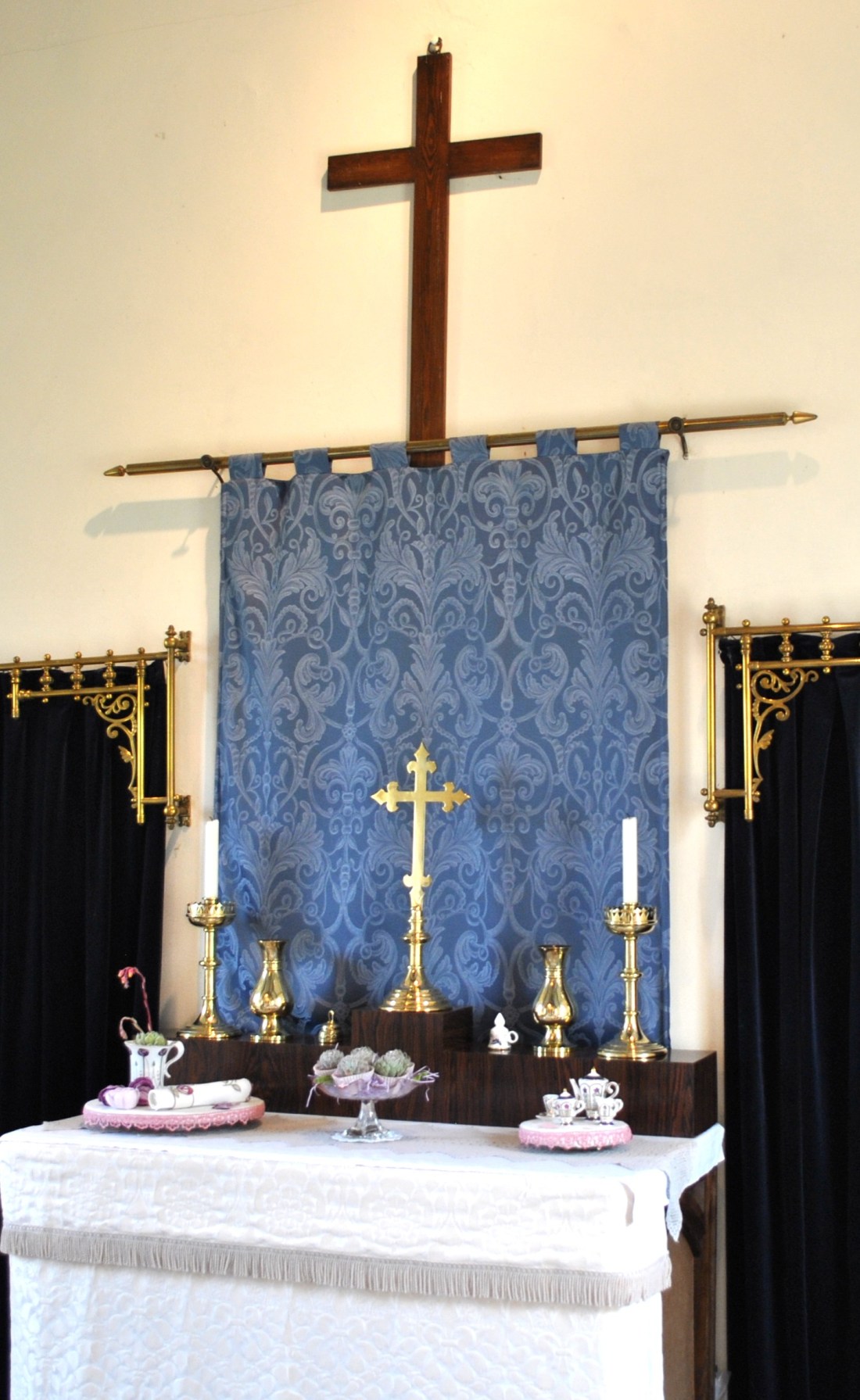
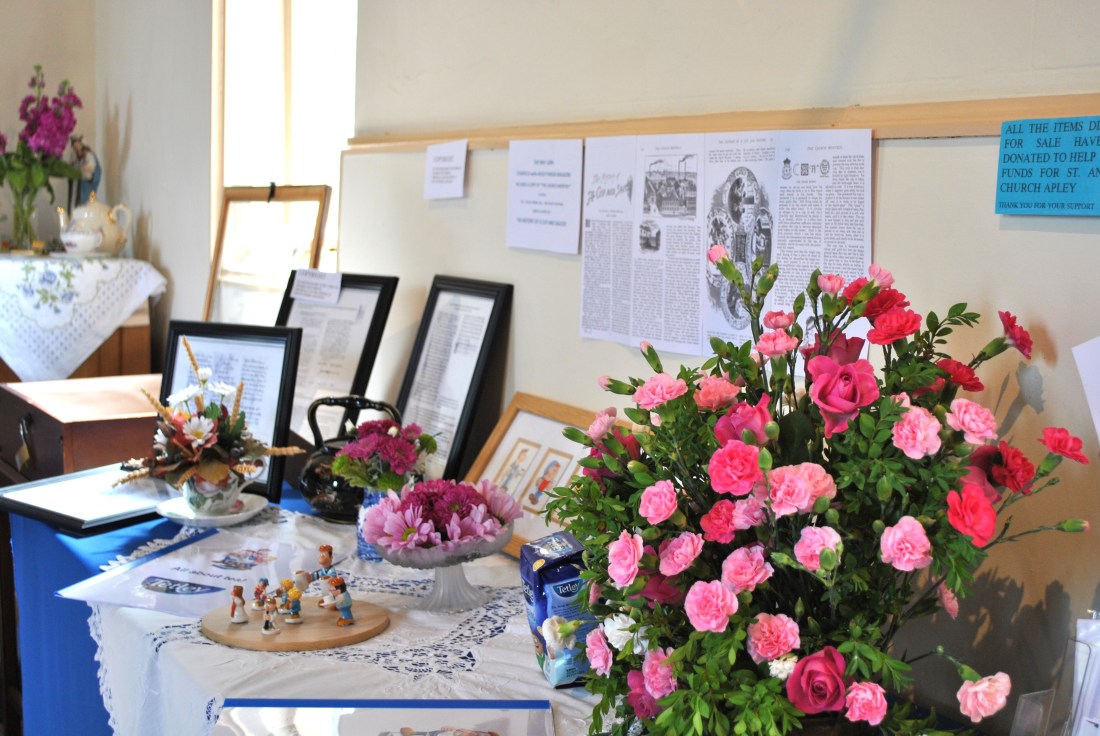
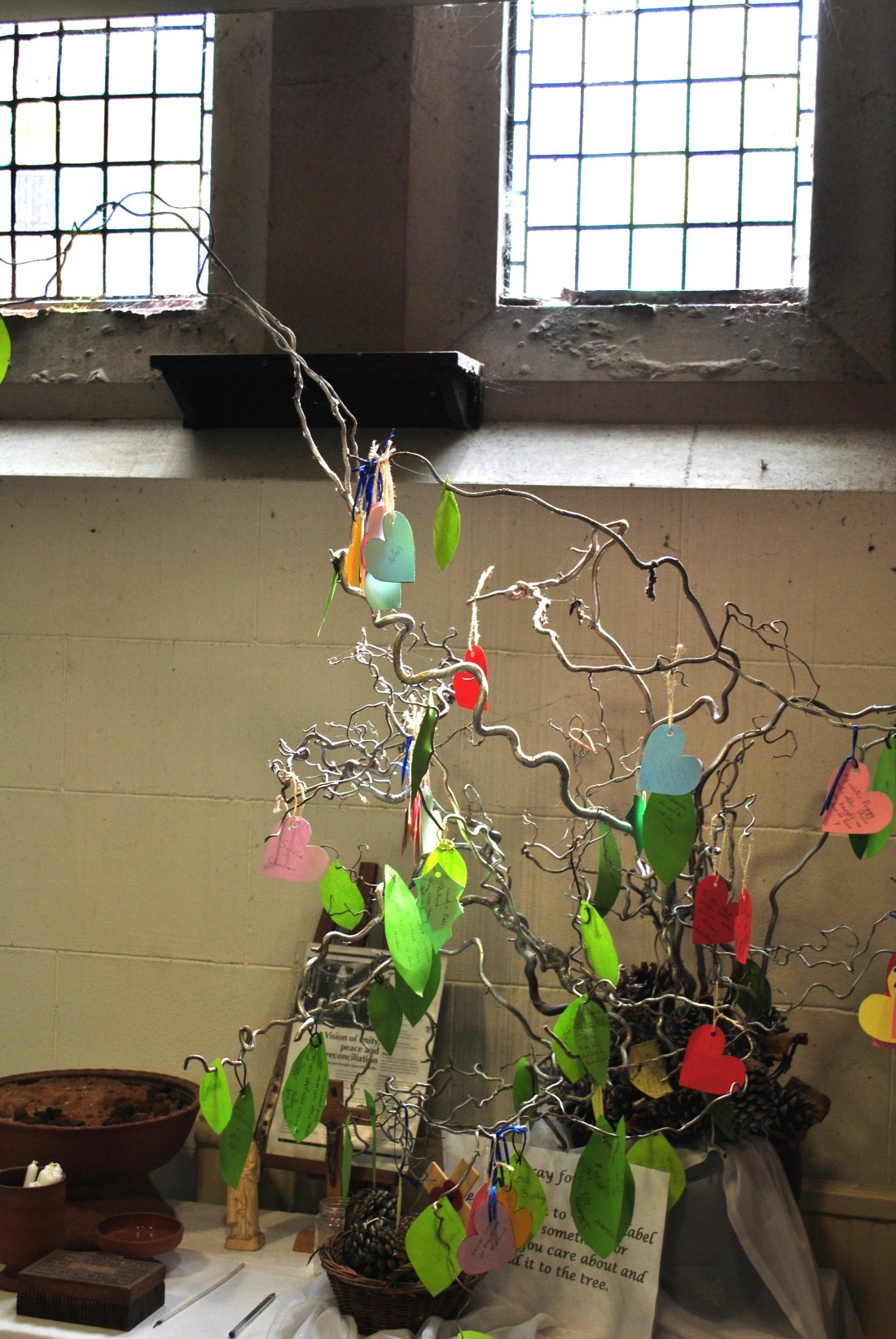
That said, it was not too easy for us to find, but it’s well worth a visit. The church, for such a limited space, could boast many items of interest, see photographs.

DSC_0019 - Edited

And once more, we were treated royally by our hosts!

DSC_0017 - Edited

copyright Leofwine Tanner 2019

Celebrating Lincolnshire Churches Heritage: Wragby

Every May, West Lindsey in north Lincolnshire has two open weekends to encourage visitors, with displays, old books for sale, exhibitions and lots of tea and cake.

The photographs here are of Wragby church, dedicated to All Saints.

DSC_0004 - Edited.jpg
Wragby church of All Saints, built in Victorian times. The bell tower contains 15th century bells.

The church was built in Victorian times and has some fine stained glass windows.

DSC_0006 - Edited

DSC_0010 - Edited

DSC_0009 - Edited
A very old looking font.
DSC_0005 (1) - Edited
Glorious stained glass windows.

Leofwine Tanner 2019

Haiku: The Rear Gunner

army burial cemetery cross
Photo by Pixabay on Pexels.com

Trapped in a tail spin
shot up and bleeding, no hope
What went through your mind?

copyright Leofwine Tanner 2019

History of the Church: The Lost World of Monasteries

priorygate2

Monasteries, the Abbey or Priory of the medieval world of England, are an enduring interest of mine, although I don’t claim to be an expert on ecclesiastical or architectural matters.

Many years ago, I did a series of watercolour reconstructions of one priory, how it may have looked at its height (see above).

To think that these places, which became so criticised and demonised, especially in the reign of Tudor King Henry VIII, were the centres of education not only of the monks and nuns who lived there, but were also enriching the local communities, providing jobs, education, lodging, medical care too.

To have these dissolved, stripped bare and taken down, the monks or nuns dismissed at the behest of ‘Good King Henry’ and Thomas Cromwell – well, it must have been truly catastrophic for the communities that were left without them. That doesn’t quite seem to come across in most of the accepted history of what we call The Reformation.

There are always at least two sides to any story.