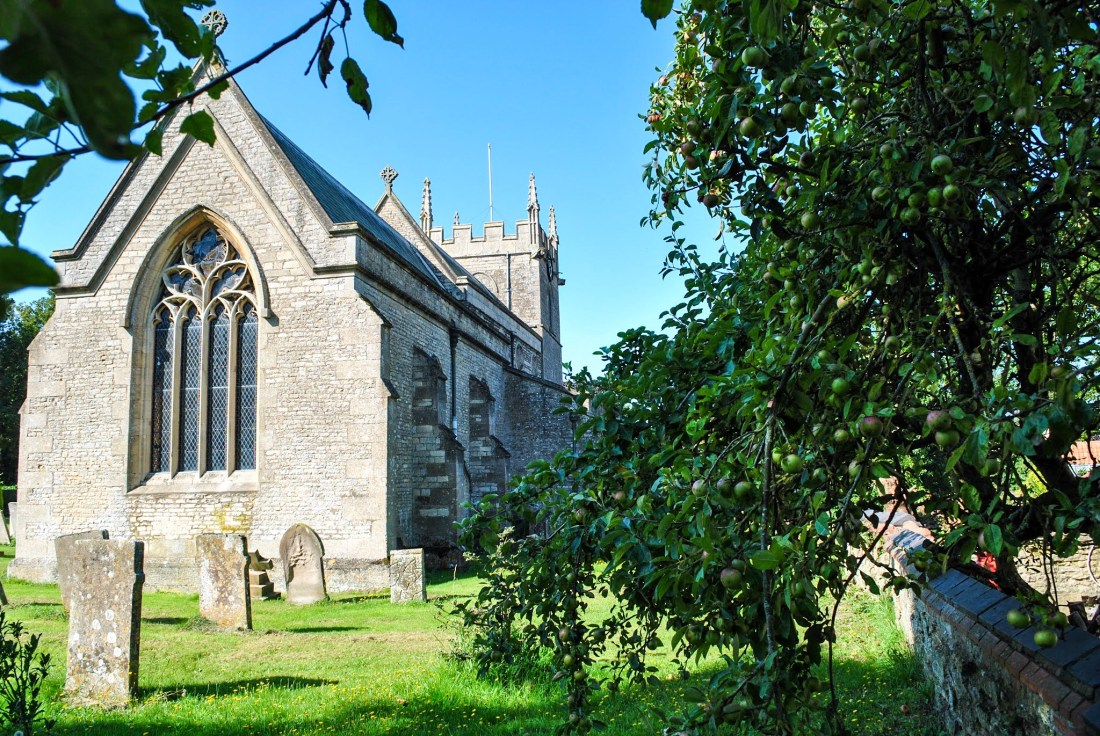
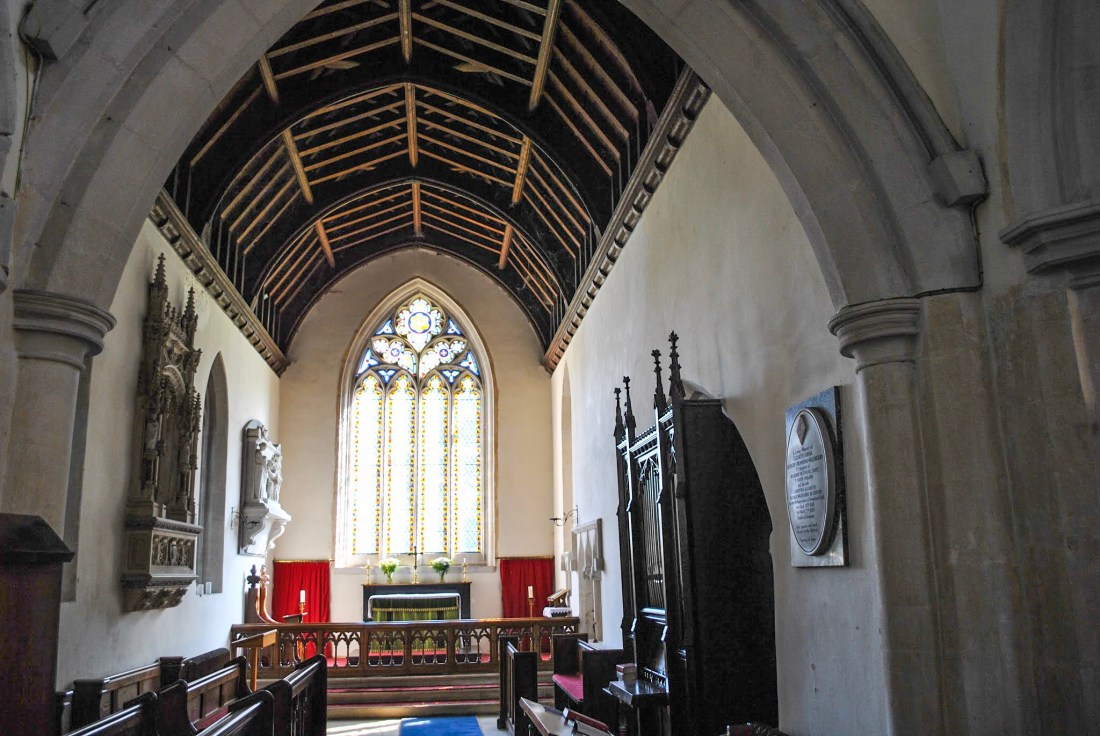
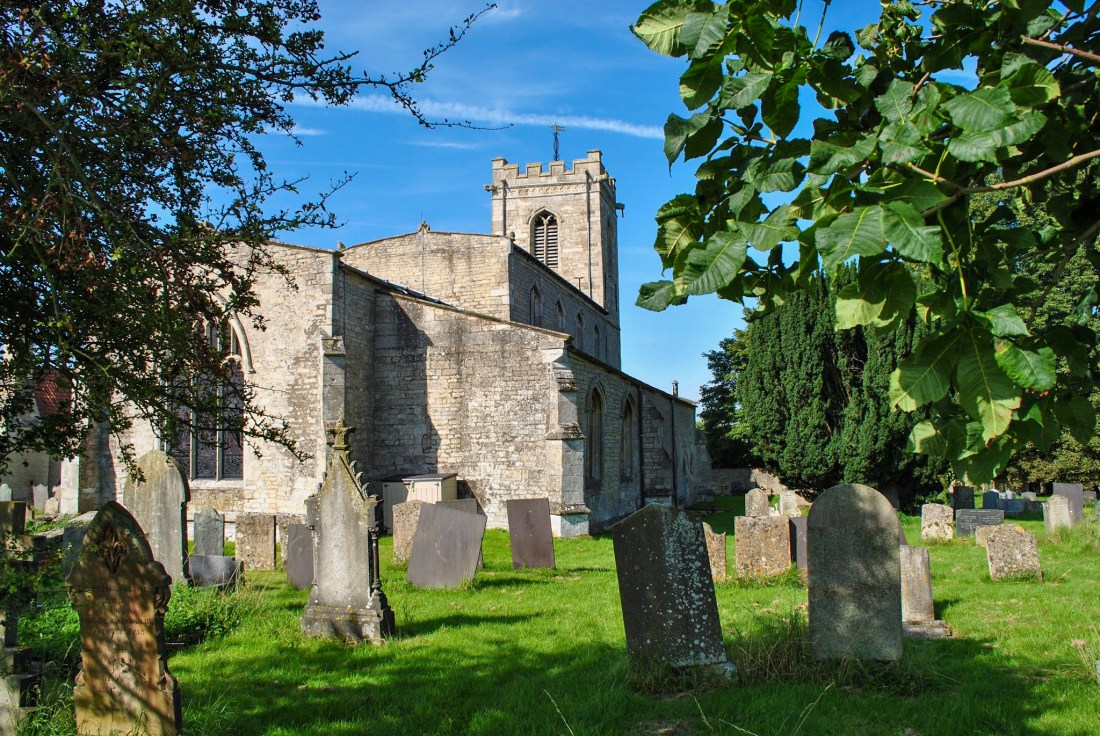
Swinstead lies in the beautiful south west Lincolnshire in the east of England.
Interestingly, in Shakespeare’s play King John, Swinstead is mentioned several times, maybe in mistake for Swineshead, where King John is thought to have visited on his last journey, before he died at Newark in Nottinghamshire.
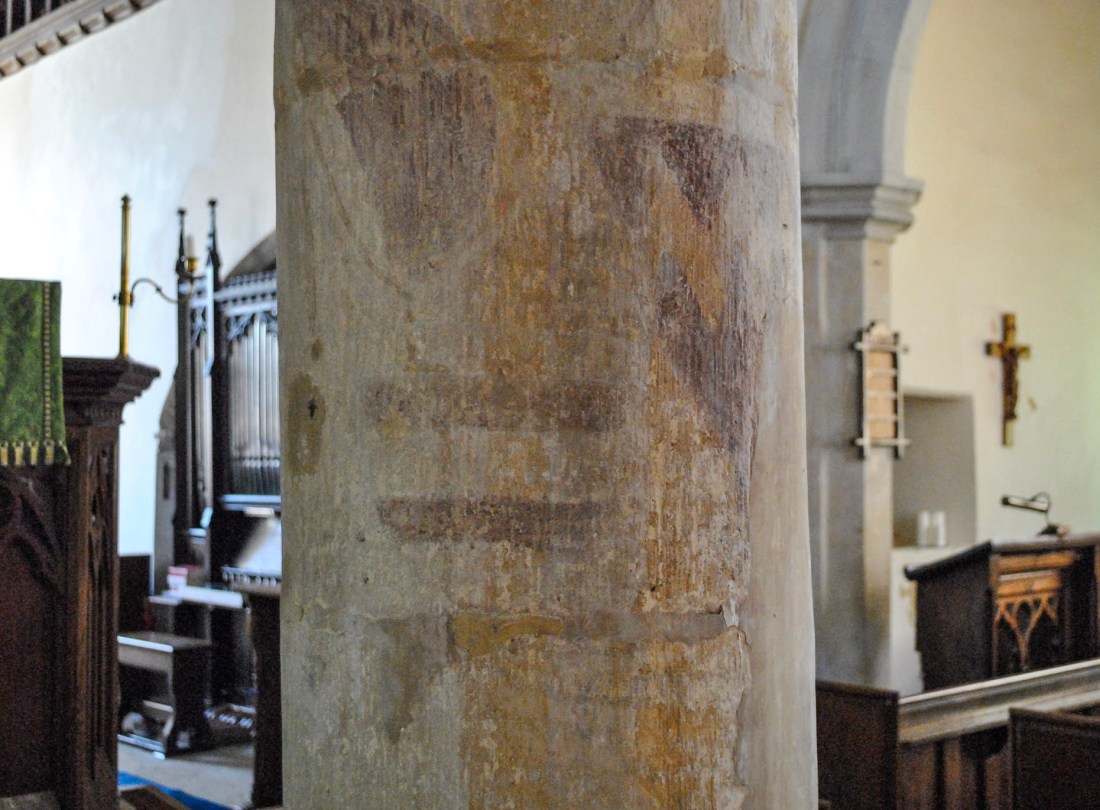
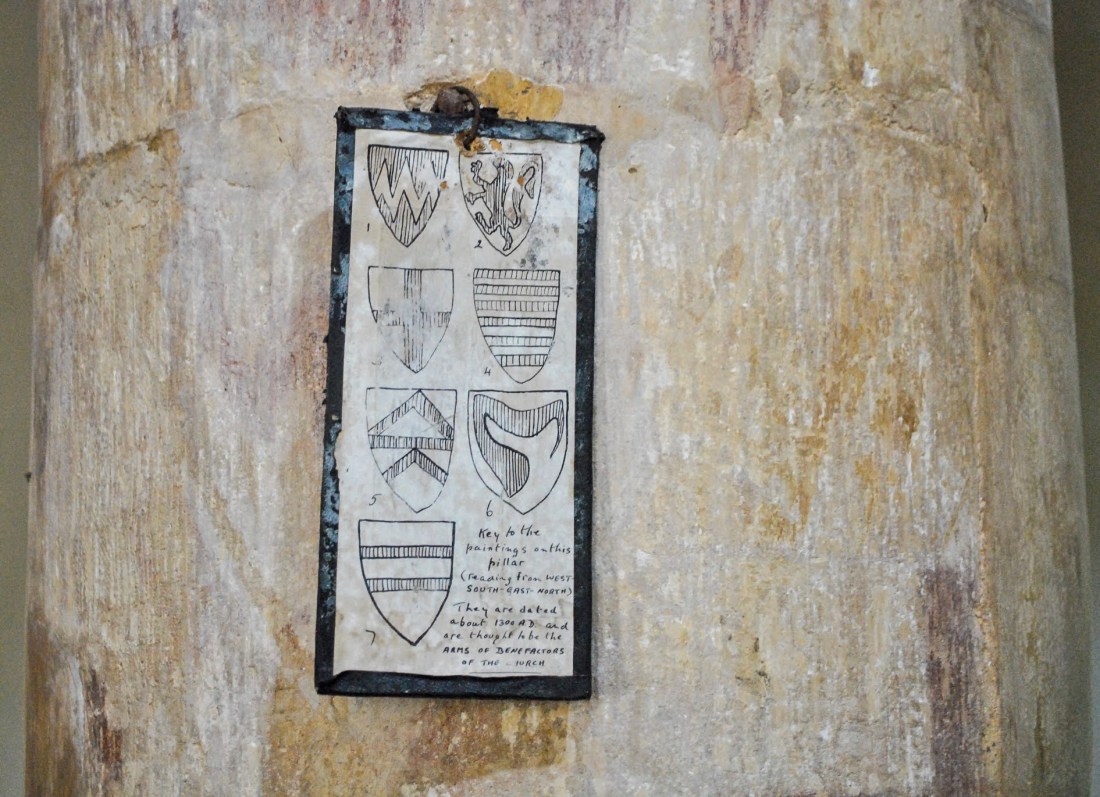
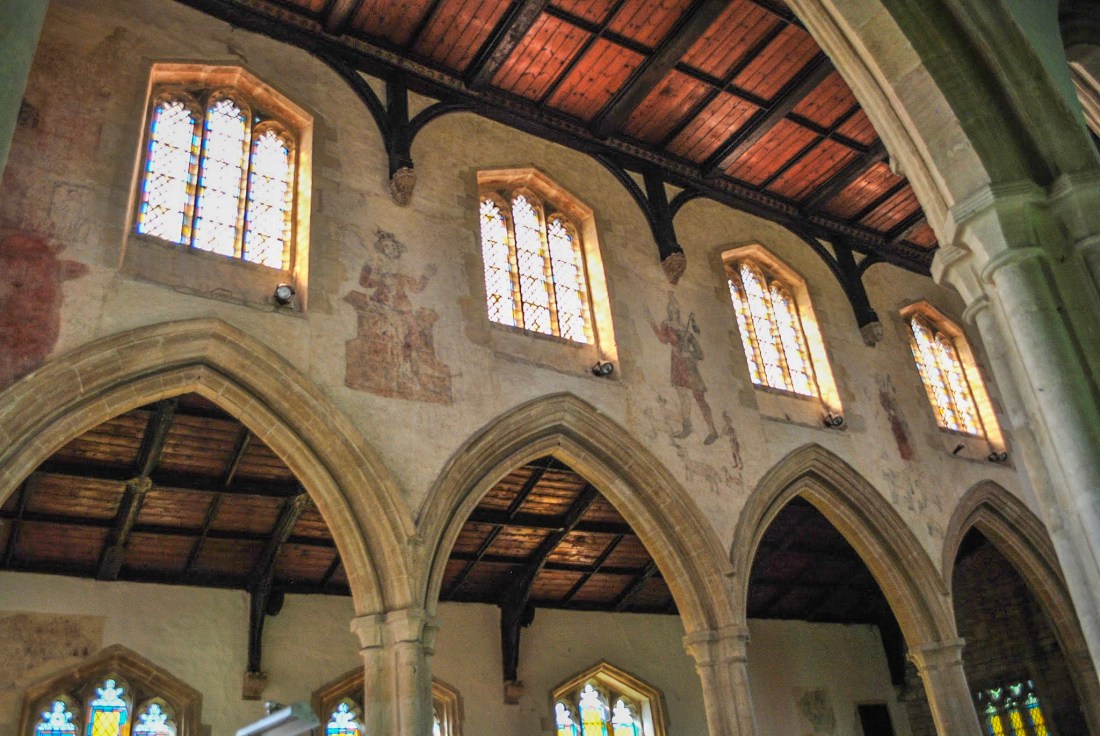
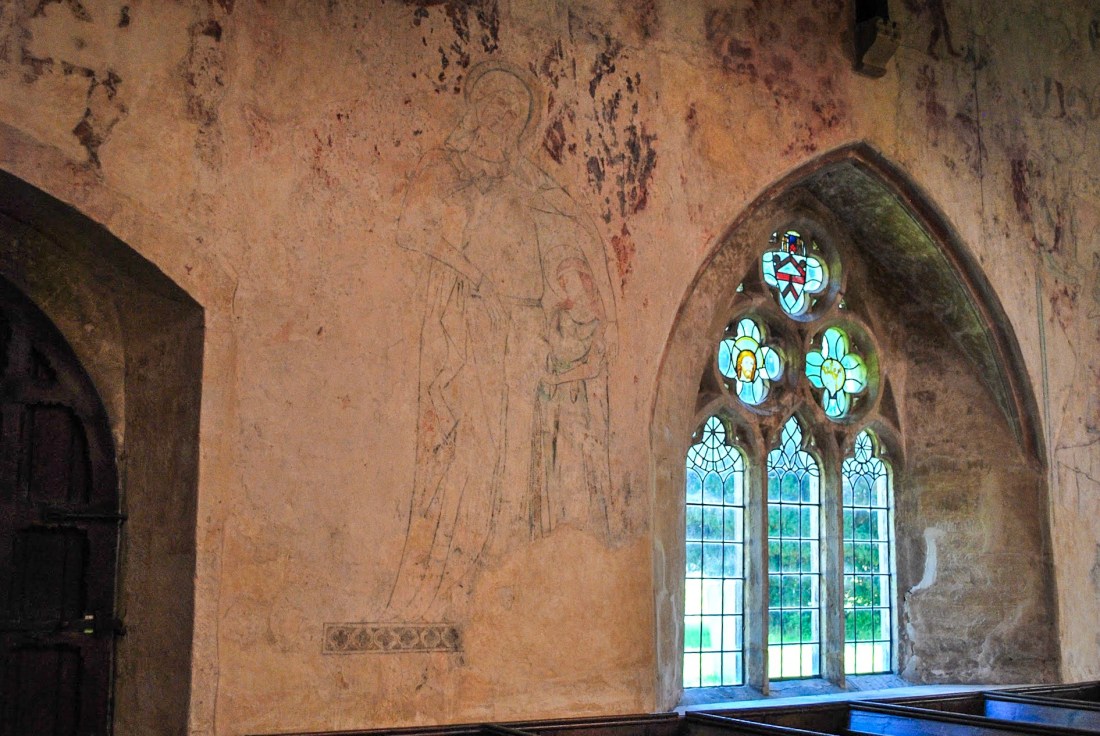
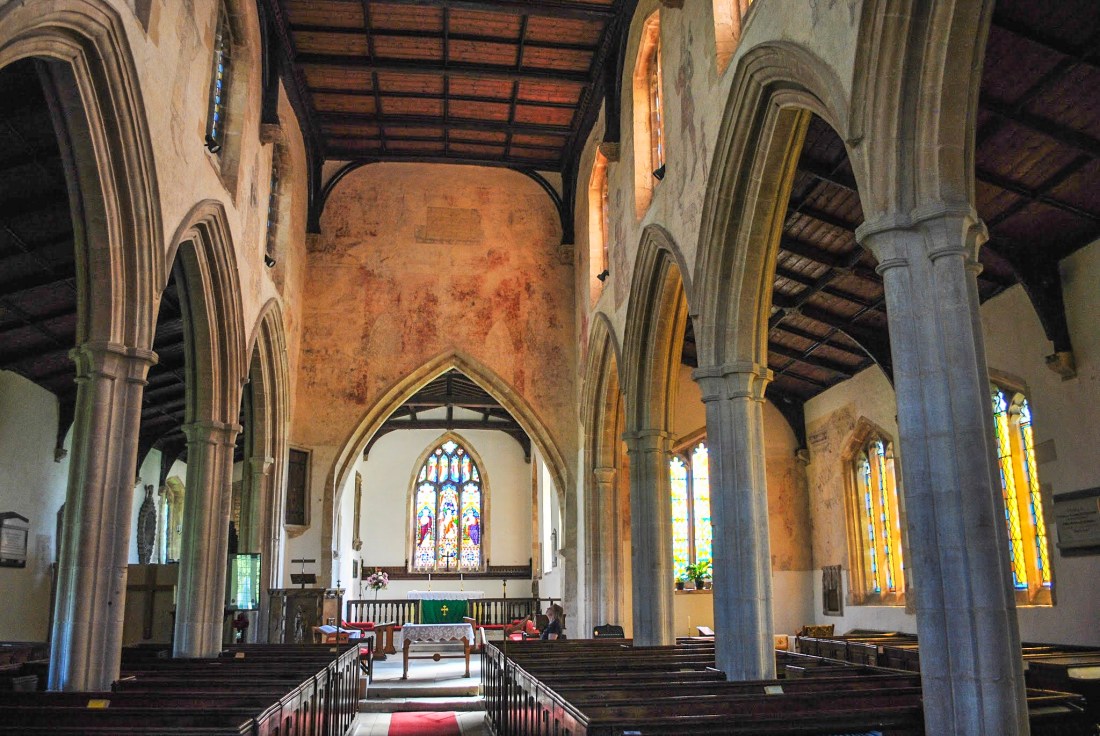
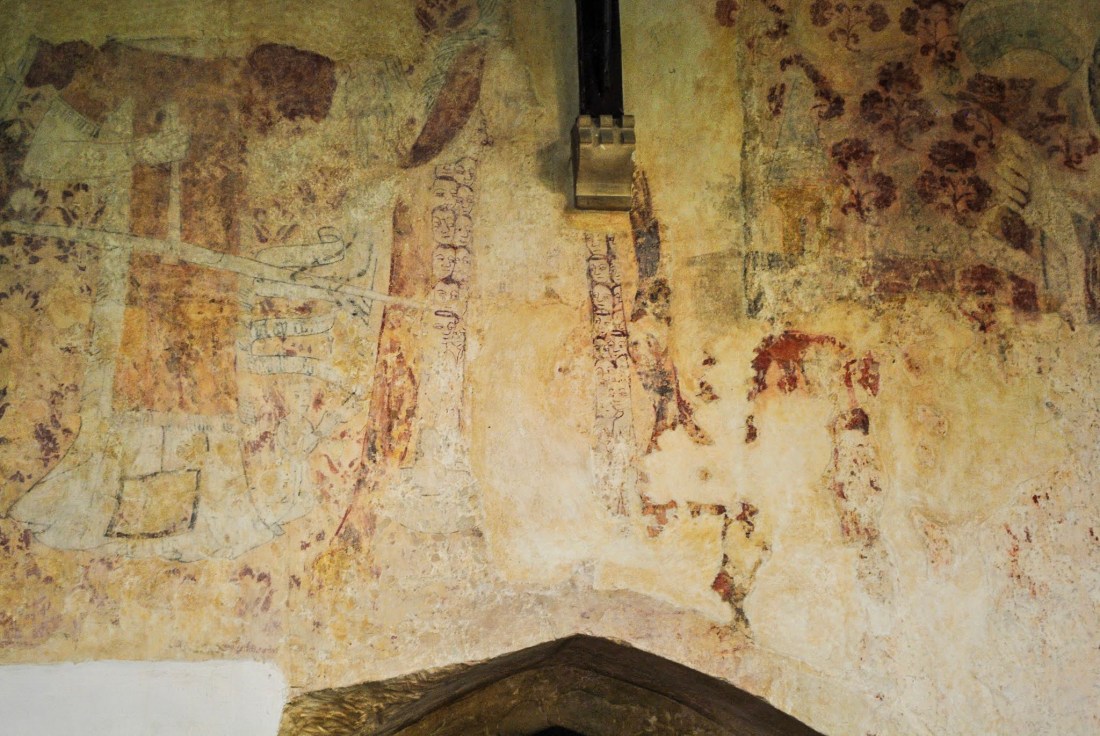
Like nearby Corby Glen church, there are some examples of medieval wall art.
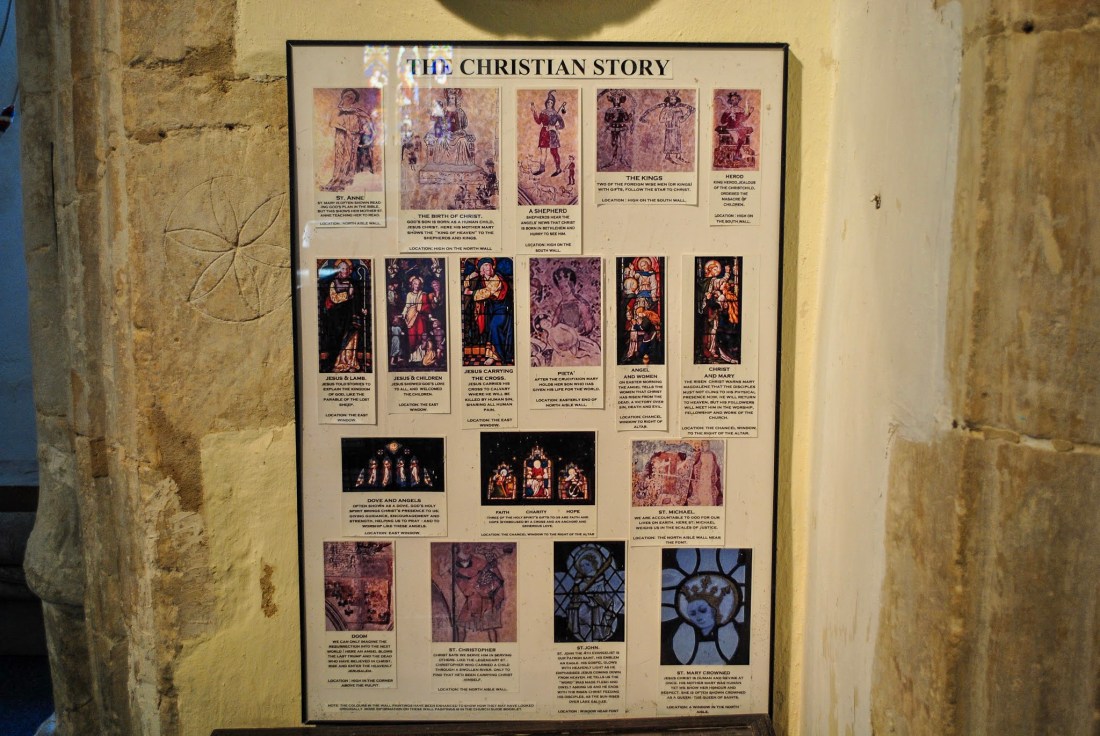
There is an explanation for the symbols incorporated into the wall art.
Lincolnshire in the east of England has some wonderful, often underrated medieval churches.
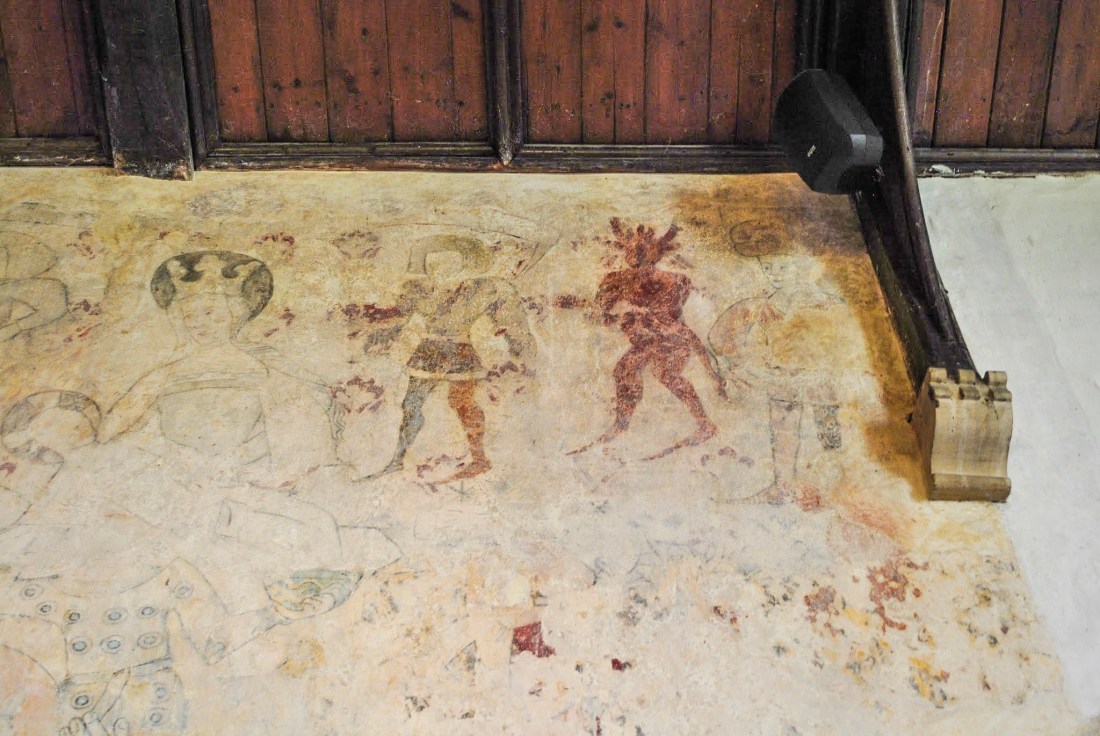
One such is in the south west of the county, in the lovely village of Corby Glen. Here on many of the walls of the church you can see paintings and illustrations of religious and spiritual imagery, representing stories from the Bible and the faith and beliefs in general of the later medieval period.
If you look carefully, you can make out several layers of art, where older ones have been superseded with new work.
During the Reformation in the 1500s, all of this art was whitewashed over, part of the process of removing all imagery, which also meant stripping out idols and even rood screens which separated the nave from the chancel.
It was only in more recent times that this treasure trove of art was rediscovered through church restoration.
Today this art represents some of the most important medieval imagery not only in the county of Lincolnshire, but also in the whole of England.
Devil in the detail.Explanation of the imagery inside the church.The beautiful setting of the church of Saint John the Evangelist, Corby Glen, Lincolnshire.
She was sat
on the old porch, a piece
of me I’d left
behind
in some spring
long ago. I knew it
in an instant, as
soon as she looked up—
our minds dovetailing as if
nothing had happened
in those draining,
intervening years. A part
of me wanted
to leave,
to move on and deny
what my heart was insisting, but
the spark was still there,
some sweet, indefinable
thing.
She tapped
the space beside her and
I sat down
on the creaking pinewood. The air was
still,
a low September sun
buttering the track
in front of us
and the turning trees
all around us
and the pale skin
of her arms, her legs,
and that gentle,
dappled face.
“Do you remember
when we were spring?”
I nodded, watching
her lips break
into that dimpled smile. In
her eyes I saw again
the boats
and the blossom,
like promises, journeys
only taken in our minds
There were few more dynamic and controversial figures during the reign of Elizabeth I than the daring, swashbuckling, and, some might say, reckless Robert Devereux, the second Earl of Essex.
Having arrived at court in the 1580s, he soon became a favourite of the Queen due to his charm, wit and dashing, distinctive good looks, eventually replacing the Earl of Leicester as Master of the Horse in 1587. He went on to capture Cadiz 1596, an achievement which sealed his reputation as a military commander.
Abortive campaign
He was made Lord Lieutenant of Ireland in 1599, but led an abortive campaign against the Irish Rebellion. Two years later he was executed for treason for leading an attempted coup d’etat, despite Elizabeth’s painful indecision over her former favourite.
So what made this larger than life man tick astrologically?
To begin with, he had Sagittarius on the ascendant, with Uranus close to the ascending degree. His ruling planet, Jupiter, is in Libra just beyond the MC or midheaven and loosely conjunct Venus.
Larger than life personality
Here is an expansive, confident, magnanimous and very ambitious personality and with Uranus involved, he would display a certain amount of eccentricity, probably manifesting like a loose canon at times, stemming perhaps from a certain confident belief in his own infallibility.
However, also involved with his angular Uranus are Pluto, Neptune and Saturn, making a loose grand cross. The involvement of all three ‘transpersonal’ planets here suggests that here is a man who believed, despite continual challenges, that he had a destiny, and much of his subsequent behaviour only confirmed this.
This grand cross in mutable (changeable) signs, though fluid by nature, would have brought him serious problems in key areas of his life, challenges and crises within himself, his relationships, his home life and in his career. Yet his indomitable belief in himself remained, even though at times he must have felt as if his ultimate destiny was being thwarted.
Hugely resourceful
Moving on, he had a lot of activity in Scorpio, with the Sun, Moon, Mars, Mercury and Venus (plus the north node) in house 12.
So beneath the bravado and charisma of his personality, he had the intense power, determination and resourcefulness of Scorpio to back it up, mentally, physically and emotionally.
The Sun conjunct Mars in Scorpio is a very powerful vibration, revealing the deep, forceful intensity of his being. Here is a brave man, willing to put himself in danger, almost relishing it at times. The Sun and Mars rule houses 5, 9 and 12, showing that he was a great speculator, a purposeful and brave traveller in mind as well as body.
Great depth of feeling
His Scorpio Moon is also exactly conjunct the Moon in Scorpio in house 12. He had a deeply emotional mentality and though he was probably quite secretive, once he expressed himself verbally, few could match him for feeling. Like many, he was also a competent poet and writer.
I come out of this actually admiring his character. There is something endearing about someone with an implacable spirit, who is loyal to his followers, who had this incredible sense of adventure about him.
Even so, his life perhaps epitomises the ultimate tragedy of the pursuit of power, particularly in that most iconic Elizabethan age, which still manages to capture our imagination.
Peterborough Cathedral is probably one of the most underrated churches in England.
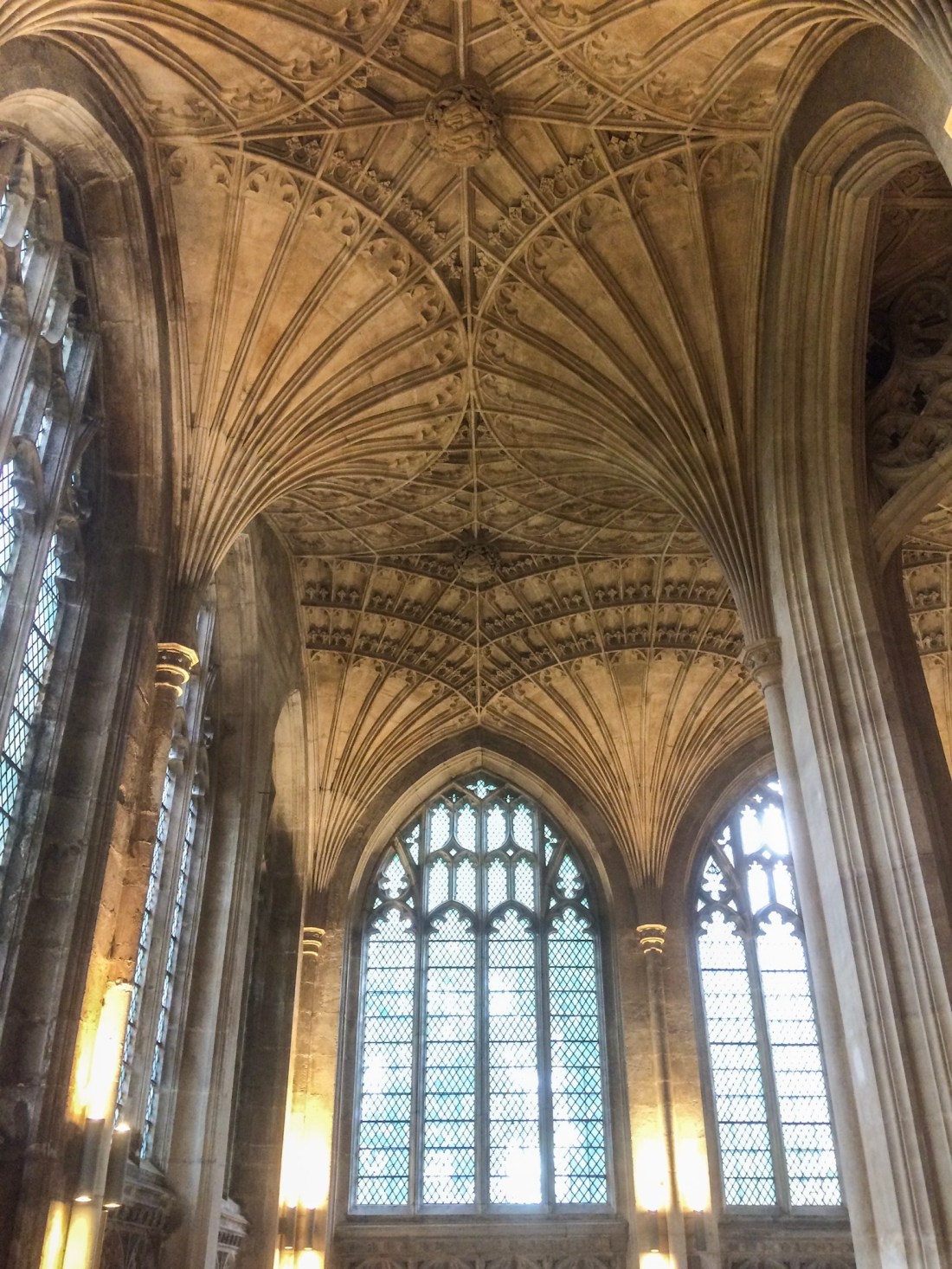
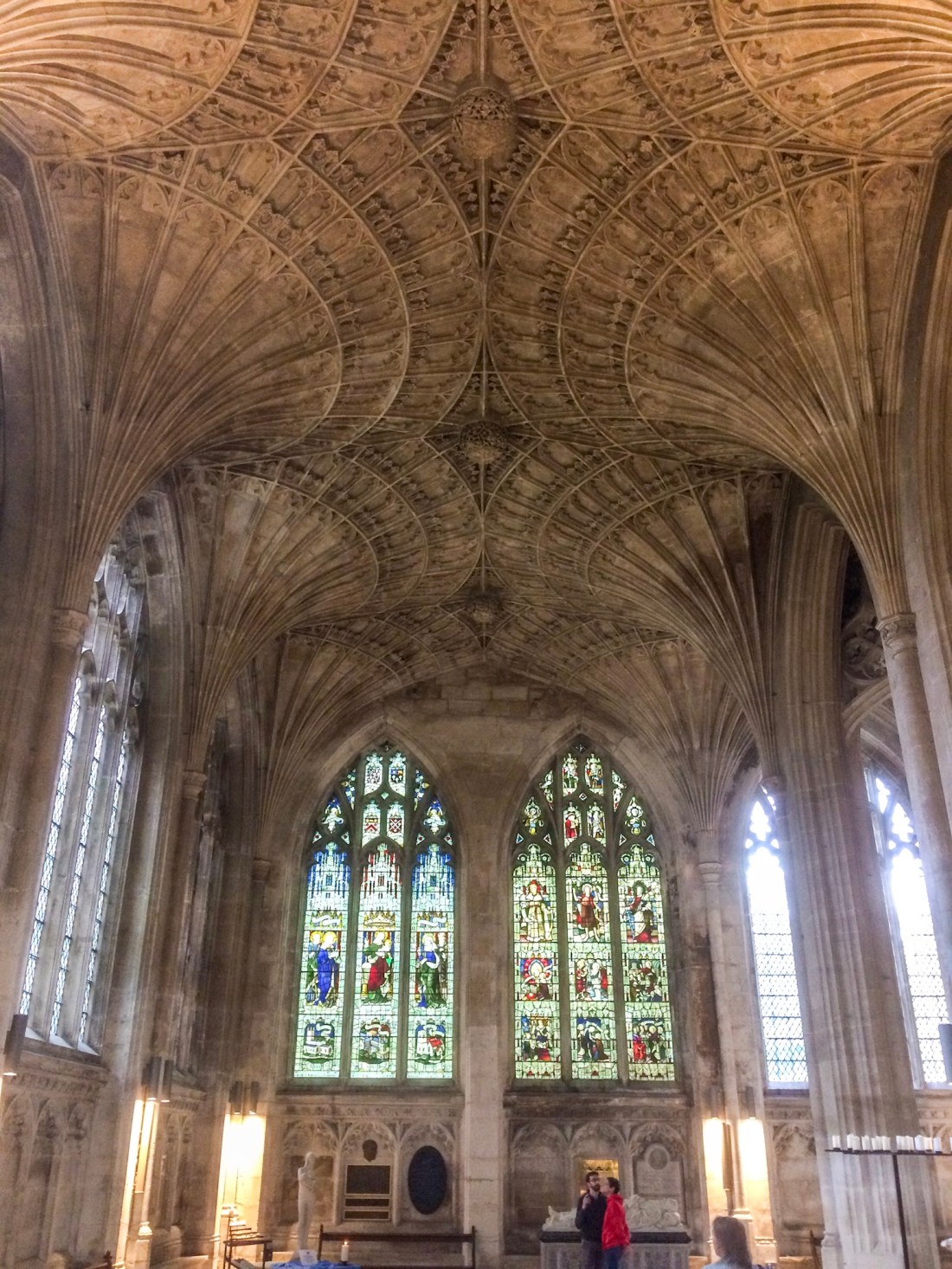
The Gothic fan vaulting at the east end of the cathedral is remarkable.
The cathedral also has three notable shrines to saints. The one above is Saint Oswald’s chapel, an old English saint, whose remains (reputedly an arm) were brought here.
There is also a shrine to Saint Benedict with a beautiful wood carving at the entrance. Peterborough Cathedral is in fact the Abbey church of the former Benedictine Abbey, dissolved by Henry VIII when he became head of the Church of England.
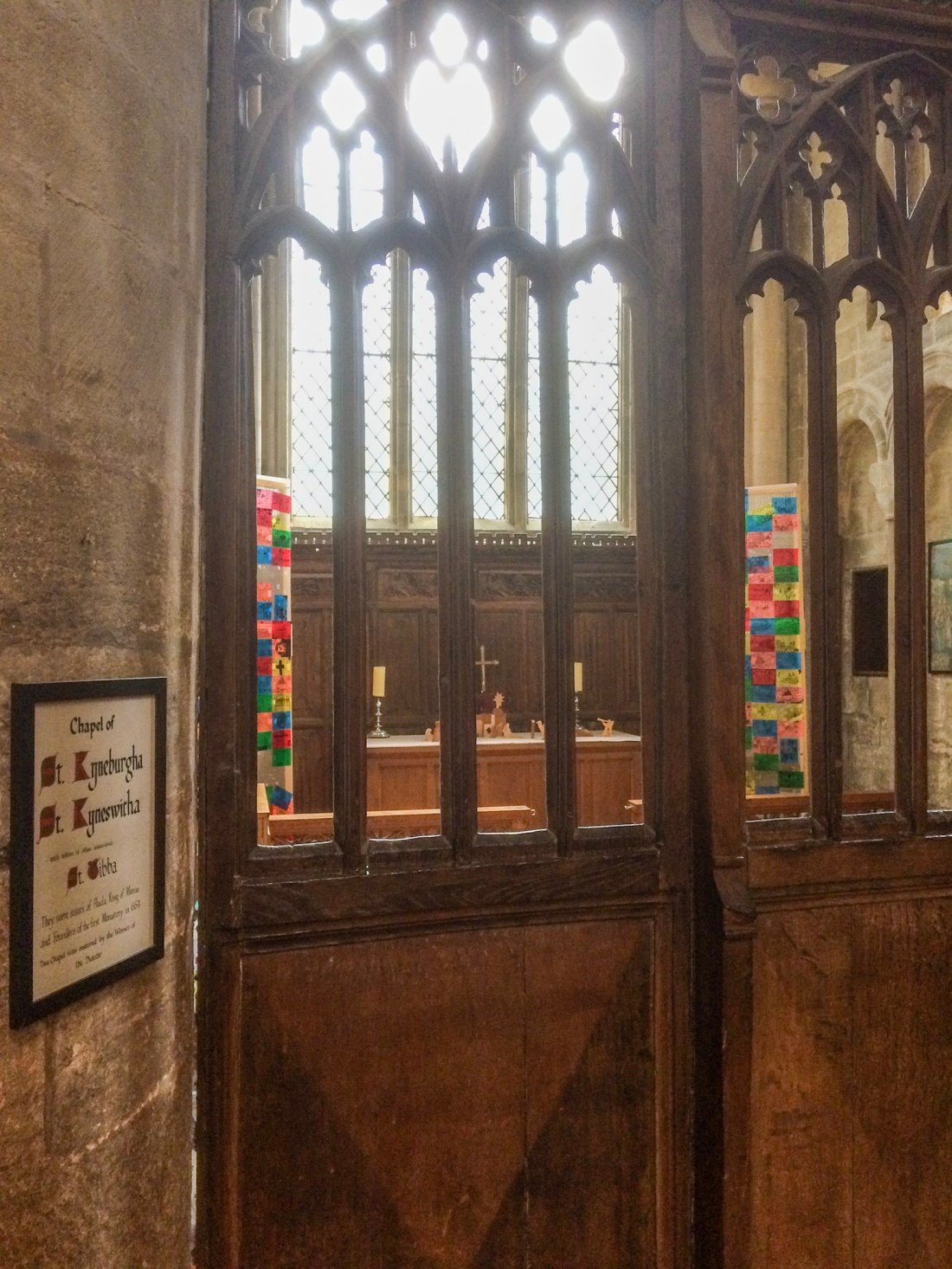
Most interestingly, there is a shrine to three old English (Anglo-Saxon) saints, Kyneburgha, Kyneswitha (spelling varies) and Tibba, unusual but fascinating names of a largely forgotten era.
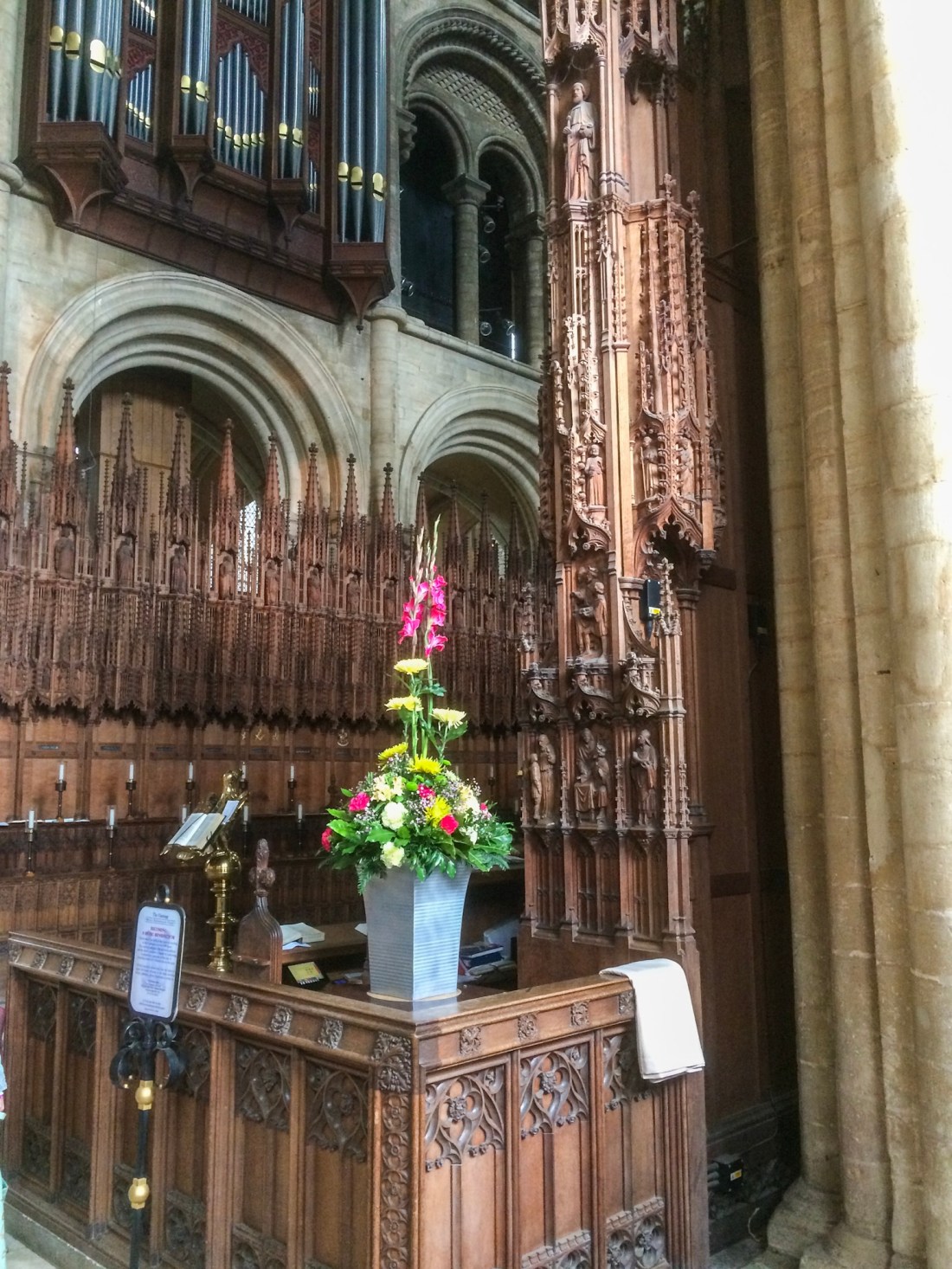
The spacious choir has some wonderful wood carving.
words and photographs copyright Francis Barker 2019










 Ciscography