England’s Heritage: Saint John the Baptist Parish Church, Peterborough

IMG_1871

Of course, the city of Peterborough’s greatest glory is its amazing cathedral, but that subject deserves a full article of its own.

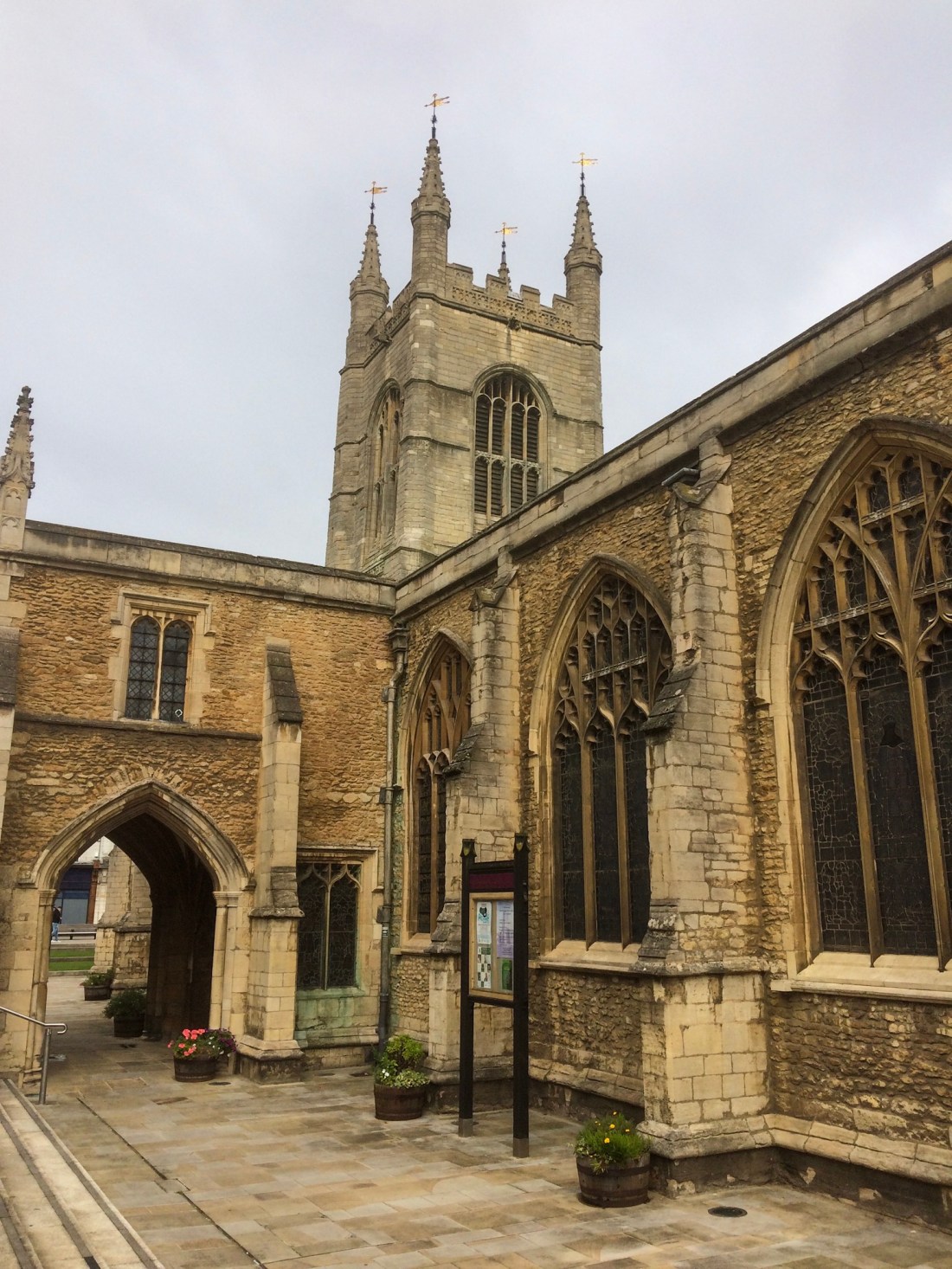
One of the overlooked features of Peterborough, a growing city in the east of England, is the Parish church of Saint John the Baptist around the cathedral square.

Consecrated in 1409 during the reign of Henry IV, its close proximity to the cathedral and the modern shopping mall attraction of Queensgate, probably detracts large numbers of visitors. However, it is well worth a visit, and as is quite usual in England’s medieval heritage buildings, there are often some wonderful ‘hidden’ gems.
IMG_1873

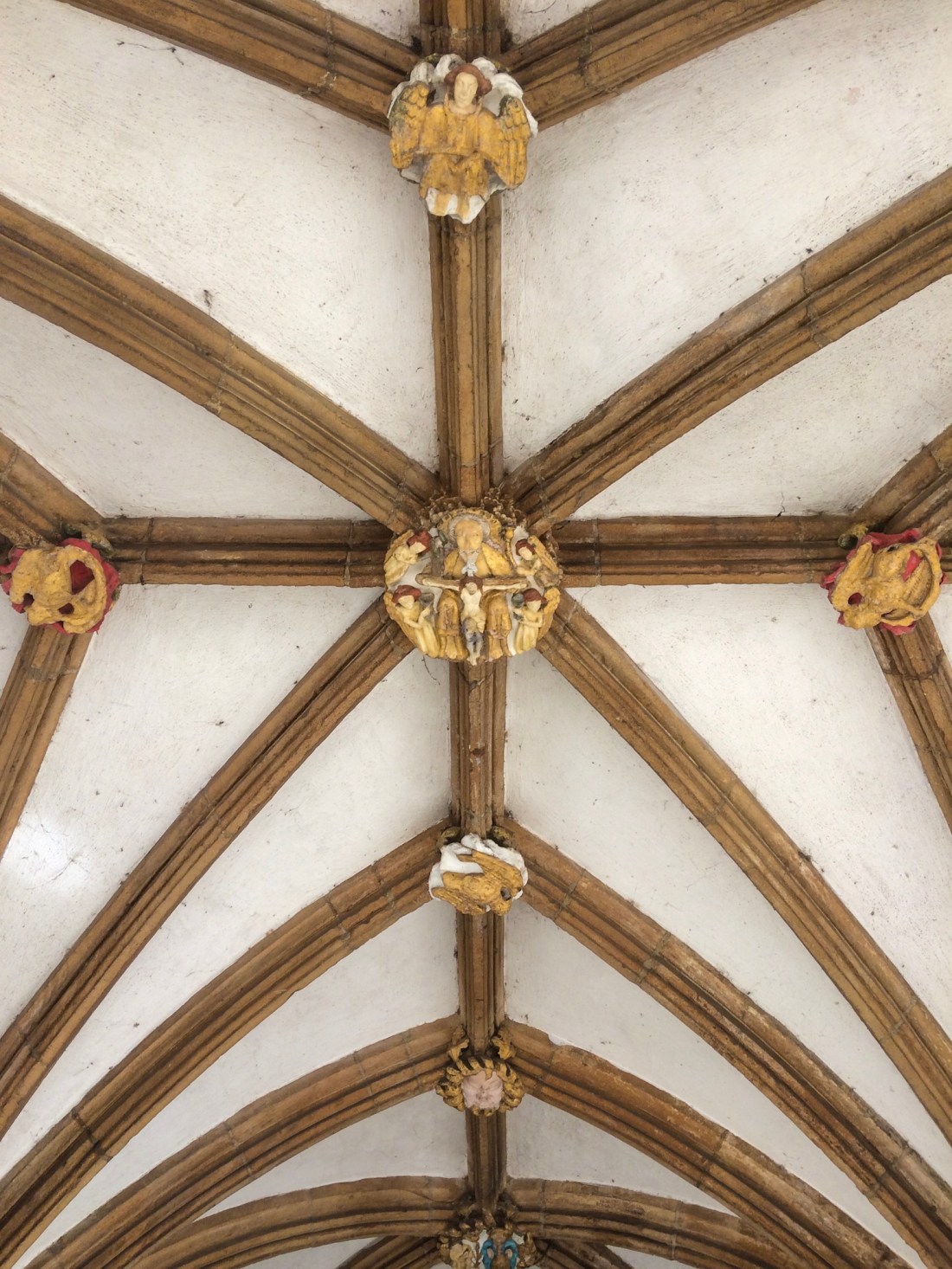
The south porch entrance is most interesting, particularly the roof in the above photograph.

IMG_1874

IMG_1876

The nave is very large and light with a rood screen.

IMG_1880

There is also a wonderful reredos.

IMG_1882

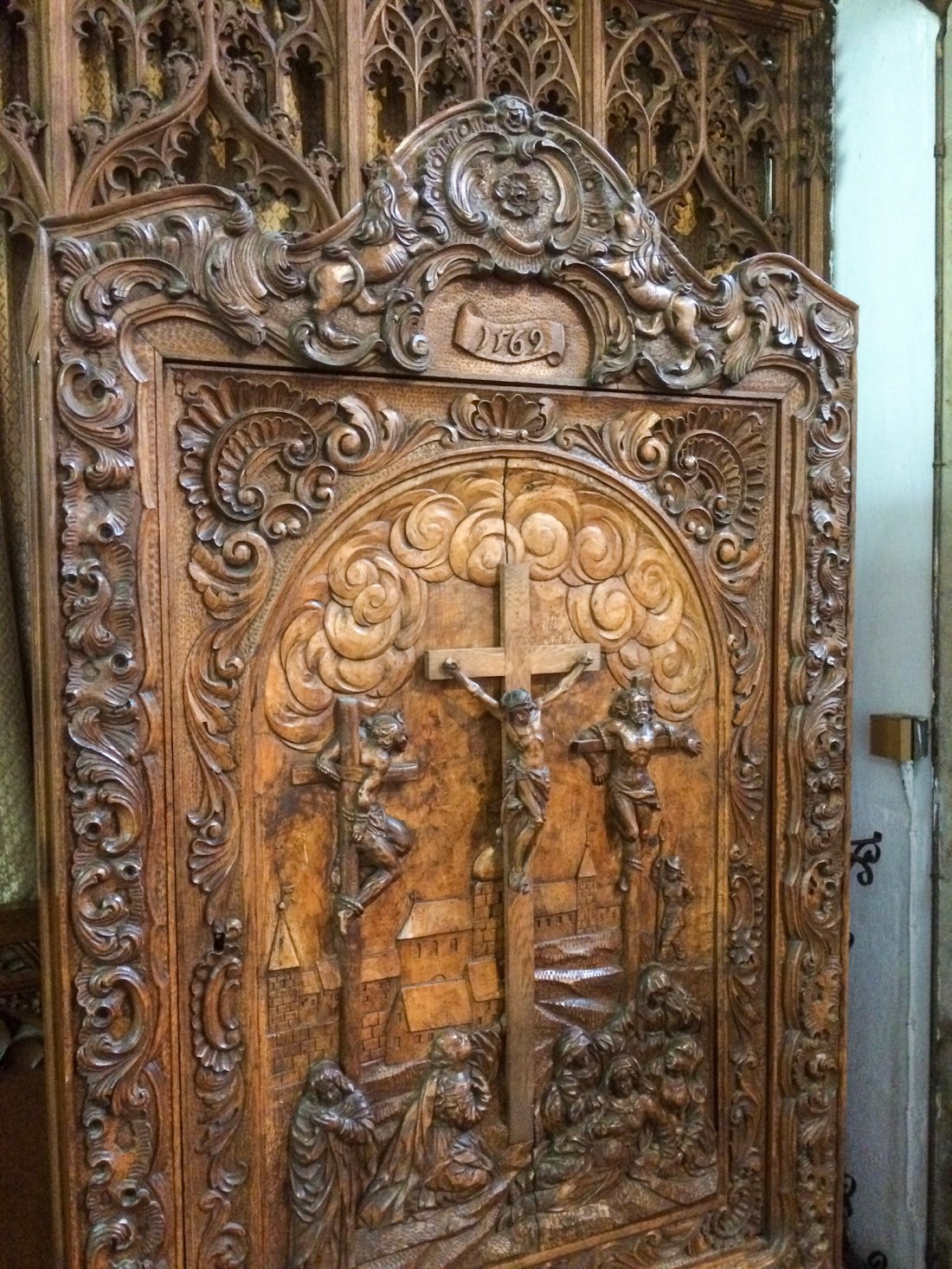
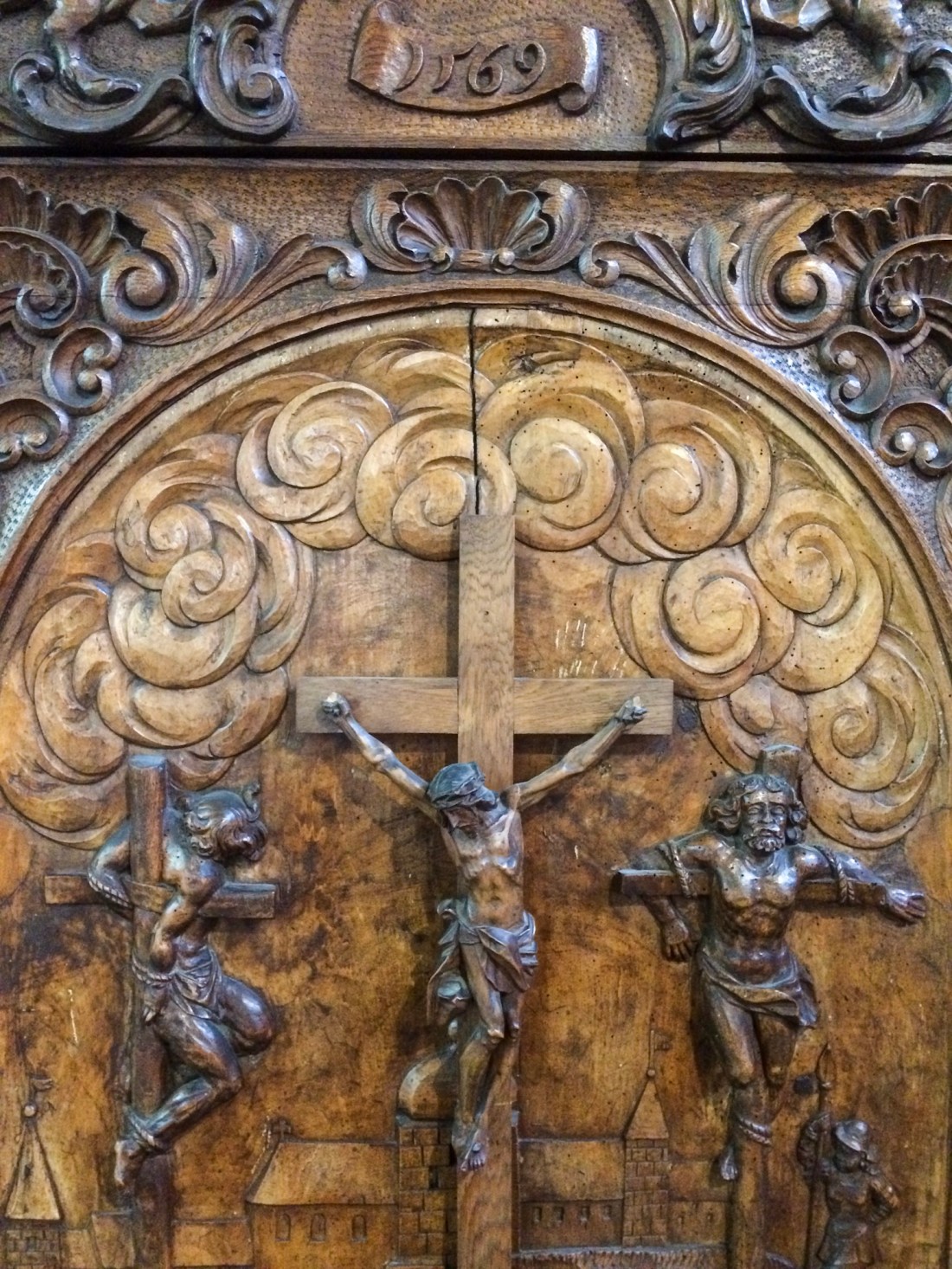
One of the most interesting features is this probable vestments cupboard, dated 1569, a wonderful piece of woodcarving, which I would think is limewood, similar in style to the plethora of such art produced in Germany during the same period.

IMG_1883

The pulpit too had some intricate woodcarving, probably oak by the look of it, although I did not find a date on it, but I would assume it is later than the earlier piece.

IMG_1885

There are even a couple of examples of medieval embroidery by the door.

words and photographs copyright Francis Barker 2019
Arthur Storer – First known American astronomer, ‘discoverer’ of what became known as Halley’s Comet

IMG_1859
Photo by Francis Barker

We recently visited the small market town of Grantham in Lincolnshire in the east of England and found out something new and interesting.

Among the notable people associated with Grantham are Sir Isaac Newton, who was born nearby and former British Prime Minister, Margaret Thatcher, who was raised in the town in her father’s shop.

Astronomer and Mathematician

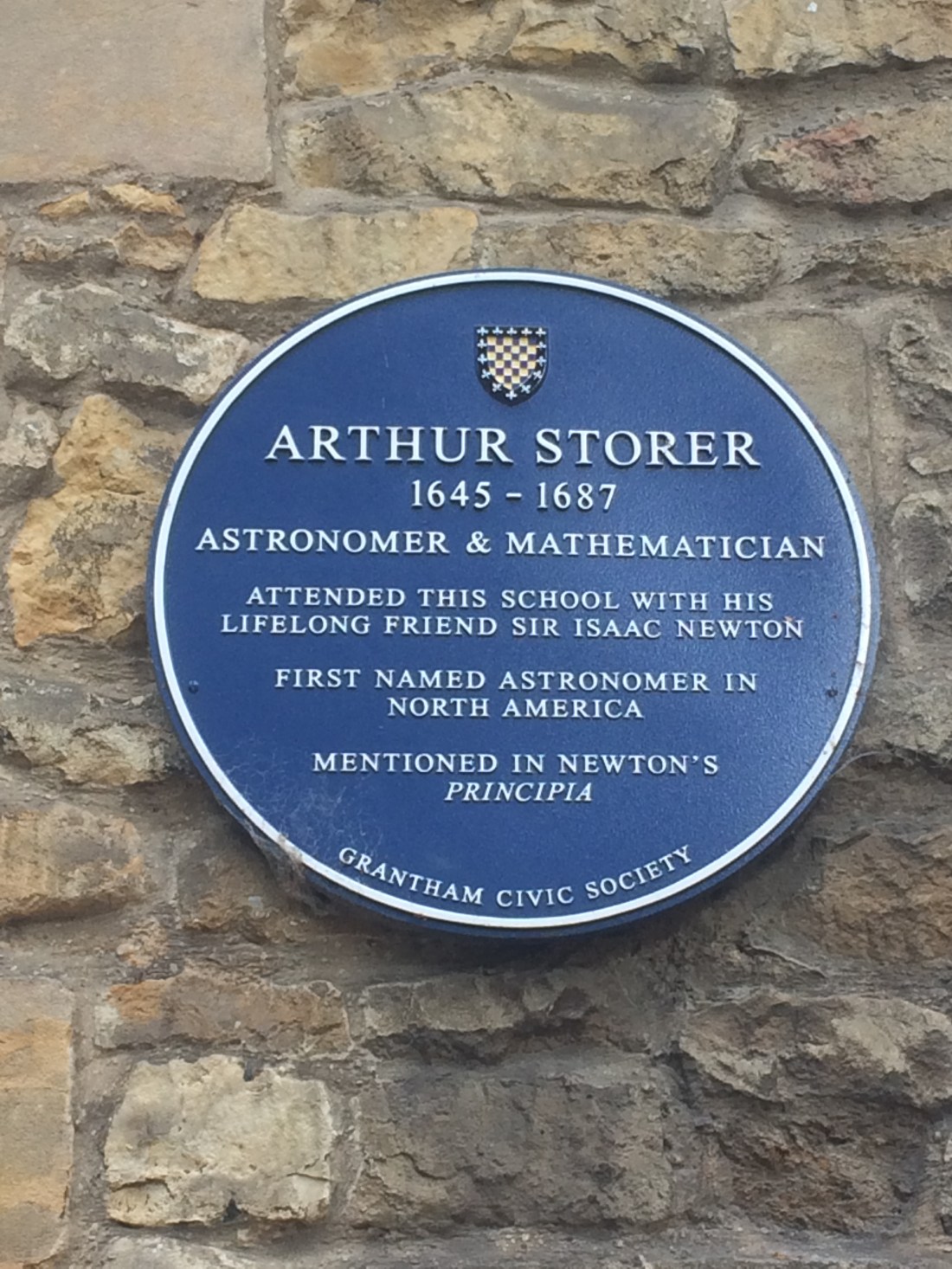
Walking through the town and by the wonderful church, we came across the old school building, upon which is a notice, bearing the name of Arthur Storer, identifying him as an astronomer and mathematician. I have to confess, up to that point, I had never heard of him.

It turns out that he knew Isaac Newton and probably had a fight with him when they were boys. However, the two later became friends and scientific associates, Newton recognising Storer’s contribution in his most famous work Philosophiæ Naturalis Principia Mathematica. 

Fine Reputation

What I did not know was that Storer effectively became the first known astronomer in America and he developed a reputation for accuracy which outlived him.

Storer seems to have initially trained to be an apothecary, the profession of his step father, William Clarke of Grantham. However, it would appear that his real interests lay in the science of astronomy.

Journeys to Maryland

He would later travel to Maryland in North America, to observe all astronomical phenomena there. Later he would make a second trip to Maryland to do more astronomical work, sending his calculations to Isaac Newton.

A consequence of this work was that one comet he observed, in 1682, would later turn out to be Halley’s Comet, named after Edmund Halley who became the first to forecast its next appearance.

Sadly, Storer did not live to be an old man, dying in early 1687. He is buried in Maryland.

copyright Francis Barker 2019
Beautiful Medieval Wall Art, Castor Church, near Peterborough, England

DSC_0021 (1).JPG

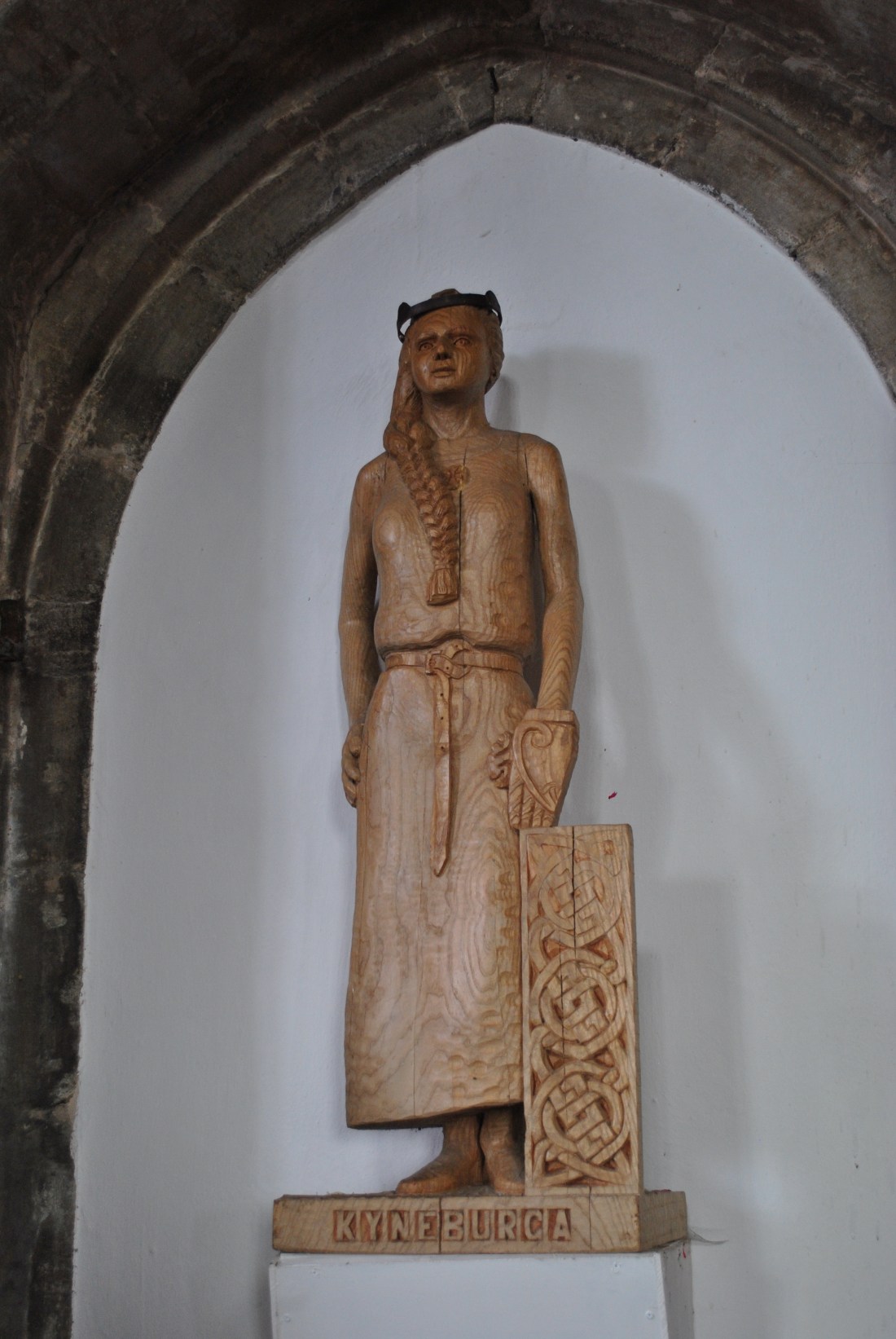
We recently visited the beautiful church of Saint Kyneburgha, near Peterborough in the English midlands.

The church stands beautifully on a hill, on the site of an old Roman settlement and palace.

In fact, the name of Castor is derived directly from the Roman/Latin name for a fort or castle. This village is situated near to an important Roman settlement called Durobrivae, or Water Newton in Egnlish, just a few miles west of present day city of Peterborough.

DSC_0032 (2)

The church is noted for its surviving medieval wall art. Before the Reformation in the 16th century, all churches had such wall art, which was then whitewashed over. More recently, as in this example above, some of these illustrations have been revealed during restoration.

DSC_0041 (1)

DSC_0029

DSC_0036 (1)

Castor church’s appellation is Saint Kyneburgha, who was the daughter of King Penda of Mercia, the last pagan king of that English kingdom in the midlands.

copyright Francis Barker 2019

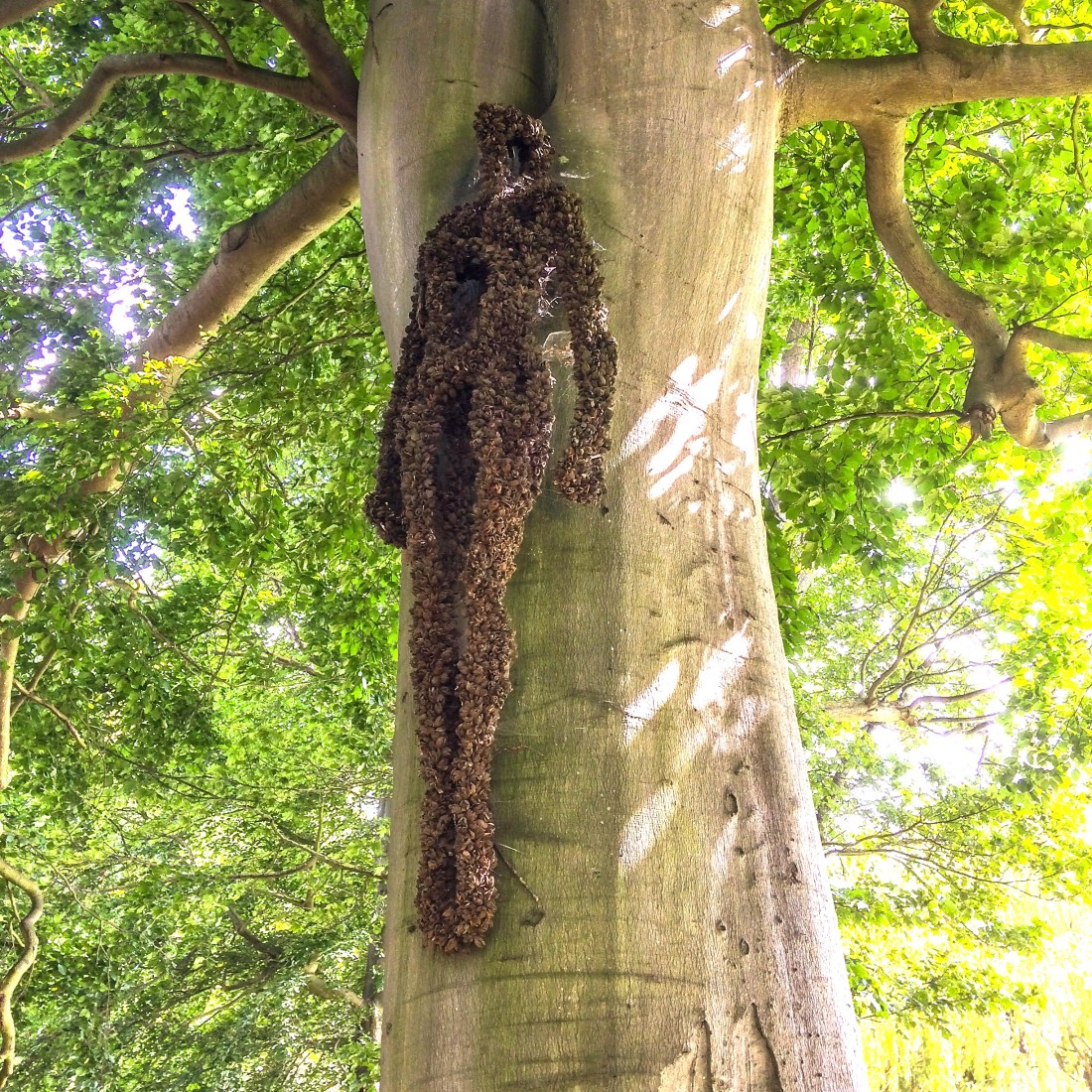
Photographs: Burghley House Sculpture Garden, Lincolnshire, England.

IMG_1615 - Edited

IMG_1613 - Edited

IMG_1617 - Edited

IMG_1609 - Edited

IMG_1607

IMG_1610

IMG_1605

copyright Leofwine Tanner 2019

Rolls Royce Enthusiasts Club Annual Rally and Concours, Burghley House, Lincolnshire

IMG_1599

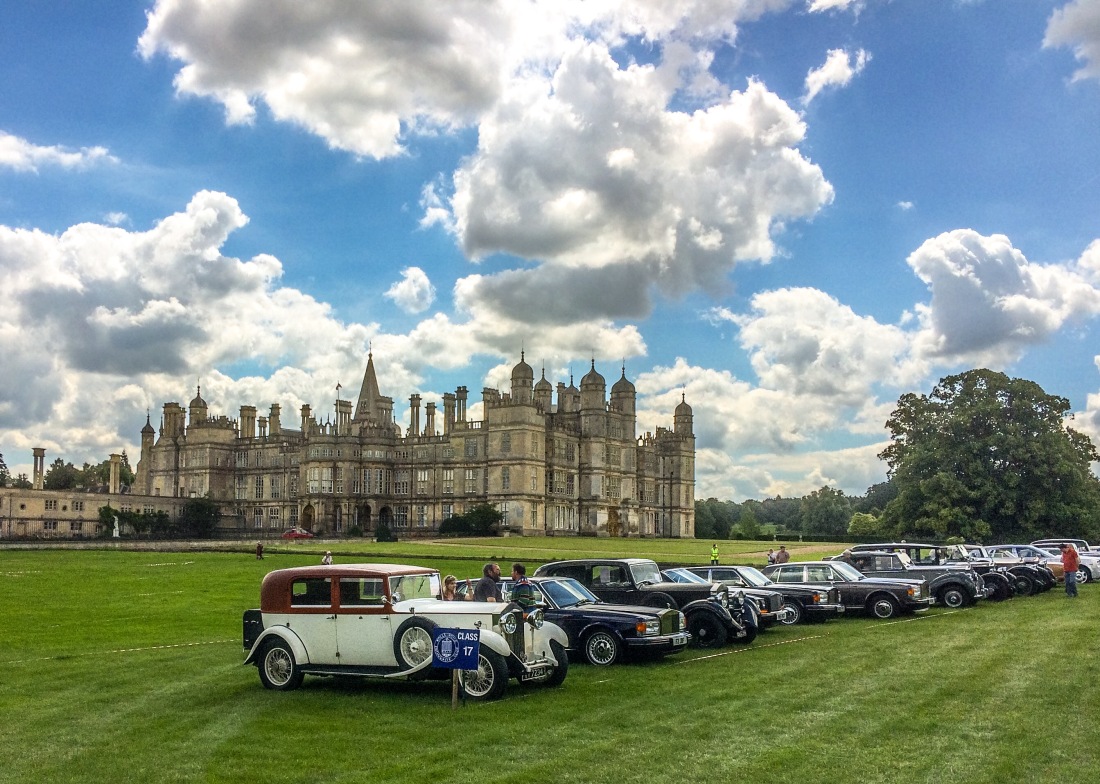
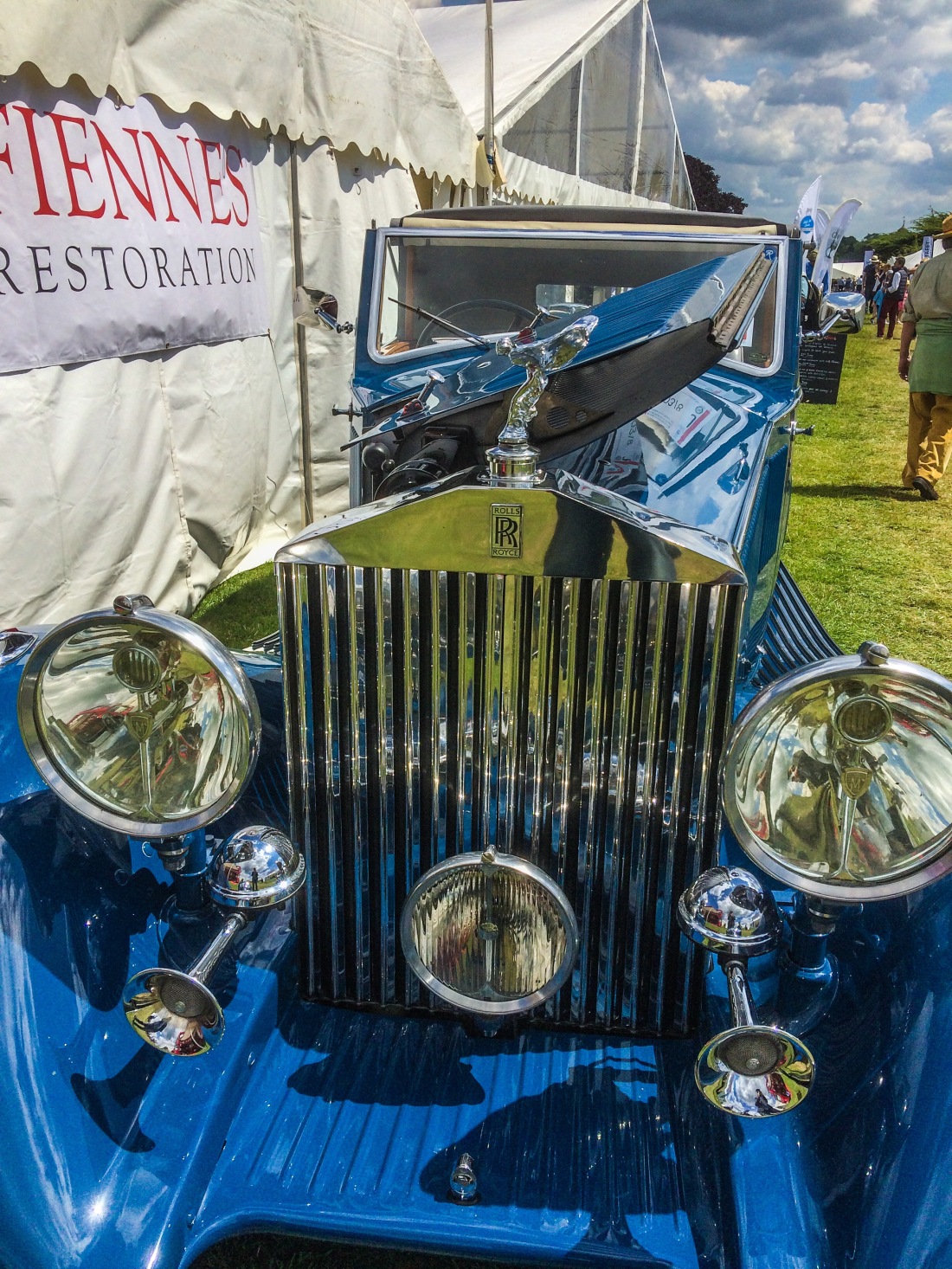
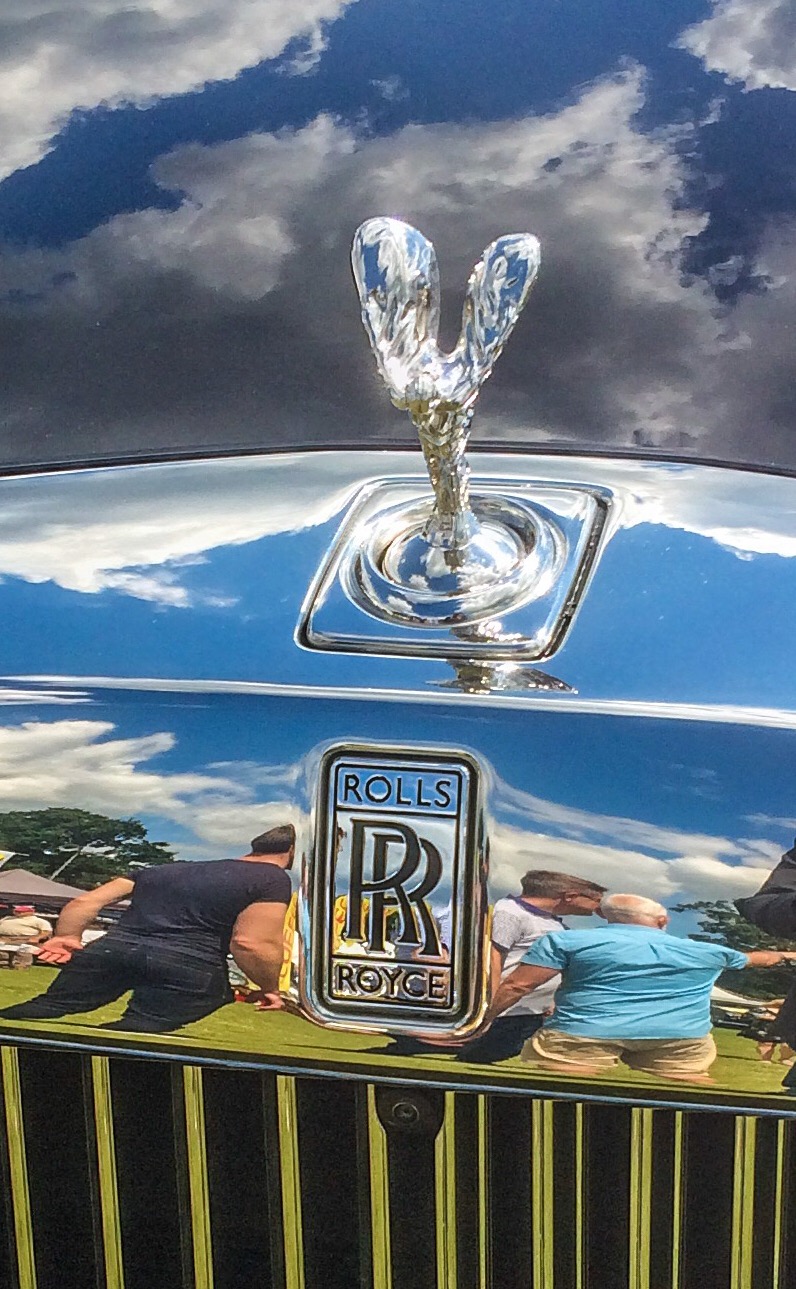
The largest gathering of Rolls Royce and Bentley vehicles in the world took place recently at the beautiful and historic Burghley House and gardens, Lincolnshire, in the English midlands.


IMG_1603This event spans a weekend, with various stands including trade stands and an auction of cars.

There is also judging and a parade of the prize winning cars

IMG_1602

copyright Leofwine Tanner 2019