A Lost World: Crowland Abbey, England. Part 1

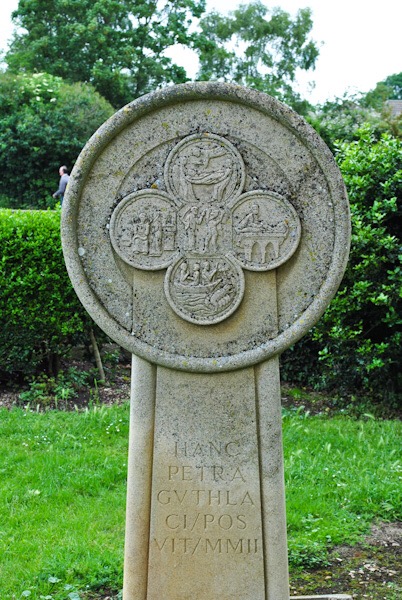
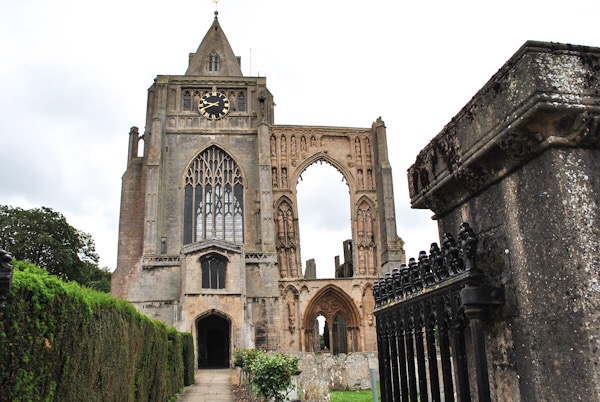
Crowland Abbey lies in the heart of the English fenland region, in the south of Lincolnshire.
3FE3A60B-E265-4DF1-A9F9-4497AE9A76C2

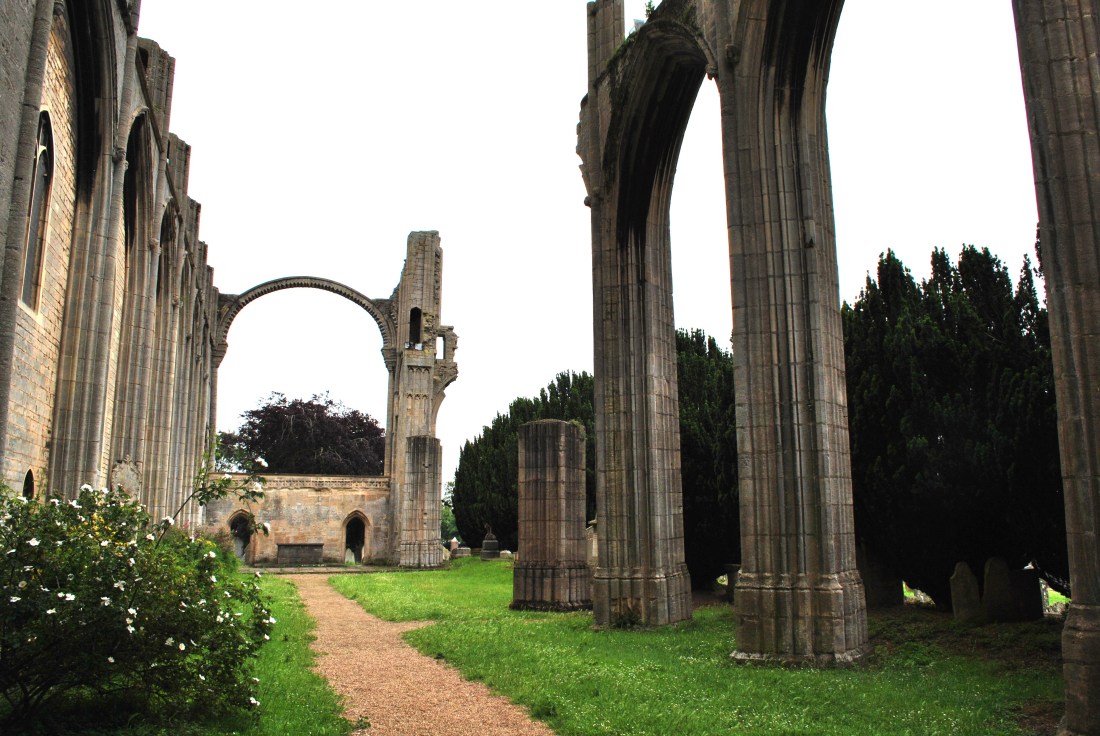
The abbey was one of the more prominent victims of Henry VIII’s and Thomas Cromwell’s Dissolution of Monasteries, an action which made England’s monarch immensely rich.
5CB4F891-17CC-4DB8-A048-26A9C25062A6

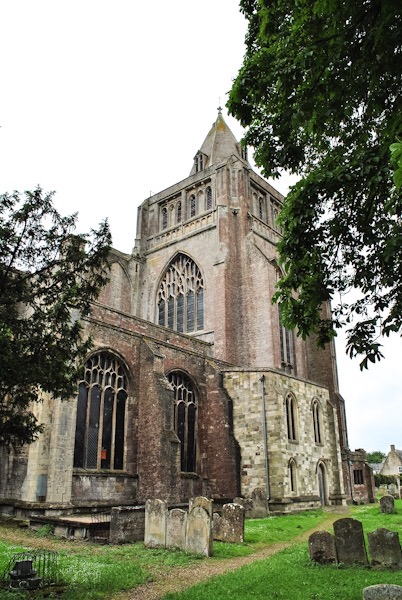
The present church has been created by adapting what was once the north aisle of the abbey.
DSC_0008 (2) - Edited

Saint Guthlac was the founder of the abbey in the middle of the so-called Dark Ages. The land all around this area of the Anglian kingdom of Mercia was flood prone, quite isolated, yet with plenty of scope for fishing and fowling, making a perfect location for a monastic centre.
57385DE8-74FF-4E01-8F4F-75DD04B46FED

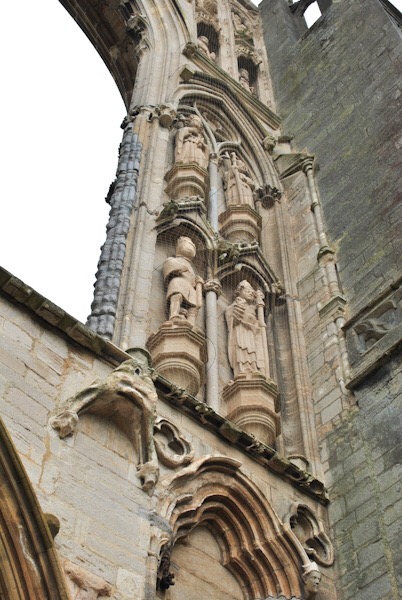
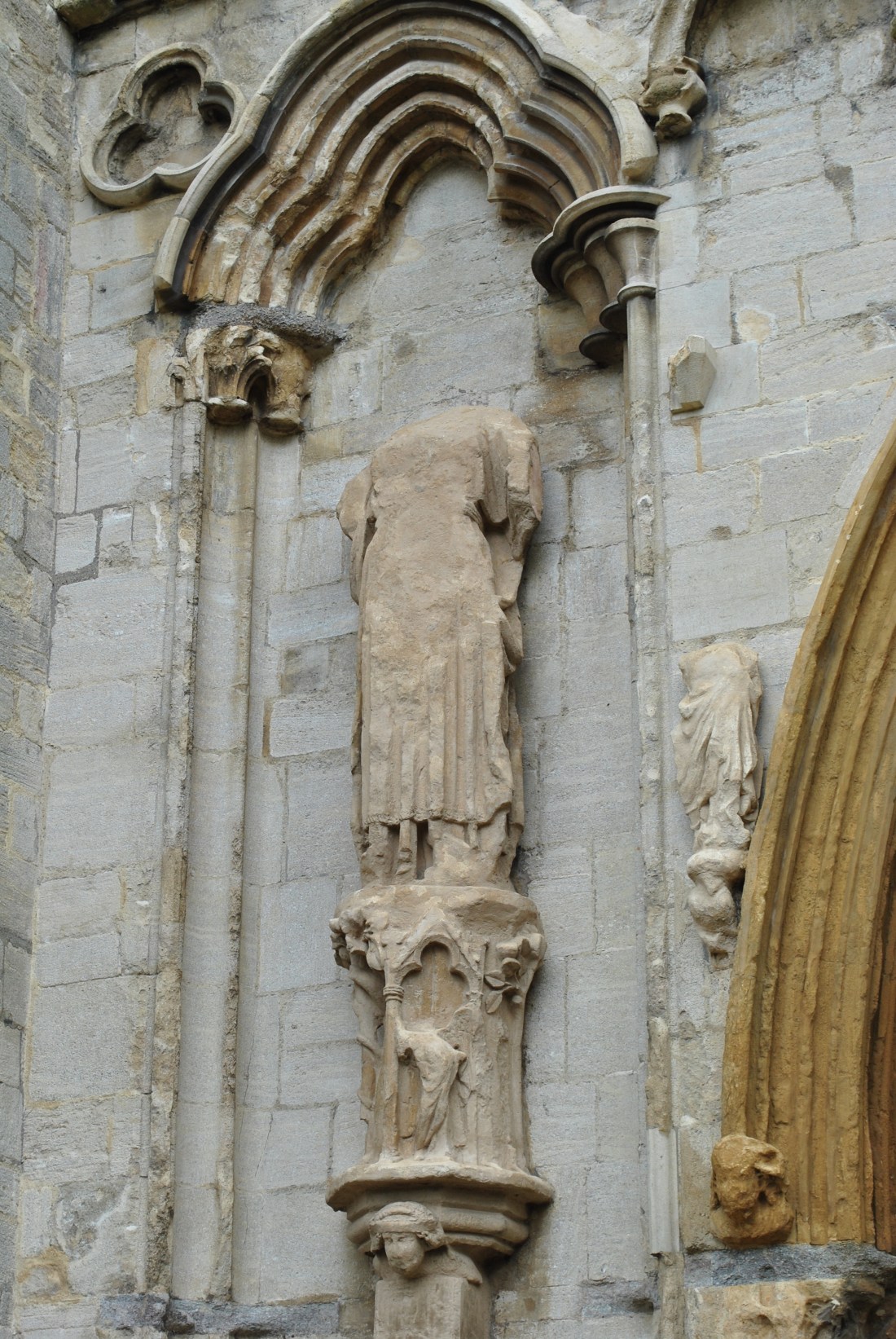
What was not taken down or pillaged following the dissolution, was further violated by Oliver Cromwell and his forces in the 1640s during the so-called English Civil War.
DSC_0006 (1)

E4ED0BDC-FC9B-4339-9037-2AF0D6C1750A52184C2A-633D-4CF9-B6E5-63E052DC16AC

Since then, the graves of the succeeding generations have filled the spaces around the ruins.
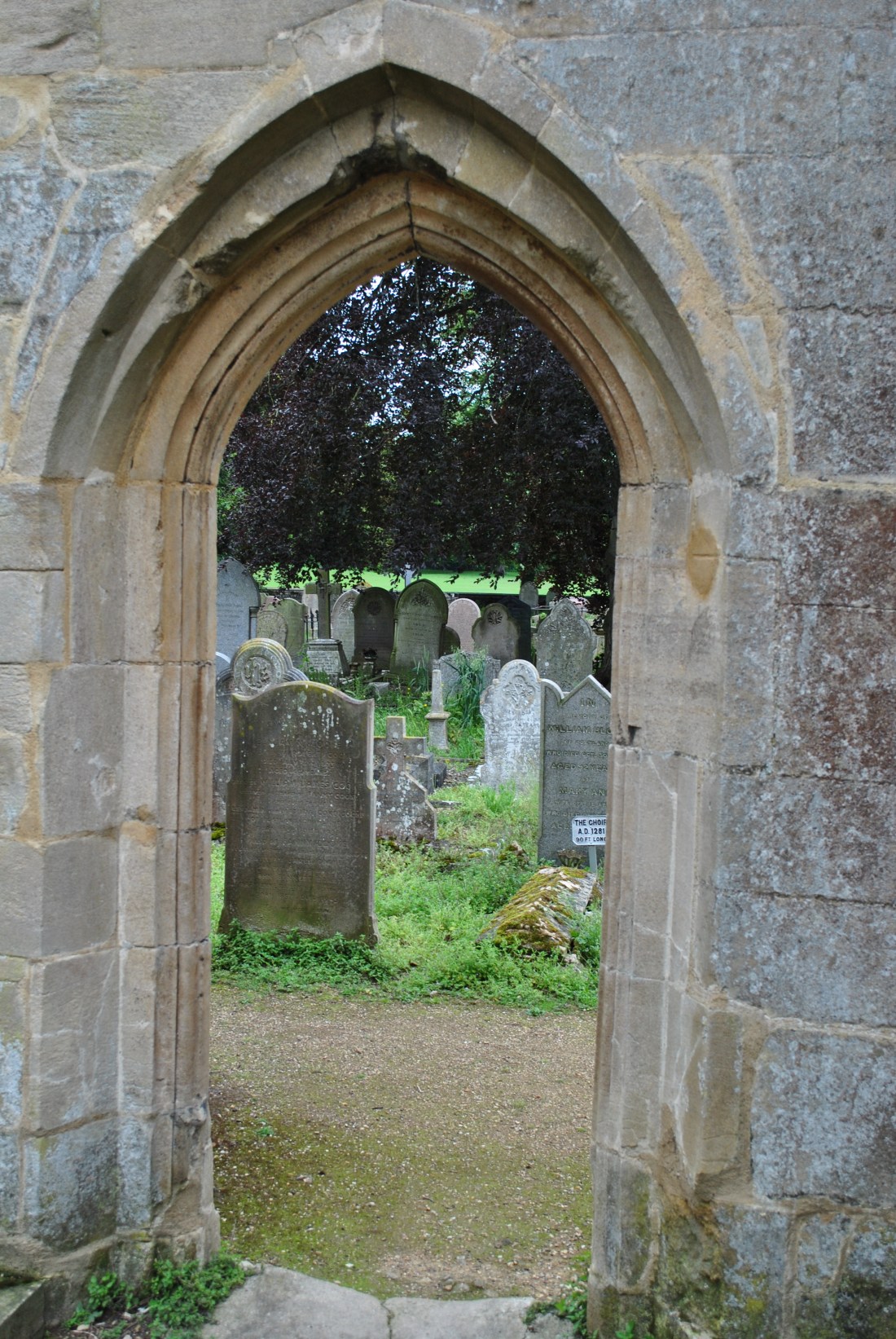
DSC_0011

copyright Leofwine Tanner 2019

Bardney Church, Lincolnshire – A Celebration in Pictures, Part 2

DSC_0045 - Edited

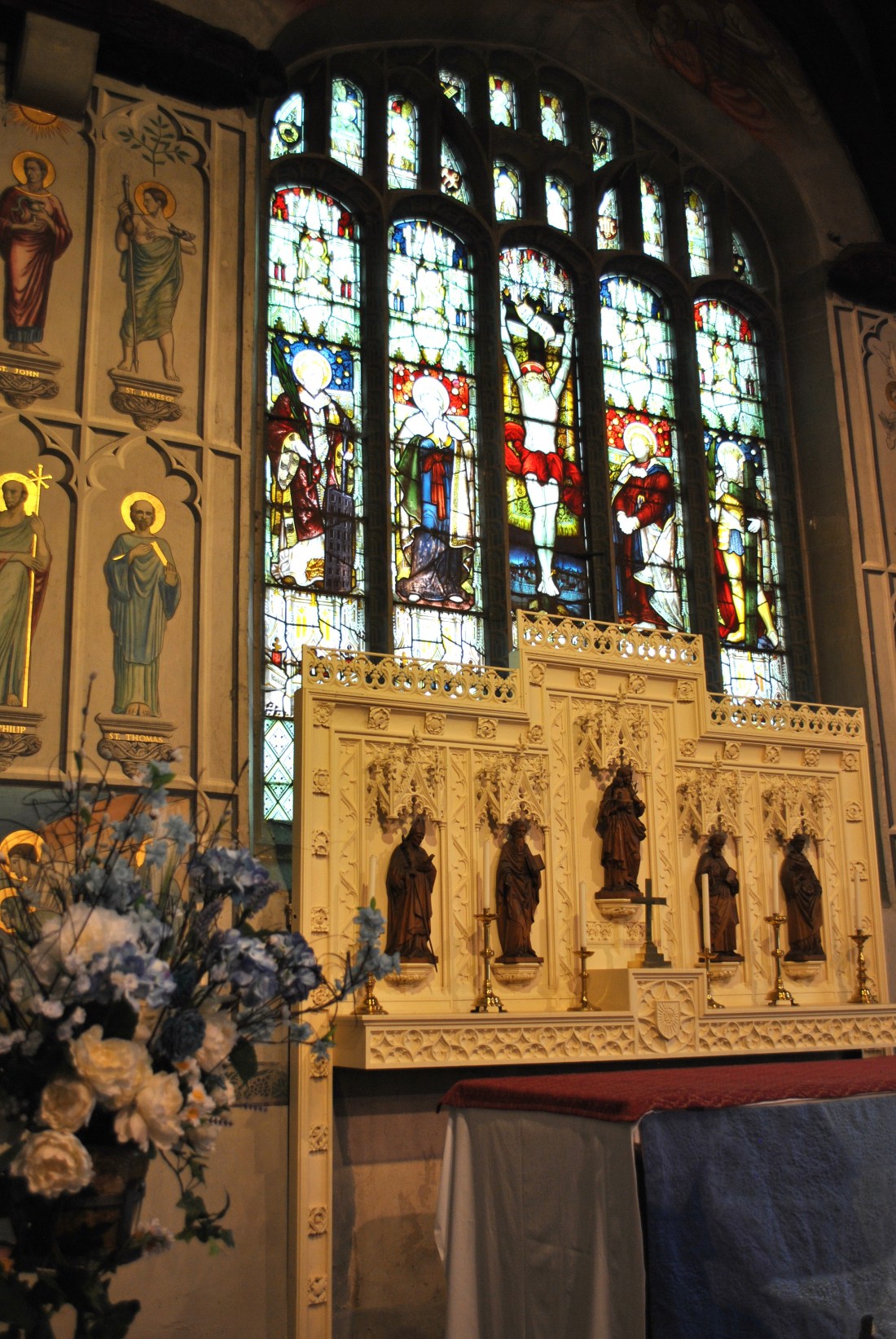
Inside the church there are echoes of Bardney’s former glory as the place of an important monastery. This whole region of Lincolnshire was at one time littered with abbeys, priories and nunneries.

DSC_0048 - Edited

DSC_0049.JPG

copyright Leofwine Tanner 2019

Remarkable English Church, Stainfield, Lincolnshire, Part 2

DSC_0040

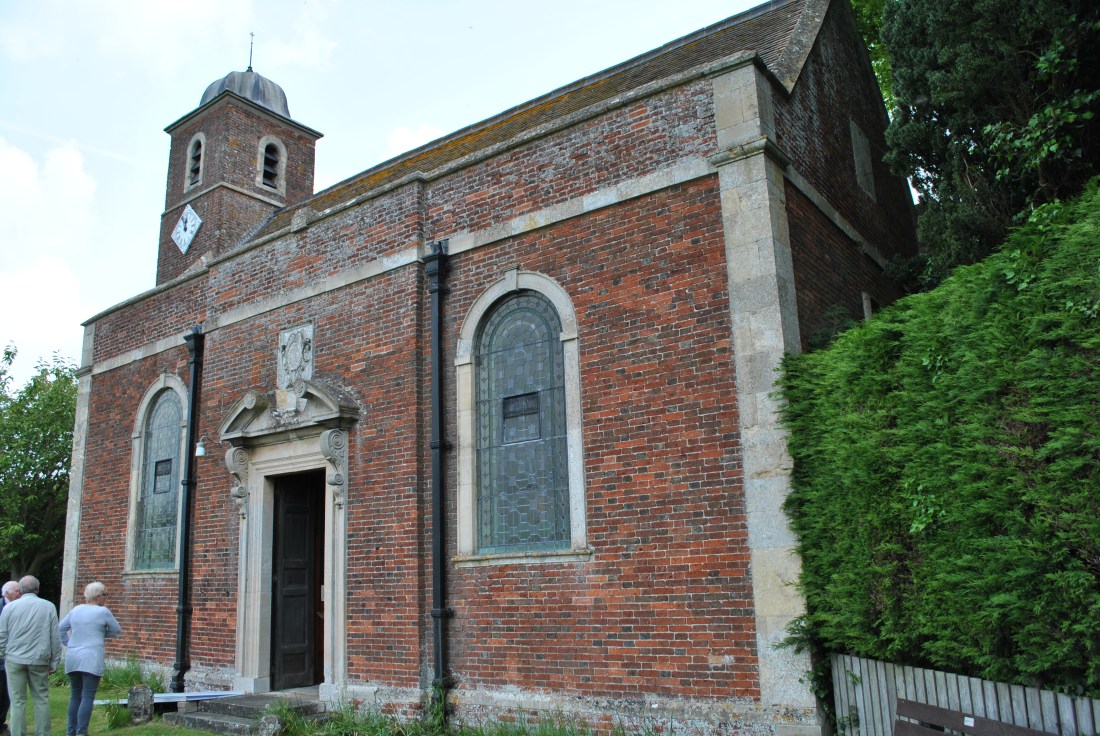
Saint Andrew’s church in Stainfield is remarkable. It’s thought that Christopher Wren designed the building following a visit.

The church has been open since 1711 and is still a regular place of worship, though the burial ground these days is at nearby Apley.

This area of Lincolnshire is notable for its rich ecclesiastical history, particularly in regard to monasteries, the abbeys and priories that were finally dissolved by Henry VIII between 1536 and 1540.

Inheritance

There was a priory here dedicated to Saint Mary until that time, though not much detail of its history survives. The priory remains have not been excavated, though part of it is said to form part of the wall of the present church.

At the time of its dissolution, the priory was given over to the Tyrwhitt family, in whose hands it remained until about seventy years ago.

A most remarkable inheritance from that long period are The Tyrwhitt Tapestries, actually cross stitch embroidery work. Today they hang along the north wall of the church.

DSC_0032 - Edited

The tapestries were originally made for the opening of the church in 1711 and consist of five religious pieces, including the Ten Commandments and the Lord’s Prayer.

The Ten Commandments piece was re-stitched some time in the late 19th century, and much rather difficult preservation work has been carried out on them since.

DSC_0033 - Edited

History of the Church: The Lost World of Monasteries

priorygate2

Monasteries, the Abbey or Priory of the medieval world of England, are an enduring interest of mine, although I don’t claim to be an expert on ecclesiastical or architectural matters.

Many years ago, I did a series of watercolour reconstructions of one priory, how it may have looked at its height (see above).

To think that these places, which became so criticised and demonised, especially in the reign of Tudor King Henry VIII, were the centres of education not only of the monks and nuns who lived there, but were also enriching the local communities, providing jobs, education, lodging, medical care too.

To have these dissolved, stripped bare and taken down, the monks or nuns dismissed at the behest of ‘Good King Henry’ and Thomas Cromwell – well, it must have been truly catastrophic for the communities that were left without them. That doesn’t quite seem to come across in most of the accepted history of what we call The Reformation.

There are always at least two sides to any story.

Poem ‘Bede’

Bede

It wasn’t at Jarrow where I sensed you
but on Bamburgh’s raging shore,
among the seaweed and razor shells
on gull peppered sands,
its castle brooding behind me
like a huge chiseled tomb.

North waves were scrambling,
spilling memories of guttural voices
disguised in flushing sound;
cries of songs, harps and old tales lost,
fragments I could almost hear
when I turned my head into the wind.

And who was the black figure
bent against the breeze,
absorbing sharp light
on that blinding beach?
I struggled through the dunes,
the little islands of sparse grass
and pygmy flowers —
but you were gone,
extant only in memory,
my boundless imagination,
and in your books
which carry me through centuries
on a primal wave,
each time I read your words

Poem and image © copyright df barker 2012