A Lost World: Crowland Abbey, England. Part 1

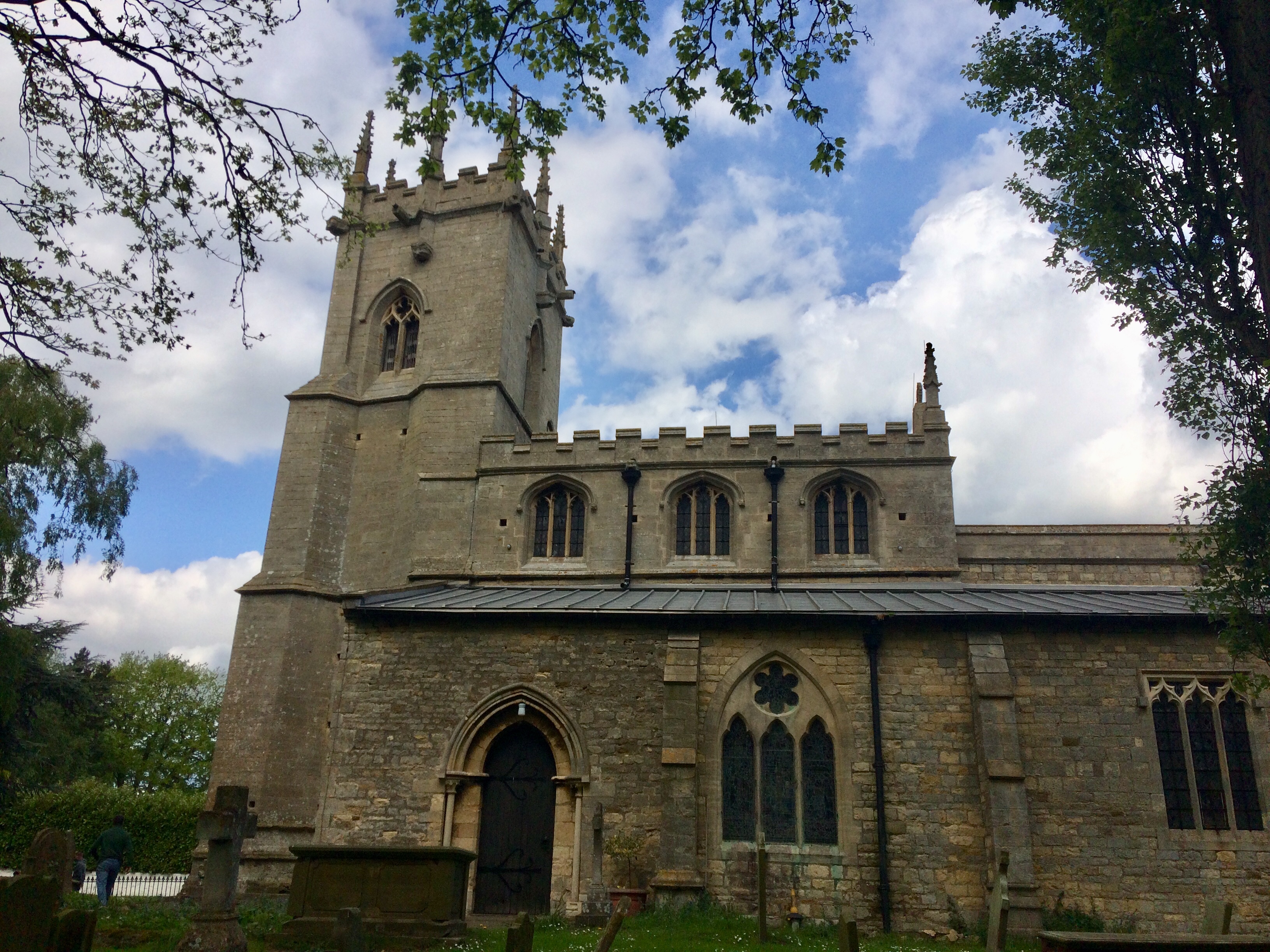
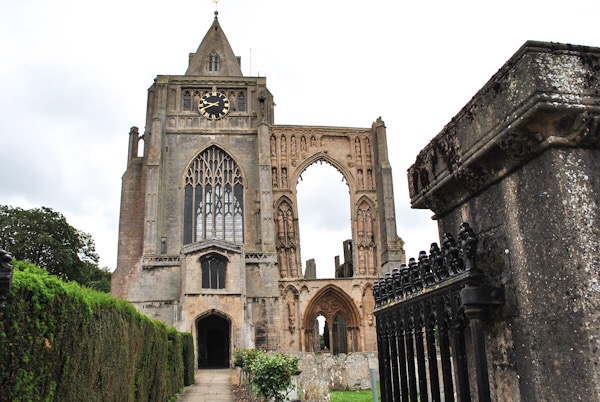
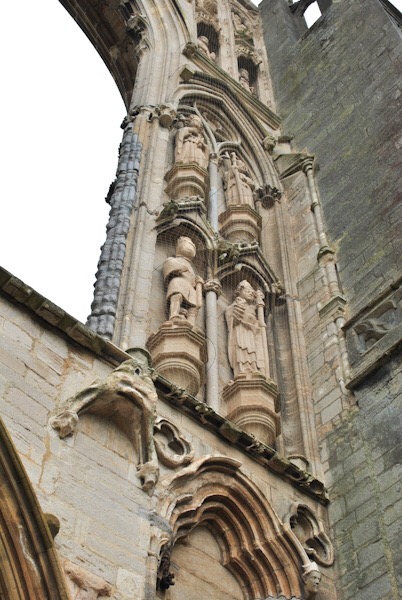
Crowland Abbey lies in the heart of the English fenland region, in the south of Lincolnshire.
3FE3A60B-E265-4DF1-A9F9-4497AE9A76C2

The abbey was one of the more prominent victims of Henry VIII’s and Thomas Cromwell’s Dissolution of Monasteries, an action which made England’s monarch immensely rich.
5CB4F891-17CC-4DB8-A048-26A9C25062A6

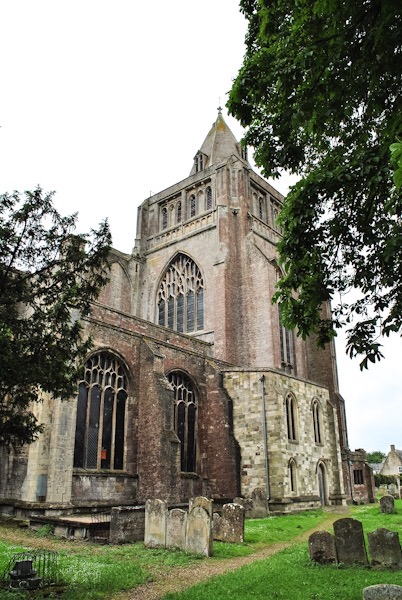
The present church has been created by adapting what was once the north aisle of the abbey.
DSC_0008 (2) - Edited

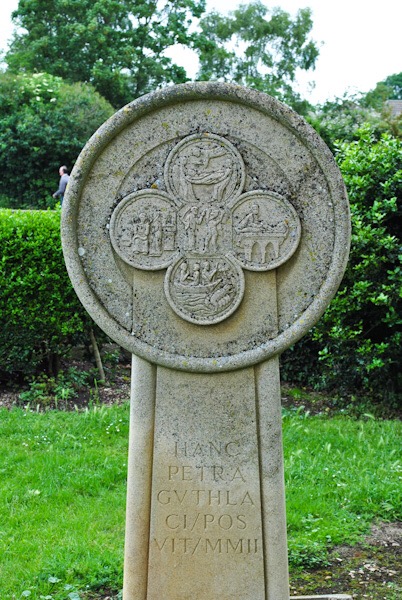
Saint Guthlac was the founder of the abbey in the middle of the so-called Dark Ages. The land all around this area of the Anglian kingdom of Mercia was flood prone, quite isolated, yet with plenty of scope for fishing and fowling, making a perfect location for a monastic centre.
57385DE8-74FF-4E01-8F4F-75DD04B46FED

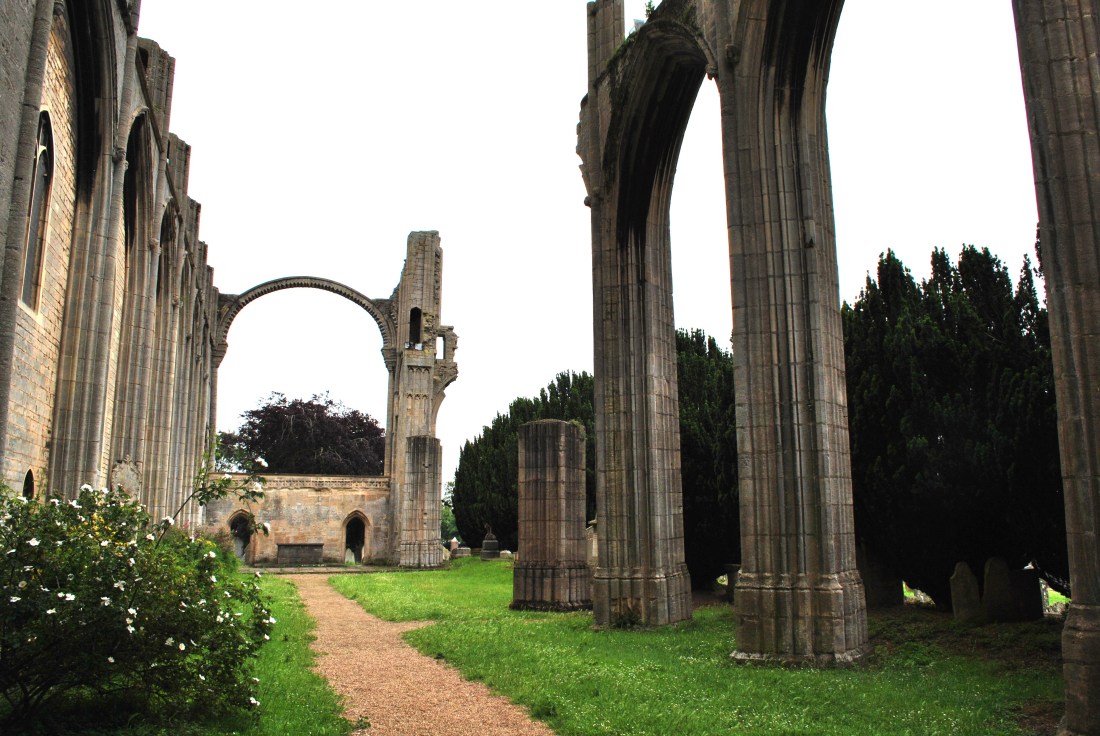
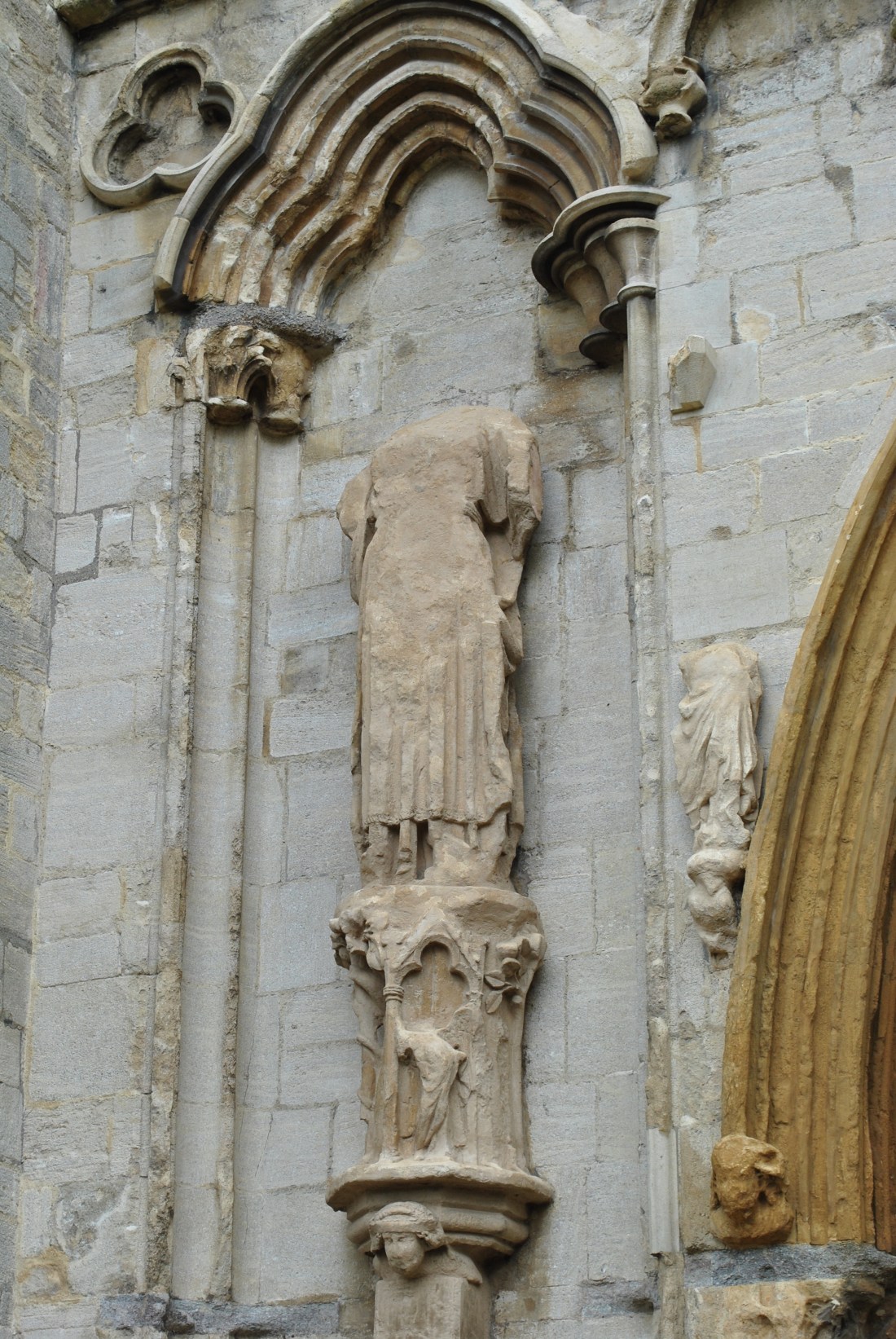
What was not taken down or pillaged following the dissolution, was further violated by Oliver Cromwell and his forces in the 1640s during the so-called English Civil War.
DSC_0006 (1)

E4ED0BDC-FC9B-4339-9037-2AF0D6C1750A52184C2A-633D-4CF9-B6E5-63E052DC16AC

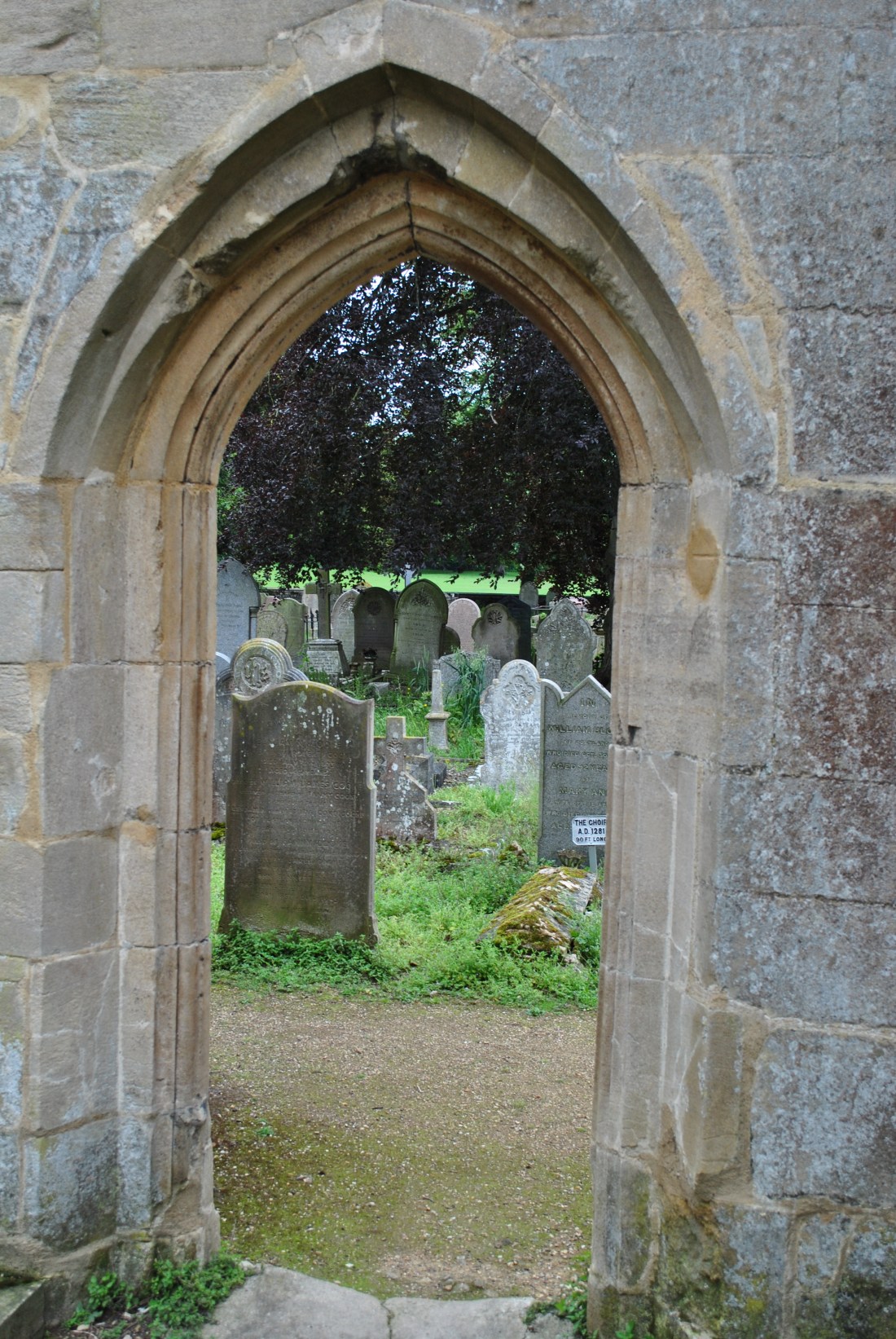
Since then, the graves of the succeeding generations have filled the spaces around the ruins.
DSC_0011

copyright Leofwine Tanner 2019

Celebrating Lincolnshire Churches Heritage: Wragby

Every May, West Lindsey in north Lincolnshire has two open weekends to encourage visitors, with displays, old books for sale, exhibitions and lots of tea and cake.

The photographs here are of Wragby church, dedicated to All Saints.

DSC_0004 - Edited.jpg
Wragby church of All Saints, built in Victorian times. The bell tower contains 15th century bells.

The church was built in Victorian times and has some fine stained glass windows.

DSC_0006 - Edited

DSC_0010 - Edited

DSC_0009 - Edited
A very old looking font.
DSC_0005 (1) - Edited
Glorious stained glass windows.

Leofwine Tanner 2019
Celebrate Lincolnshire Churches – Cherry Willingham

PHOTO-2019-05-11-16-39-17
Cherry Willingham Church of St. Peter and St. Paul.

One of the most fascinating churches we visited during the West Lindsey Churches Festival this May, was at Cherry Willingham, dedicated to Saints Peter and Paul, a Grade 1 listed Georgian building.

Sitting at the highest point of the village, there are steep steps to the entrance. Suddenly you are confronted by a terrific example of Georgian architecture. From the west door entrance, you can see right through to a wonderful reredos resplendent behind the altar.

PHOTO-2019-05-11-16-39-18 (2)
The quality of light was wonderful.

Once more we were greeted by very pleasant local people, who filled us in with all the salient historical and current facts.

Home made cakes and refreshments were on offer and there was a display of the charities the church supports.

IMG_1315
Inside it was simply stunning.

Although quite small, what the building lacks in size it more than makes up for in style and detail.

It opened in 1753, its founder a certain Thomas Becke, who had bought an estate in the village. Inside there is a large marble monument to Mr Becke. The church is built with local Ancaster limestone, infused with fossils.

IMG_1317

Most pleasing about the design of this small church is the quality of the light afforded by the style of windows (although our photographs possibly don’t quite do that justice), aided certainly by it being a sunny spring day, yet these large windows would surely afford good natural lighting on any cloudy day.

10CBCEA2-198B-4072-BE45-95F755B52C15
The reredos.

The volunteers told us that at present there is no toilet in the church – though that particular facility is arriving very soon. In the meanwhile, the very kind and courteous vicar took us to her nearby house so that we could perform that particular function!

This typifies the whole spirit we felt within the church, that of community and care. Thank you Cherry Willingham.

IMG_1318

Leofwine Tanner 2019

Celebrating West Lindsey Churches: Fiskerton

IMG_1269
Fiskerton church, dedicated to St. Clement of Rome.

Every May in West Lindsey in northern Lincolnshire, there are nearly a hundred churches open to the public over two weekends.

Of course, you may say that churches are always open – and you would be right. What I mean is, this diverse array of architectural and cultural gems, have items such as exhibitions, old books, games and crafts on display and for sale, plus food and drink of course, the proceeds going to the upkeep of the churches. There will always be a warm welcome too.

Fiskerton’s name means enclosure or farm of fishermen, its name stemming from Anglo-Saxon times. The church is dedicated to St. Clement of Rome, a dedication I do not recall coming across too often, especially not in Lincolnshire.

Like many villages in this area of Lincolnshire, there are strong connections to the RAF, particularly in relation to World War 2.

PHOTO-2019-05-11-16-38-32 (2)

In fact there were remembrance books and links with RAF squadrons in the Lady Chapel, a testimony to the fact that Lincolnshire during World War 2 became essentially ‘Bomber County’, due to the preponderance of bomber squadrons.

Elsewhere in the church there are some notable features, including remaining Norman architecture.

PHOTO-2019-05-11-16-38-32 (3)

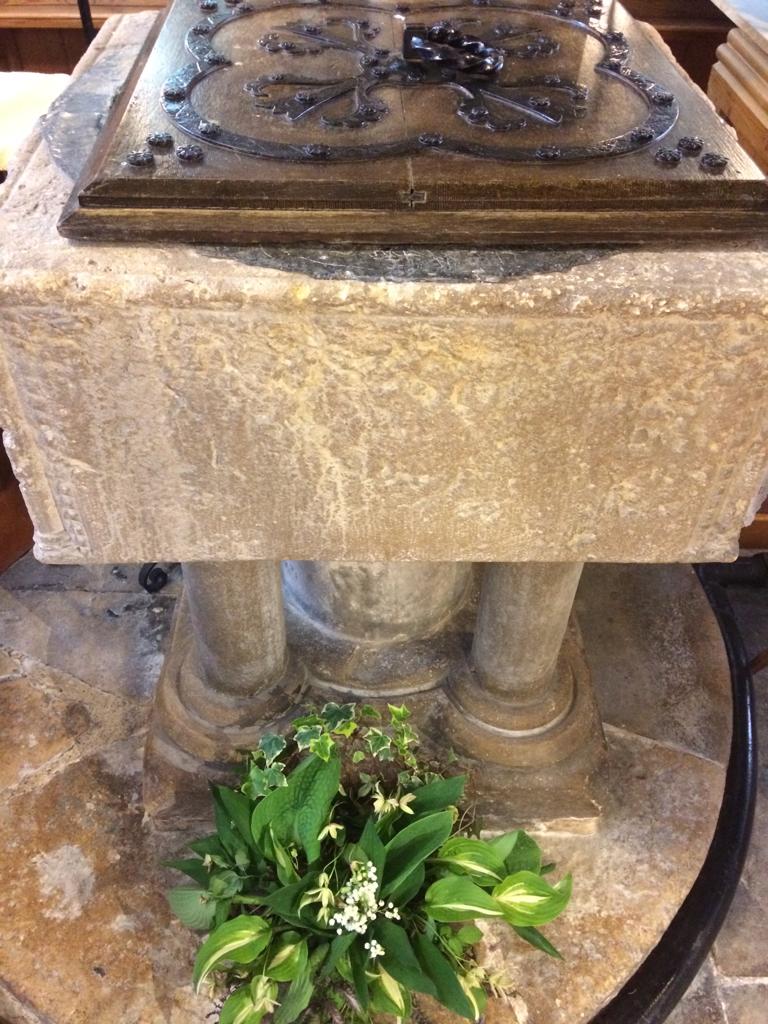
The font is especially interesting. Note the markings on the stone and the work on the ornate cover below:

PHOTO-2019-05-11-16-38-32
The font, which looks very old, bearing interesting markings.
PHOTO-2019-05-11-16-38-32 (1)
Painting of Madonna and Child, Fiskerton church.
PHOTO-2019-05-11-16-38-31
Stained glass windows at the east end were particularly beautiful.
IMG_1270
Looking east along the nave.

Once again, the most overriding memory of our visit to this lovely church was the friendliness of everyone, volunteers who seemingly can never do too much for you.

Thank you people of Fiskerton.

Haiku: Gatekeeper 1

IMG_1300

Gatekeeper unseen
fates are exposing, like Oz;
look, no hiding place


copyright Leofwine Tanner 2019