Ayscoughfee Hall in Spalding Lincolnshire is simply an architectural gem.
However, I don’t believe it’s known for sure how it got its name (it’s pronounced ‘Ascoffey’ folks).
Nevertheless, recent archaeology has discovered much that was once hidden; stairs, passageways, tiles… all of which are included in the comprehensive museum illustrating the history, not only of Spalding, but of the whole South Holland region and its wonderful agricultural heritage.
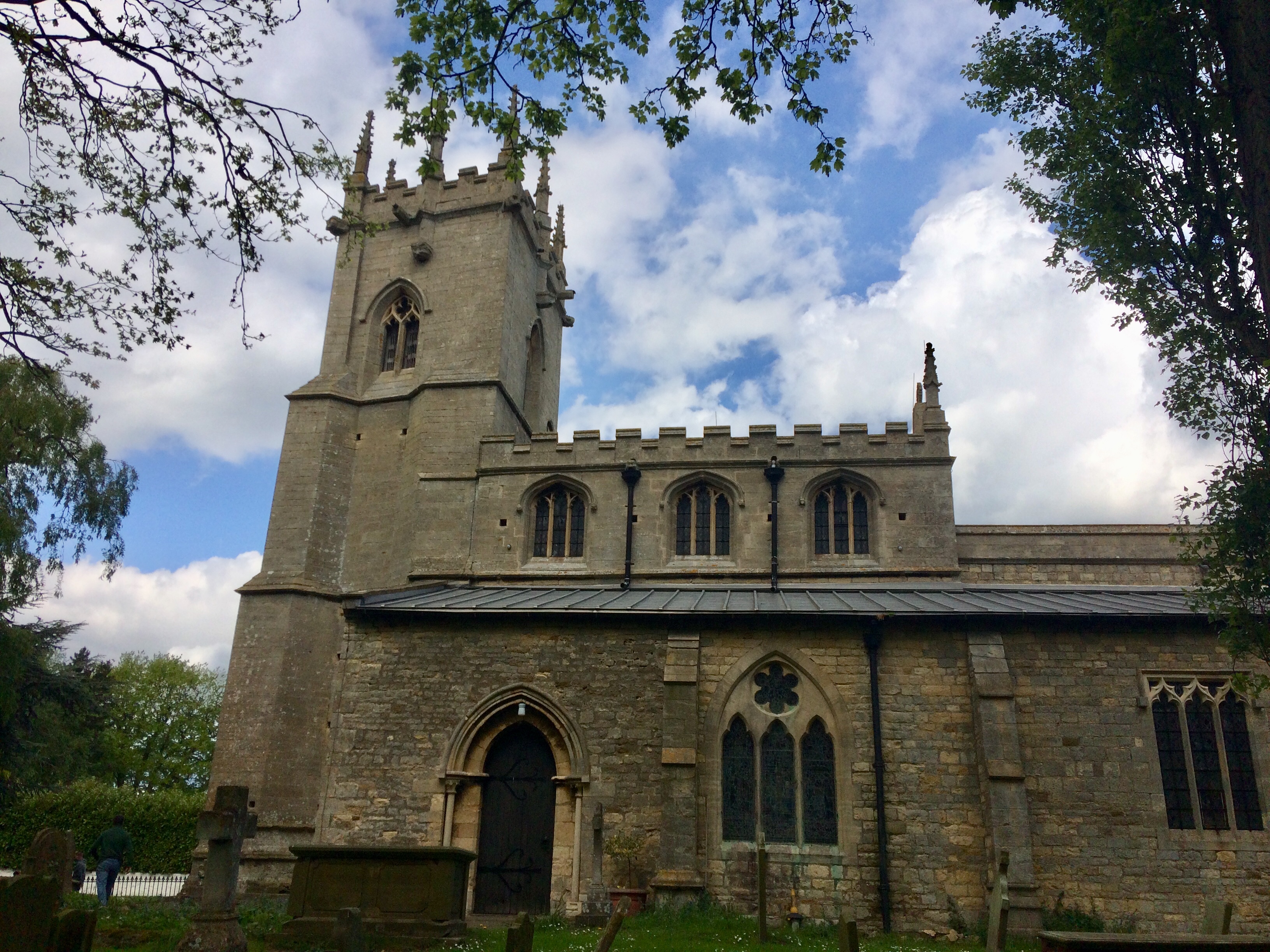
Fiskerton church, dedicated to St. Clement of Rome.
Every May in West Lindsey in northern Lincolnshire, there are nearly a hundred churches open to the public over two weekends.
Of course, you may say that churches are always open – and you would be right. What I mean is, this diverse array of architectural and cultural gems, have items such as exhibitions, old books, games and crafts on display and for sale, plus food and drink of course, the proceeds going to the upkeep of the churches. There will always be a warm welcome too.
Fiskerton’s name means enclosure or farm of fishermen, its name stemming from Anglo-Saxon times. The church is dedicated to St. Clement of Rome, a dedication I do not recall coming across too often, especially not in Lincolnshire.
Like many villages in this area of Lincolnshire, there are strong connections to the RAF, particularly in relation to World War 2.
In fact there were remembrance books and links with RAF squadrons in the Lady Chapel, a testimony to the fact that Lincolnshire during World War 2 became essentially ‘Bomber County’, due to the preponderance of bomber squadrons.
Elsewhere in the church there are some notable features, including remaining Norman architecture.
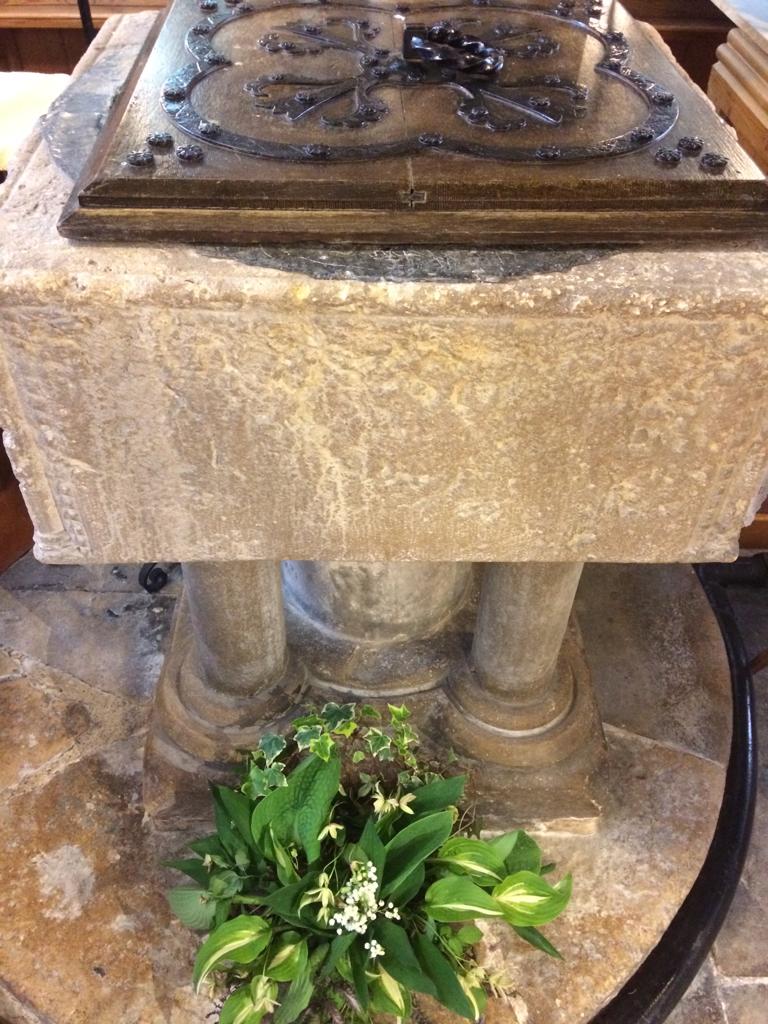
The font is especially interesting. Note the markings on the stone and the work on the ornate cover below:
The font, which looks very old, bearing interesting markings.Painting of Madonna and Child, Fiskerton church.Stained glass windows at the east end were particularly beautiful.Looking east along the nave.
Once again, the most overriding memory of our visit to this lovely church was the friendliness of everyone, volunteers who seemingly can never do too much for you.








 Ciscography