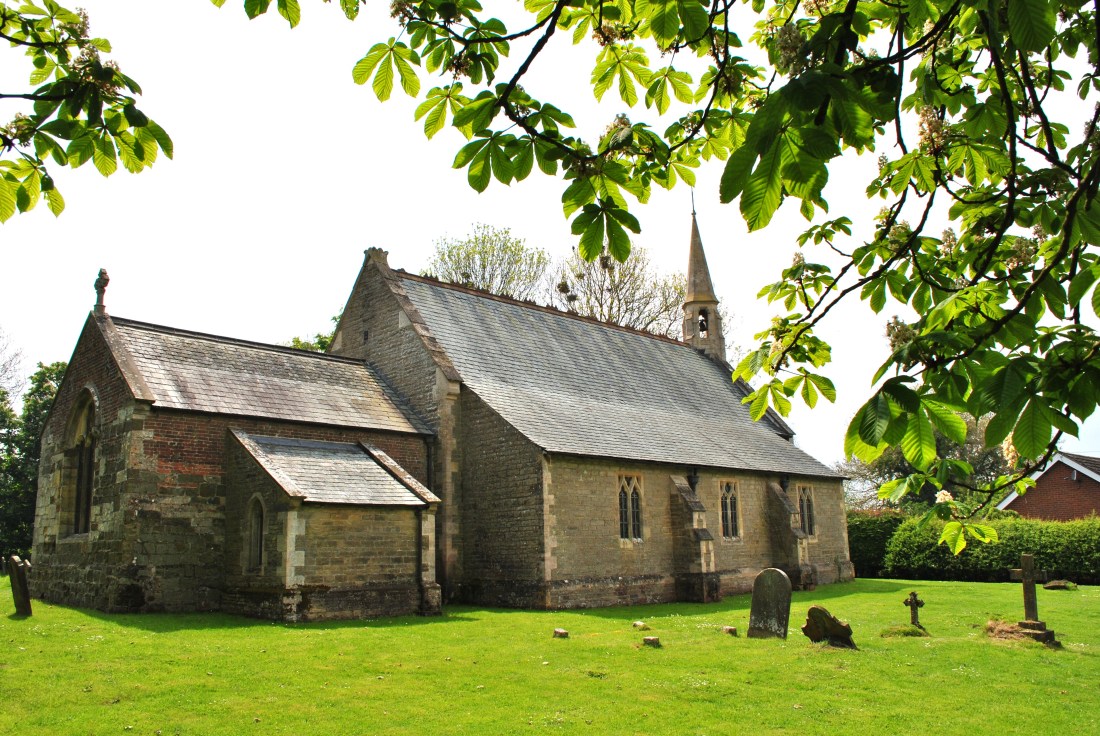
The church at Minting was rebuilt in 1863, though the chancel retains medieval work.


As with many places around this area of Lincolnshire, there are the remains of a former monastery; in this case a Benedictine priory.
copyright Leofwine Tanner 2019
The church at Minting was rebuilt in 1863, though the chancel retains medieval work.
As with many places around this area of Lincolnshire, there are the remains of a former monastery; in this case a Benedictine priory.
copyright Leofwine Tanner 2019

We recently visited the West Lindsey Churches Festival. One of the most interesting was Bardney’s Church of Saint Lawrence.
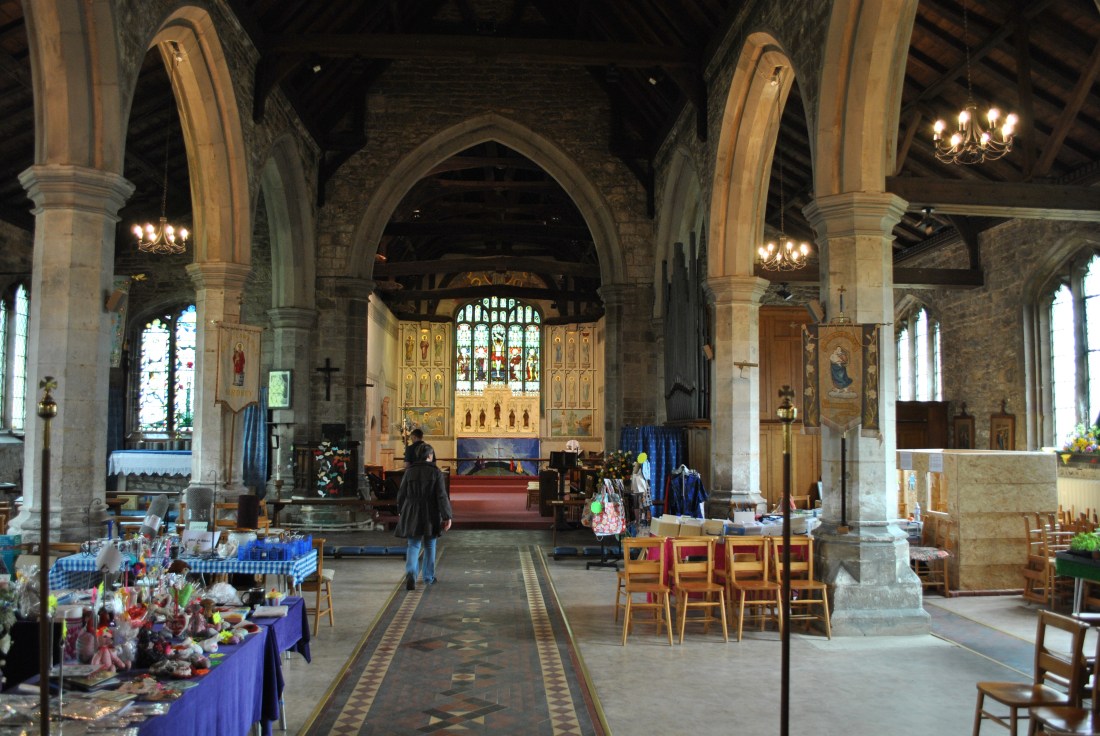
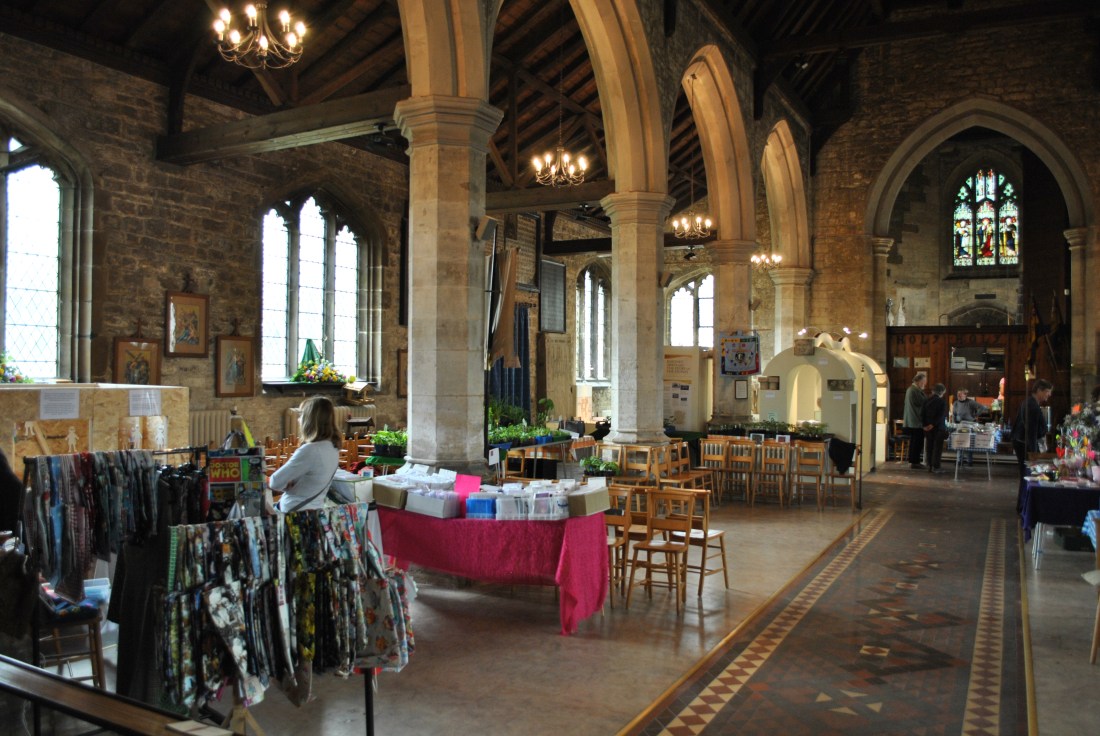
The church is impressive with a large nave, indicative of this settlement’s once important though now long dissolved abbey.

As in all the churches in West Lindsey, there were stalls with items for sale, as well as food and drink.
copyright Leofwine Tanner 2019
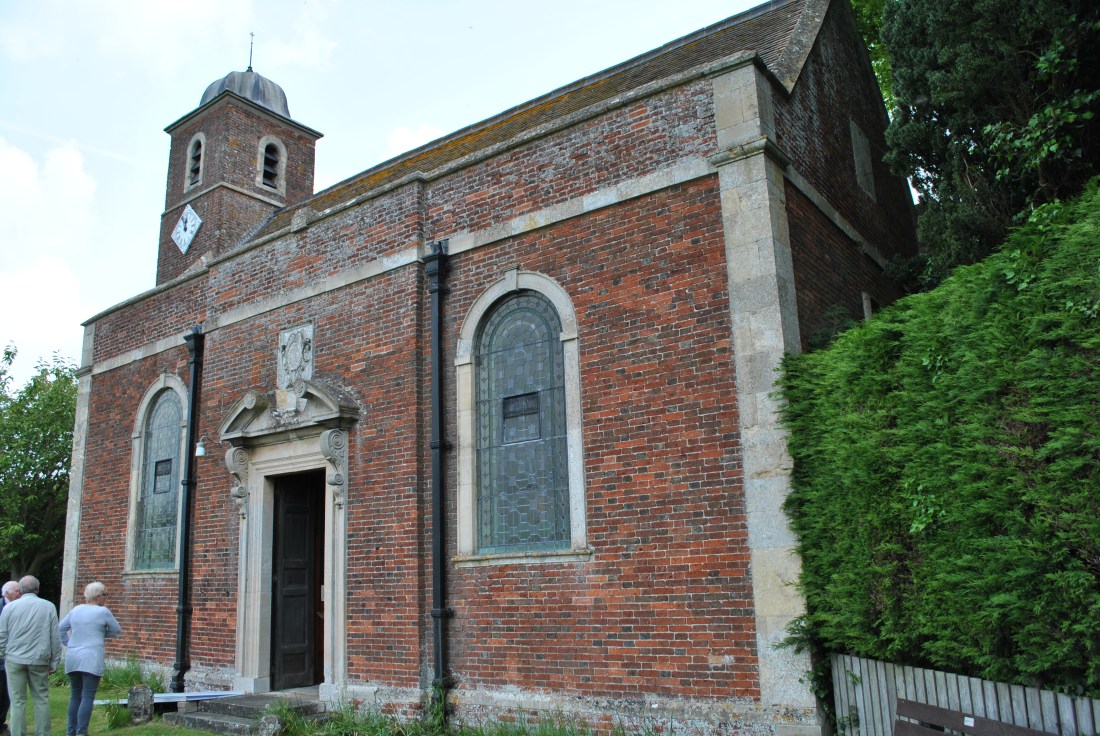
The church has been open since 1711 and is still a regular place of worship, though the burial ground these days is at nearby Apley.
This area of Lincolnshire is notable for its rich ecclesiastical history, particularly in regard to monasteries, the abbeys and priories that were finally dissolved by Henry VIII between 1536 and 1540.
There was a priory here dedicated to Saint Mary until that time, though not much detail of its history survives. The priory remains have not been excavated, though part of it is said to form part of the wall of the present church.
At the time of its dissolution, the priory was given over to the Tyrwhitt family, in whose hands it remained until about seventy years ago.
A most remarkable inheritance from that long period are The Tyrwhitt Tapestries, actually cross stitch embroidery work. Today they hang along the north wall of the church.

The tapestries were originally made for the opening of the church in 1711 and consist of five religious pieces, including the Ten Commandments and the Lord’s Prayer.
The Ten Commandments piece was re-stitched some time in the late 19th century, and much rather difficult preservation work has been carried out on them since.

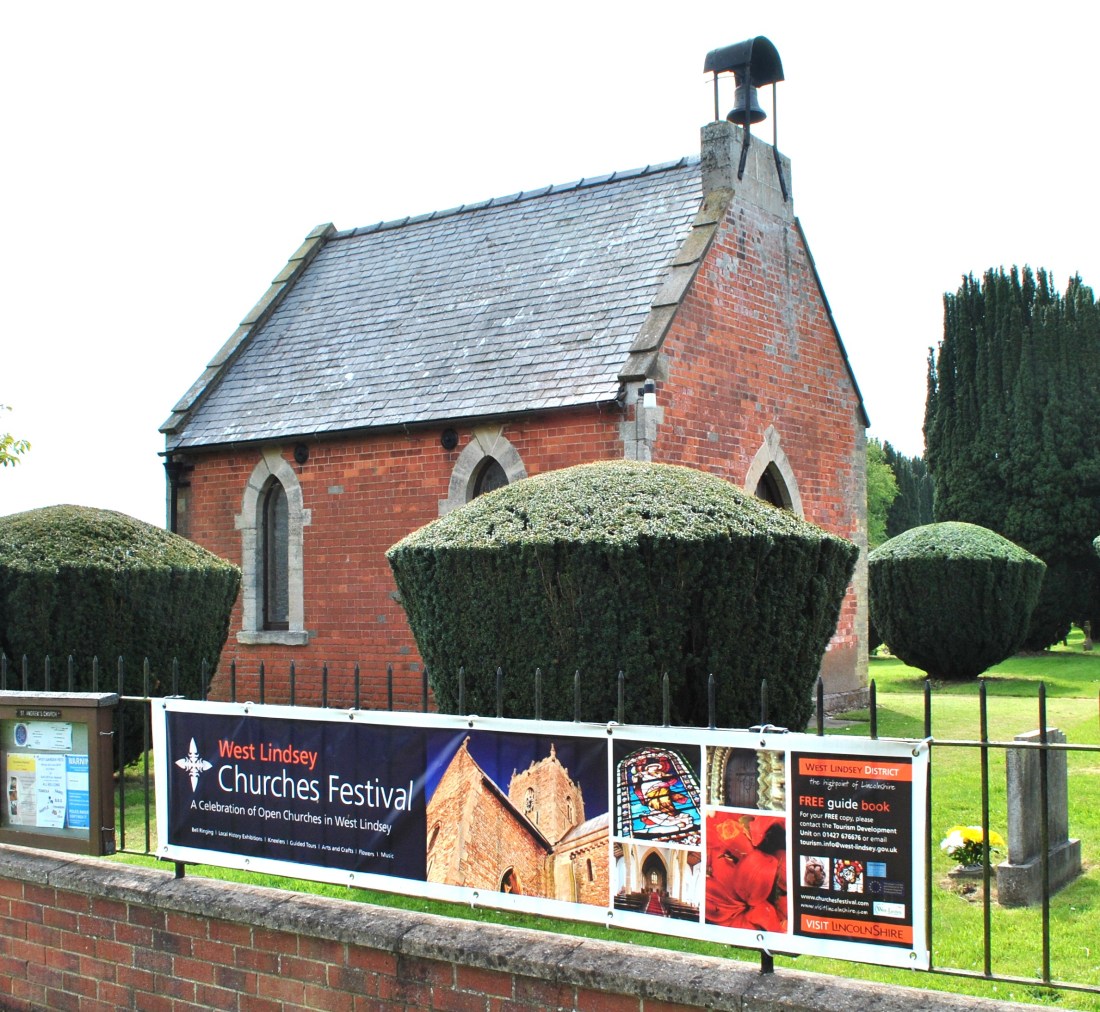
When we arrived there we were astonished to see just how small it was. There were cars outside, but was there really anyone inside? I mean, how many could you get in there?
Well, it turns out that, on occasion, there are up to 15 worshippers, and there are often christenings too. So as far as the Apley community and ourselves are concerned, small is beautiful.
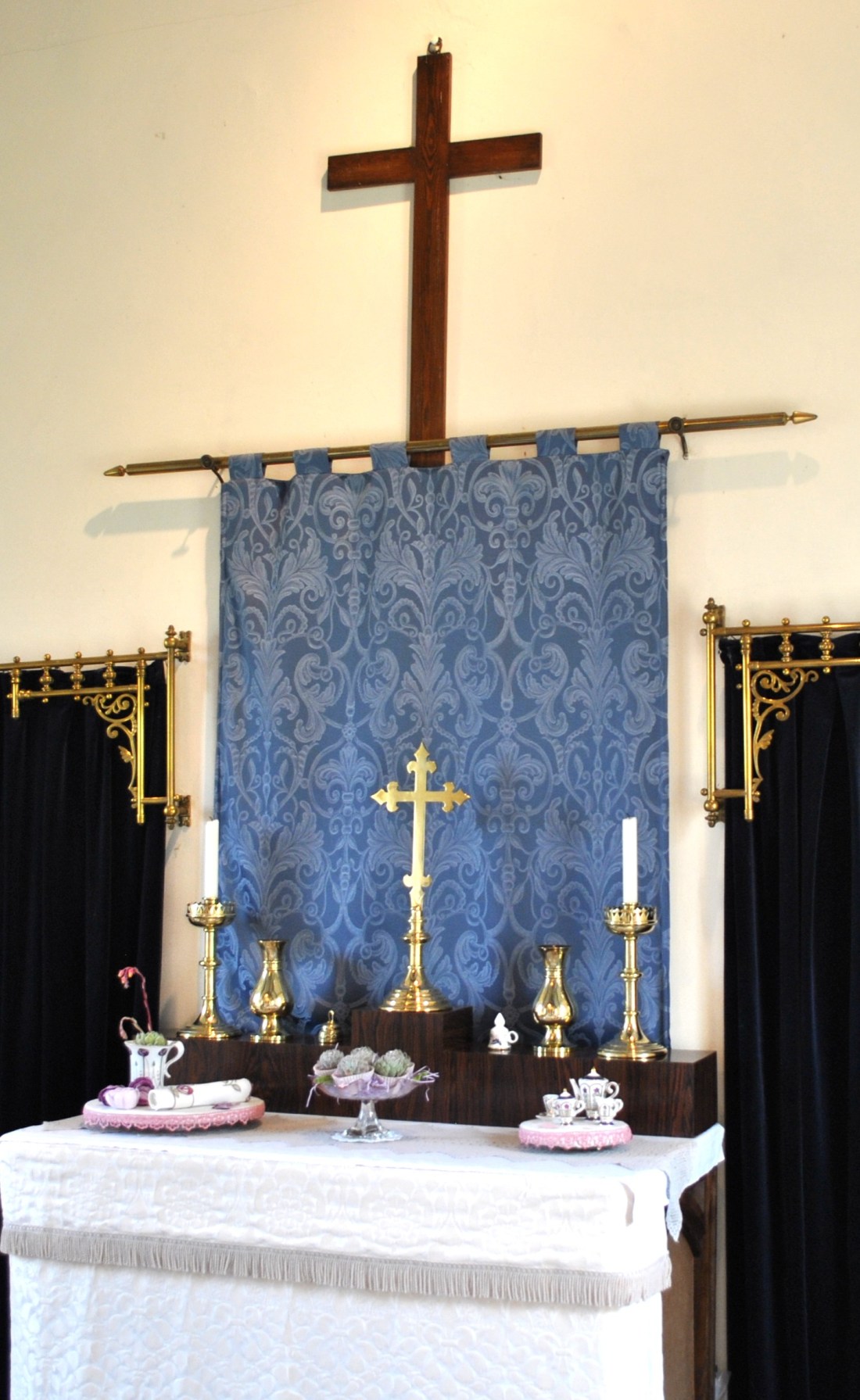
Apley is a small hamlet between Lincoln and Horncastle, nestled in the gently rolling hills of north-central Lincolnshire, the historic riding of Lindsey that used to be a kingdom in its own right about thirteen hundred years ago.

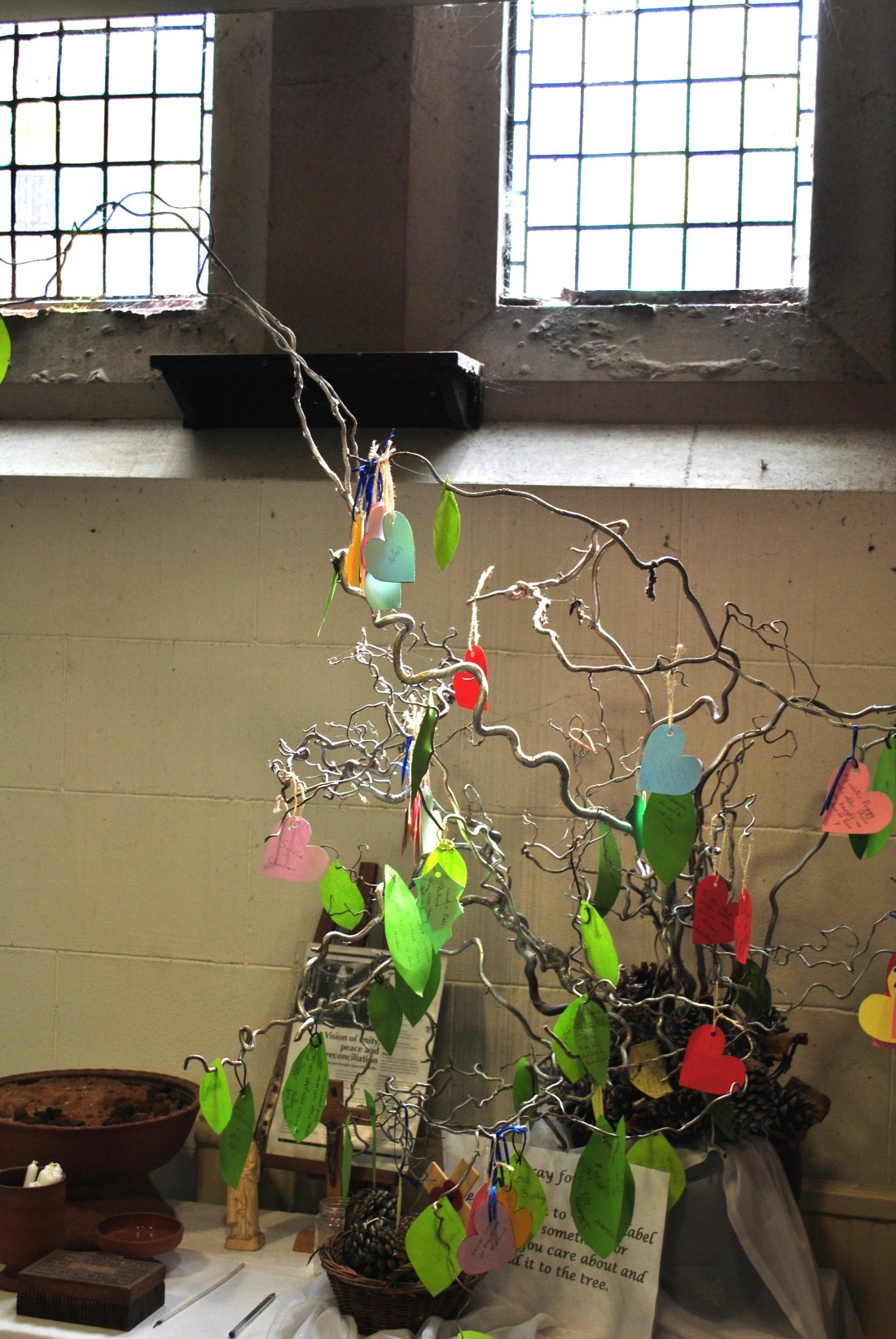
That said, it was not too easy for us to find, but it’s well worth a visit. The church, for such a limited space, could boast many items of interest, see photographs.
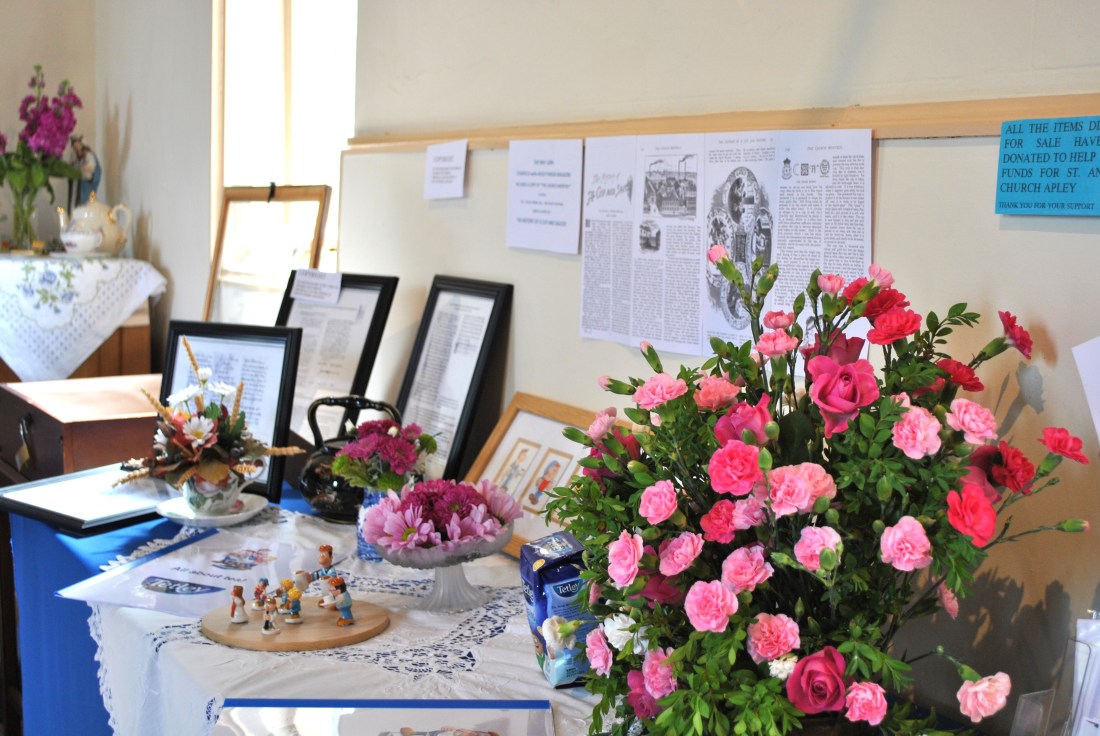
And once more, we were treated royally by our hosts!

copyright Leofwine Tanner 2019
The photographs here are of Wragby church, dedicated to All Saints.

The church was built in Victorian times and has some fine stained glass windows.



Leofwine Tanner 2019
 Ciscography