In cleansing light naves
ages of incense infused
in stone, am I saved
copyright Leofwine Tanner 2019
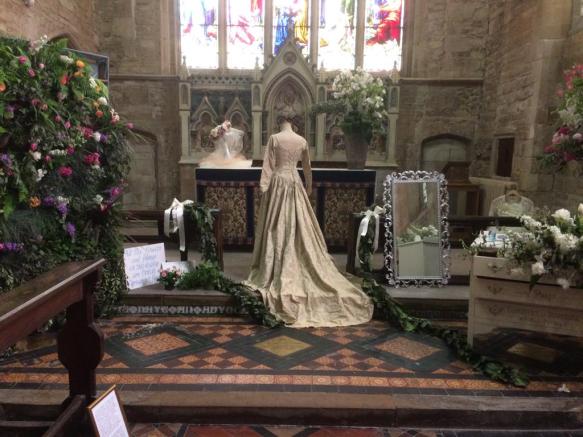
copyright Leofwine Tanner 2019

Sitting at the highest point of the village, there are steep steps to the entrance. Suddenly you are confronted by a terrific example of Georgian architecture. From the west door entrance, you can see right through to a wonderful reredos resplendent behind the altar.

Once more we were greeted by very pleasant local people, who filled us in with all the salient historical and current facts.
Home made cakes and refreshments were on offer and there was a display of the charities the church supports.

Although quite small, what the building lacks in size it more than makes up for in style and detail.
It opened in 1753, its founder a certain Thomas Becke, who had bought an estate in the village. Inside there is a large marble monument to Mr Becke. The church is built with local Ancaster limestone, infused with fossils.
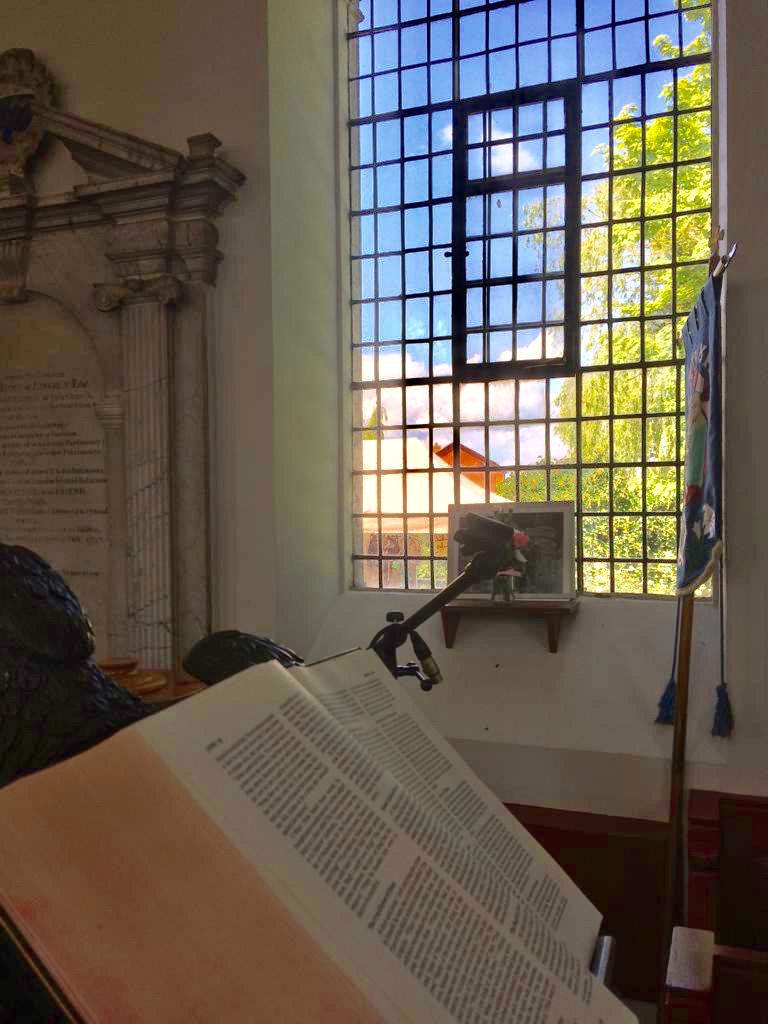
Most pleasing about the design of this small church is the quality of the light afforded by the style of windows (although our photographs possibly don’t quite do that justice), aided certainly by it being a sunny spring day, yet these large windows would surely afford good natural lighting on any cloudy day.

The volunteers told us that at present there is no toilet in the church – though that particular facility is arriving very soon. In the meanwhile, the very kind and courteous vicar took us to her nearby house so that we could perform that particular function!
This typifies the whole spirit we felt within the church, that of community and care. Thank you Cherry Willingham.

Leofwine Tanner 2019
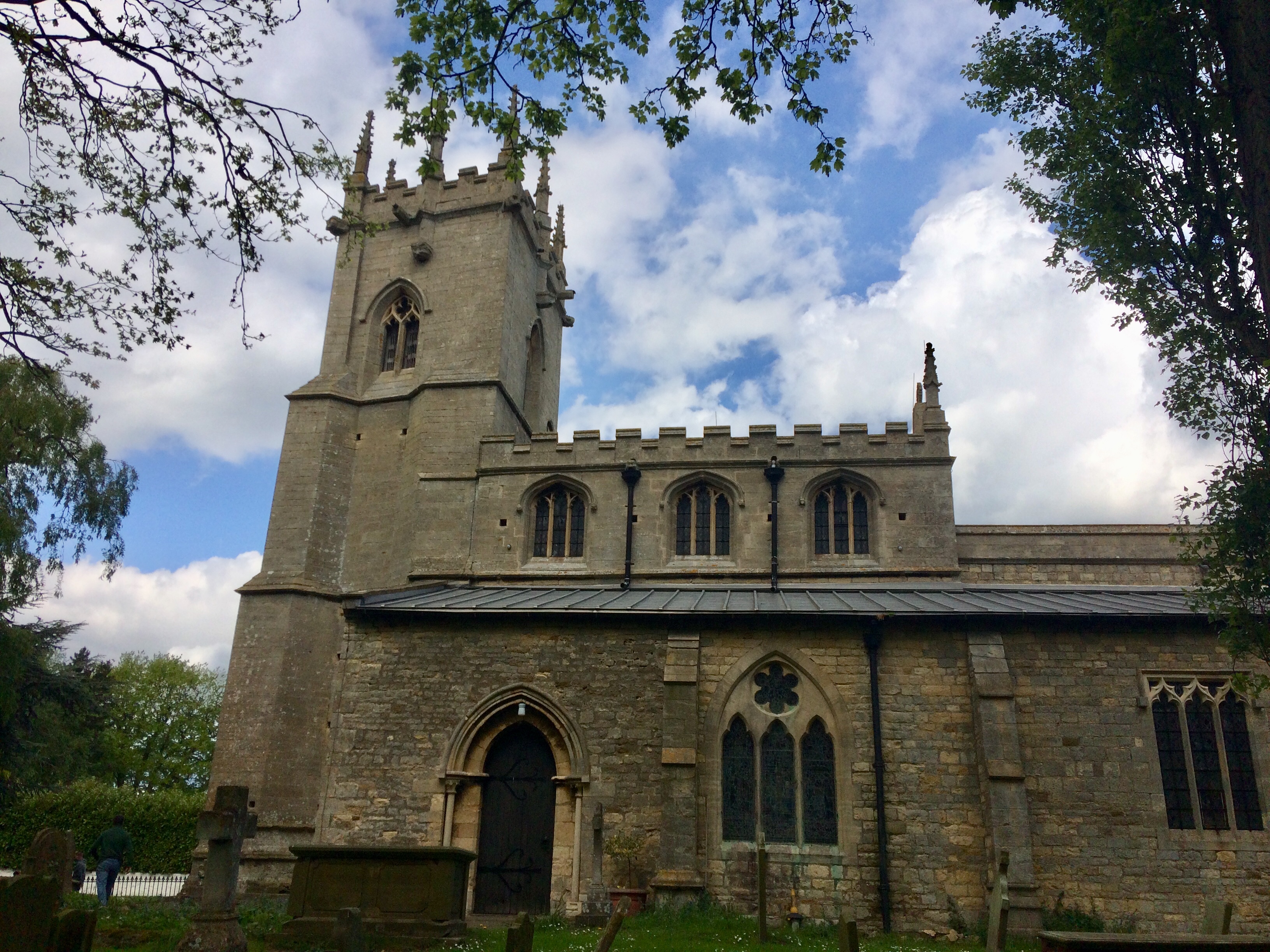
Of course, you may say that churches are always open – and you would be right. What I mean is, this diverse array of architectural and cultural gems, have items such as exhibitions, old books, games and crafts on display and for sale, plus food and drink of course, the proceeds going to the upkeep of the churches. There will always be a warm welcome too.
Fiskerton’s name means enclosure or farm of fishermen, its name stemming from Anglo-Saxon times. The church is dedicated to St. Clement of Rome, a dedication I do not recall coming across too often, especially not in Lincolnshire.
Like many villages in this area of Lincolnshire, there are strong connections to the RAF, particularly in relation to World War 2.

In fact there were remembrance books and links with RAF squadrons in the Lady Chapel, a testimony to the fact that Lincolnshire during World War 2 became essentially ‘Bomber County’, due to the preponderance of bomber squadrons.
Elsewhere in the church there are some notable features, including remaining Norman architecture.

The font is especially interesting. Note the markings on the stone and the work on the ornate cover below:
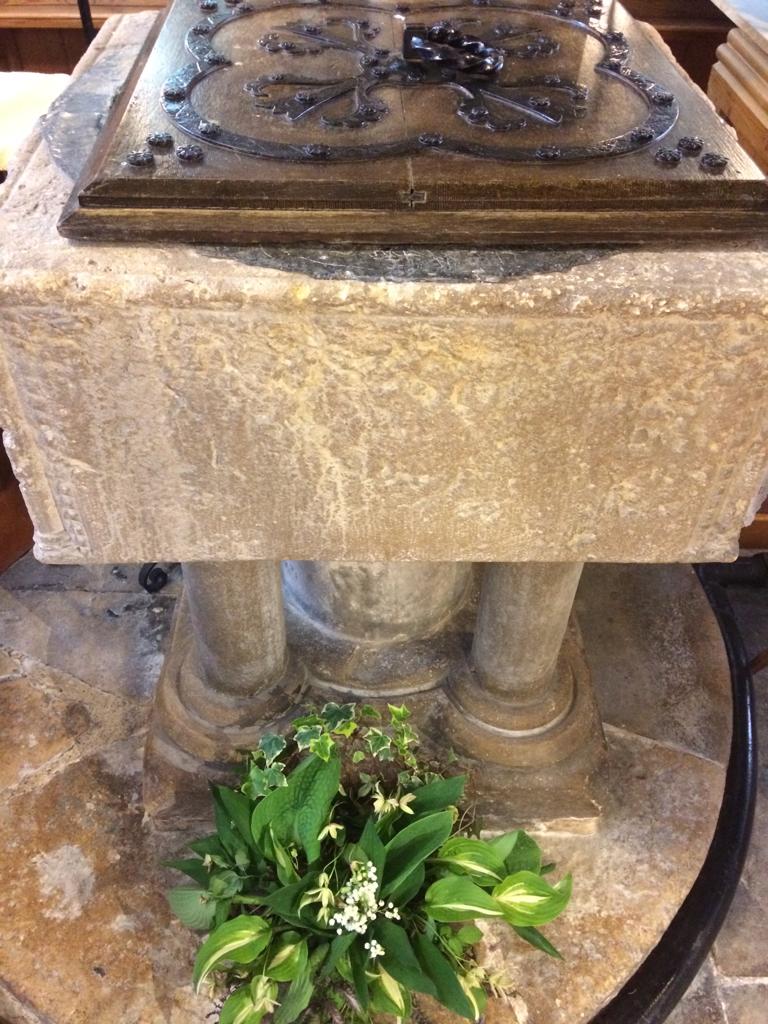


Once again, the most overriding memory of our visit to this lovely church was the friendliness of everyone, volunteers who seemingly can never do too much for you.
Thank you people of Fiskerton.

How would the local accent have sounded then, say in 1500? Would I have understood them? More to the point, would they understand me? I doubt it, but I have a liking for old church doors.
This north facing example bears all the marks of being very old, probably late medieval, but I could be wrong. Look
at the tracery… perpendicular style?
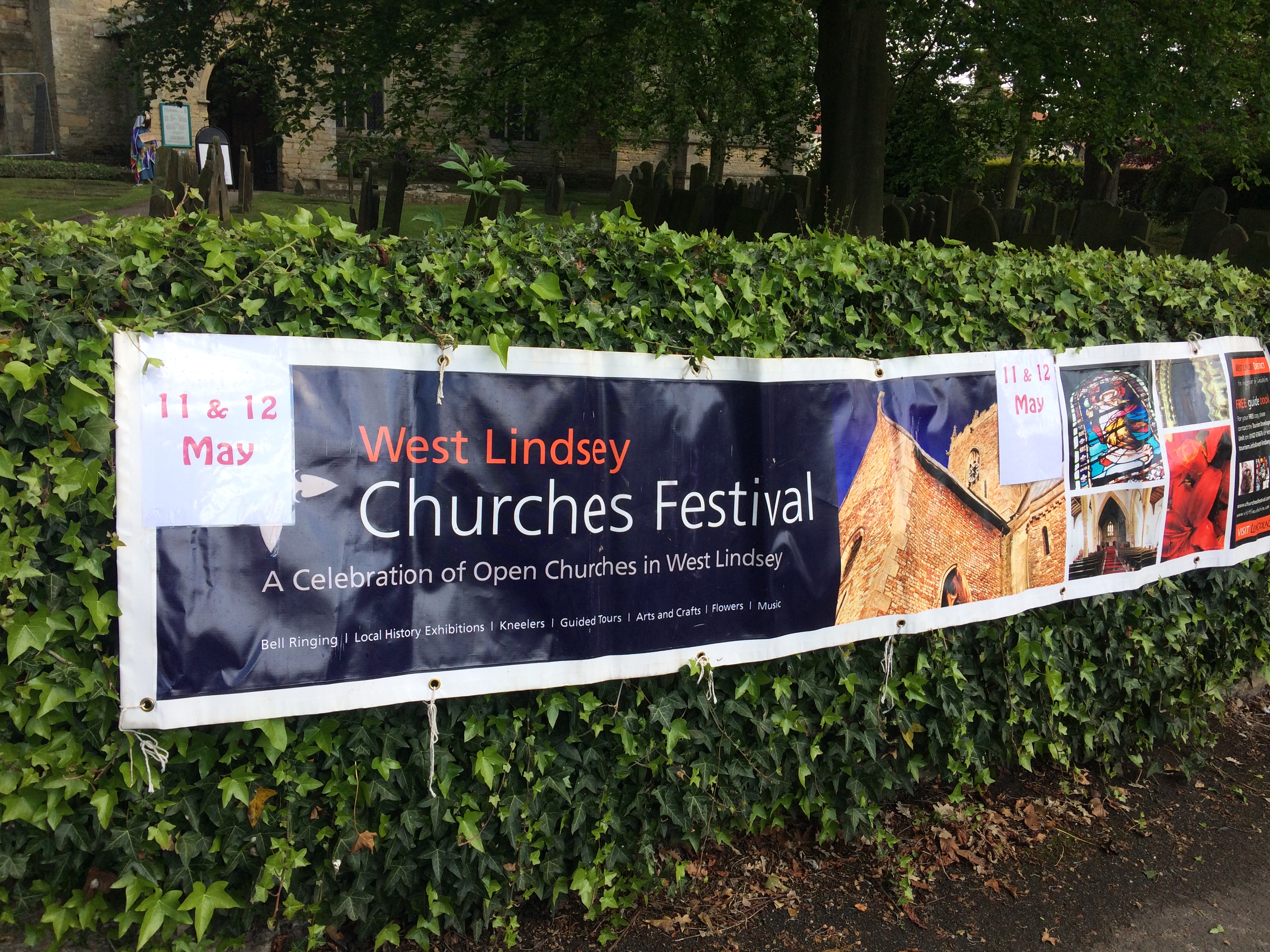
The idea is to raise interest and money for the upkeep of these historic buildings, icons of English cultural and Christian heritage.
To be honest, I’m not sure if we’d ever heard of it. The link only came up last week from the web, so I thought it would be worth a visit. We were very glad we came.
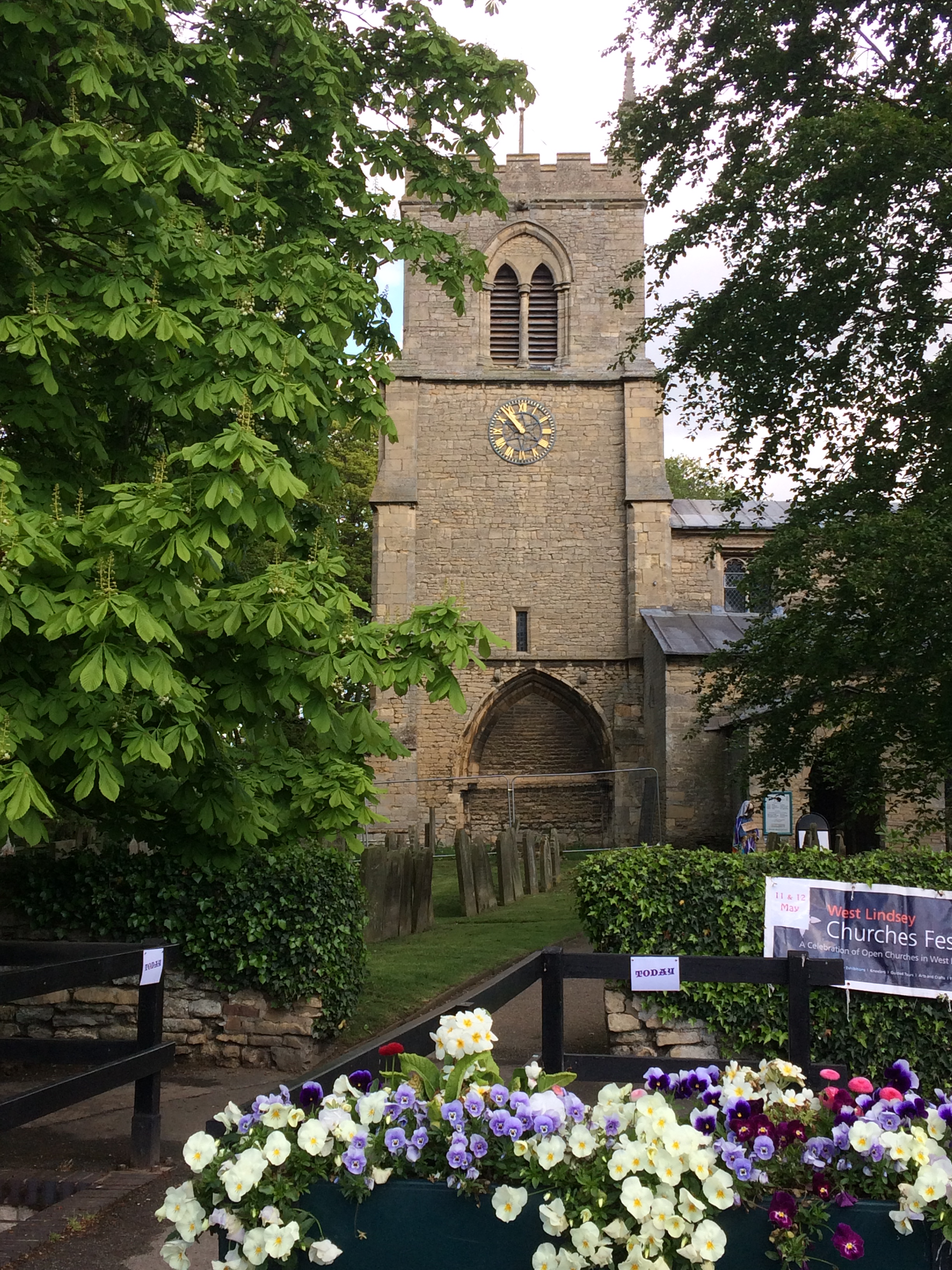
Our first stop was at the pretty village of Nettleham, at the Church of All Saints just a few miles north east of the magnificent city of Lincoln.
Nettleham is a large, seemingly thriving village of around three and half thousand souls with lots of local stores and some pubs, a heartening sight if there ever was. Inside the church we were greeted very courteously by the volunteers manning their stalls of old books, games, crafts, or selling food and drink. They were all very helpful, keen to tell us about the church and the village.
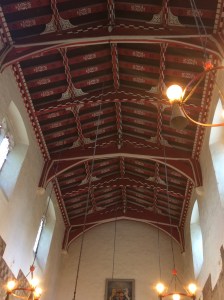
Sadly, in the 1960s there was a serious fire at All Saints, the result of arson. Since then the church has been restored very well, notable features being the new stained glass window at the east end and the roof.


Of course, there are no benefits from fires, but one of the things revealed by the tragedy was a series of medieval wall pattern illustrations, of the type which used to bedeck all churches before the Reformation, after which nearly all were whitewashed over.

Naturally, one of the benefits of going to these events is sampling the local cakes. We got a piece of carrot cake and apple cake, washed down by the proverbial cup of tea. The prices too, are very reasonable. We even took away a whole lemon drizzle cake!
Yes, it’s all very English and a jolly good thing to. I can’t speak highly enough of everyone inside, they made us very welcome.

The village of Nettleham is also very pretty and worth exploring, with a running stream making lovely feature.
Incidentally, Lindsey, in which Nettleham lies, is not merely a division or riding of historic Lincolnshire, along with Kesteven and Holland; Lindsey was once a kingdom in its own right, ruled from Lincoln around thirteen hundred years ago, before it was swallowed up by the much larger Mercia.
After that there was a manor house here, called the Bishop’s Manor House, as it eventually became a possession of the Bishops of Lincoln. Sadly this is now demolished.
But it’s not all about the past. There is very much to see and enjoy here today, not just at the Churches Festival – it’s well worth a visit at any time if you’re nearby.
copyright Leofwine Tanner 2019
 Ciscography