Remarkable English Church, Stainfield, Lincolnshire, Part 2

DSC_0040

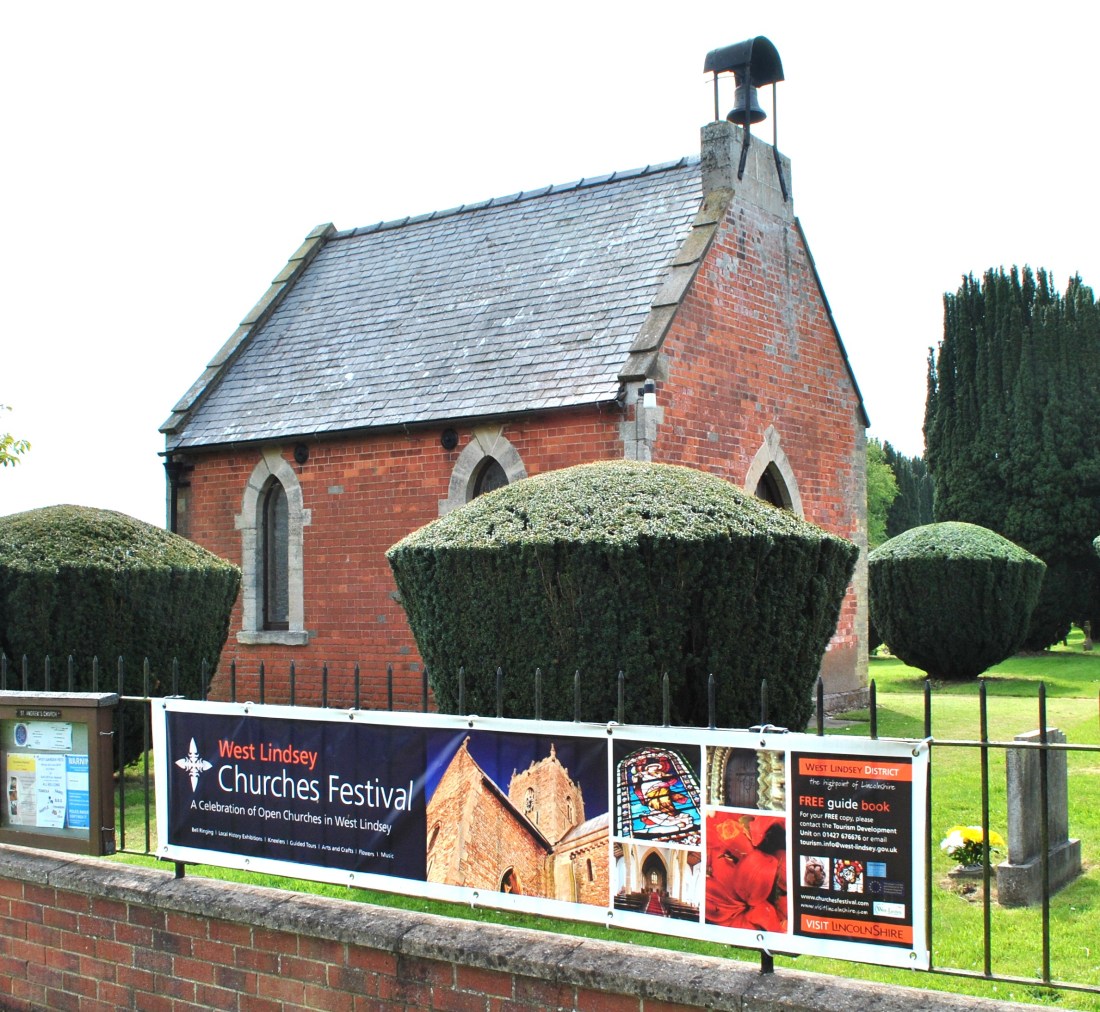
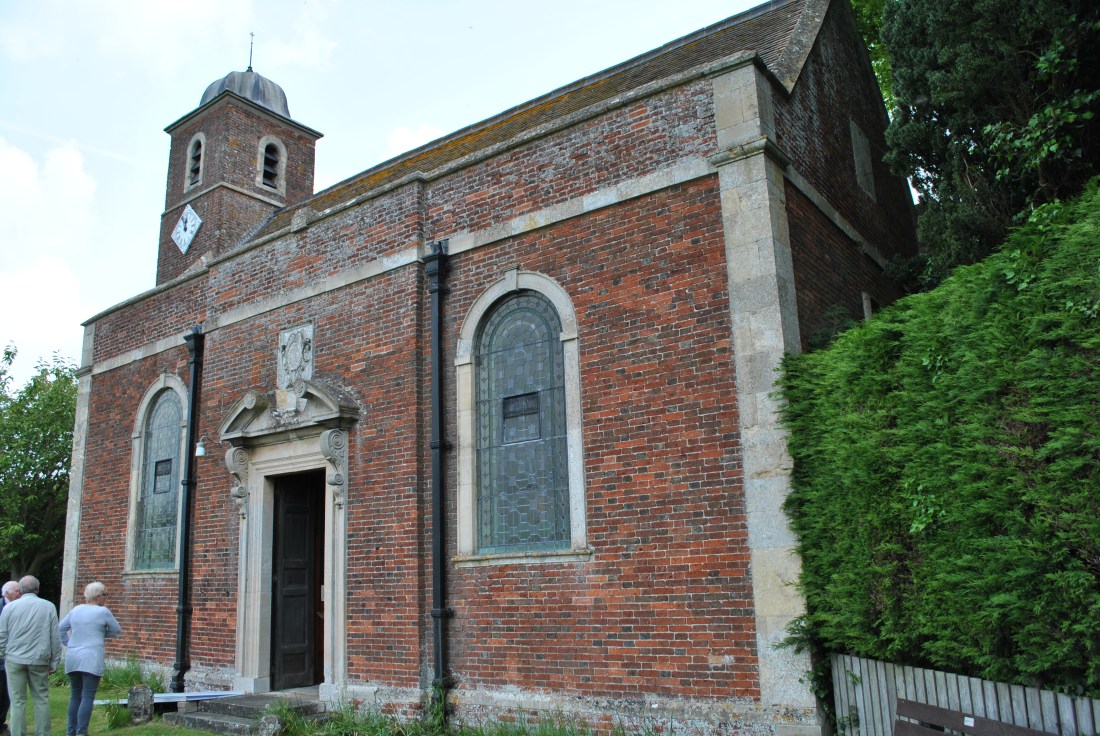
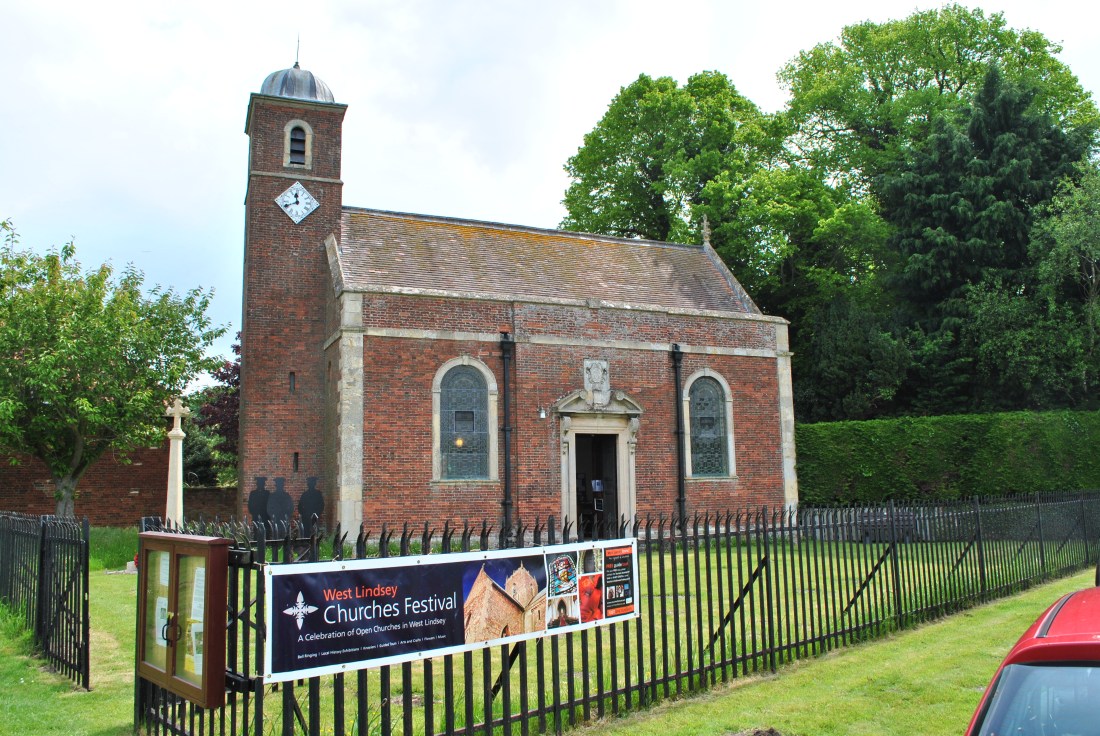
Saint Andrew’s church in Stainfield is remarkable. It’s thought that Christopher Wren designed the building following a visit.

The church has been open since 1711 and is still a regular place of worship, though the burial ground these days is at nearby Apley.

This area of Lincolnshire is notable for its rich ecclesiastical history, particularly in regard to monasteries, the abbeys and priories that were finally dissolved by Henry VIII between 1536 and 1540.

Inheritance

There was a priory here dedicated to Saint Mary until that time, though not much detail of its history survives. The priory remains have not been excavated, though part of it is said to form part of the wall of the present church.

At the time of its dissolution, the priory was given over to the Tyrwhitt family, in whose hands it remained until about seventy years ago.

A most remarkable inheritance from that long period are The Tyrwhitt Tapestries, actually cross stitch embroidery work. Today they hang along the north wall of the church.

DSC_0032 - Edited

The tapestries were originally made for the opening of the church in 1711 and consist of five religious pieces, including the Ten Commandments and the Lord’s Prayer.

The Ten Commandments piece was re-stitched some time in the late 19th century, and much rather difficult preservation work has been carried out on them since.

DSC_0033 - Edited

Fascinating English Churches – Stainfield, Lincolnshire, Part 1

DSC_0025

Saint Andrew’s Church Stainfield in West Lindsey Lincolnshire, was reputedly designed by Sir Christopher Wren – yes, he of Saint Paul’s Cathedral fame.

Built in 1711, the church boasts many interesting features, and is made of red brick with stone quoins, apart from the stone eastern wall; this may be a remnant of the former medieval priory.

DSC_0041
Notable feature above the entrance.

DSC_0037 - Edited

The visit was part of our short tour of the West Lindsey Church Festival, which takes place over two weekends every May. More on this fascinating church to follow.

copyright Leofwine Tanner 2019

Celebrating English and Lincolnshire Churches – Apley: Small is Beautiful

DSC_0013 - Edited

Apley’s church of Saint Andrew really is a little gem.

When we arrived there we were astonished to see just how small it was. There were cars outside, but was there really anyone inside? I mean, how many could you get in there?

Well, it turns out that, on occasion, there are up to 15 worshippers, and there are often christenings too. So as far as the Apley community and ourselves are concerned, small is beautiful.

DSC_0016 - Edited

Apley is a small hamlet between Lincoln and Horncastle, nestled in the gently rolling hills of north-central Lincolnshire, the historic riding of Lindsey that used to be a kingdom in its own right about thirteen hundred years ago.

DSC_0021 - Edited.jpg

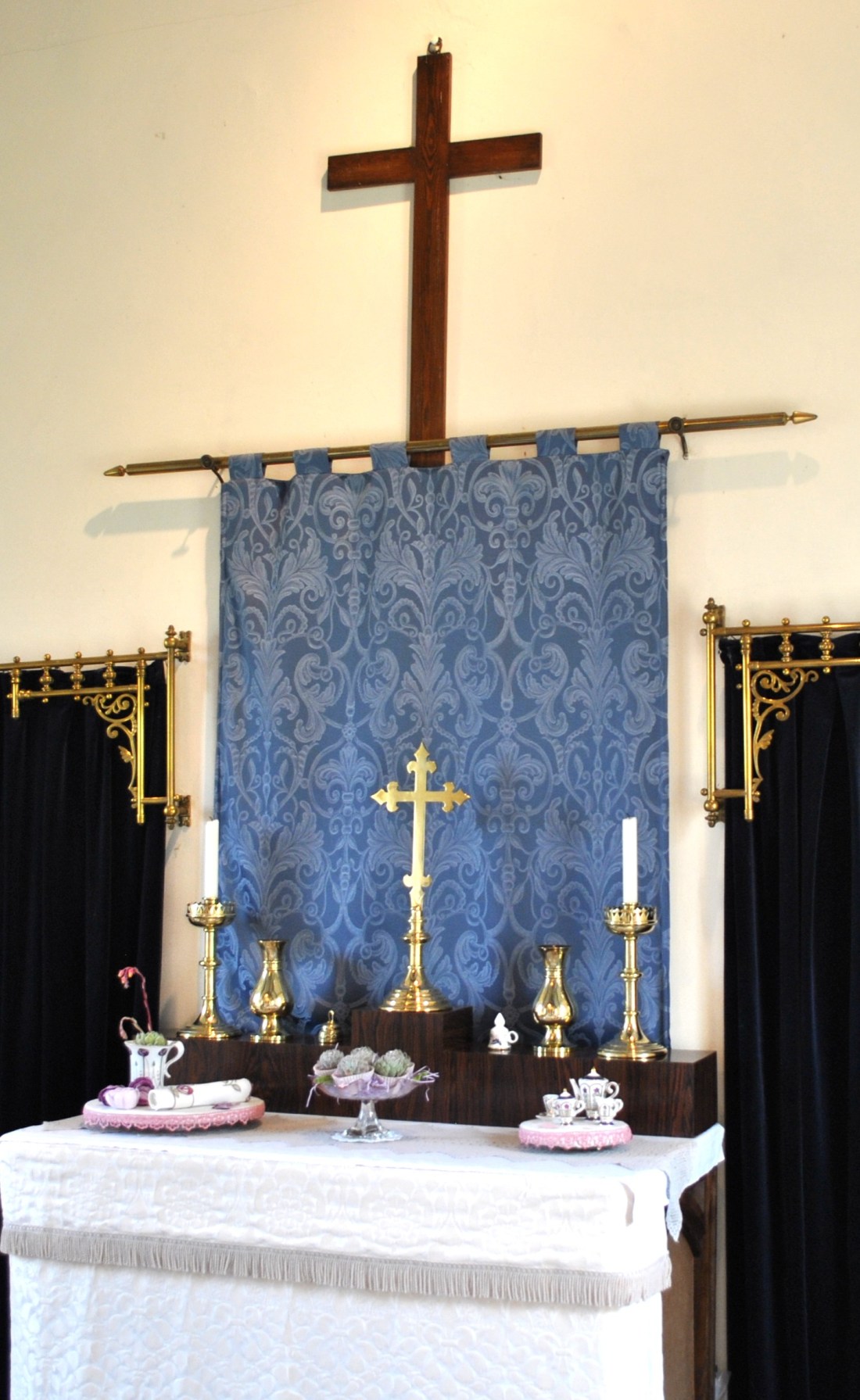
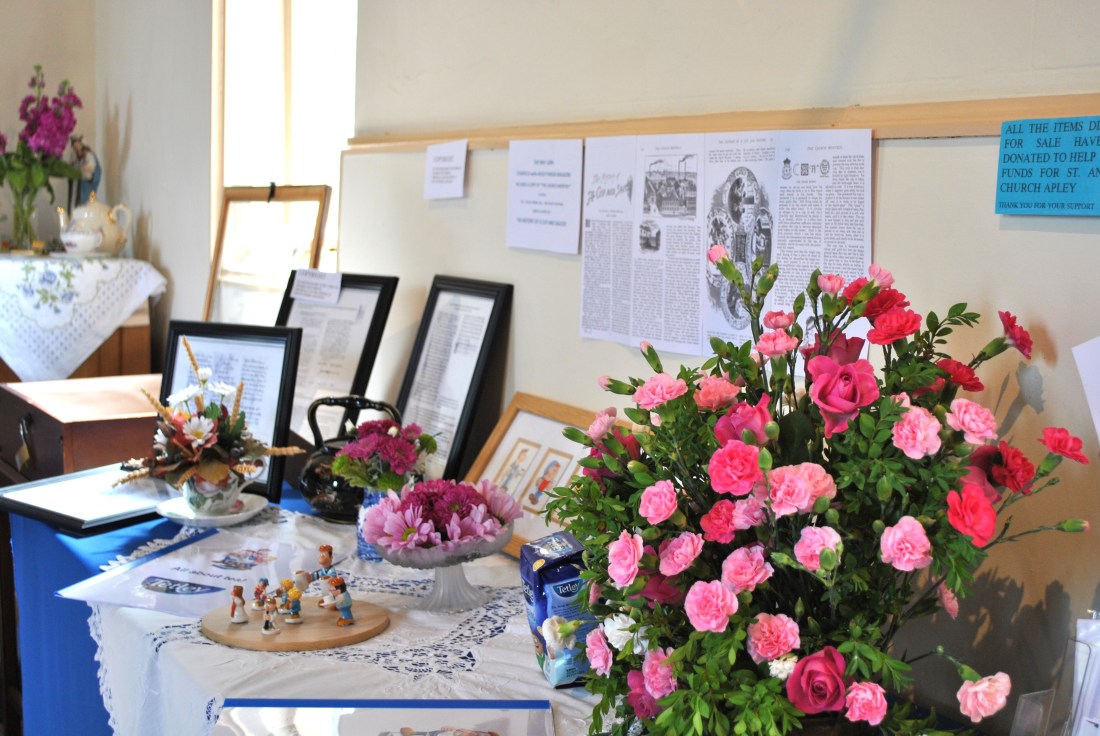
That said, it was not too easy for us to find, but it’s well worth a visit. The church, for such a limited space, could boast many items of interest, see photographs.

DSC_0019 - Edited

And once more, we were treated royally by our hosts!

DSC_0017 - Edited

copyright Leofwine Tanner 2019

Haiku: The Rear Gunner

army burial cemetery cross
Photo by Pixabay on Pexels.com

Trapped in a tail spin
shot up and bleeding, no hope
What went through your mind?

copyright Leofwine Tanner 2019

Poem: ‘English Blue’ (for the fallen at Hastings and beyond)

stickingridge

Walk with me
into the grey breaking dawn

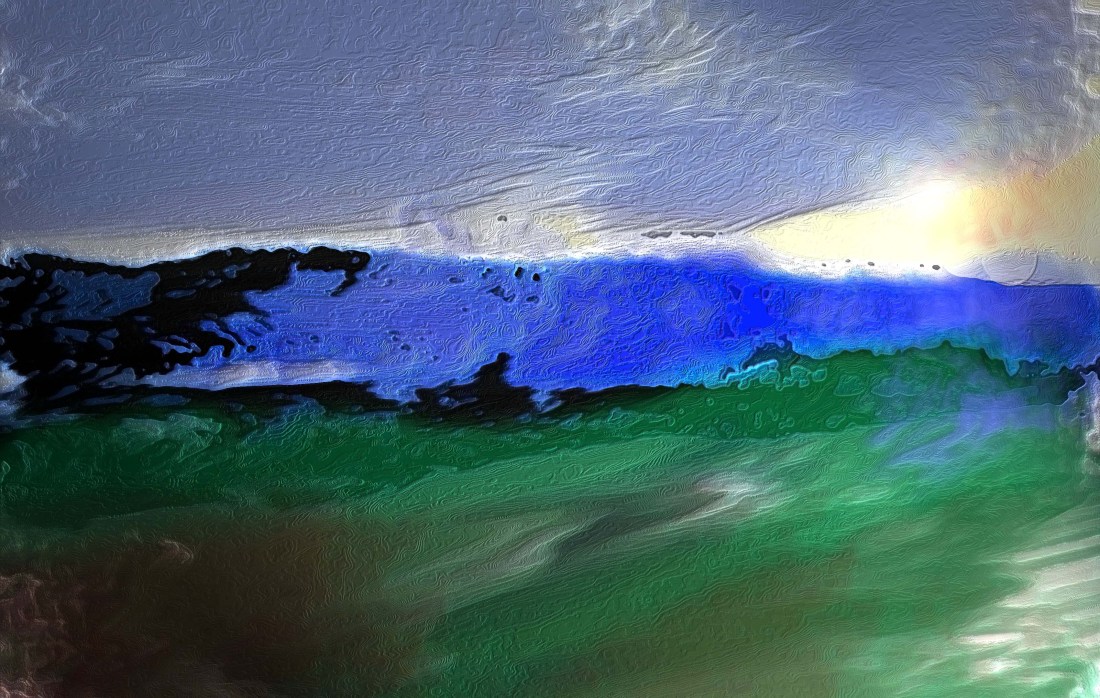
where that sticking ridge of blue –
an English blue

rolls on into soft distances
and strange dancing names

Stand with me
by those set whispering stones

in a steadfast line –
a sore English line

of rasping pipes and howling socks
mouthing our memory

like a warning to tomorrow
a land forlorn to all but itself

Then help me to bury him
not on some crying strand –

in firm English land
where hallows’ calls are grounded

our grief laid open
in the whitening bones of heroes

on this high scoured hill


copyright Leofwine Tanner 2019, 2011

first published in ‘Poetry 24’ June 23 2011