The Wild Man of Stainfield? – Fascinating Lincolnshire Churches, Stainfield, Part 3

DSC_0035 - Edited
A display in the church about the ‘Wild Man of Stainfield’.

The origin of the legend of the Wild Man of Stainfield is unclear. No one seems to know who he was, though some thought he generally went about naked, his body covered in hair.

Even the date of his existence is not certain, though most put it sometime during the 18th and early 19th centuries.

Nevertheless, there does appear to be some clarity regarding his actions. He was a woodlander, who reputedly took cattle and sheep, presumably for food, maybe clothing. Some even think that he killed humans too.
DSC_0028
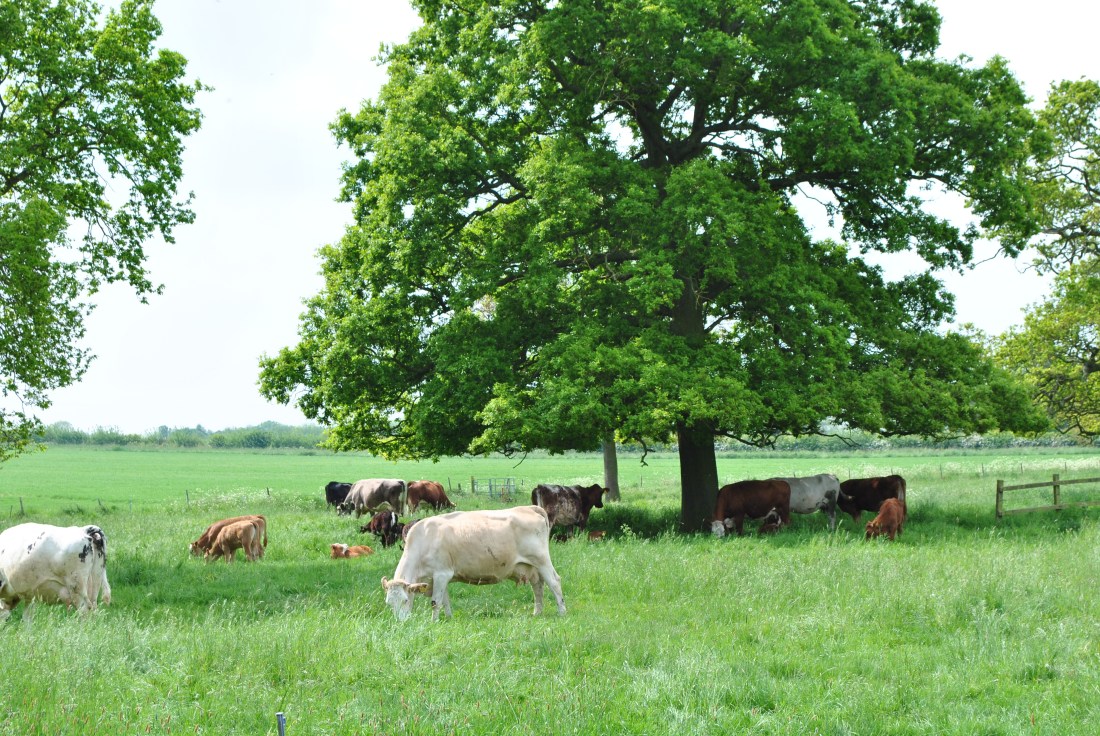
If the stories are true, how safe would cattle have been during the times of this wild man? Today the nearby cattle don’t appear to be worried.

One story states that it was a descendant of Sir Francis Drake who finally killed the Wild Man of Stainfield. There began the association of the Drake family with the area.

Stories of his demise are disputed too. Another tale describes those who later became known as the ‘Hardy Gang’, who got together to rid the area of this wildling. Some say this is how nearby Hardygang Wood got its name.

DSC_0036 - Edited

All in all, Stainfield is a fascinating village with a remarkable history – and a legend to boot.

copyright Leofwine Tanner 2019
Remarkable English Church, Stainfield, Lincolnshire, Part 2

DSC_0040

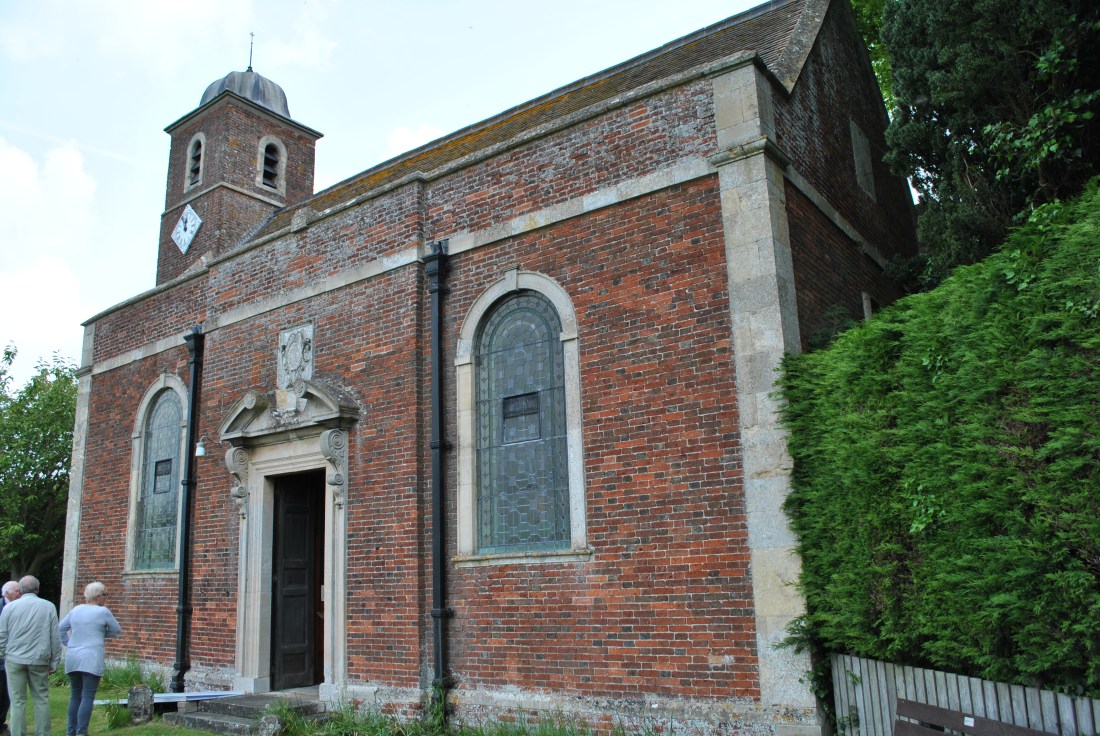
Saint Andrew’s church in Stainfield is remarkable. It’s thought that Christopher Wren designed the building following a visit.

The church has been open since 1711 and is still a regular place of worship, though the burial ground these days is at nearby Apley.

This area of Lincolnshire is notable for its rich ecclesiastical history, particularly in regard to monasteries, the abbeys and priories that were finally dissolved by Henry VIII between 1536 and 1540.

Inheritance

There was a priory here dedicated to Saint Mary until that time, though not much detail of its history survives. The priory remains have not been excavated, though part of it is said to form part of the wall of the present church.

At the time of its dissolution, the priory was given over to the Tyrwhitt family, in whose hands it remained until about seventy years ago.

A most remarkable inheritance from that long period are The Tyrwhitt Tapestries, actually cross stitch embroidery work. Today they hang along the north wall of the church.

DSC_0032 - Edited

The tapestries were originally made for the opening of the church in 1711 and consist of five religious pieces, including the Ten Commandments and the Lord’s Prayer.

The Ten Commandments piece was re-stitched some time in the late 19th century, and much rather difficult preservation work has been carried out on them since.

DSC_0033 - Edited

Fascinating English Churches – Stainfield, Lincolnshire, Part 1

DSC_0025

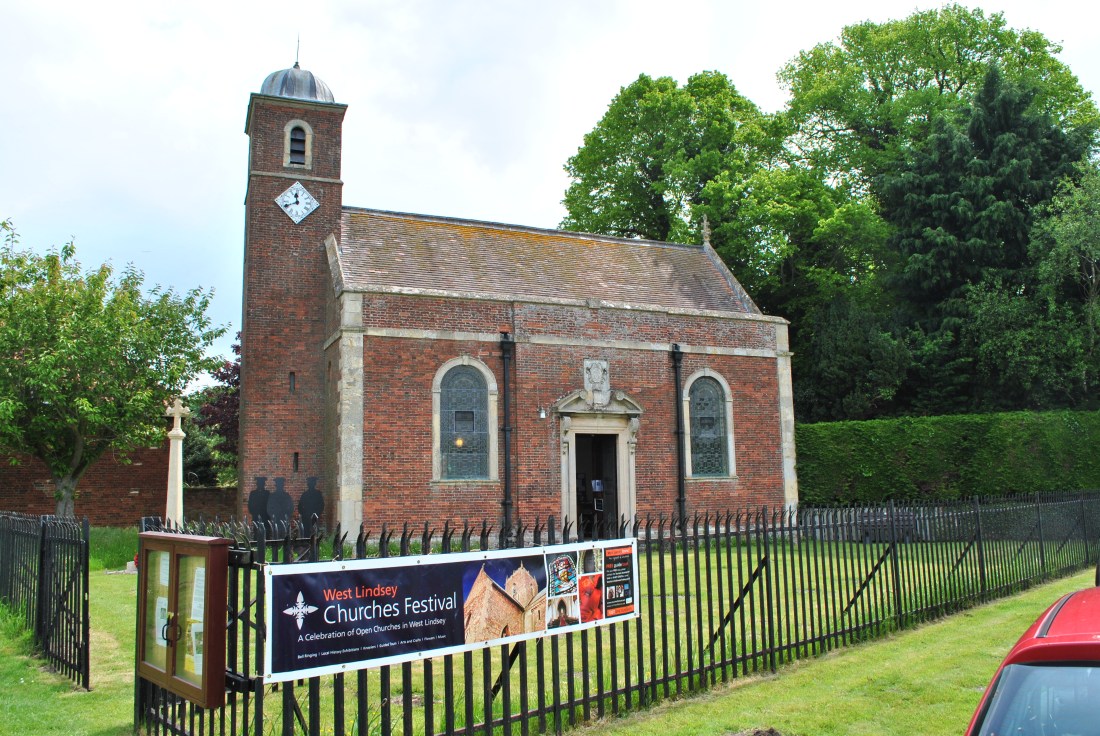
Saint Andrew’s Church Stainfield in West Lindsey Lincolnshire, was reputedly designed by Sir Christopher Wren – yes, he of Saint Paul’s Cathedral fame.

Built in 1711, the church boasts many interesting features, and is made of red brick with stone quoins, apart from the stone eastern wall; this may be a remnant of the former medieval priory.

DSC_0041
Notable feature above the entrance.

DSC_0037 - Edited

The visit was part of our short tour of the West Lindsey Church Festival, which takes place over two weekends every May. More on this fascinating church to follow.

copyright Leofwine Tanner 2019
Celebrating English and Lincolnshire Churches – Apley: Small is Beautiful

DSC_0013 - Edited

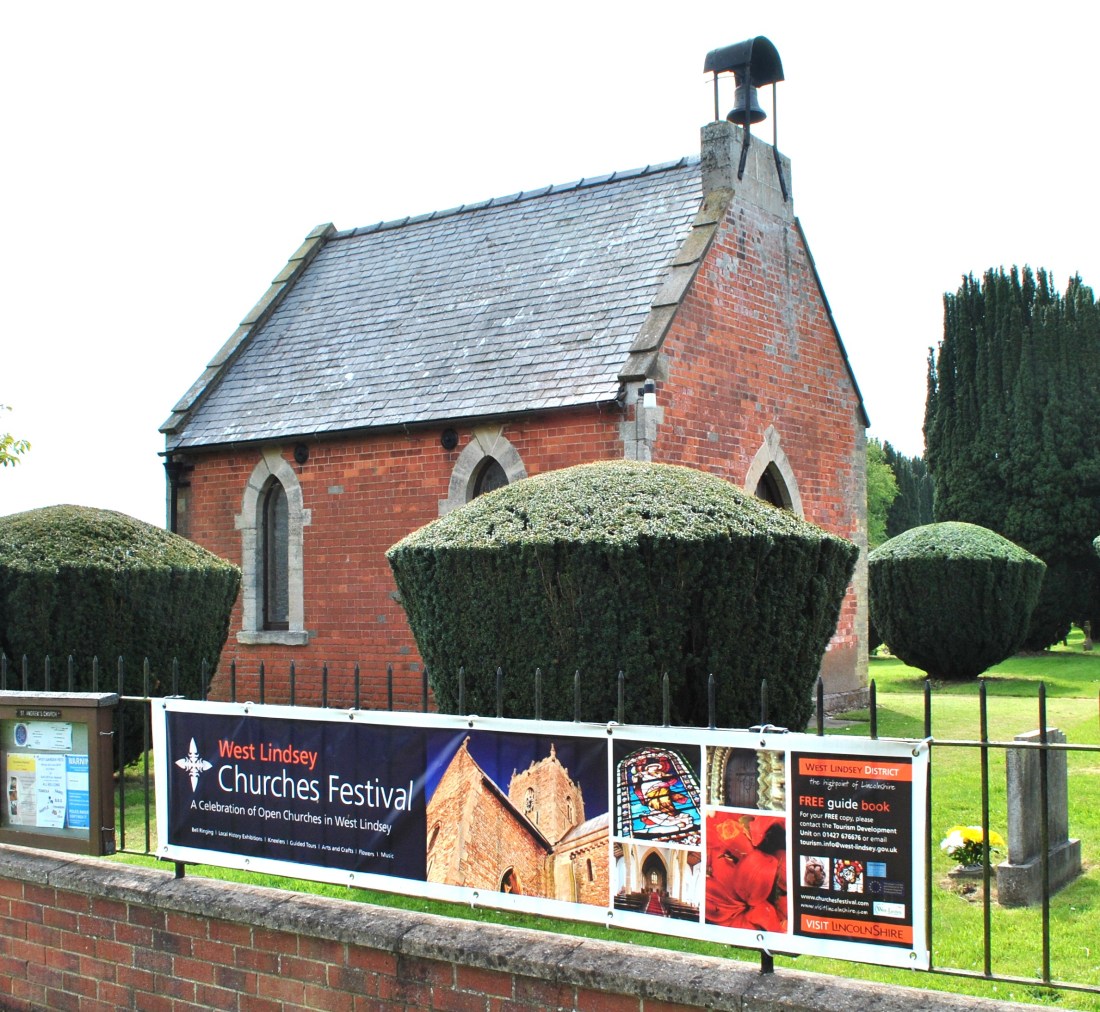
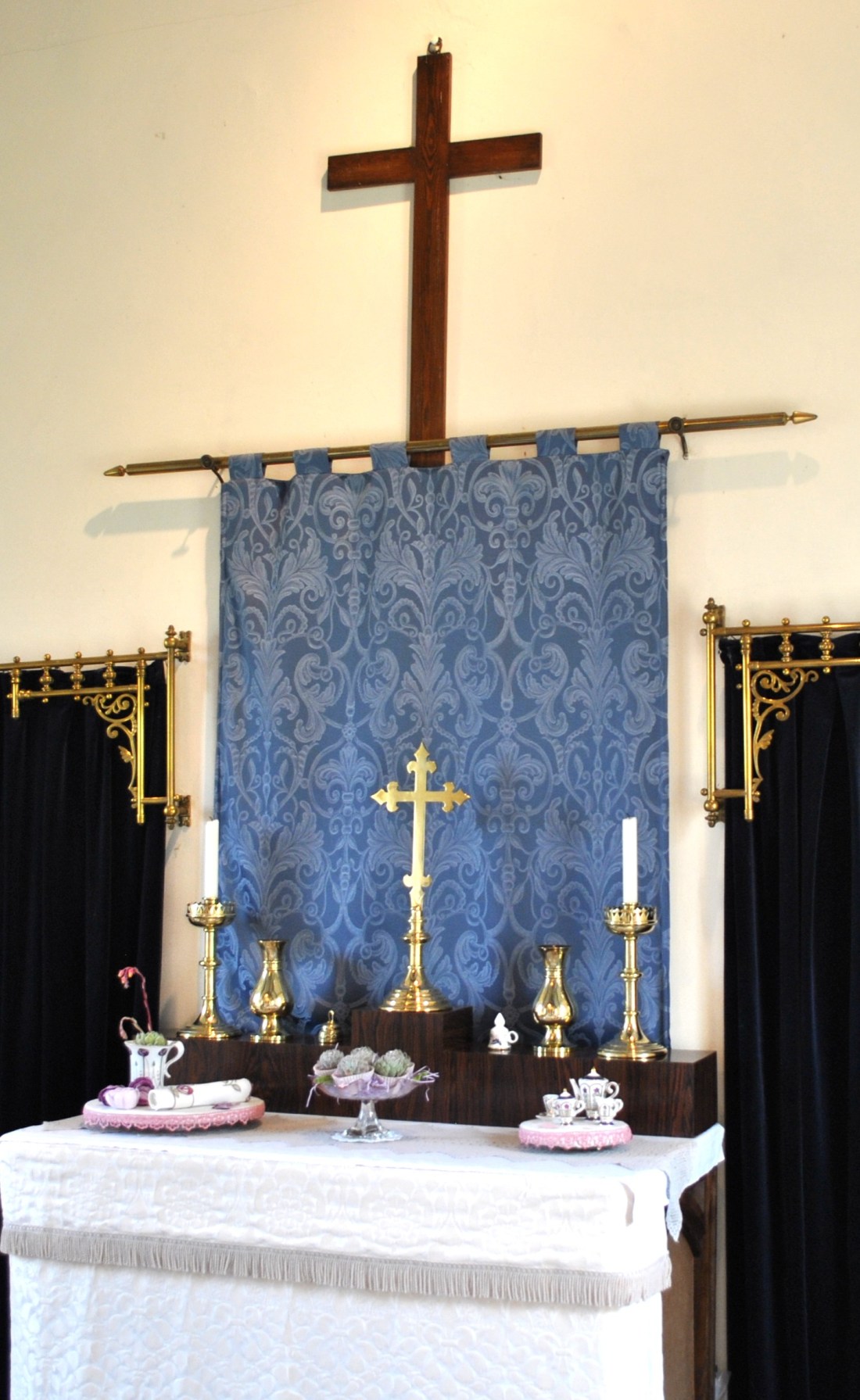
Apley’s church of Saint Andrew really is a little gem.

When we arrived there we were astonished to see just how small it was. There were cars outside, but was there really anyone inside? I mean, how many could you get in there?

Well, it turns out that, on occasion, there are up to 15 worshippers, and there are often christenings too. So as far as the Apley community and ourselves are concerned, small is beautiful.

DSC_0016 - Edited

Apley is a small hamlet between Lincoln and Horncastle, nestled in the gently rolling hills of north-central Lincolnshire, the historic riding of Lindsey that used to be a kingdom in its own right about thirteen hundred years ago.

DSC_0021 - Edited.jpg

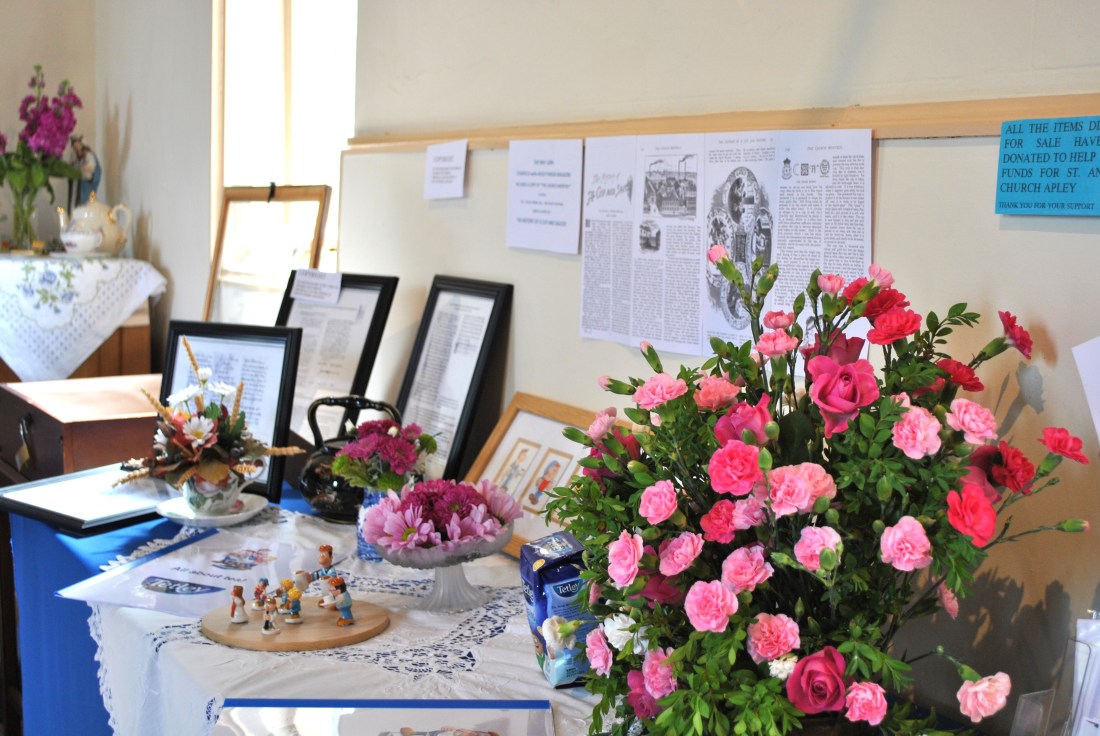
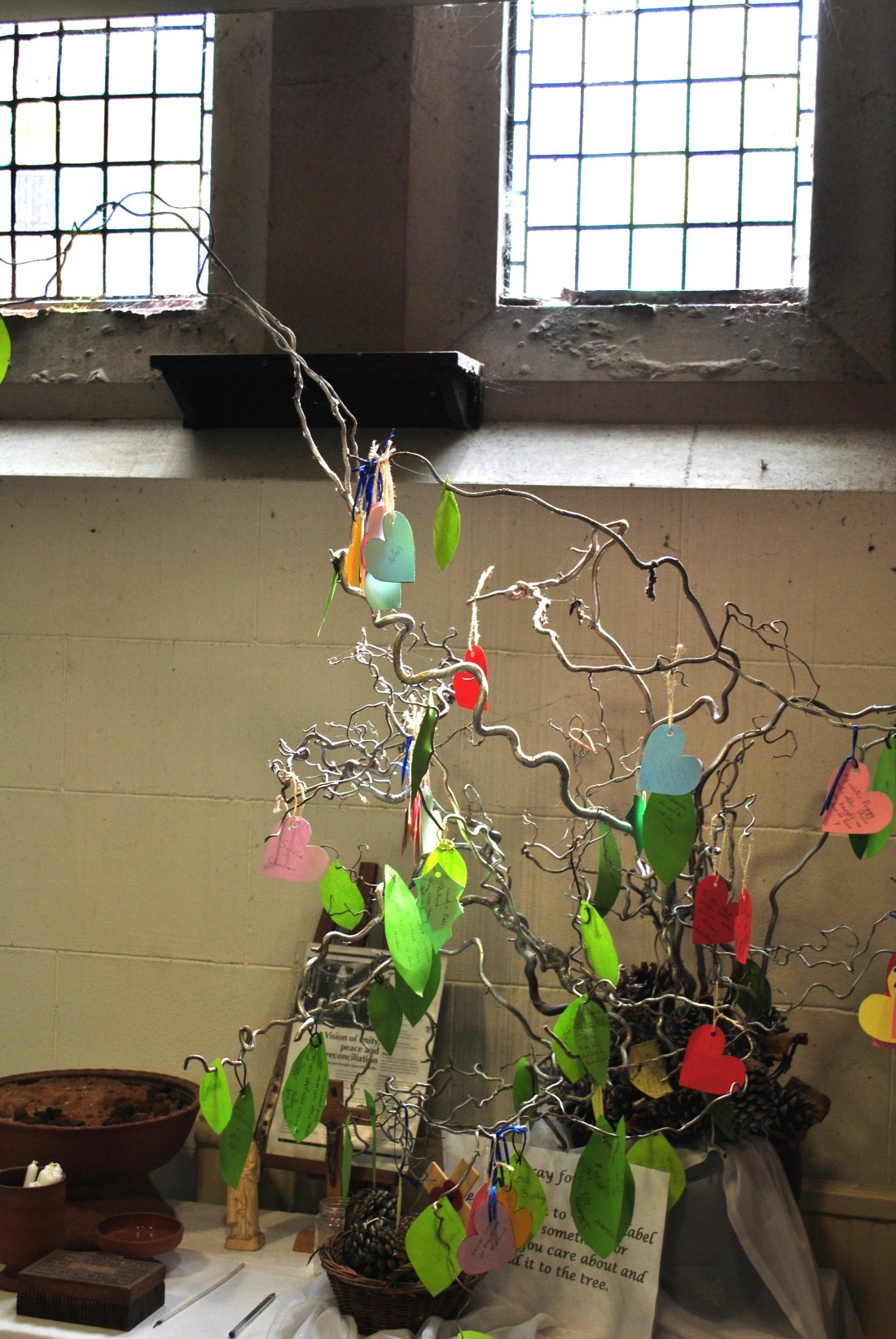
That said, it was not too easy for us to find, but it’s well worth a visit. The church, for such a limited space, could boast many items of interest, see photographs.

DSC_0019 - Edited

And once more, we were treated royally by our hosts!

DSC_0017 - Edited

copyright Leofwine Tanner 2019

Celebrating Lincolnshire Churches Heritage: Wragby

Every May, West Lindsey in north Lincolnshire has two open weekends to encourage visitors, with displays, old books for sale, exhibitions and lots of tea and cake.

The photographs here are of Wragby church, dedicated to All Saints.

DSC_0004 - Edited.jpg
Wragby church of All Saints, built in Victorian times. The bell tower contains 15th century bells.

The church was built in Victorian times and has some fine stained glass windows.

DSC_0006 - Edited

DSC_0010 - Edited

DSC_0009 - Edited
A very old looking font.
DSC_0005 (1) - Edited
Glorious stained glass windows.

Leofwine Tanner 2019